Malta Limestone Life: Neighbourhoods, Craft & Market Timing
Fall for Malta’s limestone rhythms: compact neighbourhoods, craft-led renovations and modest green upgrades make living here intimate and sustainable—RPPI rose ~5% in 2024.
 Moss & Hearth
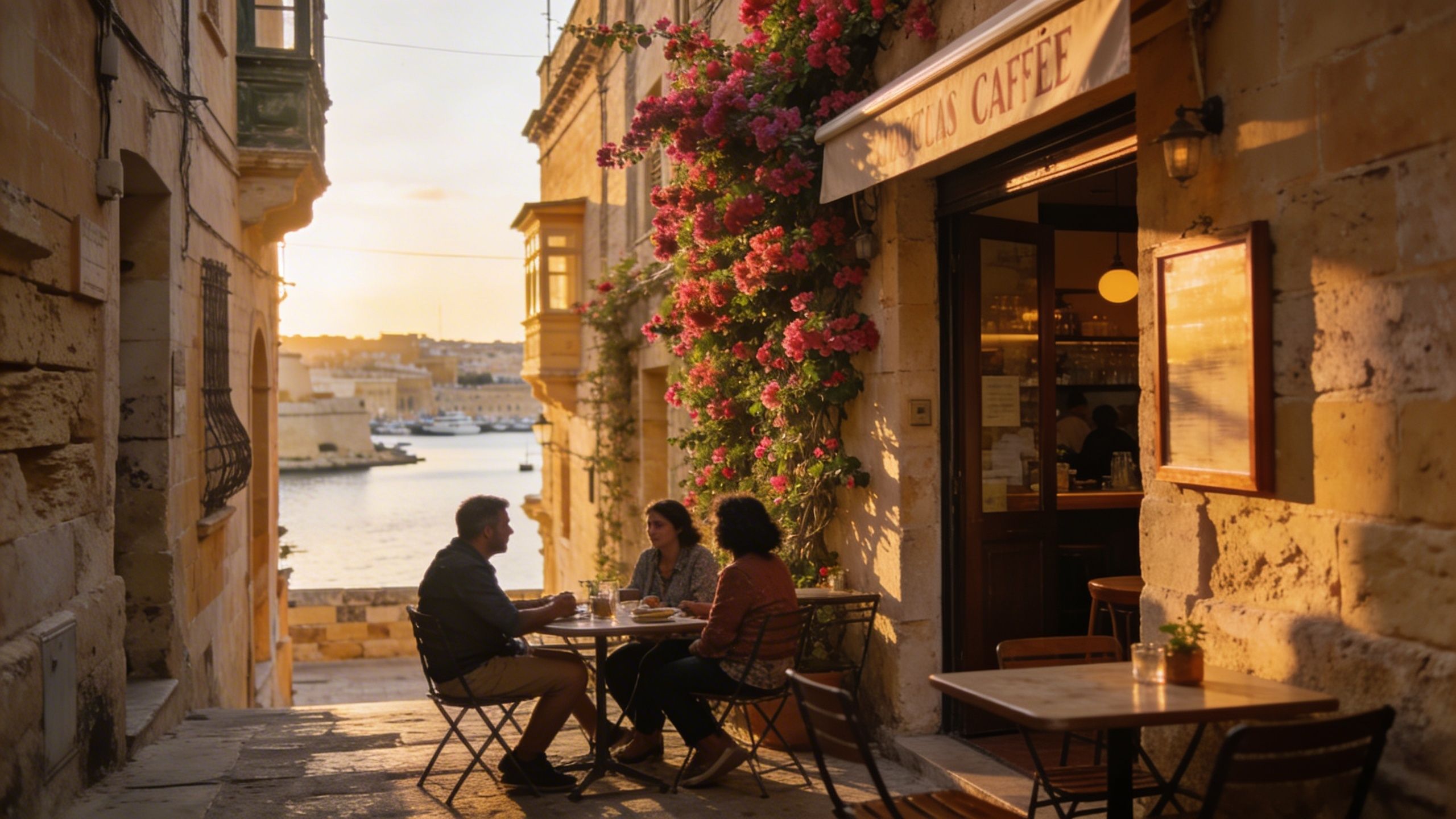
Imagine slipping into a narrow lane in Valletta at dawn: the limestone warms underfoot, a fishmonger unfolds his catch, and a café pours the first espresso as fishing boats cut silver across Marsamxett Harbour. Malta is compact—an island where history is daily life and the sea is never far. For international buyers drawn to small-scale coastal living, traditional craft, and an easy English-speaking rhythm, Malta feels like a made-to-measure Mediterranean life. But that charm sits beside a hot, sometimes opaque property market where timing, neighborhood nuance, and local craftsmanship define both the experience and long‑term value.
Living the Malta lifestyle
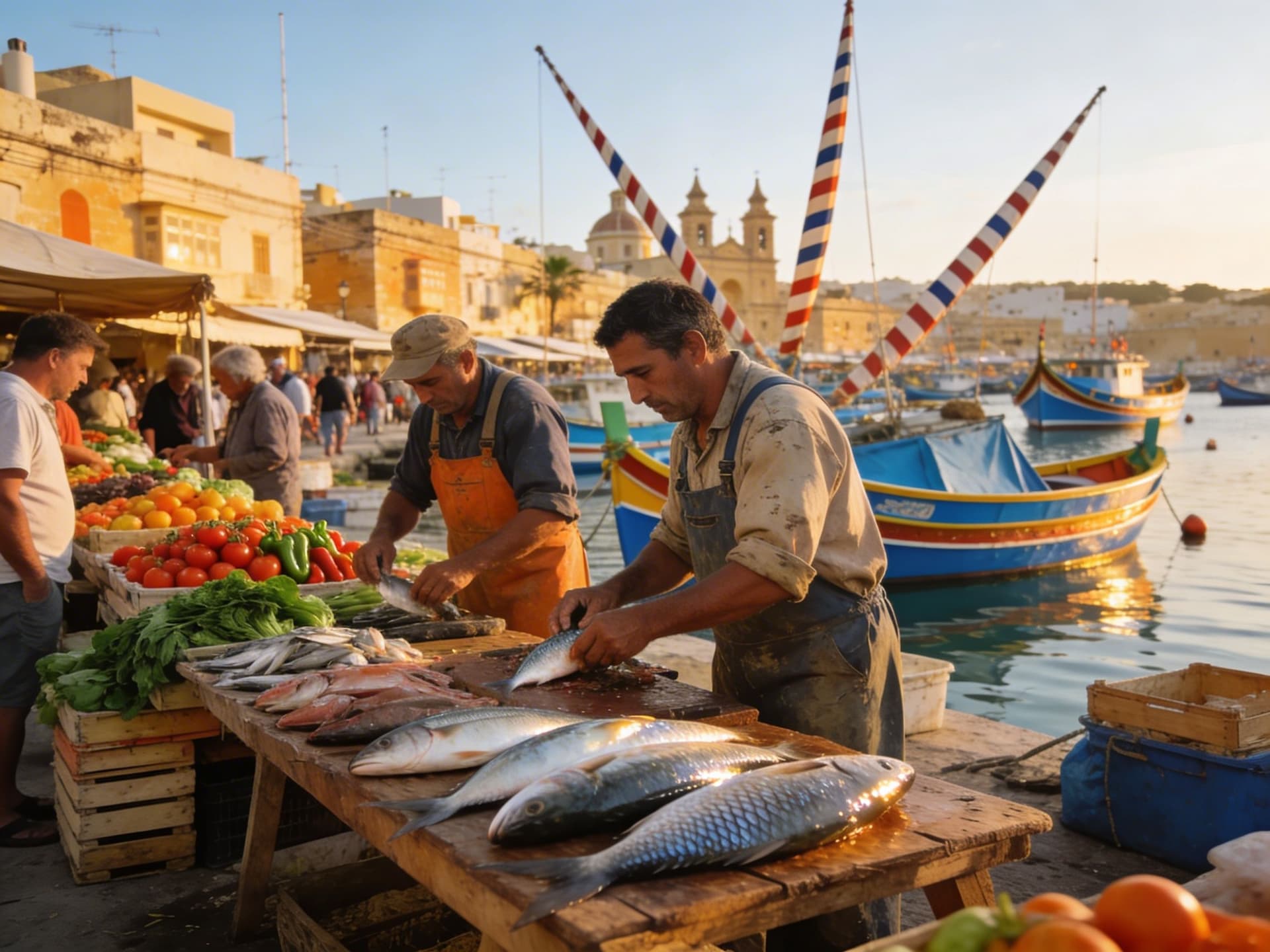
Days here move in seaside cadences: market mornings in Marsaxlokk, late lunches beneath bougainvillea in Mdina’s quiet squares, and evenings where neighbours gather on roof terraces to trade recipes. The island’s human scale means a walkable routine—bakeries, artisan workshops, and harbourside cafés stitch together daily life. For eco-minded buyers, the real pleasure is how traditional materials—local limestone, timber shutters, small vegetable terraces—already lend themselves to low‑impact living when combined with modest retrofits (solar panels, water capture and native planting).
Neighborhood spotlight: Valletta, Sliema, and Gozo’s slow pulse
Valletta is theatrical—baroque facades and narrow paseos—with vibrant cafés like Café Cordina and hidden antiques shops on Old Theatre Street. Sliema and St Julian’s stretch along promenades and offer more contemporary apartment living, morning swims and bustling terraces. Then drift to Gozo for village life: Victoria’s citadel, quiet bays like Ramla, and craftsmen who still carve limestone by hand. Each place shapes how you’ll actually live: Valletta for culture on foot, Sliema for daily seaside ease, Gozo for slow‑season gardening and community rituals.
Food, markets and craft: the sensory map
Maltese kitchens are coastal and seasonal—lampuki pie on market days, ftira with local olives, and sun‑dried tomatoes hanging from balconies in late summer. Visit Marsaxlokk market on Sunday for fish auctions and an honest look at where local flavours begin. Workshops in Paola and Birgu still host traditional boatbuilders and stone masons; these crafts are part of a sustainable aesthetic you can bring into a renovation.
- Morning swims at Balluta Bay; Sunday market at Marsaxlokk; aperitifs on Valletta’s bastions; limestone restoration workshops in Birgu; roof‑terrace gardens in Gżira; quiet walks around Dwejra (Gozo).
Making the move: practical considerations that preserve the lifestyle
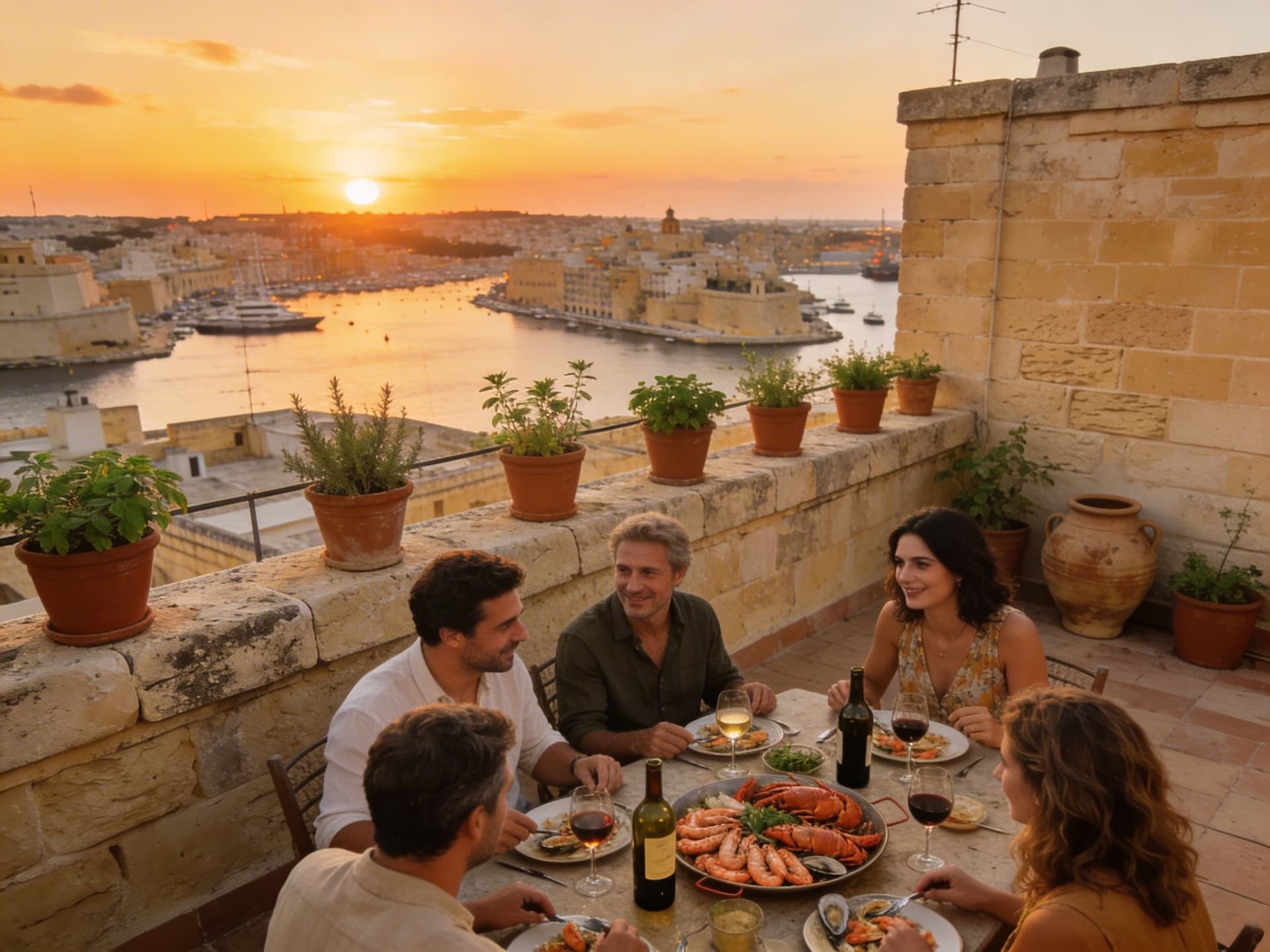
The dream of morning fish markets and rooftop dinners must meet realities: limited plot sizes, strong demand in central districts, and rules that affect non‑EU buyers. Malta’s compactness means neighbourhood choice is a lifestyle decision with immediate impact—choose an old townhouse and you gain charm and a community, choose a modern apartment and you gain convenience and lower maintenance. Both can be adapted to greener living, but planning and the right local partner are essential.
Property styles and what they mean for daily life
Townhouses (often in Valletta, Rabat) have thick limestone walls that breathe—great for passive cooling—yet retrofit complexity can be high. Maisonettes and terraced houses give private outdoor space for herbs and small vegetable plots. Modern apartments in Sliema and St Julian’s offer sea views and ease, but look for buildings with thoughtful insulation, photovoltaic-ready roofs, and rainwater collection potential if sustainability matters to you.
Working with local experts who speak the lifestyle language
- Find a small agency that knows neighbourhood rhythms; ask about contractors experienced with limestone; prioritise agents who can introduce you to local artisans for sympathetic renovations; require energy‑efficiency checks; and insist on walkrounds at different times of day to feel noise, wind and sun patterns.
Insider knowledge: market reality and seasonal timing
Recent official figures show Maltese residential prices rose modestly year‑on‑year (the National Statistics Office reported a 5% rise in the RPPI at the end of 2024), underpinned by steady transaction volumes and population growth that leans heavily on migration. That means competition in central, seafront and well‑connected neighbourhoods remains strong—but value can be found in less obvious streets where traditional craft and slow‑season life reduce asking‑price pressure.
What expats often wish they’d known
You’ll hear that Malta is 'all tourists'—but many towns are quiet outside summer, and that quiet is where year‑round living and community form. Also, English fluency makes everyday integration straightforward, yet social ties are built slowly: invite neighbours for tea, learn a few Maltese phrases, and the rhythm of local life will open up. Finally, hidden costs—stone repairs, roof waterproofing, and seasonal cooling—are small when planned for but can surprise the unprepared.
- Red flags and practical checks: look for these before you sign
- Poor roof membranes (prone to leaks), missing planning permissions for mezzanines or terraces, lack of shaded outdoor space for summer, absence of PV readiness or weak electrical capacity for panels, and properties advertised without clear energy or insulation details.
- Step-by-step: How to preserve lifestyle value when buying in Malta 1) Spend three days in your target neighbourhood at different times of day; 2) Meet local craftsmen and ask for references; 3) Request an energy and fabric survey; 4) Ask your agent for recent comparable transactions; 5) Leave time for sympathetic planning permission if you want renovations.
Longer‑term: imagine the life after move-in—rooftop tomatoes, restored limestone, neighbors who borrow ladders. Many buyers find the most satisfaction by investing in small, sustainable upgrades that honour local craft: reclaimed timber shutters, olive‑wood shelving from Gozo artisans, modest solar panels tucked behind parapets. Those choices keep the island’s character while improving comfort and costs.
Practical data to anchor your decision: Malta’s RPPI rose approximately 5% year‑on‑year at the end of 2024 according to the National Statistics Office, and wider indices show steady upward movement in recent quarters—evidence that demand remains. Population growth tied to migration has bolstered housing use and local services, which supports long‑term livability but also means you should be selective about neighbourhood timing and property condition. (Sources cited below.)
- Next steps for the intentional buyer: visit in off‑season; prioritise neighbourhoods that match daily life (Valletta for culture, Sliema for sea‑access, Gozo for slow living); choose an agent who champions local artisans; schedule a fabric/energy survey; and budget for sympathetic limestone work.
Conclusion: Malta rewards buyers who love place as much as property. Here you buy into neighbourhood rituals—market stalls, roof terrace summer nights, the cadence of church bells and fishing seasons. With local expertise, sensitive renovation and modest sustainable upgrades, your Maltese home can be both an ecological statement and a lived sanctuary. When you’re ready to explore streets where limestone, craft and sea shape day‑to‑day life, a local agency that knows the island’s rhythms will be the truest key.
Moss & HearthDutch property strategist who helped 200+ families find sustainable homes in southern Europe; expert in legal pathways and long-term stewardship.
Related Articles
More insights that might interest you
 Villa Curated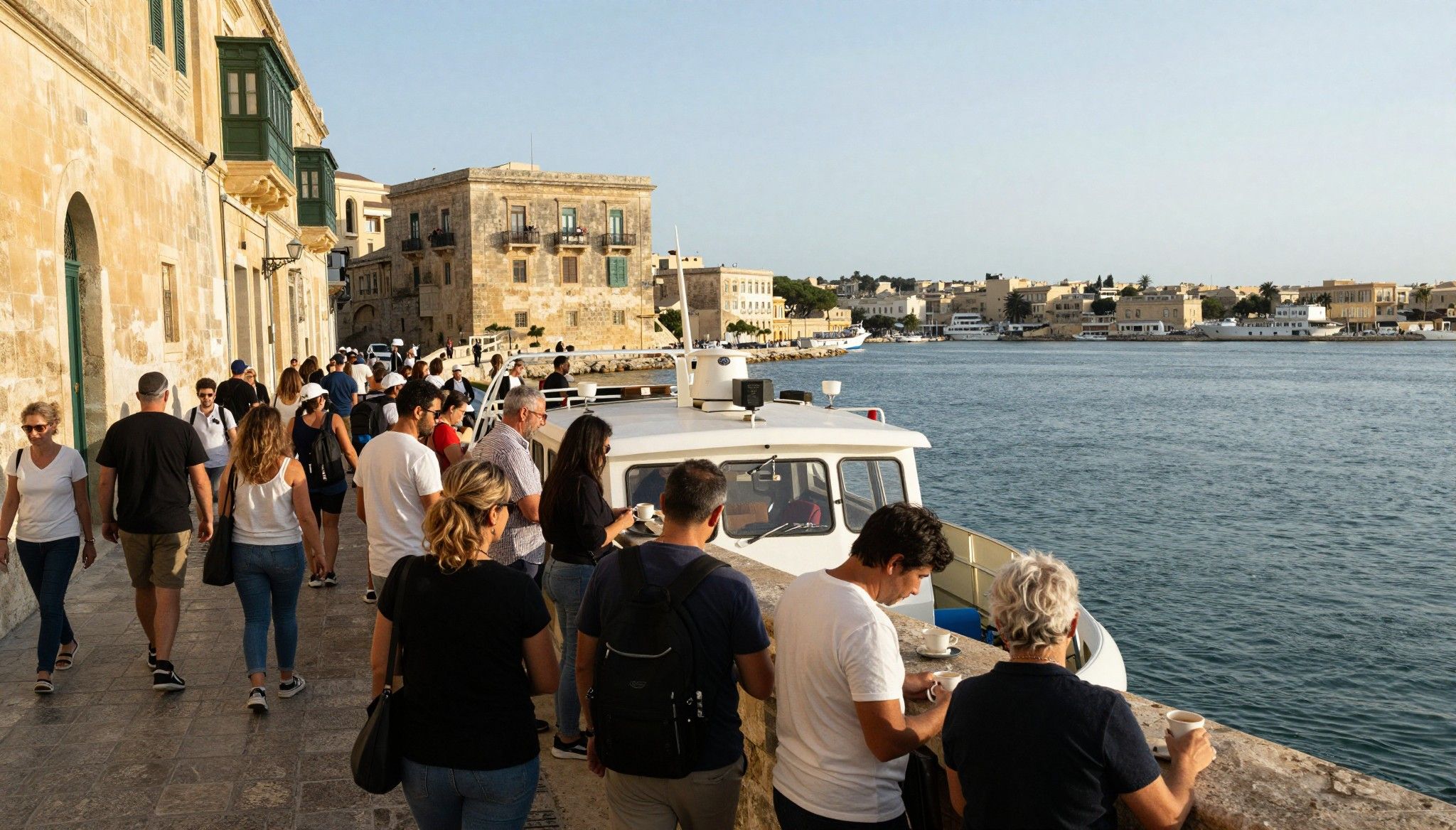
 The Yieldist
 MoveSettleGo
