Italy: When Lifestyle Timing Shapes Market Advantage
Italy’s market blends seasonal life, regional divergence and rising foreign demand — choose neighbourhoods that match how you want to live, then align purchase timing and expert local advice.
 Villa Curated
Imagine walking the narrow morning streets of Trastevere, coffee steam in the air, a fruit vendor arranging figs next to a carved doorway from the 1700s. Now imagine that doorway belongs to a house whose price has quietly appreciated while much of Europe hesitated. Recent market data suggest Italy’s story is not simply about 'romance premiums'—it is about resilient regional markets, shifting foreign demand, and pockets of unexpected opportunity. ANSA and Knight Frank data show rising transaction volumes and selective prime‑market strength; layered on top are local rhythms—markets that pulse with festivals, harvests, and a daily life that shapes how properties are used and valued.
Living the Italy lifestyle: more than scenery
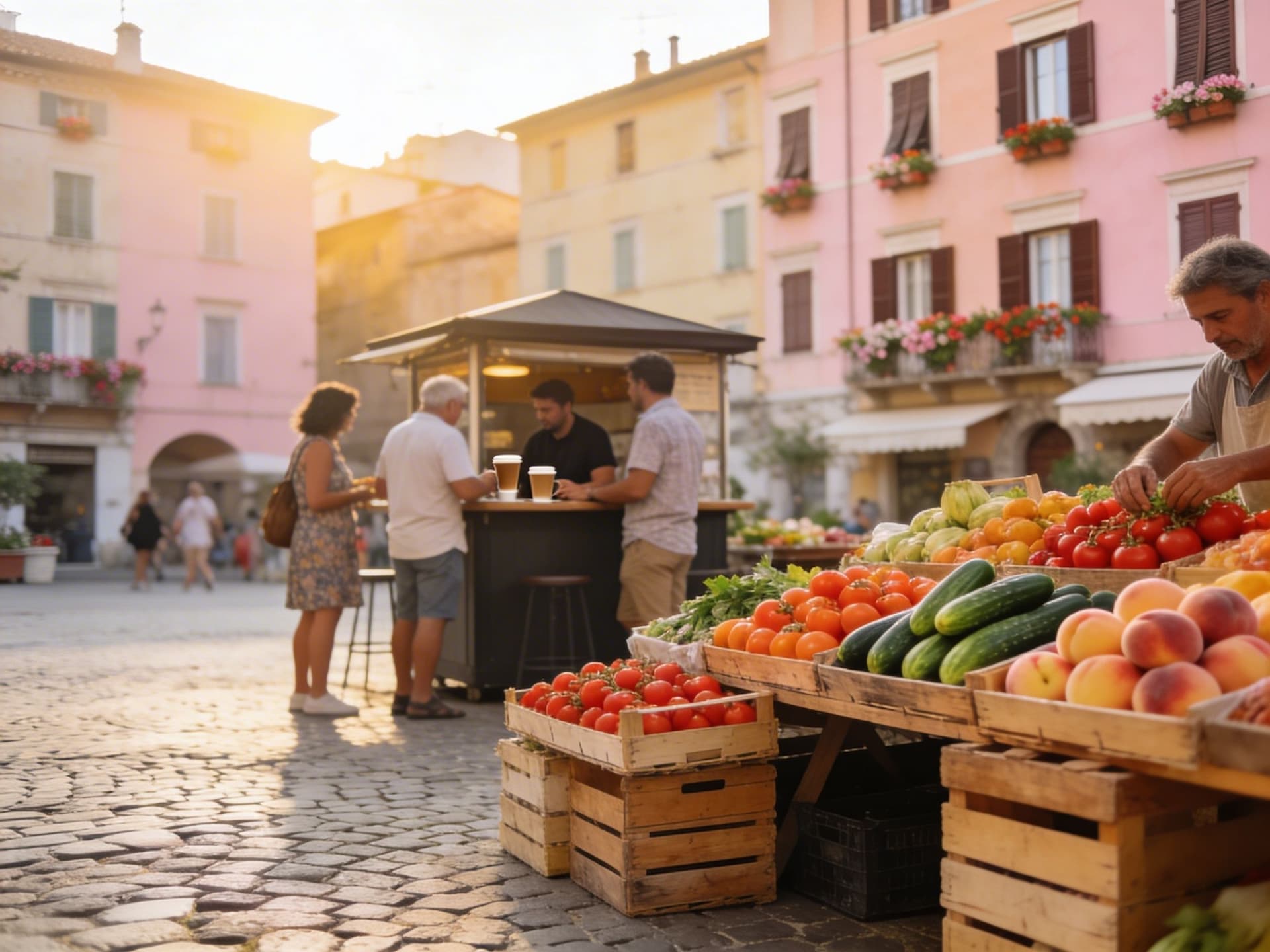
Italy’s appeal begins at street level: morning markets, aperitivo on a shaded piazza, and the slow procession of seasons that recalibrate where people spend time. In cities such as Milan and Florence, contemporary life sits beside palazzo facades; in towns from Lucca to Orta San Giulio, craftsmanship and agrarian rhythms still dictate weekend life. Knight Frank’s recent commentary underscores Tuscany’s renewed draw for wealthy buyers, but the lived experience extends across regions—each with its own tempo and consumption of space.
Neighborhood spotlight: Milan’s Brera and the Navigli stretch
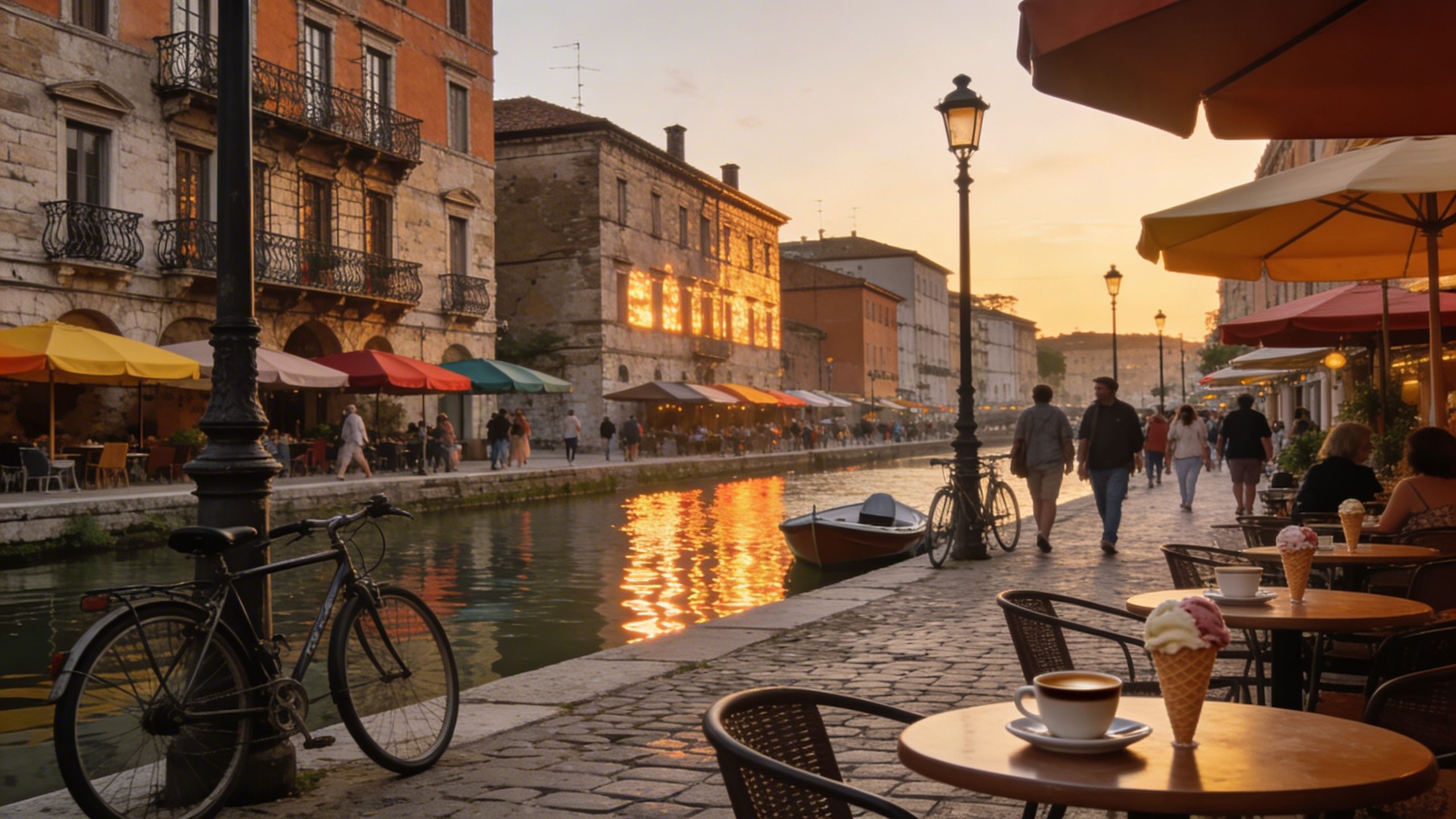
Picture early evening in Brera: narrow lanes lit by warm storefronts, art galleries closing their shutters, and residents drifting toward intimate restaurants. Brera’s cobbled streets reward a life lived on foot; apartments here often retain high ceilings, original parquet, and discrete service staff. Across the canals in Navigli, renovated lofts and canal‑side terraces host a younger, design‑minded community. For buyers drawn to culture and conviviality, these micro‑neighbourhoods offer walkable living with robust rental demand—attributes that translate directly into liquidity and long‑term appeal.
Food, market life and seasonal rituals
From Palermo’s street stalls to the covered markets of Bologna, the cadence of food markets informs where locals spend Saturdays and how properties near them are used. Market proximity in Italy is not merely convenience; it is social capital. Buyers often choose properties with modest square footage but immediate access to markets and cafés because these features sustain lifestyle value and consistent short‑term rental interest during festival and harvest seasons.
Making the move: practical considerations that preserve lifestyle
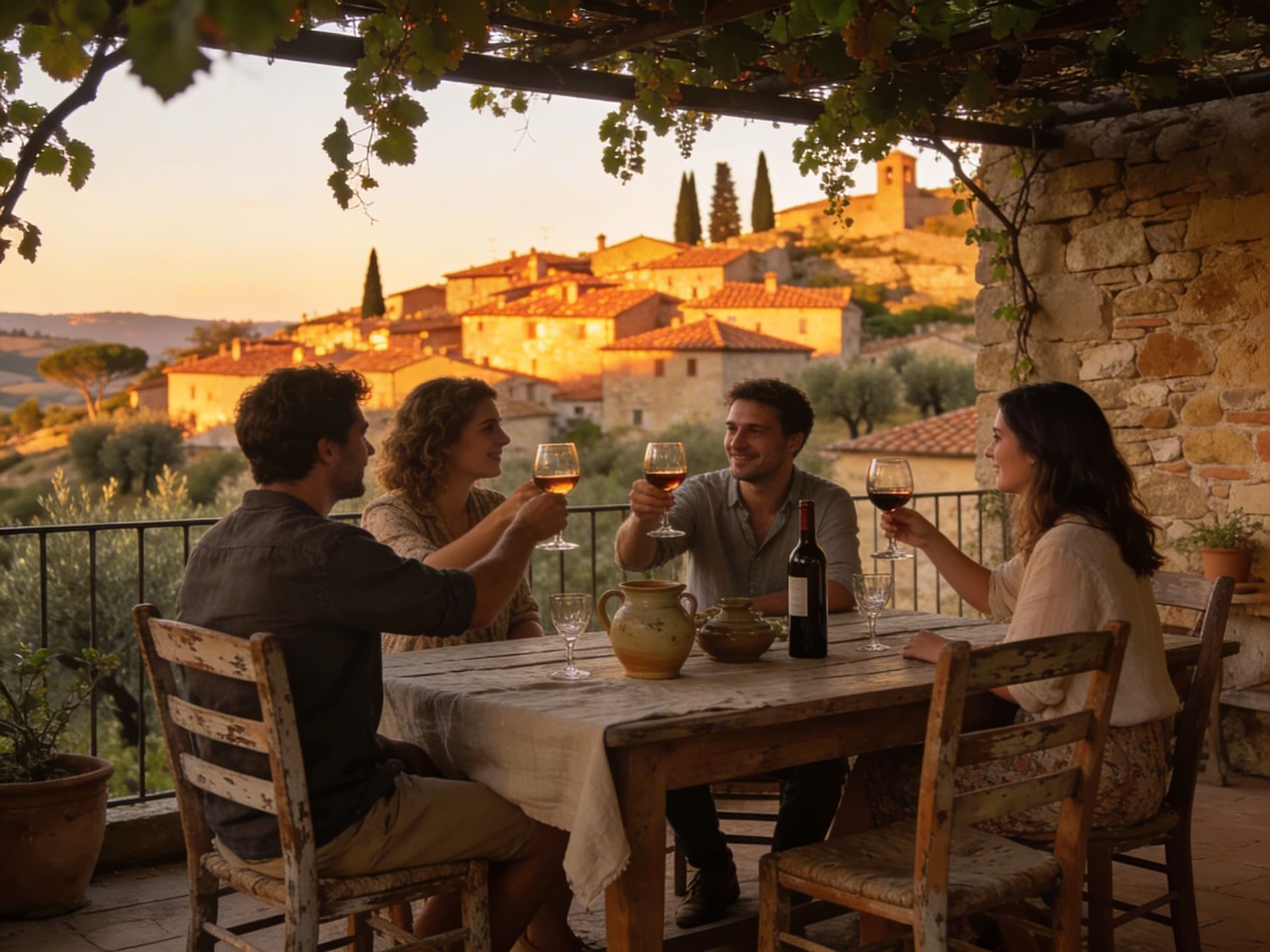
The emotional logic of buying in Italy must meet the arithmetic. Recent reporting from notaries and market platforms shows transaction volumes rising and regional divergence in prices. Understanding where lifestyle amenities intersect with market resilience—rail links, seasonal tourism patterns, and local planning rules—matters more than headline averages. The right local agent will translate daily routines into search criteria: proximity to markets, sun orientation for terraces, and neighbourhoods that come alive in the seasons you value most.
Property styles and their lived consequences
A restored stone farmhouse in Umbria offers privacy and garden life, but responsibilities follow: maintenance, insulation, and seasonal access. A central Florentine apartment confers walkability and cultural proximity but often lacks outdoor space. Newer developments near Milan or Bologna bring superior energy performance and easier logistics for remote work. Buyers increasingly prize energy class, with efficient homes commanding measurable premiums—a practical consideration that enhances comfort and resale value.
Working with experts who curate lifestyle matches
Engage an agent who is fluent in both lifestyle and local process: someone who knows the morning market stallholder in Palermo, the cantina owners in Valpolicella, and the quirks of municipal building permits in Tuscany. These professionals align architectural pedigree with daily life—identifying a secure palazzo elevator that preserves original cornices, or a country house with a credible restoration plan. Their discretion and network save time and protect value.
Insider knowledge: what expats wish they’d known
Expats often report one surprise above all: Italy’s diversity. Neighborhood rhythms differ by a few blocks; a quiet lane can sit beside a vibrant festival square. Timing visits outside peak tourist weeks reveals true neighbourhood character and better negotiation leverage. Data from Kyero and national statistics show improved mortgage conditions and growing foreign buyer presence—advantageous if you approach purchase with local timing and seasonal intelligence.
Cultural integration and everyday practicalities
Learning basic Italian accelerates inclusion: a few phrases at the market, the ability to read municipal notices, or to discuss renovation details with tradespeople. Community life—volunteer circles, local theatre, wine cooperatives—often opens doors more than formal expat networks. These social investments also protect property value by embedding you in the local stewardship culture that maintains neighbourhood character.
Longer view: stewardship, seasonality and resale
Think of property in Italy as an act of stewardship. Smart buyers factor seasonal use, local planning protections, and long‑term upkeep into budgets. Regeneration projects—Genoa’s urban investments, for example—can reframe regional prospects over a decade. When you buy with an eye to maintenance and cultural continuity, you buy into a lifestyle that endures and into a market that rewards considered guardianship.
- Lifestyle‑practical checklist for arrival and purchase
- Step-by-step first visits and decisions
Conclusion: If Italy’s appeal is instinctive, make the practical match with careful local counsel. Begin with lived weeks—walk markets, time visits in off‑peak seasons, and enlist an agent who places lifestyle first. With that alignment, the doorway you fall in love with will also be an asset you cherish and steward for years to come.
Villa CuratedNorwegian with years in Florence guiding clients across borders. I bridge Oslo and Tuscany, focusing on legal navigation, cultural context, and enduring craftsmanship.
Related Articles
More insights that might interest you
 Villa Curated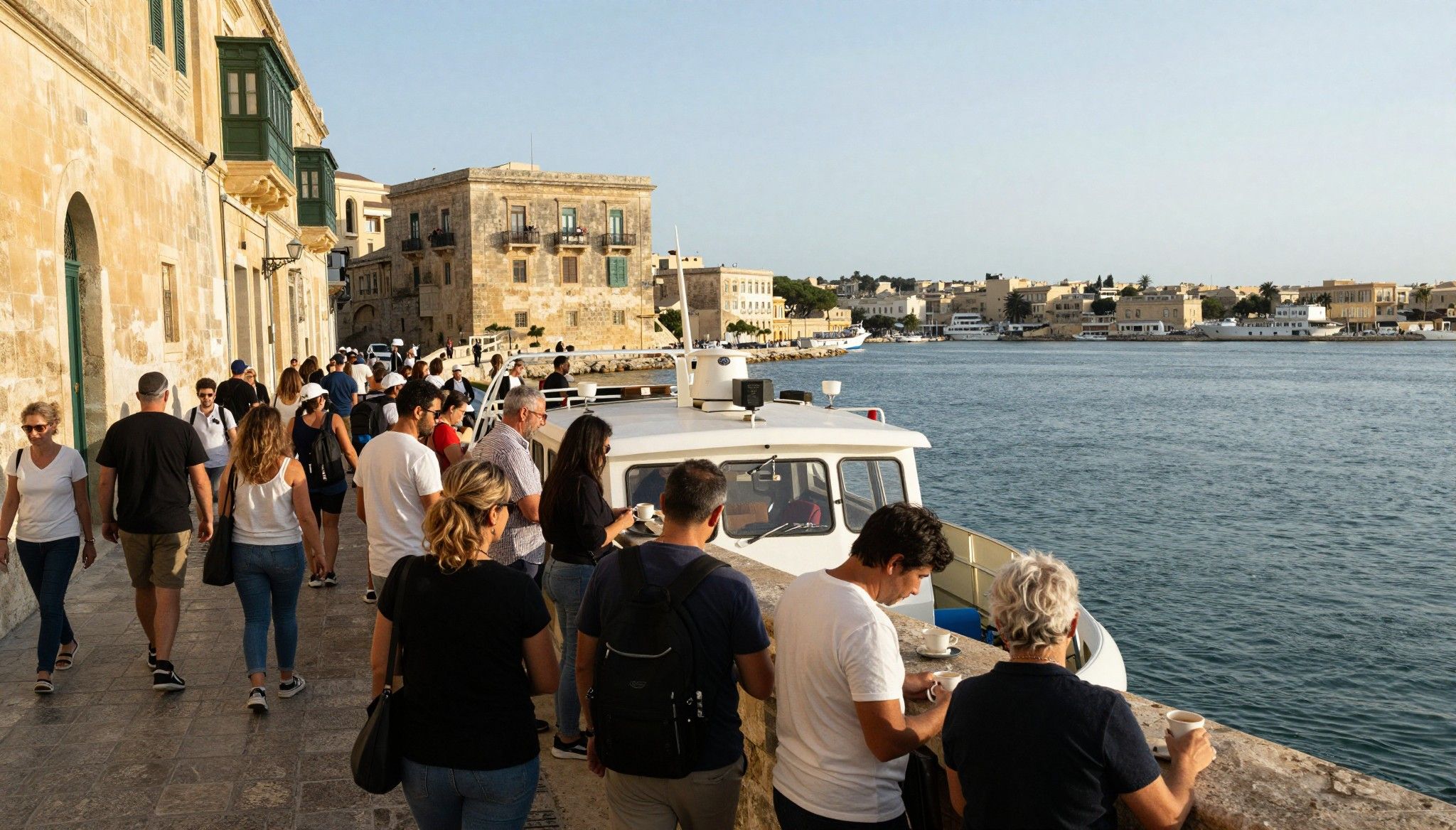
 The Yieldist
 MoveSettleGo

