Buy Where Greeks Live: Real Neighbourhood Truths
Why life-focused neighbourhood choices in Greece often beat view‑first buys: local markets, coworking, and Bank of Greece data guide smarter purchases.
 MoveSettleGo
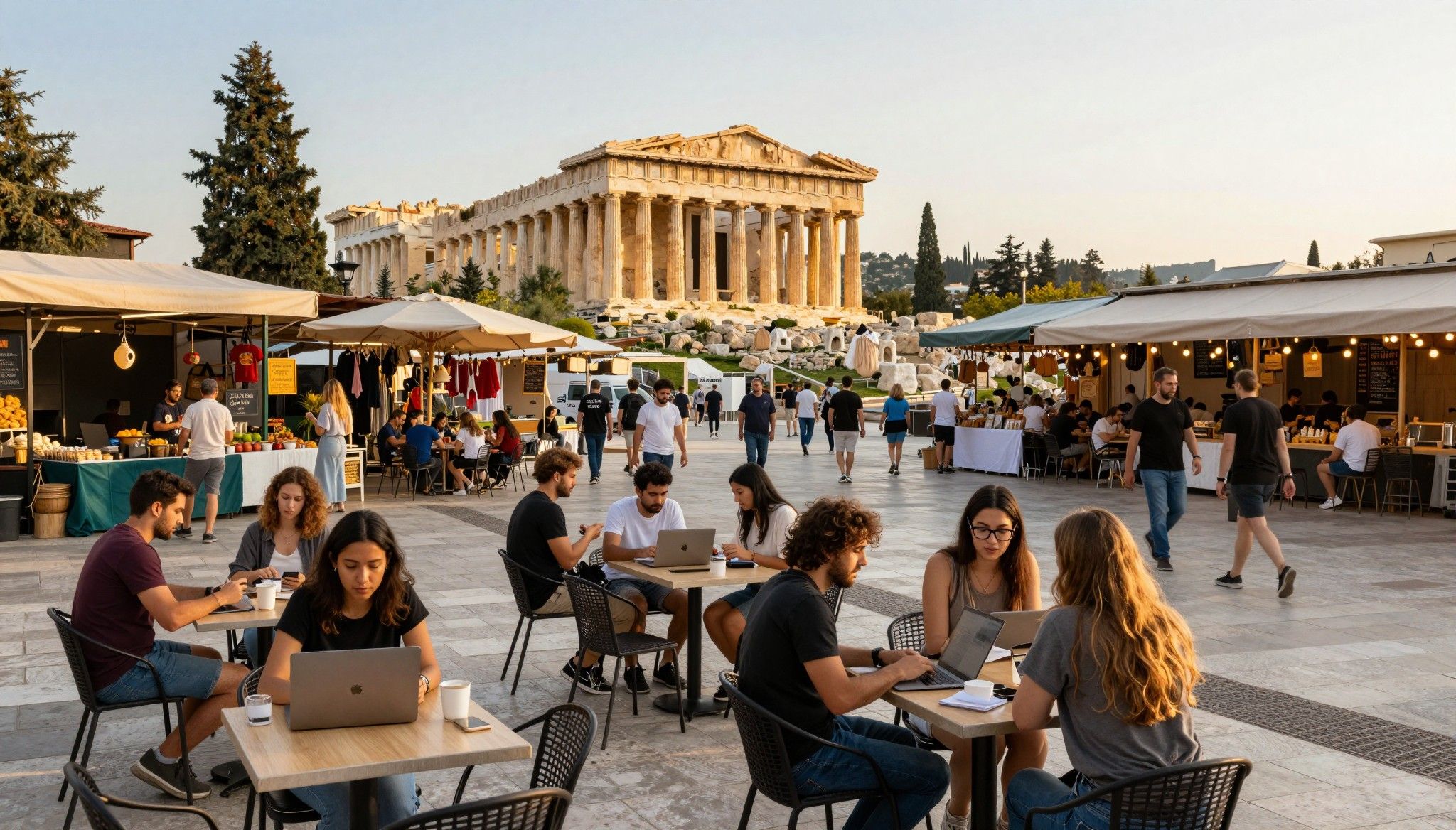
Imagine sipping an espresso at a sun-dappled corner table on Drakou in Koukaki, your laptop open, Peloponnesian light pooling on the pavement. This is daytime Athens — messy history, fresh markets, motorbikes threading between tavernas — and it’s precisely where the myth of “expensive Greece” falls apart. Many international buyers think the islands define prices, but city neighbourhoods, underrated suburbs and second‑tier islands often give more lifestyle for less cost. Below, I’ll show you neighbourhood choices that feel like the real Greece and back them up with market data and local tips so you can buy with both heart and sense.
Living the Greece life — mornings, markets and rhythms
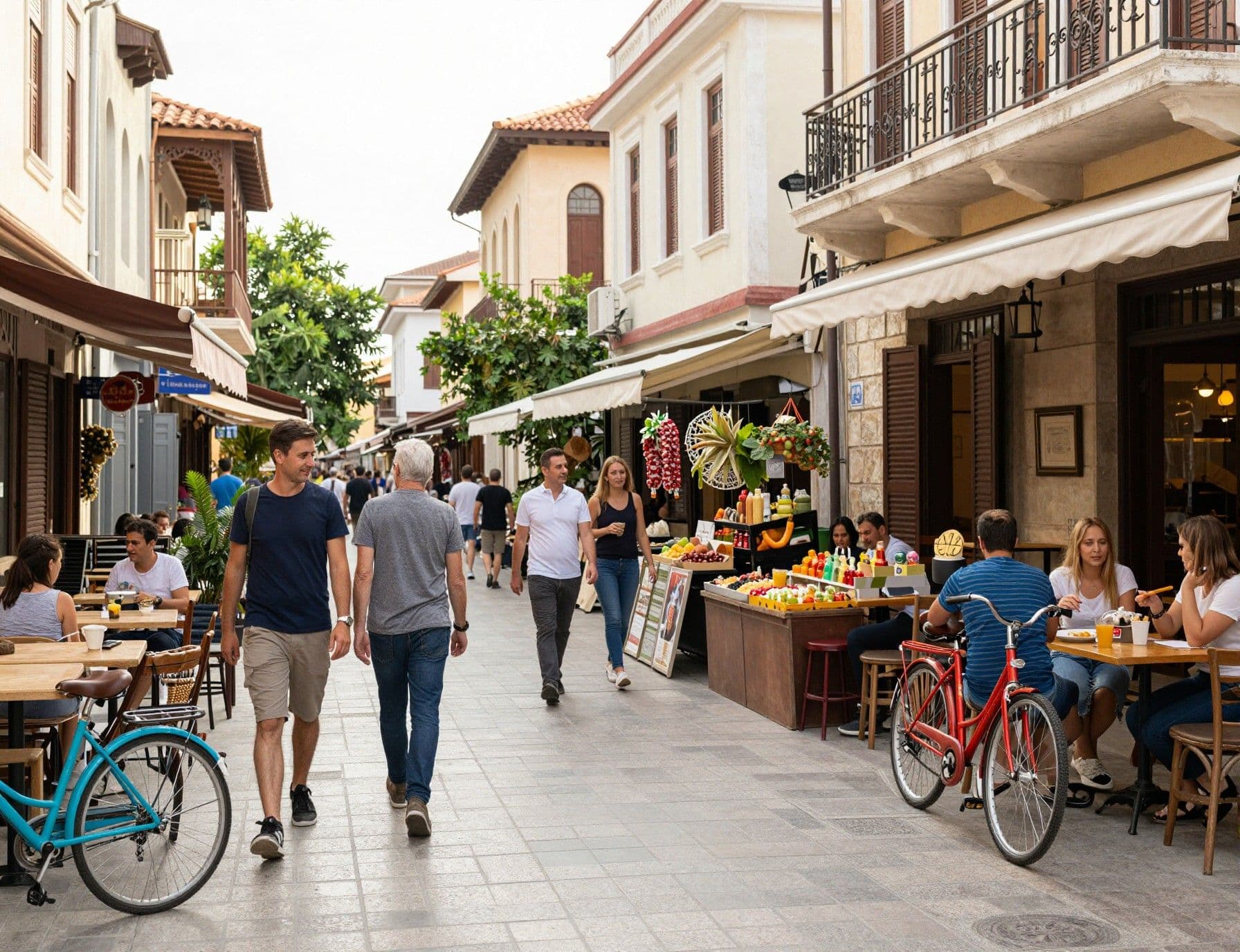
Greece moves at a warmly human pace: mornings at bakeries, long cups of coffee, siesta-style slow afternoons in summer and evenings that start late and spill into the night. Neighborhood life matters here — you don’t just buy a home, you join the corner taverna, the Sunday farmers’ market and the local gym. For nomads and remote workers, that rhythm means seeking neighborhoods with cafes that plug in laptops, reliable internet and a sense of belonging rather than pure postcard views. I lived in Pangrati for a year and learned that your daily happiness often comes down to one perfect bakery and one reliable coworking spot.
Athens neighbourhood spotlight — Koukaki and Pangrati
Koukaki feels like a village under the Acropolis: pedestrian lanes, family-run tavernas and Friday vegetable markets where locals buy produce. Pangrati sits closer to the city’s cultural institutions and has lively squares, a growing café scene and long-time residents who’ll welcome newcomers. Both areas offer the walkability and cafe-work-friendly energy nomads crave, yet they’re often cheaper per square metre than beachfront towns where views drive a premium. If you want to be in the pulse of everyday Greek life — not the tourist loop — start your search here.
Food, markets and the social palette
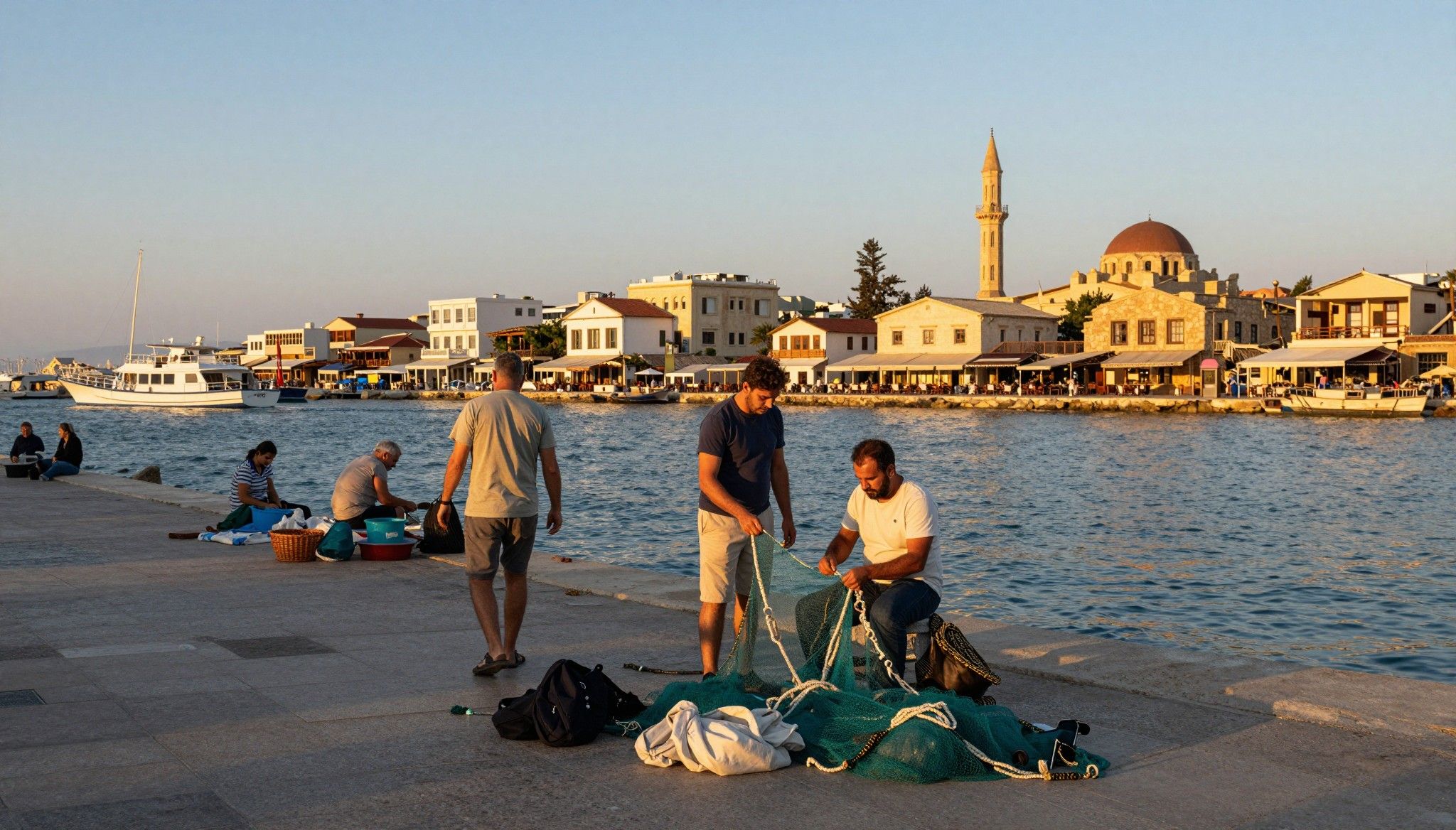
Picture mornings at Varvakios Central Market picking octopus and herbs, afternoons at a kiosk sipping freddo espresso, and evenings grazing through meze plates in Psyrri or Thissio. Food shapes neighbourhood life here — tavernas, bakeries, and little fish shops become social anchors that make a district feel like home. For buyers, proximity to markets and neighbourhood cafés matters more than a sea view when it comes to daily joy and rental appeal. Seasonal festivals and open-air concerts add layers: buy a place near a square, and you’ll rarely be short of reasons to meet people.
Daily lifestyle highlights: • Morning bakery runs at Varvakios (Athens Central Market) • Coworking at small local hubs in Koukaki or Glyfada • Sunset walks on Filopappou Hill or the Athens Riviera promenade • Weekend farmers’ markets in Kypseli and Pangrati • Tsipouro nights in Psyrri’s narrow lanes • Seasonal open-air cinema and cultural festivals
Making the move: practical considerations that keep the lifestyle intact
The good news: prices are rising nationally but unevenly. The Bank of Greece reports continued house-price growth in recent quarters, driven by urban demand and limited supply. That means timing and neighbourhood choice matter: buying in a well-connected residential area can lock in value while giving you a richer daily life than a high‑season tourist hotspot. Use official indices to compare macro trends, then layer in neighbourhood-level factors like walkability, internet infrastructure and local amenities before making offers.
Property styles and how they fit your day-to-day
In Athens you’ll find neoclassical apartments, modernist blocks, and renovated lofts — each shapes everyday life differently. A restored neoclassical flat often means high ceilings and character but narrower kitchens and trickier insulation; modern builds give you better energy performance and dedicated workspace options. On the islands, whitewashed stone houses offer romance and outdoor living but sometimes lack reliable high-speed internet and year-round services. Match the property type to how you work: if you need a quiet home office, prioritise interior layout and soundproofing over a balcony view.
Working with local experts who understand the lifestyle
1. Find agents who know the neighbourhoods locals live in, not just the view-heavy listings. 2. Ask for lists of day-to-day amenities — bakery, pharmacy, coworking, metro stop — and verify them by visiting or street-view checks. 3. Check internet speed tests in the exact building and ask sellers for recent bills or provider names. 4. Hire a bilingual notary or lawyer who can explain clause-by-clause and translate cultural norms around deposits and negotiating. 5. Use official data from the Bank of Greece and ELSTAT to verify price trends and household cost patterns before finalising budgets.
Insider knowledge — what expats wish they'd known before buying
Real talk: Greeks pick neighbourhoods for community, not for capital appreciation alone. That cultural priority changes how blocks feel in everyday life — you’ll find communal courtyards, older neighbours who look out for each other, and shopkeepers who remember names. Seasonal swings are real: many islands quiet down heavily in winter and that affects maintenance, rental yield seasonality and local services. Learn the seasonal pulse of your chosen area so you can plan for empty streets in January and packed squares in July.
Integration, language and community
You don’t need fluent Greek to belong, but a few phrases open doors — and hearts. Join local clubs, volunteer at markets, or take a cooking class to meet neighbours. Expat meetups and coworking spaces in Athens and Thessaloniki are excellent bridges into local life. Expect bureaucracy to be slower than you’re used to; patience and a friendly in-person approach smooth many processes that online forms won’t.
Long-term lifestyle and property maintenance
Tips for long-term happiness: • Budget for seasonal maintenance — many properties need check-ups after winter storms. • Confirm building management and reserve funds for communal repairs. • Buy close to reliable healthcare and year-round transport if you plan long stays. • If renting out, expect strong summer demand but plan for winter vacancy on islands. • Prioritise a workable home office when remote income is your main lifestyle driver.
Conclusion — fall in love, then fact-check. Greece will seduce you with light, food and neighbourly life, but the smartest moves come from pairing that romance with data and local know-how. Start your search in lived-in neighbourhoods like Koukaki, Pangrati or Kypseli; check Bank of Greece and ELSTAT data; and work with an agent who understands both the market and everyday Greek rhythms. Book a few long-weekend visits, try living like a local for a week, and then make offers that protect your lifestyle — not just your portfolio.
MoveSettleGoDanish investor and relocation advisor focusing on Portugal and the Algarve; loves coworking culture and expat networks.
Related Articles
More insights that might interest you
 Villa Curated
 Villa Curated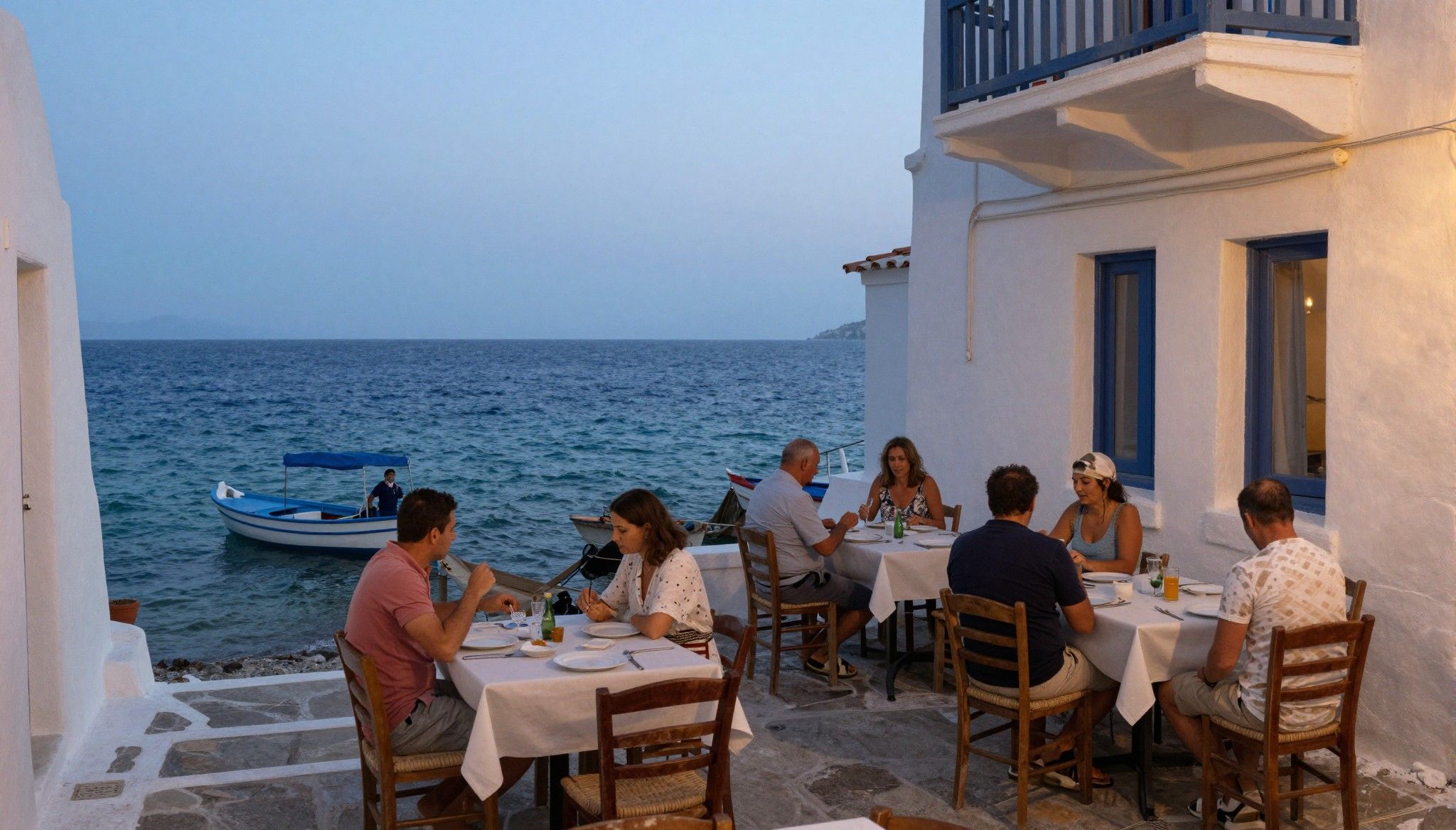
 The Yieldist

