Life, Streets and the Notaire: Buying Property in France
Fall in love with French streets and markets—then secure the life with precise legal steps: notaire instruction, tax clarity for non‑residents, and expert local advice.
 Villa Curated
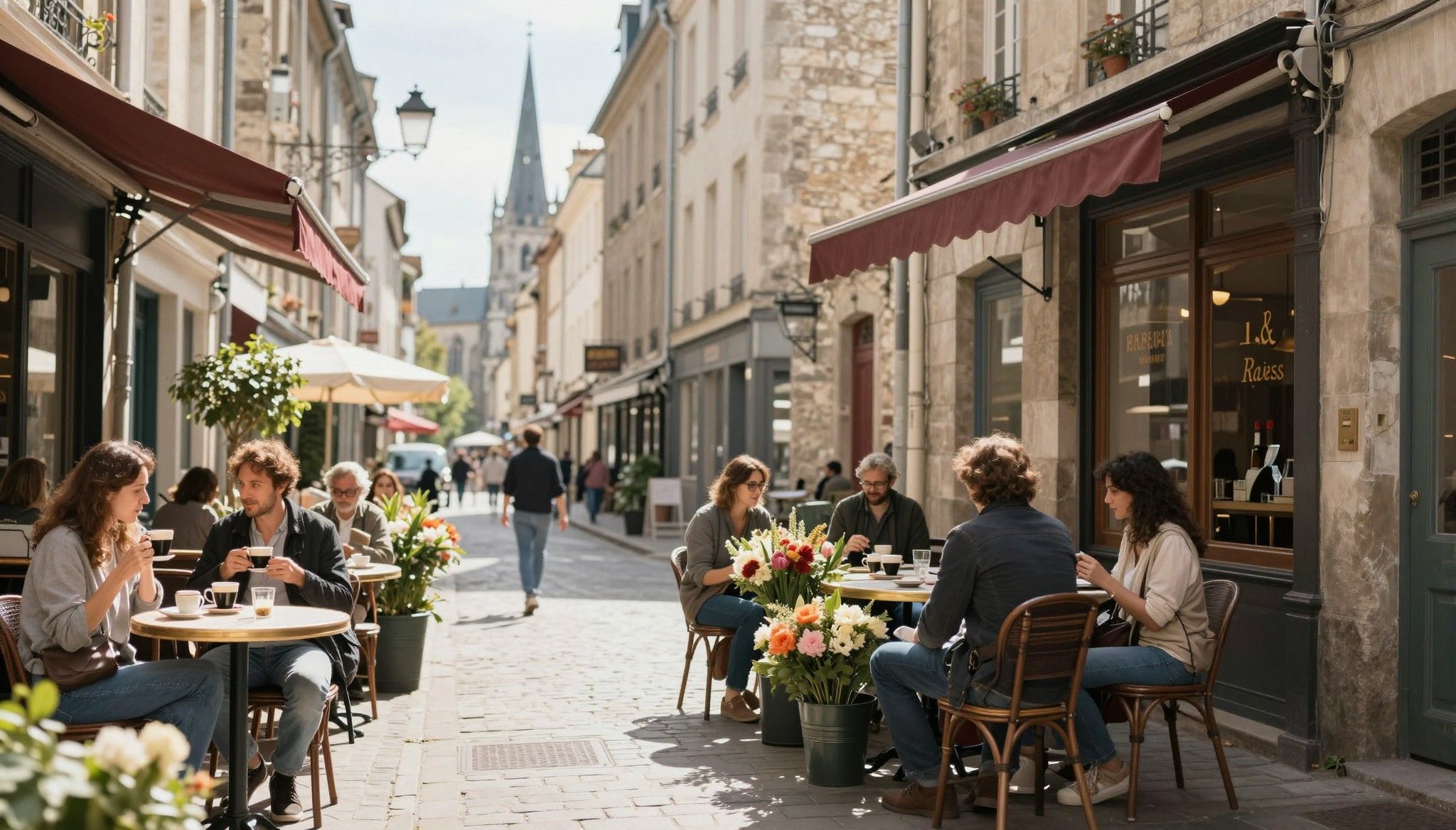
Imagine morning light spilling through tall windows onto a narrow rue in Aix‑en‑Provence, the boulangerie scent mixing with the distant clink of café cups. In France, daily life is built around neighbourhood rhythms—markets on Saturday, a late weekday dinner, a weekly marché where your butcher knows your name—and that cadence is often the reason buyers choose this country. For international buyers, the romance of place arrives first; the legal and fiscal steps follow, and when handled with care they allow the life you imagine to be reliably yours. This piece pairs those two impulses: the sensory pleasure of French life with the precise legal realities that protect it, drawing on guidance from local notaries and official tax sources.
Living the French life: streets, seasons and neighbourhoods
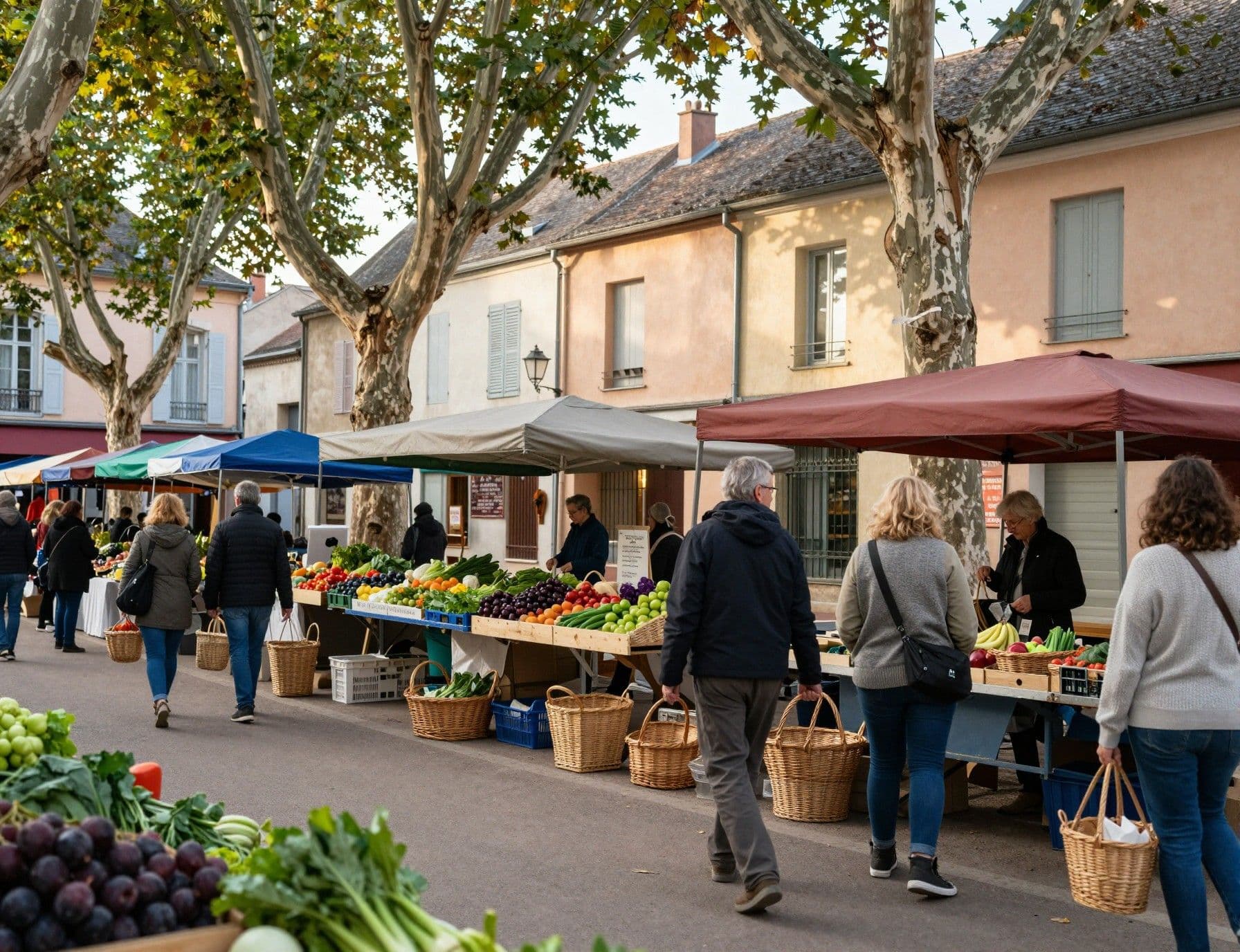
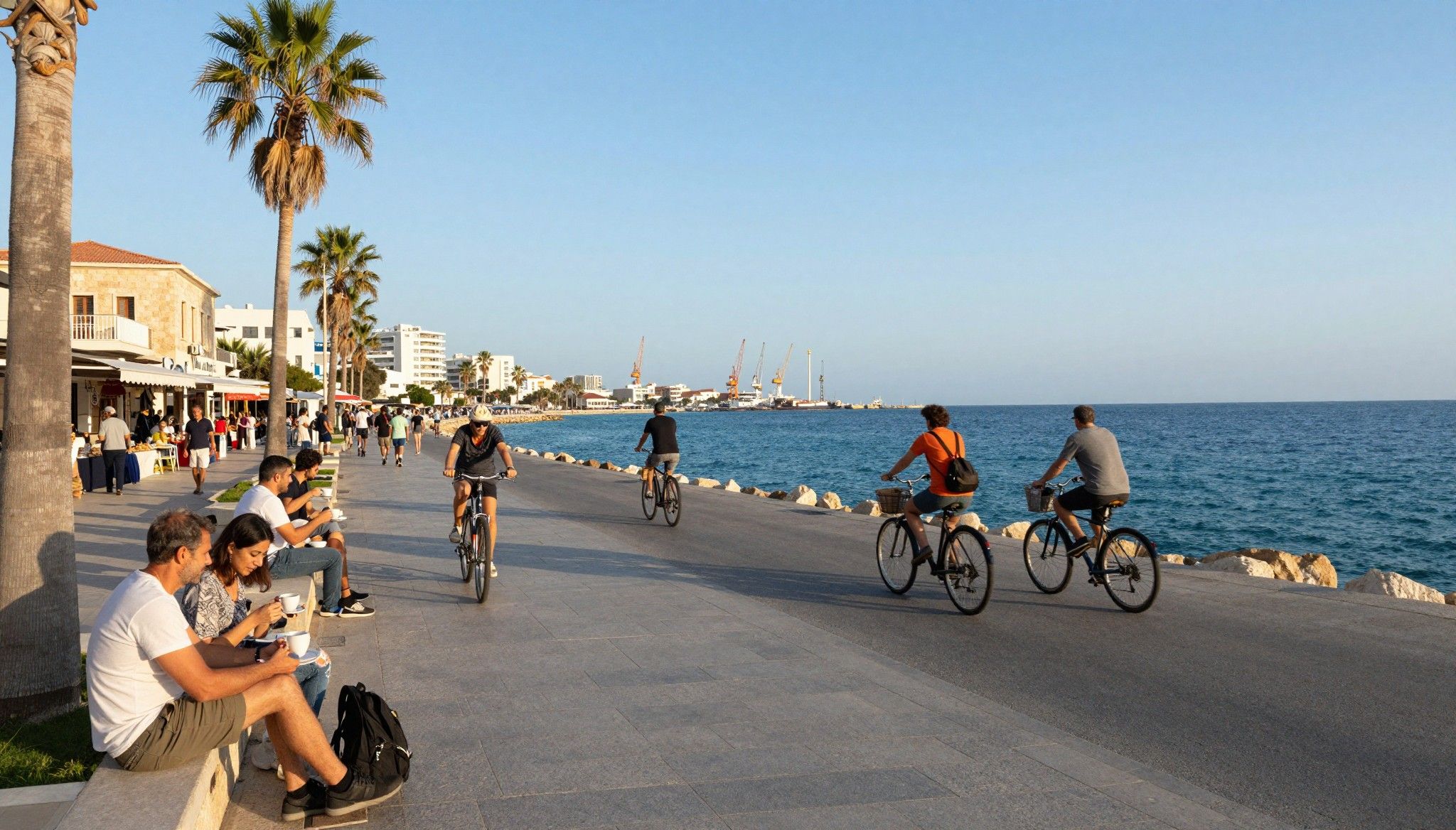
To live in France is to live in a sequence of small rituals that vary by place: in Paris you move between boulangeries and galleries, in Bordeaux weekends orbit marchés and wine bars, and on the Côte d'Azur mornings begin with a walk along the promenade before the light becomes too hot. The feel of a neighbourhood—stone thresholds in the Marais, plane‑tree boulevards in Lyon, the shaded courtyards of Provence—shapes what home means: a townhouse for quiet domesticity, a farmhouse for gardened solitude, an apartment with winter light for urban life. Knowing which rhythm suits you matters because it determines the property type you seek, the district you will tolerate commuting in, and the costs you should expect. Local rituals also guide practical needs: storage for market baskets, space for épicerie runs, a utility layout that supports seasonal heating.
Neighbourhood spotlight: Le Panier to Le Vieux Nice
Walk Le Panier in Marseille at dawn and you will see artisans sweeping shop thresholds and sea air thick with the smell of grilled sardines; across the coast in Le Vieux Nice, pastel façades and the Cours Saleya market set a daily theatre of fruit sellers and local chefs. These neighbourhoods reward buyers who value immediate street life and short walks to cafés, but they also carry practical consequences: a historic façade might mean listed‑building constraints, narrow stairs restrict large deliveries, and communal estate rules affect renovations. When you fall for the texture of a street, ask an agent to map visible constraints—heritage listings, copropriété regulations and municipal planning notes—before making an emotional offer. The life you buy is inseparable from these small rules.
Food, markets and the seasons that shape property life
The rhythm of markets—morning stalls in Sarlat on Saturday or the fish stalls of Lorient on Thursday—dictates how you use storage, cook, and socialise. Seasonal life in France alters mobility and costs: coastal homes rise in utility and service use in summer while rural properties can be quieter and more exposed to winter maintenance needs. Think practically: a weekend kitchen designed for market shopping, insulation and heating suited to inland winters, and access roads kept clear in snow if you choose higher elevations. These choices affect long‑term stewardship: good maintenance preserves stone and timber, and tells the story of care buyers prize in resale.
Making the move: practical legal and fiscal considerations
Romance notwithstanding, there are firm legal steps that international buyers must complete to make property ownership durable. France places the notaire at the centre of the transaction: a public officer who prepares the acte de vente, verifies title, and registers the transfer—buyers may instruct their own notaire and share fees with the seller's notaire. Tax obligations follow ownership: local property taxes (taxe foncière), possible taxe d'habitation on secondary residences in some municipalities, rental income rules for lettings, and capital‑gains regimes on future sales, all of which differ for non‑residents. For certainty, consult both the notaire and the official tax site early in the process; their guidance frames financing, structuring through an SCI or company, and succession planning.
Property styles and what they offer your everyday life
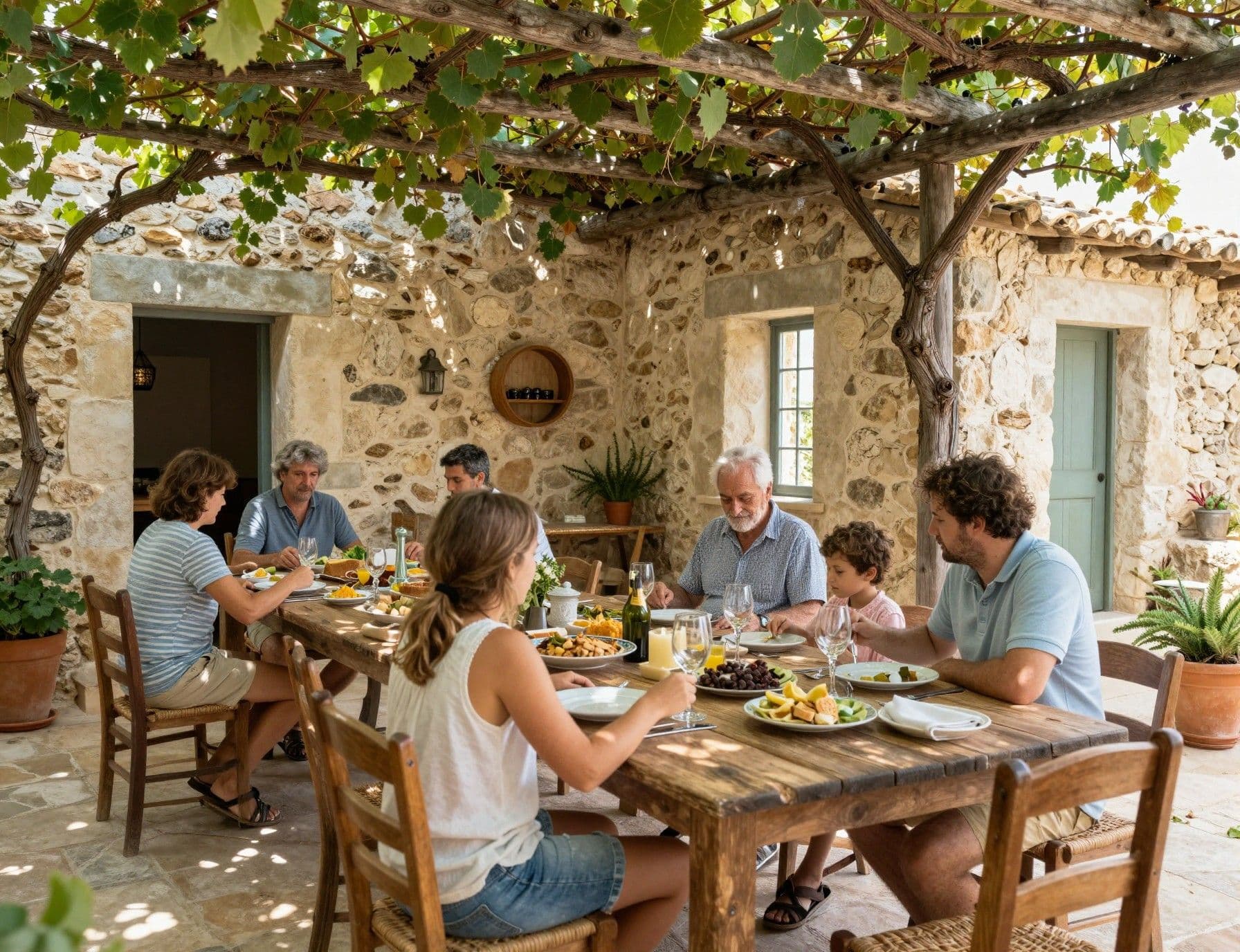
A stone mas in Provence gives you terraced gardens and thick walls that temper heat, but it also requires specialised masonry care and may be subject to countryside planning rules. An urban hôtel particulier offers high ceilings, moldings and a central address; consider copropriété charges, syndic management, and the formalities of shared staircases. A contemporary villa on the Riviera supplies seamless indoor‑outdoor living but may trigger landscape rules and higher running costs; confirm pool, water and waste permissions. Match architectural type to routine: if market visits and outdoor meals matter most, a ground‑floor entrance and storage will matter more than an extra bedroom.
Working with local experts who preserve the lifestyle you imagined
- Commission a notaire early and engage a local architect or surveyor for older properties. Appoint an English‑speaking fiscal advisor if you are non‑resident to translate French tax obligations and advise on structures such as an SCI. Ask your agent for examples of similar purchases they completed and request references from recent international clients. Factor in a French bank or mortgage broker who understands non‑resident lending criteria and guarantee instruments. Insist on a written timeline for the seller’s disclosures, building diagnostics (DPE, termite, lead where relevant) and precise estimates of transfer taxes and notarial costs.
Insider knowledge: what expats wish they'd known sooner
Experienced expats often cite a few recurring lessons: plan for year‑round costs rather than summer peaks, verify historical maintenance records for older houses, and understand that French succession law can affect how you structure ownership. Non‑residents who sell may face capital gains at a base 19% plus social charges, with taper relief over long ownership periods; for precise thresholds and obligations, official sources remain essential. If you intend to rent, local rules and registration requirements differ by city—Paris and several large towns require specific authorisations and sometimes a registration number for short stays. Early clarity prevents surprises and preserves the life you bought.
Cultural integration and daily practicalities
Learning a few local phrases, attending the marché and joining a local association will accelerate belonging more than any design choice. Practicalities—postal arrangements, utility registration, and understanding local opening hours—shape the first six months of settlement. Local norms matter in renovation: mairie permissions, architect approvals for listed façades, and the expectations of neighbours in a petit lotissement. Agencies that excel in France act as cultural translators as much as property finders, smoothing paperwork and preserving the subtle etiquette that makes life here pleasurable.
Red flags experienced buyers look for
- Unclear boundaries or missing cadastral plans; incomplete building diagnostics (DPE, plomb, amiante); unusually low price with suggested urgent sale—these merit caution. High copropriété charges without transparent accounts indicate deferred maintenance and future assessments. Heritage constraints that block necessary modernisation (heating, insulation) can dramatically raise long‑term costs. Water access and drainage in rural plots are frequently underestimated and expensive to resolve. Absent or imprecise planning permissions for extensions often derail renovation plans and budgets.
A final note on taxes and representation: if you are a non‑resident selling property above statutory thresholds you may be required to appoint a fiscal representative in France to manage declarations and payments. Official guidance from the tax authorities explains when representation is mandatory and how social charges apply, so include this step in any exit plan. For buyers seeking stewardship rather than speculation, structuring ownership—individual, SCI, or corporate—should follow advice from both a notaire and a cross‑border tax adviser. These steps protect the life you create in France and ensure its value passes to the next generation with clarity.
Practical next steps to begin (a simple checklist)
- 1. Visit the neighbourhood at different times of day to confirm the lifestyle rhythm. 2. Instruct an independent notaire to review title and diagnostics before offers. 3. Obtain a written estimate of taxes and notary fees from your notaire. 4. Consult a fiscal adviser about non‑resident tax treatment and the merits of an SCI. 5. Request past maintenance and copropriété accounts; budget for deferred works. 6. Arrange a French bank contact or mortgage broker if you require financing.
Conclusion: where the life and the legal meet
France rewards those who pair discernment with patience: a careful purchase conserves both a lifestyle and an asset. Engage local experts early—an independent notaire, a fiscal adviser and an agent who knows the street rather than just the postcode—to translate atmosphere into durable ownership. When the paperwork is right, the morning walks, marché conversations and slow dinners settle in as the true return on your investment. If you want a short introduction to trusted notaires or fiscal advisers in your chosen region, an agency that prioritises stewardship can provide vetted contacts and example case studies to start the conversation.
Villa CuratedHaving moved from Stockholm to Marbella in 2018, I help Scandinavian buyers navigate Spanish property law, restoration quality, and value through authentic provenance.
Related Articles
More insights that might interest you
 Villa Curated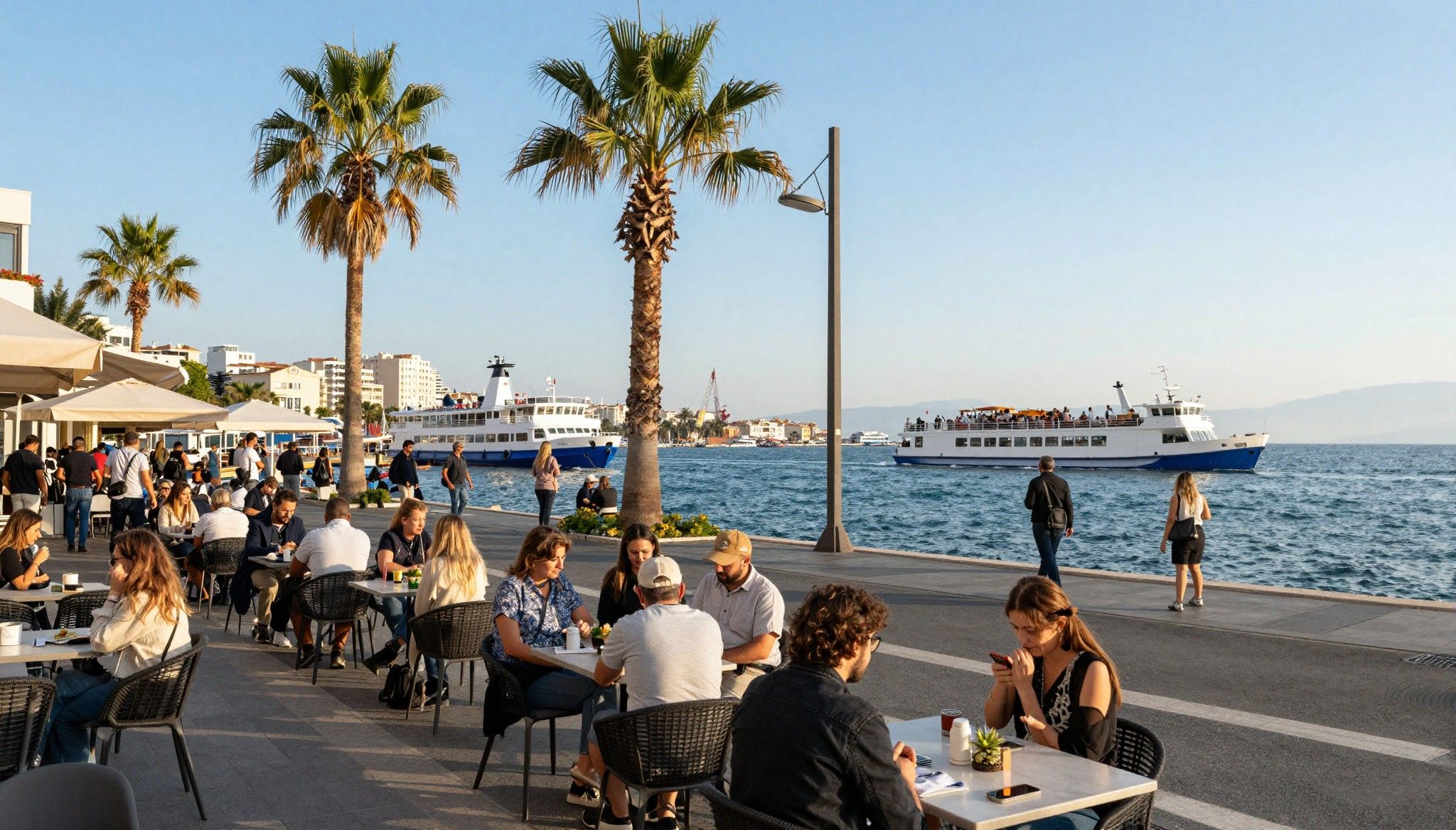
 The Yieldist
 The Yieldist


