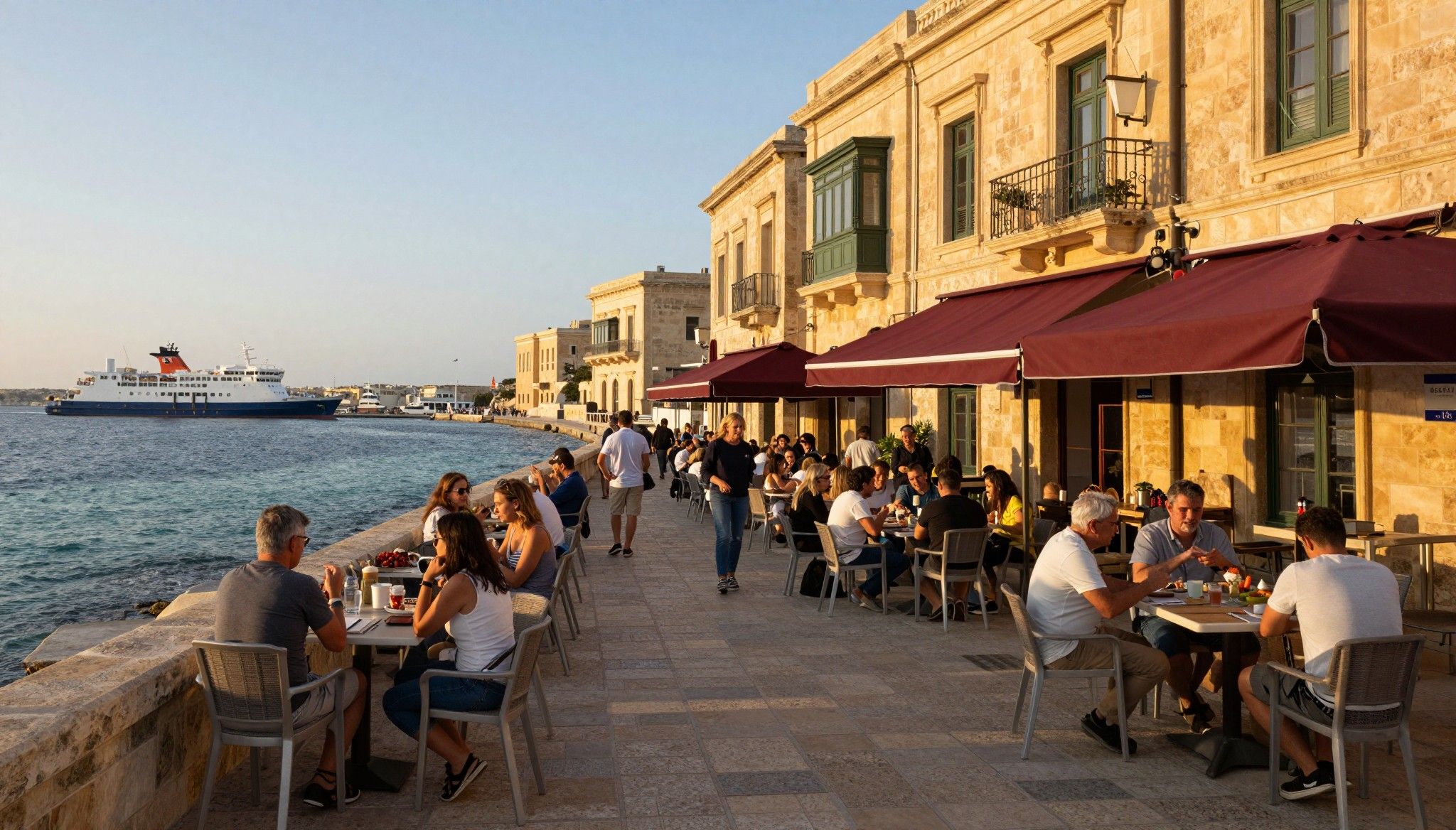
Where Locals Buy: Malta’s Neighbourhoods That Outperform Seafront
Think beyond seafront spectacle: Malta’s best long‑term value lies in streets locals choose — inner towns, townhouses and houses of character that offer lifestyle and stewardship.
 Villa Curated
Imagine an autumn morning in Ħamrun: espresso steaming at a tiny bar, laundry folded on wrought‑iron balconies, a neighbour calling to ask about the market. Malta’s compactness means such domestic scenes are never far from the sea; they are the reason many international buyers fall in love with the island. Yet much of the sales chatter still hips buyers toward showy sea views and Valletta facades. For discerning buyers who prize provenance and lived life over postcard spectacle, there are quieter streets — and better long‑term value — in places locals actually choose to live.
Living the Maltese Life: More Than a View
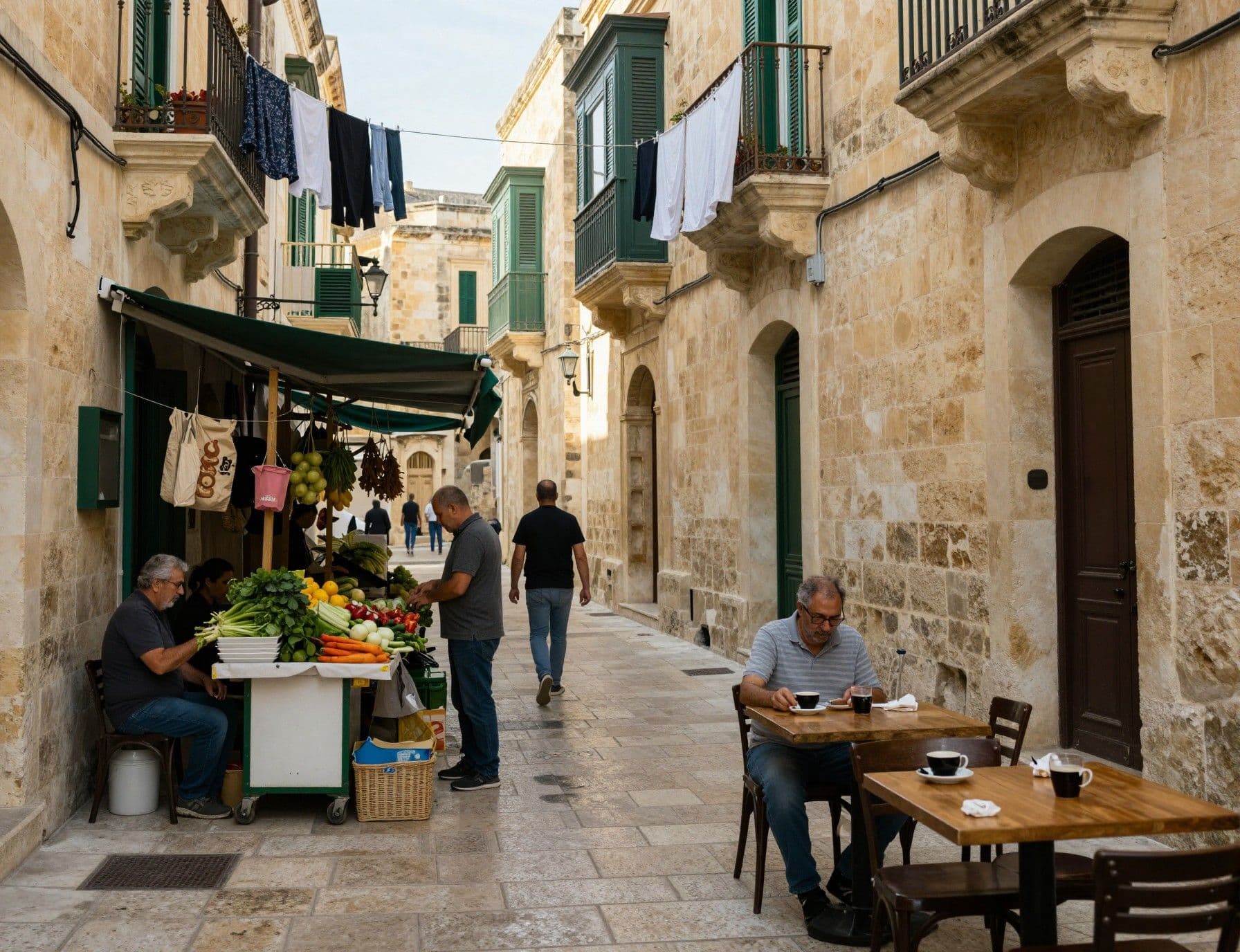
Daily life in Malta moves at Mediterranean tempo: morning markets and late dinners, neighbours who know each other’s names, streets that hum with domestic ritual. In recent months transaction volumes have risen and sales are spreading beyond headline seafronts into inner towns where families and professionals buy — a trend reflected in official transaction data. Living here often means choosing a rhythm and an address that sustain it, rather than a vista that only impresses on arrival.
Valletta & Sliema: The obvious attractions
Valletta commands attention for good reasons: baroque façades, commanding harbourside promenades and a storied civic fabric. Sliema answers with cafés and a reliable ferry link. Both deliver spectacle and convenience, but they also carry a price premium and visitor seasonality that can dilute everyday domestic life. For buyers seeking a refined, lived experience, these areas are often best as part of a diversified search rather than the sole target.
Hidden neighbourhoods where locals actually buy
Walk inland from the promenade and you find streets where property changes hands quietly: Ħamrun’s townhouses, the cantonments around Marsa, the genteel lanes of Mosta that open onto parish squares. These areas combine solid community services, shorter commutes and lower volatility; the National Statistics Office shows price growth across Malta but also a steadying of premium coastal spikes, which rewards well‑timed purchases away from the glare.
Lifestyle highlights away from the seafront
- Morning market at Marsaxlokk followed by a harbour-side lunch
- Sunday mass and piazza life in Mosta, with neighbourhood cafés that keep long relationships
- Hidden promenades in Birżebbuġa that only locals use outside the high season
- Workday cafés in Birkirkara that double as informal coworking for island entrepreneurs
Making the Move: Practical Considerations
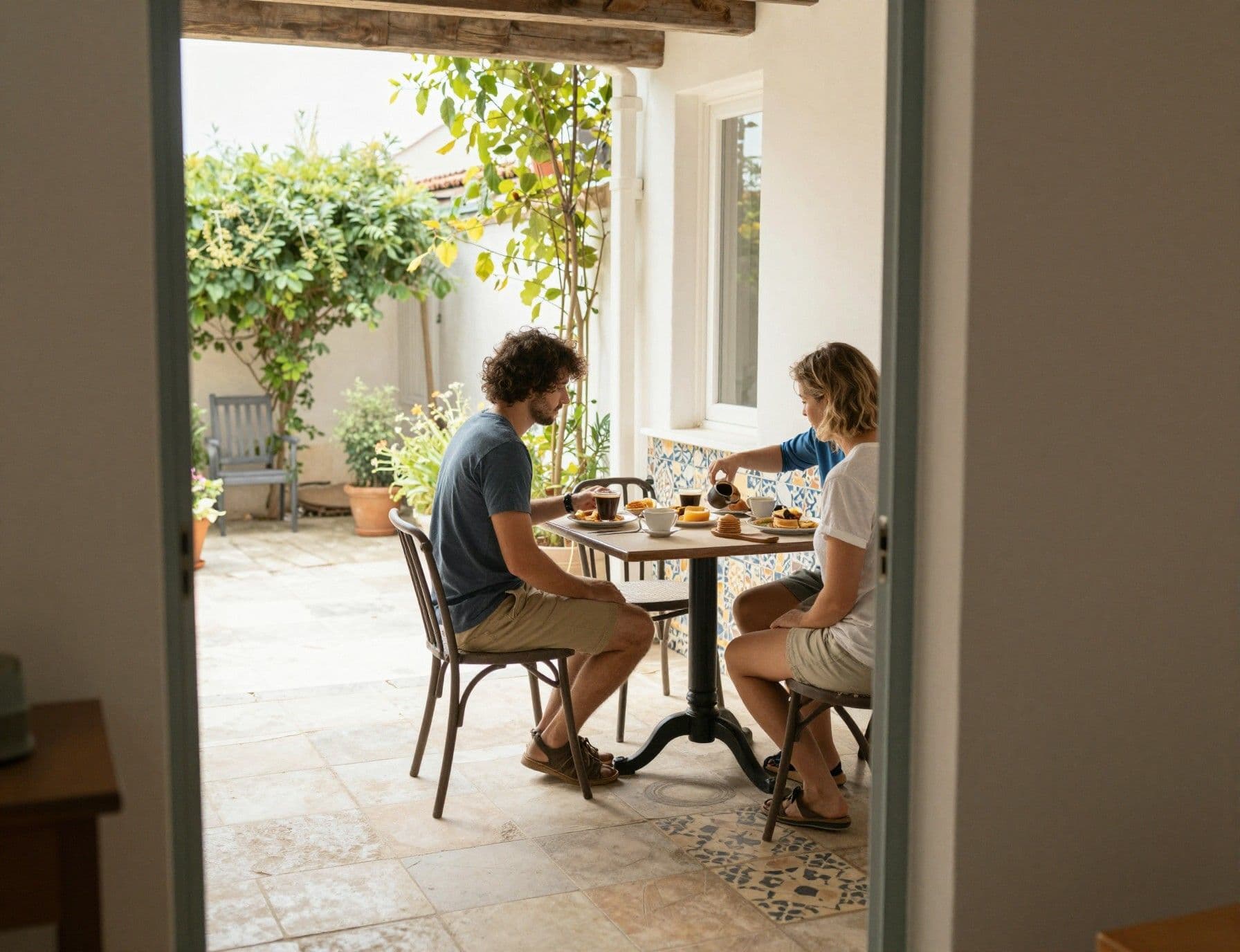
Romance must meet stewardship. Recent industry surveys show the luxury segment and townhouses seeing stronger advertised growth than the market average; transaction totals and advertised prices both matter when assessing where to buy. Match the lifestyle you want — a courtyard breakfast, a walkable shopfront street, or a coastal terrace for evening light — with a property type that supports it. Practicalities follow: ownership costs, rental demand and the fabric of the building.
Property styles & how they shape daily life
A townhouse in Rabat offers rooms oriented around a central lightwell and invites slow, domestic living; a modern apartment in St Julian’s provides convenience and amenity but may carry short‑term let pressures. Stone character homes (traditional Maltese houses of character) bring generous proportions and restoration needs — they reward buyers who appreciate craftsmanship and long‑term stewardship.
Working with local experts who know the life, not just the listing
A good local agent will describe commuting rhythms, parish life and seasonal nuances as readily as room dimensions. Seek advisers who can show you where neighbours shop, how noise changes after festival weekends, and whether a street retains original stonework or is slated for renovation. Those details determine whether a property will feel like home for a decade rather than a season.
- Arrange an on‑site week: 1) spend mornings in cafés, 2) visit markets and schools, 3) test commutes at rush hour, 4) meet neighbours or local shopkeepers, 5) review recent deed histories with your adviser.
Insider Knowledge: What Expats Wish They’d Known
Expats often arrive enchanted by coastlines and history; what surprises them is how community patterns — parish calendars, market days, building façades — determine day‑to‑day contentment. Recent press and statistics note steady price increases across Malta, yet those averages conceal the resilience of inner neighbourhoods where families remain. Understanding these social rhythms shortens the acclimation curve.
Language, customs and making a neighbourhood yours
English is an official language and eases formal transactions; Maltese remains the social vernacular in many quarters. Learn a few phrases, attend a festa, and you will find doors open. Practical kindnesses — a bakery that remembers your order, a greengrocer who reserves the best figs — make a house a home faster than a view ever will.
Long‑term lifestyle and stewardship
Think of a Maltese purchase as a legacy: buildings are often passed down and the island’s fabric rewards careful restoration. For long‑term owners, investment returns are as much social as financial: being part of a block that maintains its stonework, or a street that preserves local commerce, underpins value. This is where diligent inspection and an advisor versed in local heritage matter.
- Red flags to note before signing: unclear deed history, excessive short‑let turnover in the building, unresolved façade or roof repairs, and planning permissions that alter the street’s character.
- Practical next steps: 1) shortlist three neighbourhoods where you saw real daily life, 2) request recent deed and usage histories, 3) commission a local architect or surveyor, 4) discuss long‑term stewardship plans with your agent.
If you want a life anchored in craft, ritual and quiet dignity, buy the street rather than the seafront spectacle. Start by spending time where locals live, work with advisers who know those streets, and treat a Maltese property as stewardship rather than a short‑term headline. When done well, the island rewards patience with a life that feels curated, familiar and enduring.
Villa CuratedHaving moved from Stockholm to Marbella in 2018, I help Scandinavian buyers navigate Spanish property law, restoration quality, and value through authentic provenance.
Related Articles
More insights that might interest you
 Villa Curated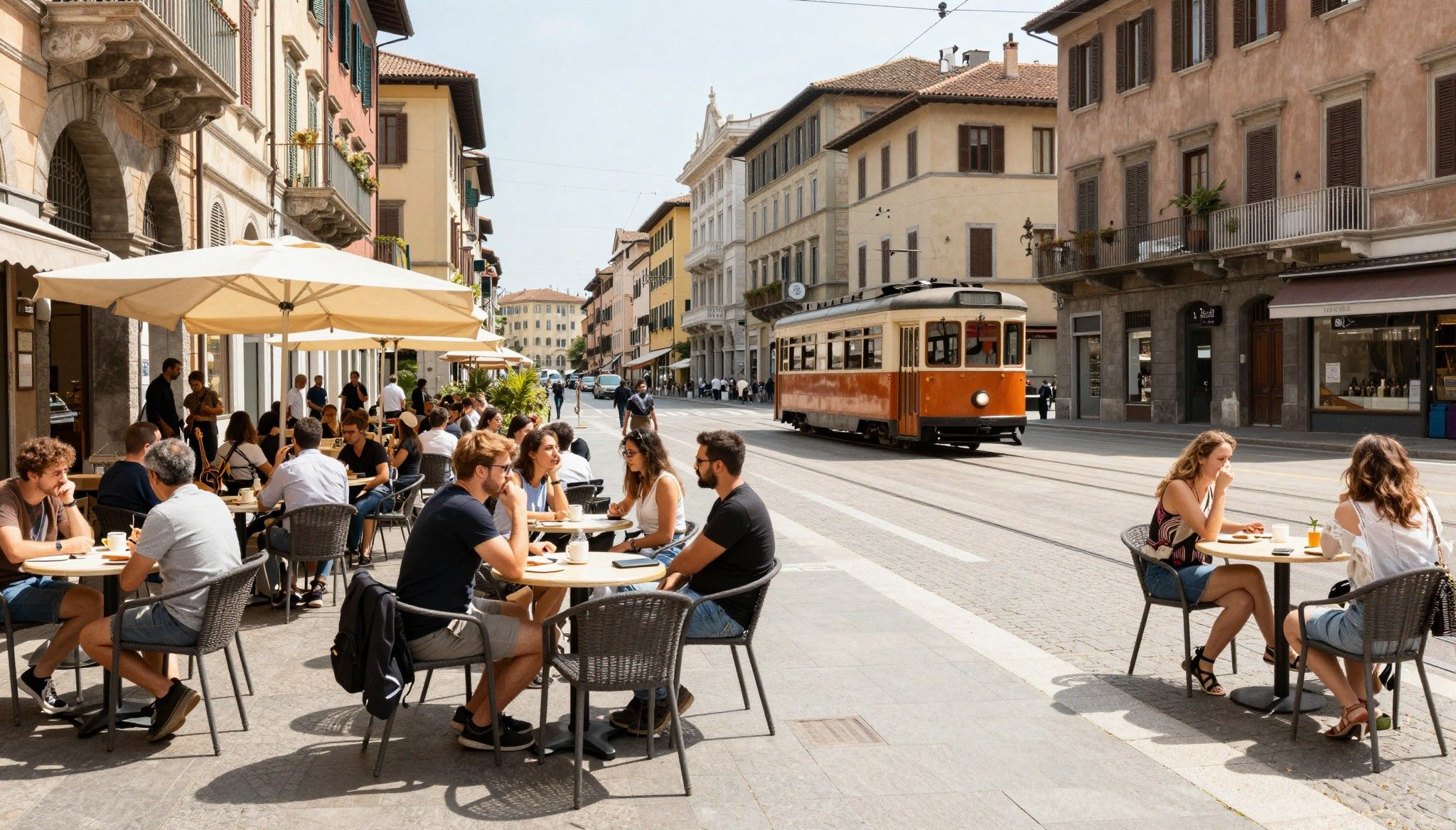
 The Yieldist
 The Yieldist


