France: The Lifestyle–Yield Split Worth Betting On
France’s charm masks a split market: Paris commands premiums, while secondary cities often deliver stronger net yields—match lifestyle choices to data.
 The Yieldist
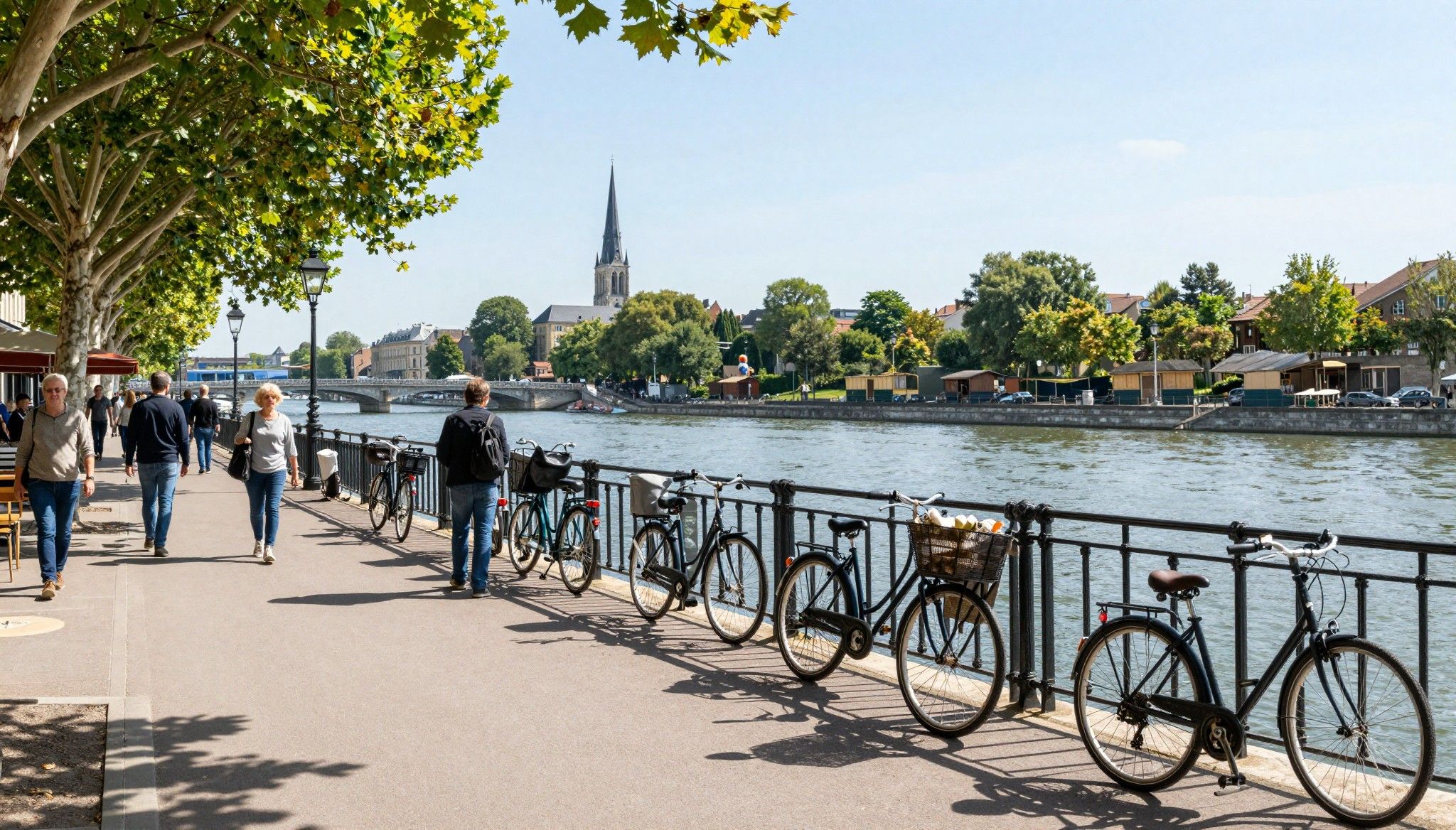
Imagine a Saturday morning in Lyon: a boulangerie queue, cyclists on the Saône, a market stall selling wild mushrooms—this is the France buyers fall in love with. Yet beneath those streets lies a market that has been quietly reshaping itself since 2023, and successful international buyers blend that lived-in charm with measured, data-driven choices.
Living the France lifestyle — what you actually get
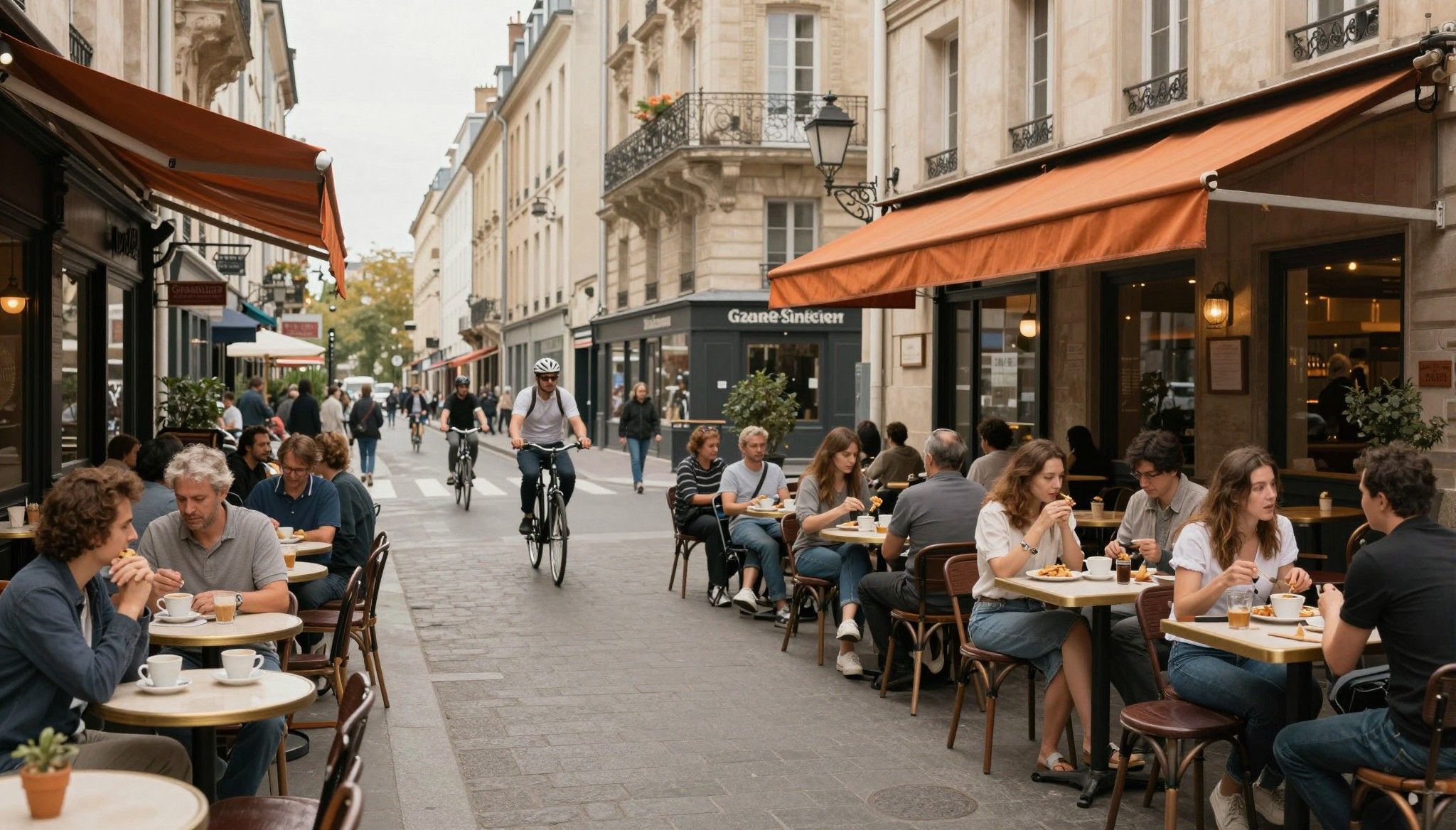
France is a mosaic: Parisian arrondissements with tight stone courtyards, Bordeaux terraces smelling of coffee and clafoutis, coastal promenades in Nice where aperitifs spill onto the pavement. Daily life is sensory—markets at dawn, slow lunches, evening passeggiata—and property choices must match those rhythms. For buyers, lifestyle is the siren song; the pragmatic task is aligning those pleasures with realistic yield expectations and maintenance realities.
Neighborhood spotlight: Le Marais to Croix-Rousse
Le Marais (Paris) is compact, walkable, and rents strongly for short-term furnished lets; but expect purchase prices to compress gross yields. By contrast, Croix-Rousse in Lyon or Saint-Michel in Bordeaux offer wider streets, lower price-per-m² and higher rental upside for long-term tenants. Match the neighbourhood’s tempo to your holding thesis: lifestyle short-stays or steady residential income.
Food, markets and seasonality as investment signals
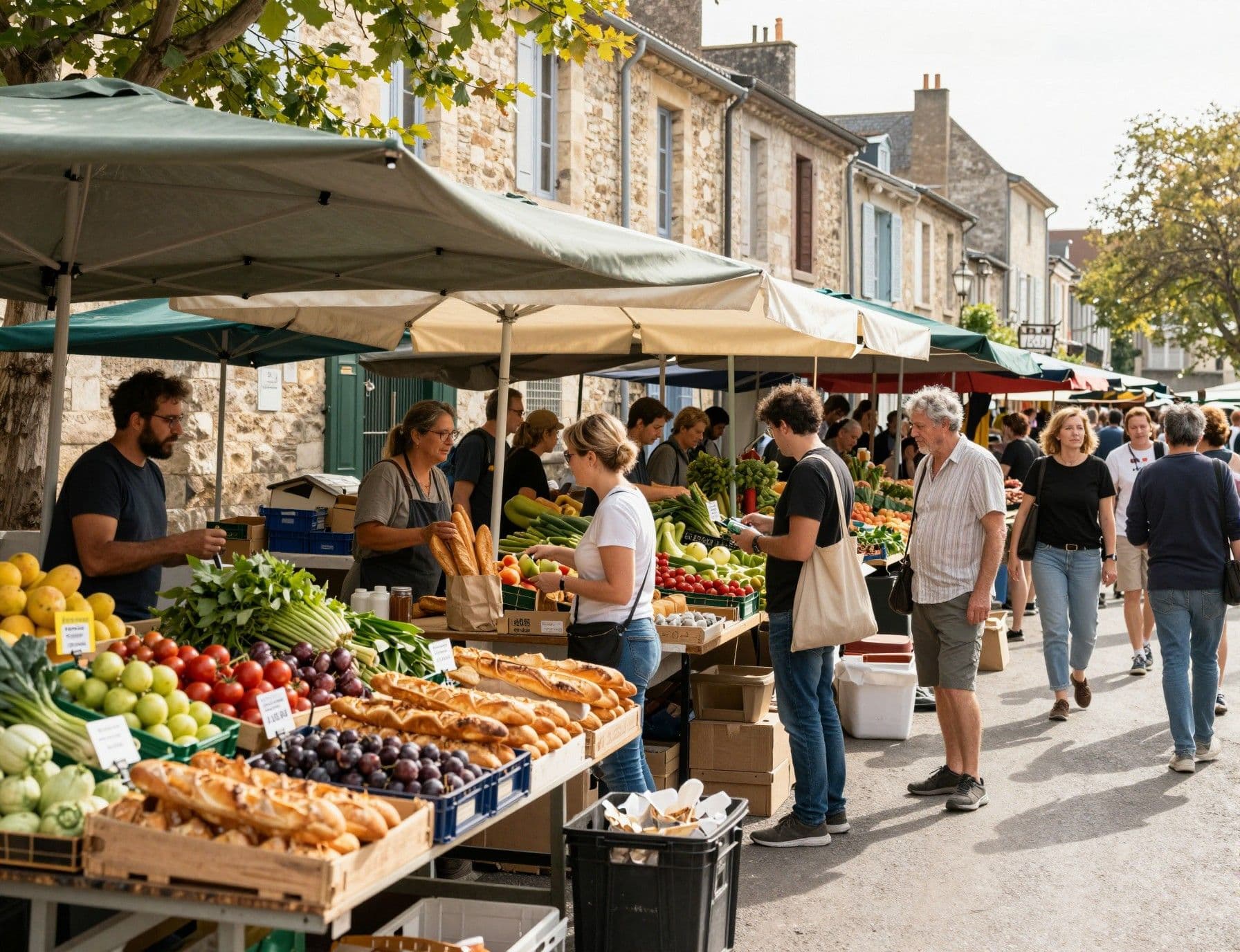
Where chefs or weekly markets cluster, you get steady footfall and year-round rental demand—think Rue des Rosiers (Le Marais), Cours Saleya (Nice) or Marché des Capucins (Bordeaux). Seasonality matters: coastal towns spike in summer but often show flat annualised yields unless year-round attractions exist. Use local amenity maps as a demand filter, not a vanity metric.
- Lifestyle highlights buyers often undervalue
- Daily market proximity (fresh produce every morning)
- Short walking commutes to cafés and transport nodes
- Good natural light and balconies—small features that drive better rents
Making the move: practical considerations that preserve yield
France’s macro data shows a market that cooled in 2023–24 and began stabilising in 2025 as transaction volumes recovered. House-price indices from INSEE and notarial sources indicate modest, regionally uneven gains; Paris remains elevated while many medium-sized cities record better price-to-rent ratios. That split means your return profile depends heavily on geography and property type.
Property styles and how they affect cashflow
Historic apartments (Haussmannian, stone townhouses) command premiums but often require renovation and higher running costs; new-build (neuf) offers lower maintenance and VAT-anchored incentives but may cap short-term resale arbitrage. Energy performance (DPE rating) is now a material risk: low-rated homes (F/G) face future rental restrictions and require upfront capex.
Working with local experts who know both lifestyle and yields
Choose an agency that blends market data, tenancy expertise and renovation sourcing. International buyers benefit from local notaires for legal certainty, chartered agents who provide comparable evidence, and energy auditors who quantify DPE upgrade costs. Good local teams turn subjective lifestyle preferences into objective investment parameters.
- Steps to reconcile lifestyle with yield (practical checklist)
- Map desired neighbourhoods against average €/m², typical gross yields and DPE distributions; discard areas where upgrades erode returns.
- Obtain three local comparable rents (furnished and unfurnished) and model net yield with conservative vacancy and management fees.
- Factor in energy-upgrade estimates early—an F→D upgrade can shift your break-even by years.
Insider knowledge: contrarian truths expats learn the hard way
Expat buyers often assume Paris equals safe capital growth. Reality: Paris is liquid but yields are compressed; medium-sized cities such as Rennes, Nantes or Montpellier now combine stronger rental yields with capital appreciation potential. The controversial take: buying where locals actually buy—inner suburbs and secondary regional centres—can outperform glamour picks for total return.
Cultural quirks that change where you buy
French tenants prize thermal comfort and communal heating; older buildings with efficient collective systems can be more attractive than superficially modern flats with poor insulation. Additionally, proximity to a marché or a collège (secondary school) often matters more to families than sea views—adjust your buyer persona accordingly.
Regulation & macro risks: what to watch
Monetary policy, DPE energy rules and HCSF lending constraints shape availability and cost of credit. Banks are conservative on debt-service ratios; expect tighter checks for non-resident buyers. These constraints limit speculative flips but support long-term buyers who price in financing realities and energy upgrades.
Conclusion: fall for the life, but buy like an analyst. Picture lingering café mornings and weekend markets, then overlay comparable rents, DPE costs and conservative vacancy assumptions. If you prioritise total return, give equal weight to medium-sized cities and inner suburbs; if lifestyle is everything, accept a tighter yield or a renovation budget. Next step: commission localized rent comps, a DPE audit and a notaire-reviewed purchase plan before making an offer.
The YieldistNorwegian market analyst who relocated from Oslo to Mallorca in 2016, guiding Northern buyers through regulatory risk, currency hedging, and rentability.
Related Articles
More insights that might interest you
 Villa Curated
 Villa Curated
 The Yieldist


