France: Life‑First Legal Checks Before You Buy
A lifestyle‑first guide to buying property in France — from neighbourhood rituals to notarial checks, municipal préemption and realistic budgets informed by INSEE and notarial data.
 Villa Curated
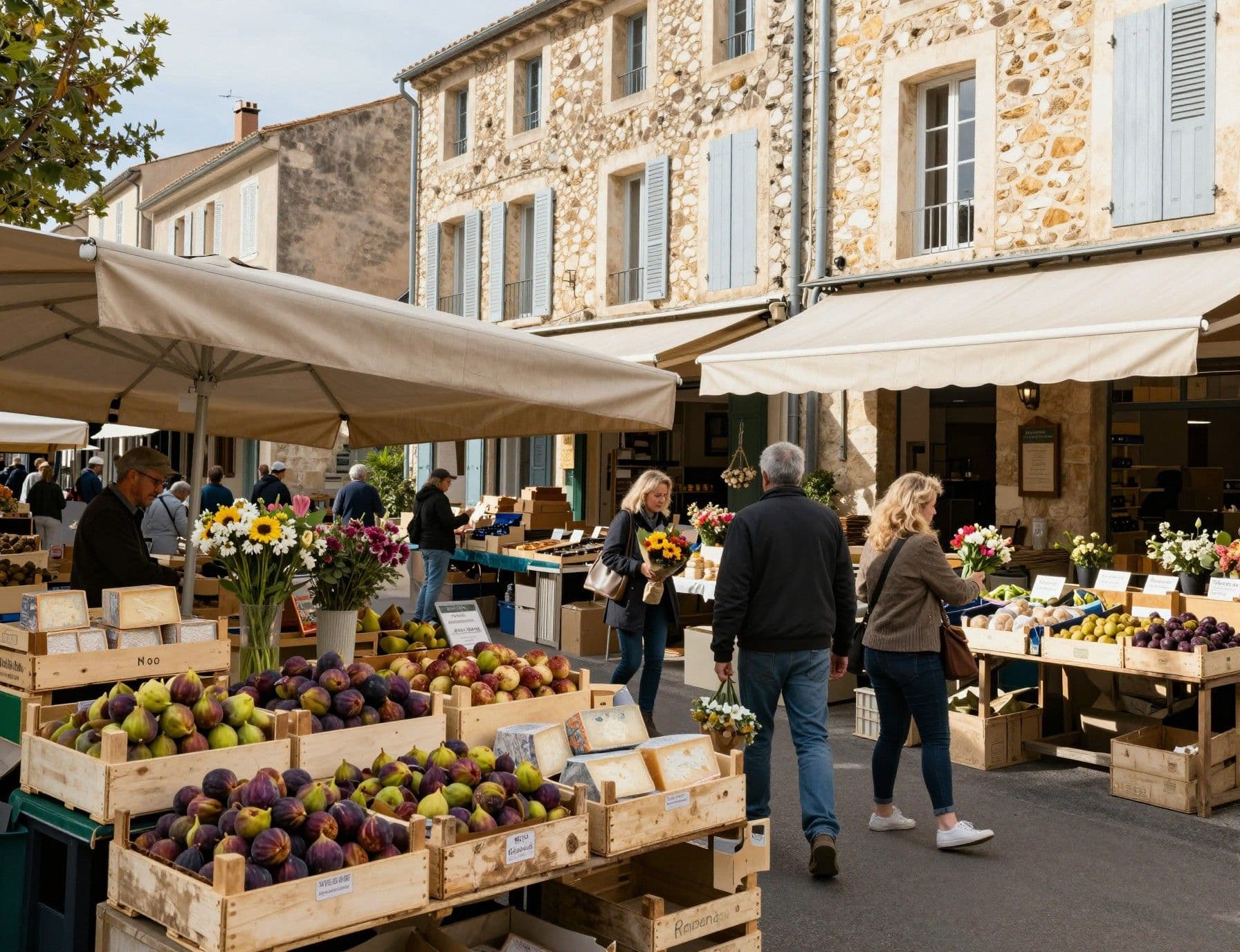
Imagine the first light over a Provençal market — crates of figs, a perfumed arc of basil, and shutters opening on a street where centuries of routine meet modern life. That sense of measured daily pleasure is what draws many of us to France: markets that set the rhythm of a weekend, cafés that linger into late afternoon, and villages whose architecture keeps stories in its stone. Yet the romance of place sits beside legal rhythms that shape what you can buy and how you keep it; understanding both transforms desire into a durable, well‑chosen purchase. This guide blends the lived experience of French neighbourhoods with the legal touchstones every international buyer will meet, so you may fall in love informed.
Living the French life — what you wake up to
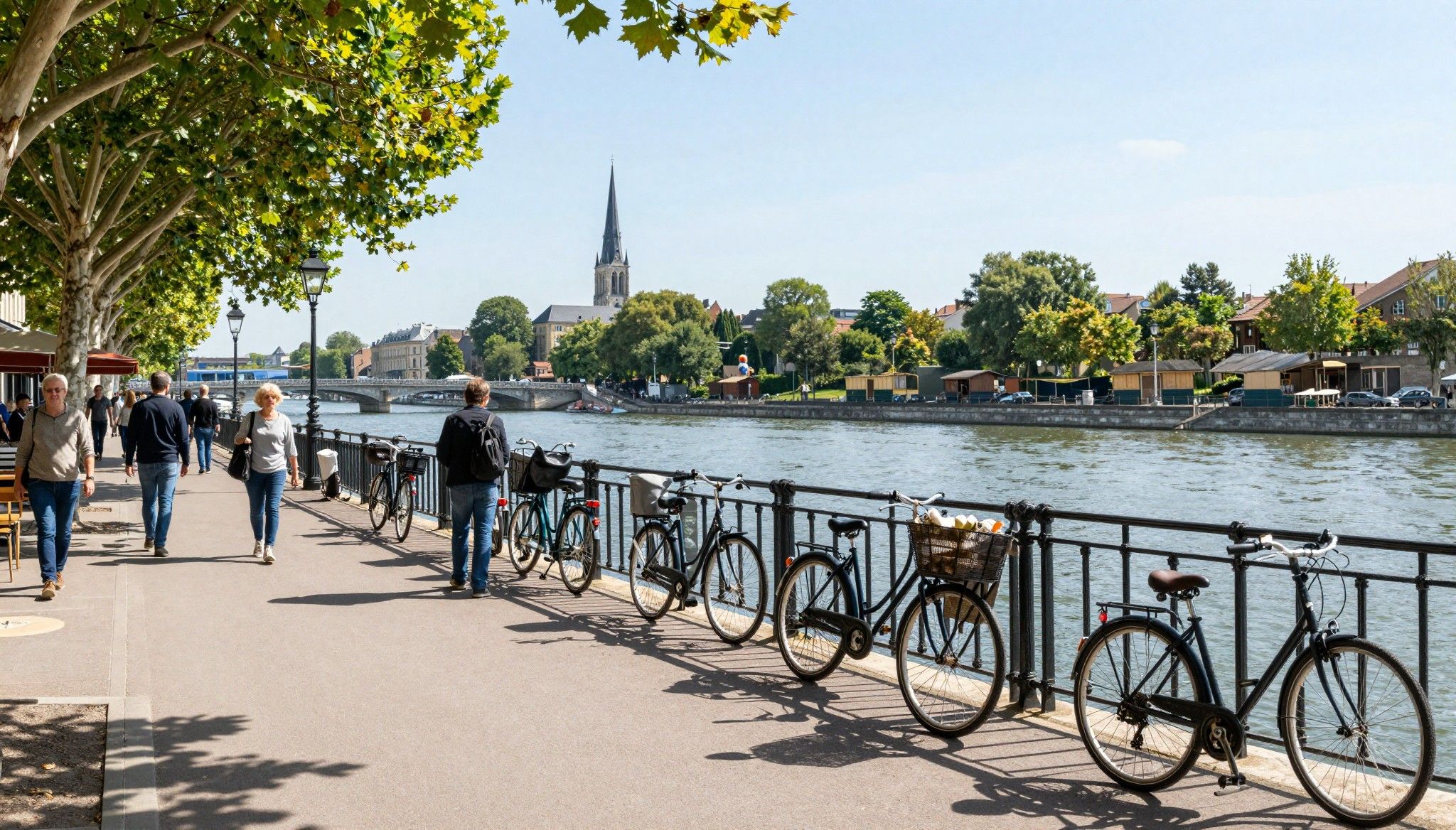
France is not one lifestyle but a family of them. In Paris you awaken to boulangeries cooling their morning loaves and a precise urban choreography of arrondissements and voies; along the Riviera, mornings are salt‑bright and punctuated by quiet promenades; in rural Burgundy or the Lot, your day begins with fields and a village square where names are known. The materiality of the country matters: timber beams and stone façades in the west, Haussmannian proportions in the centre, ochre villages in Provence. Choosing a property here is as much about the cadence of daily life — the market, the school run, the Sunday walk — as it is about floor plans or price per square metre.
Neighbourhood character: examples you can visit
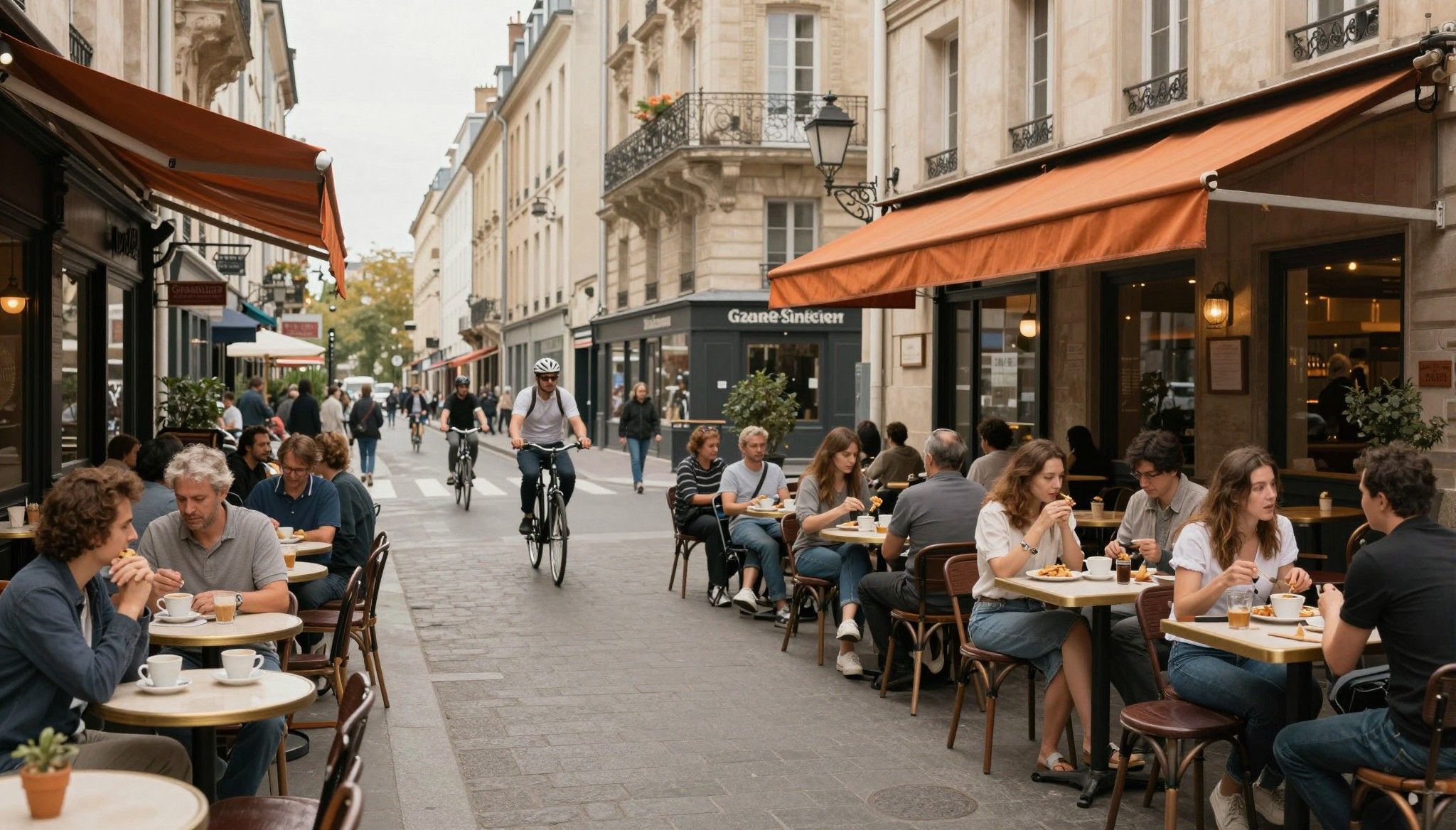
Seek out specific streets to understand a locale. In Paris, the quieter sections of the 7th — around Rue de l'Université — reward those who prefer measured elegance and discreet embassy gardens; on the Côte d'Azur, Villefranche‑sur‑Mer's old harbour offers compact terraces and a fisherman’s intimacy that rivals glitzier stretches. In Lyon, the Croix‑Rousse brings artisan workshops and morning markets, while in Bordeaux the Chartrons combine antique dealers with river walks. These micro‑locations reveal everyday rhythms better than broad regional labels; walk them, have a coffee at a named address, and observe who arrives at the boulangerie first.
Food, markets and the ritual of place
Markets are daily shorthand for how people live in France. Visit Marché Forville in Cannes for Provençal produce and a theatrical tuna seller, or the Raspail organic market in Paris on a slow Sunday to sense the city’s modern food culture. Dining is neighborhood theatre: aperitifs at a corner bar, a midweek marché meal at home, restaurants that open late and close conversations slowly. For buyers, proximity to these rituals often determines resale desirability more than a sea view: ease of access to everyday pleasures matters to both life and market value.
Making the move: practical considerations that preserve the life you imagine
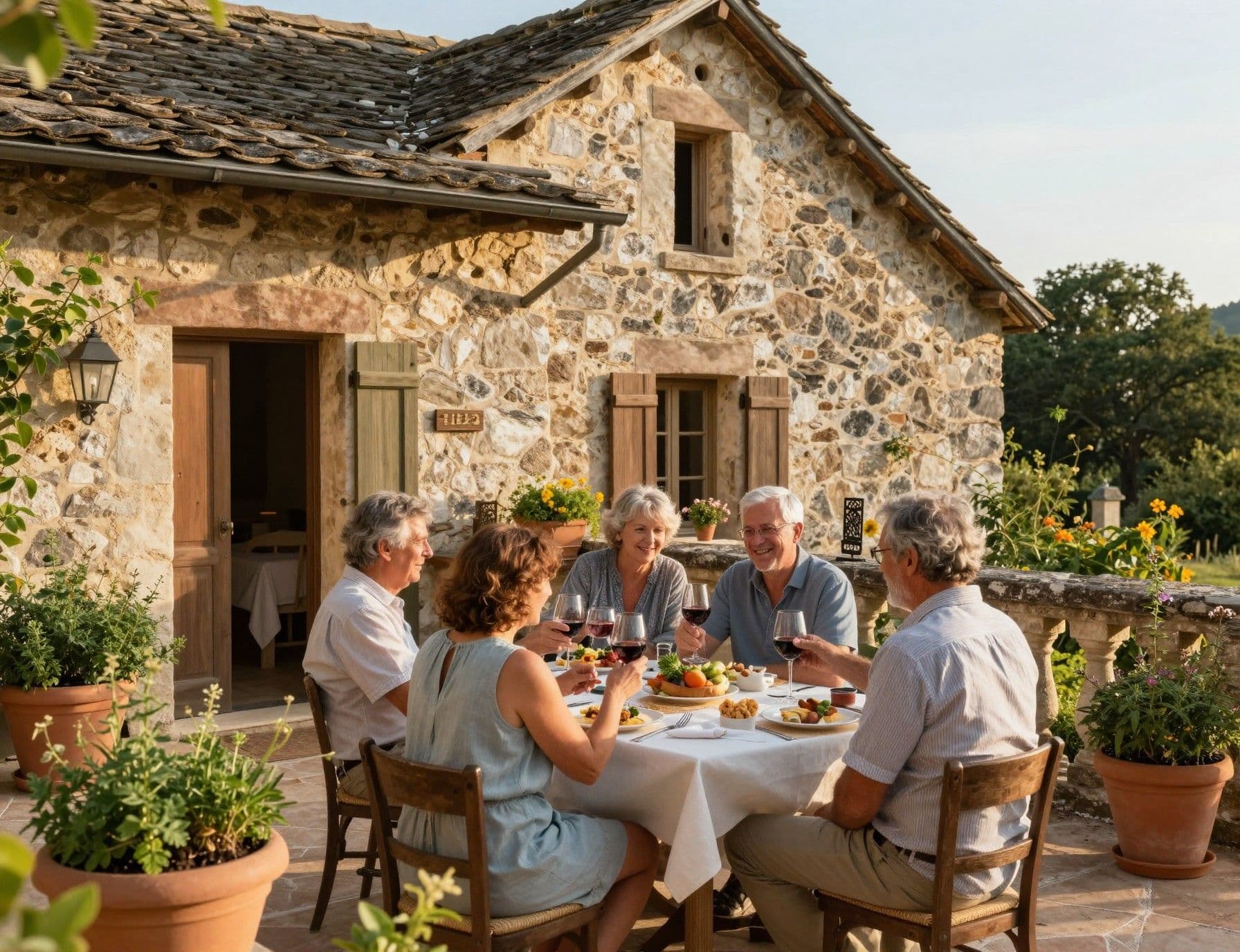
The romance of a place meets several legal mechanics that can change timing and cost. French law imposes formal steps — pre‑emptive municipal rights, notarial checks and tax formalities — which are often unfamiliar to buyers from outside the system. These elements are rarely obstructive but they are precise: a mairie may exercise its droit de préemption in defined zones, a notaire will verify title and servitudes, and certain coastal or agricultural sales can trigger SAFER or municipal oversight. Consider these not as barriers but as civic layers that shape stewardship: knowing them keeps your purchase aligned with the life you seek.
Property types and how they support daily life
Stone farmhouses bring gardens and autonomy but ask for more hands‑on maintenance and may be subject to rural planning rules; Haussmannian apartments deliver proportion and proximity to cultural life yet often come with copropriété (co‑ownership) rules and monthly charges. New builds (VEFA) reduce initial refurbishment cost and lower notarial fees, while historic restorations demand a careful inventory of conservation obligations. Match the property’s character to how you will live — morning markets, entertaining, gardening, or quiet study — and let that preference dictate the technical questions you prioritise.
- Steps to marry lifestyle with legal certainty
1. Spend unhurried time in candidate streets: morning and evening. 2. Ask the vendor’s notaire for the diagnostic dossier early (DPE, termites, servitudes). 3. Investigate local pre‑emption maps at the mairie before placing an offer. 4. Budget not only purchase price but DMTO and notary disbursements (often 7–8% in the ancien). 5. If considering rental, check local short‑term rental rules and the property’s energy rating. These steps blend the sensual with the legal, ensuring the life you imagine is feasible and protected.
Insider knowledge: legal realities expats often misunderstand
A frequent surprise: price movement is local and seasonally nuanced. National indices signalled stabilisation in early 2025, but neighbourhood‑level dynamics differ — Paris arrondissements, the Riviera and certain rural pockets each have their own pulse. Another misconception is that foreigners face purchase prohibitions; in fact, non‑residents may buy freely, yet local public rights (mairie, SAFER) and copropriété regulations can delay or alter an acquisition. Finally, notarial fees and transfer taxes materially affect total cost; an accurate budget includes them from the outset rather than as an afterthought.
Cultural and administrative integration — what builds a life
Language is the lubricant of community: basic French opens doors at markets, schools and clubs. Practical integration also means registering local services (garbage collection, mairie records), understanding opening hours, and respecting schedules of renovation in conservation areas (ABF approvals in protected zones). Expat communities are valuable, but the most enduring connections come from small local commitments — a monthly tennis club, the same table at a café, involvement in the market association — practices that anchor both life and property stewardship.
- Practical watchpoints and red flags
• Unclear boundaries or shared access ways (servitudes) that limit enjoyment. • An absent dossier technique (missing DPE, lead, termite reports) at compromis stage. • A copropriété with rising charges and no reserve fund—ask for recent procès‑verbaux. • A property within a préemption zone where the mairie may step in. • Energy rating F or G if you plan to rent short term—regulatory constraints are tightening. Each item has legal consequences; treat them as part of your lifestyle checklist.
Conclusion: buy the life, then secure it. Walk the streets, learn the names of bakeries and neighbours, and imagine a year here — not just a weekend. Once the lifestyle is chosen, bring that picture to your legal team: a notaire who understands local practice, an agent with street‑level knowledge, and a financial adviser comfortable with cross‑border tax. With that constellation, the architecture of daily life and the legal framework that protects it will align, leaving you with a property that rewards both feeling and prudence.
Practical next steps: visit the mairie for préemption maps, request a full notarial estimate (frais d'acte), and schedule a day‑long walk of your shortlisted streets. If you would like, we can introduce local notaires and agents whose practice is rooted in neighbourhood stewardship rather than quick turnover. Begin with a single sensory test—coffee at the corner café—then follow the legal checklist: that small ritual often tells you more than a spreadsheet.
Villa CuratedDutch former researcher who moved to Lisbon, specialising in investment strategy, heritage preservation, and cross-border portfolio stewardship.
Related Articles
More insights that might interest you
 Villa Curated
 The Yieldist
 The Yieldist


