Malta: Limestone Mornings, Real Estate Realities
Malta’s compact Mediterranean life blends café workdays, short commutes and modest rental yields — choose neighbourhoods that match how you want to live, not just how much space you get.
 MoveSettleGo
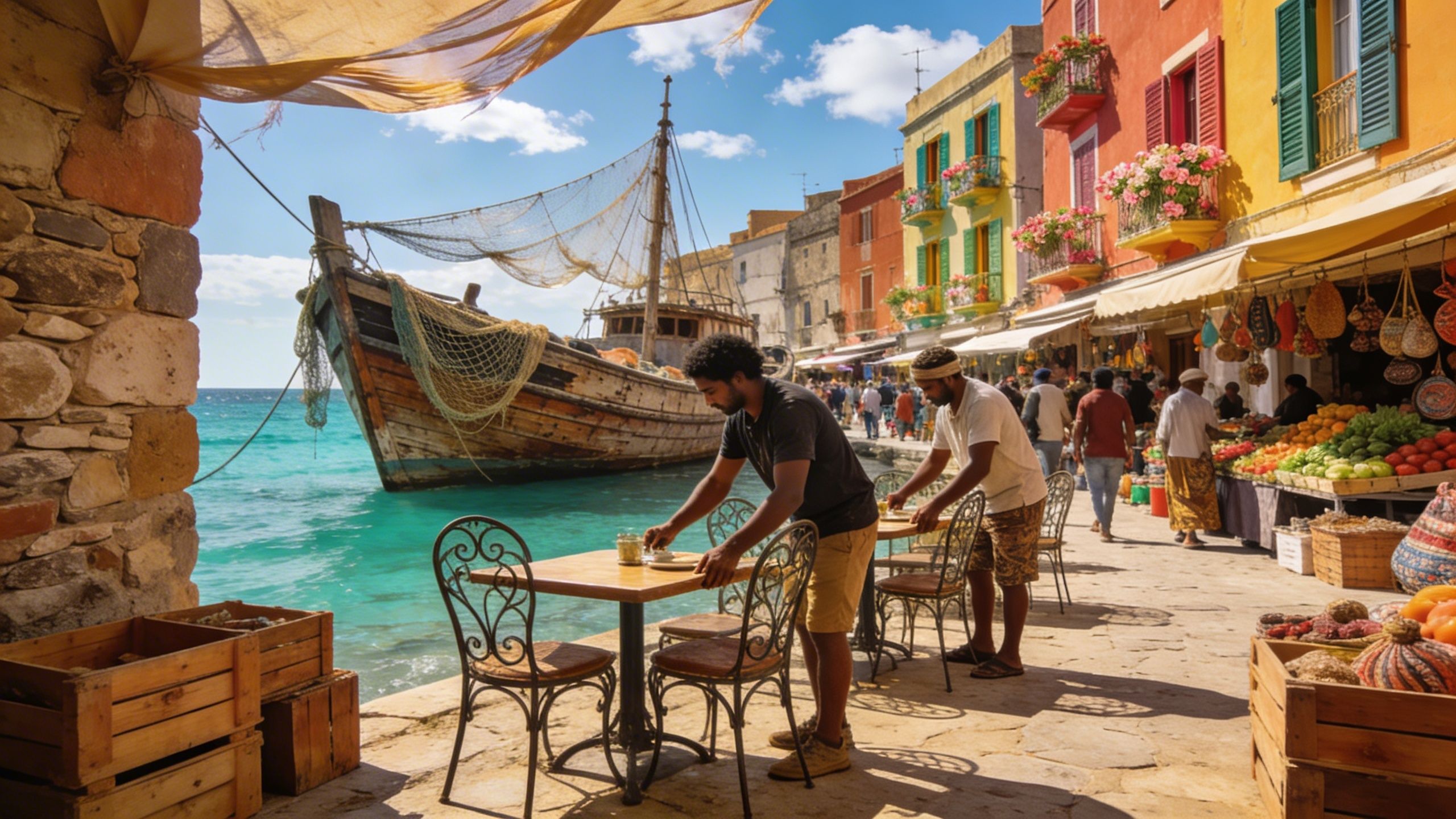
Imagine waking up to limestone streets, a market stall spilling ripe figs, and the Mediterranean breeze on your balcony. Malta isn’t a postcard — it’s a day-to-day rhythm of cafés, ferries and narrow lanes where history and remote work collide. For nomads and expats, that daily texture matters as much as the number of bedrooms.
Living the Malta life: light, lanes and local rituals
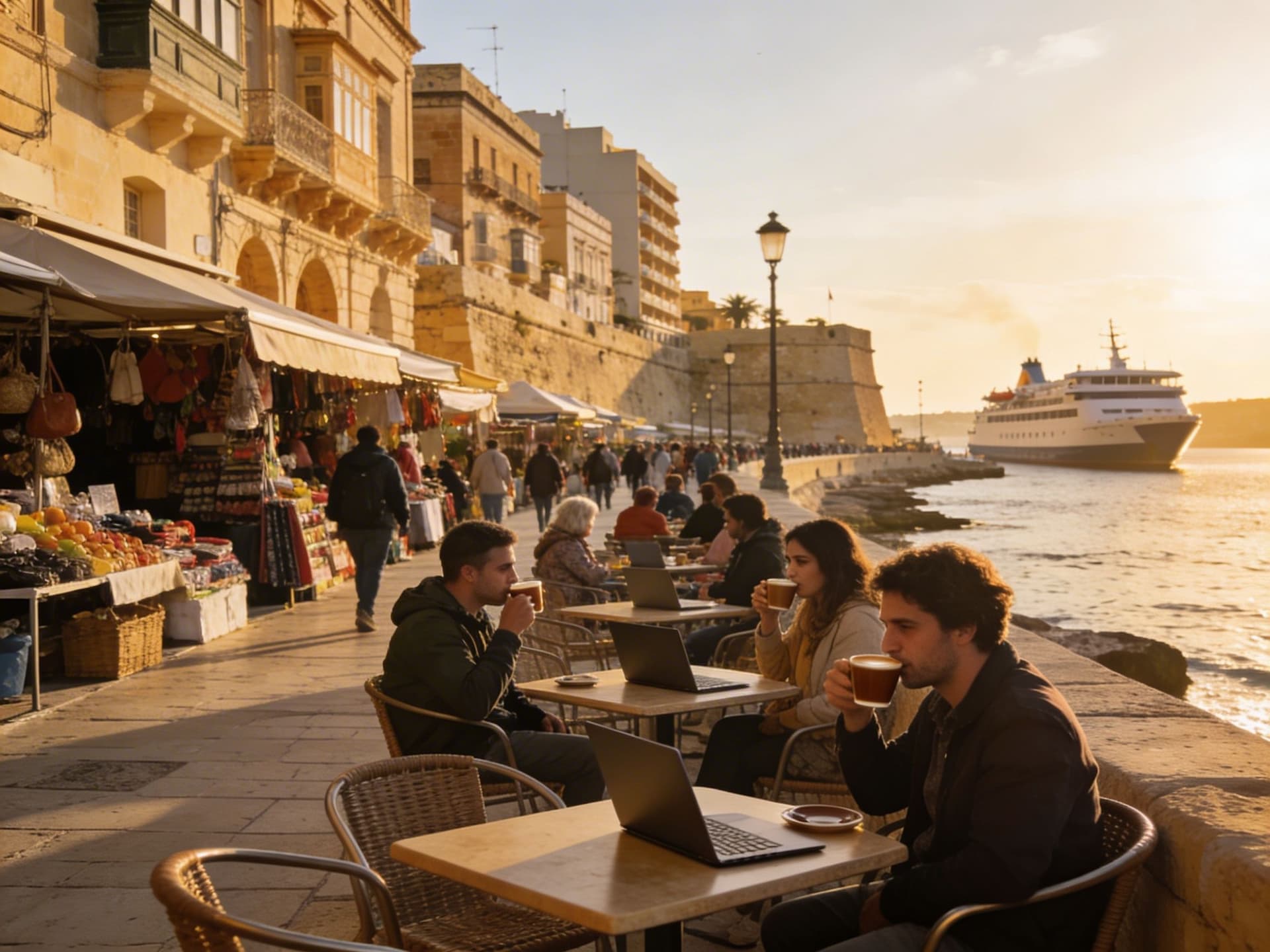
Days in Malta start simple: espresso at a corner pastizzeria, an hour of remote work in a sunlit café in Sliema, a late-afternoon swim off St. George’s Bay. The island’s compact size means beaches, markets and coworking spots are never far. Recent market analysis shows modest rental yields and steady demand — the lifestyle is popular, and that popularity shapes supply around the places people actually live and work. ([globalpropertyguide.com](https://www.globalpropertyguide.com/Europe/Malta/Price-History?utm_source=openai))
Valletta & The Three Cities: history as a neighbourhood
Valletta smells of sea salt and roasted coffee. Alleyways open onto Baroque squares; after-work crowds spill from wine bars onto stairs. For nomads who want culture within walking distance, Valletta is unbeatable — compact apartments, strong walkability, and short commutes to coworking hubs. The tradeoff is smaller interiors and higher per-square-metre prices in restored townhouses.
Sliema & St. Julian’s: café culture and coworking
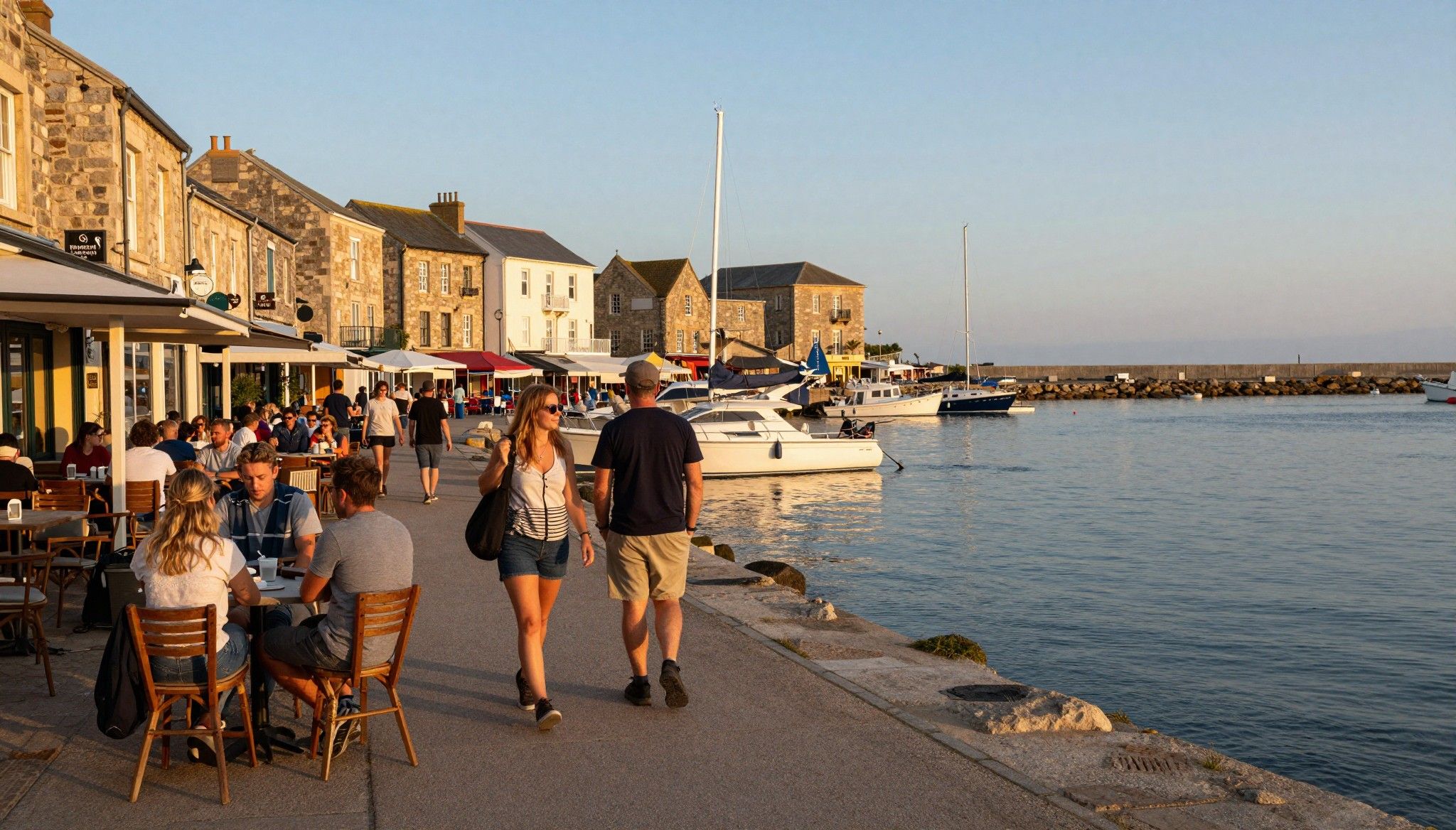
If your day needs a reliable café, fast fibre and lively after-work scenes, Sliema and St. Julian’s deliver. Sliema’s promenade is perfect for lunchtime Zoom calls with sea views; St. Julian’s mixes international restaurants and purpose-built apartments popular with short-term renters. Expect better connectivity and more serviced-apartment options here.
- Lifestyle highlights: Valletta opera nights, Marsaxlokk fish market mornings, coffee at Caffè Cordina, evening swims at Golden Bay, Sunday walks on the Dingli Cliffs, coworking at The Hub in St. Julian’s.
Making the move: lifestyle-driven property choices
Dreams meet paperwork sooner than you think. Malta blends lifestyle with formal residency paths — recent updates to the Malta Permanent Residence Programme (MPRP) added practical flexibility for families and temporary permits while applications process. That matters if you want to start living the life now rather than waiting for five years of residency for naturalisation routes. ([mondaq.com](https://www.mondaq.com/investment-immigration/1654848/malta-residence-by-investment-updates-2025?utm_source=openai))
Property styles: terraced townhouses, modern apartments, and Gozo cottages
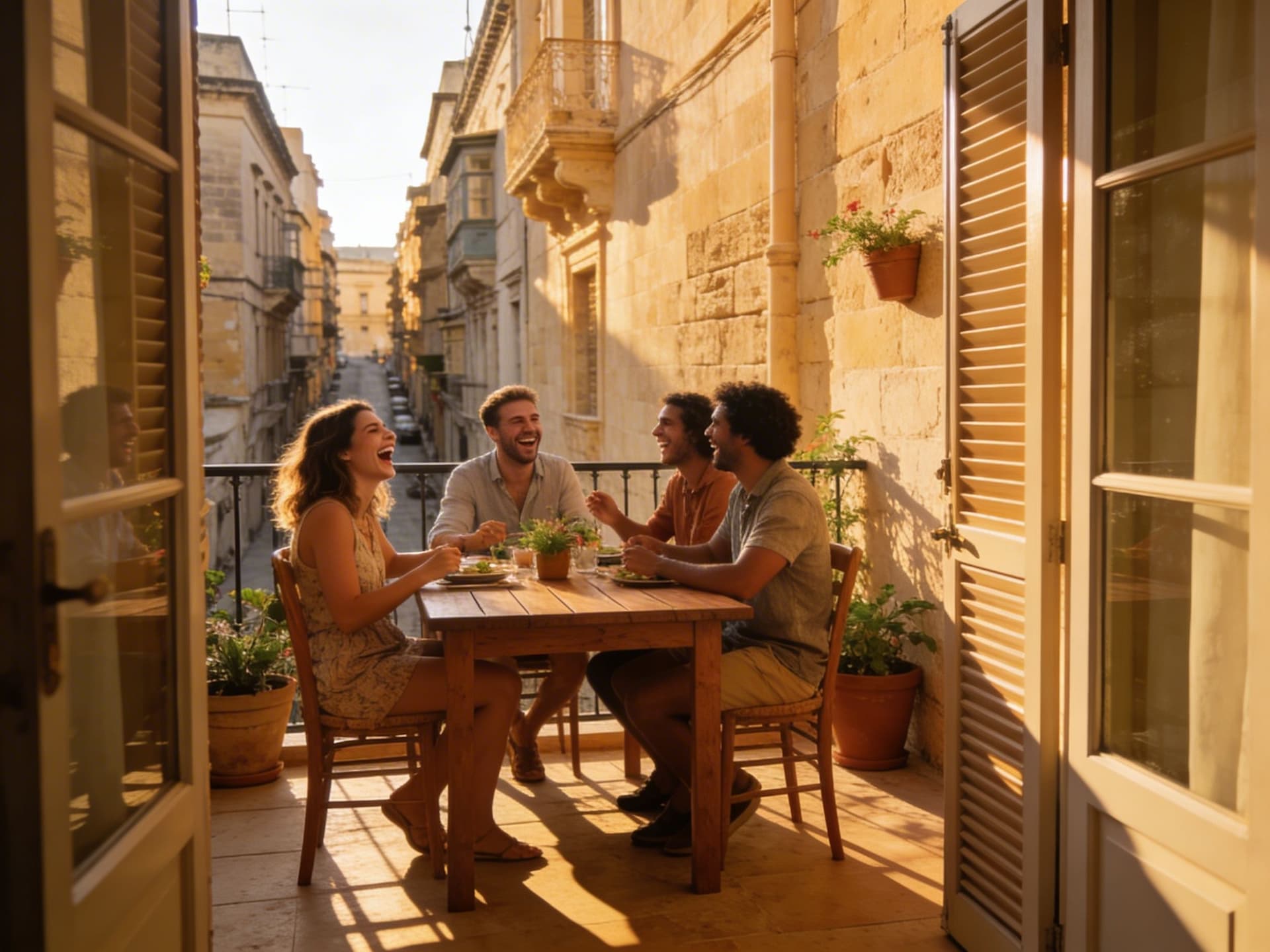
Limestone façades hide different realities: Valletta townhouses mean character and small terraces; newer blocks in Sliema offer reliable fibre and elevators; Gozo gives larger indoor-outdoor spaces and quieter streets. Choose by how you want to live: a compact historic flat for culture, a seaside apartment for cafés and calls, or a Gozo home for slow weekends and gardens.
- How local experts turn lifestyle into a shortlist
Top agents don’t just show listings — they map your life. Expect them to assess commute times, fibre availability, sun exposure for terraces, and proximity to expat meetups. Note: Malta’s high-profile changes to citizenship-by-investment programmes in recent years mean residency routes are now more structured; agencies who understand the updated rules will save you weeks of bureaucracy. ([apnews.com](https://apnews.com/article/67645b54f38cf50dafb55aeb697627ce?utm_source=openai))
Insider knowledge: what expats wish they'd known
Truth: Malta is small and social rhythms are local. Neighbors know each other; shopkeepers remember faces. That intimacy is a joy — but it means choosing the right street matters. A main road apartment can be noisy; a back-lane unit may feel like a village. Expats who said ‘yes’ to Malta quickly adapted by prioritising walkability and a front-door community over extra square metres.
Language, culture and making friends
English is an official language, which flattens the learning curve. Still, few things accelerate integration like joining a community class, a local festa, or evening language exchanges. Expect invitations to neighbourhood dinners and a friendly curiosity about newcomers — show interest and you’ll be invited in.
Long-term realities: seasons, rental rhythms and resale
Summer brings tourists and short-term demand; winter reveals the island’s true pace. Rental yields in Malta are moderate, and many owners rely on a mix of long-term tenants and seasonal lets. If you plan to rent while you’re away, work with agencies that understand short-term licence rules and seasonal pricing to protect returns. ([globalpropertyguide.com](https://www.globalpropertyguide.com/Europe/Malta/Price-History?utm_source=openai))
- Practical tips before you sign: check fibre speed in the flat, verify water pressure for older buildings, ask about terrace permissions, confirm short-term rental rules, and get a local notary who speaks English.
Conclusion: Malta is the kind of place that turns weekend fantasies into weekday routines. It’s not just a holiday — it’s a life with cafés that double as offices, sea dips between meetings, and neighbours who become friends. If that sounds like the life you want, start with a local agent who knows lifestyle tradeoffs as well as title searches. Pack a light suitcase and get ready for limestone mornings.
MoveSettleGoDutch investment strategist guiding buyers to Greece and Spain; practical financing, tax, and portfolio diversification.
Related Articles
More insights that might interest you
 Villa Curated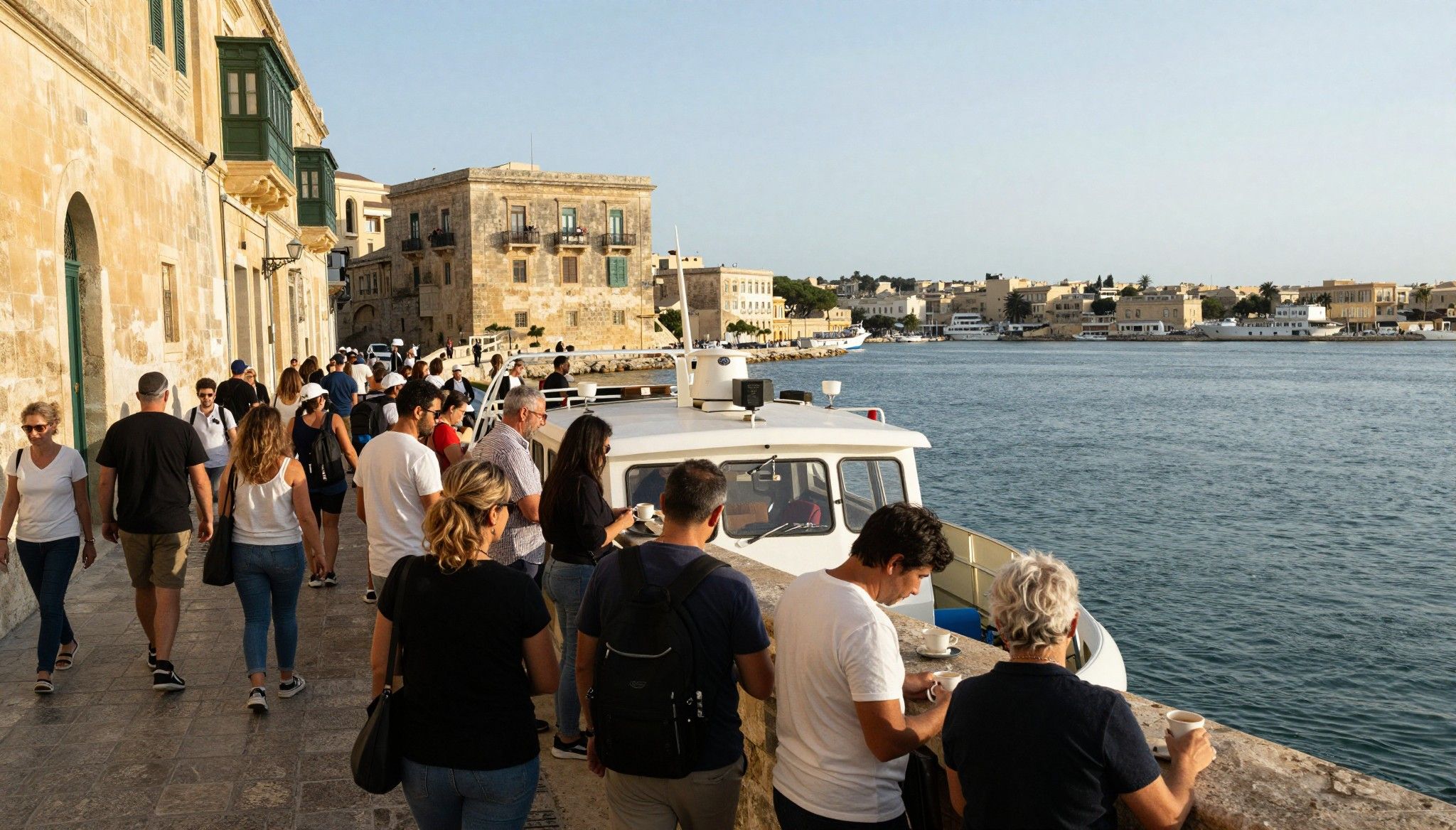
 The Yieldist
 MoveSettleGo

