Cap.109 and the Quiet Rules for Non‑EU Buyers in Cyprus
Cap.109 silently shapes what non‑EU buyers can own in Cyprus — marry the island’s daily rhythms with careful legal checks to protect lifestyle and title.
 Villa Curated
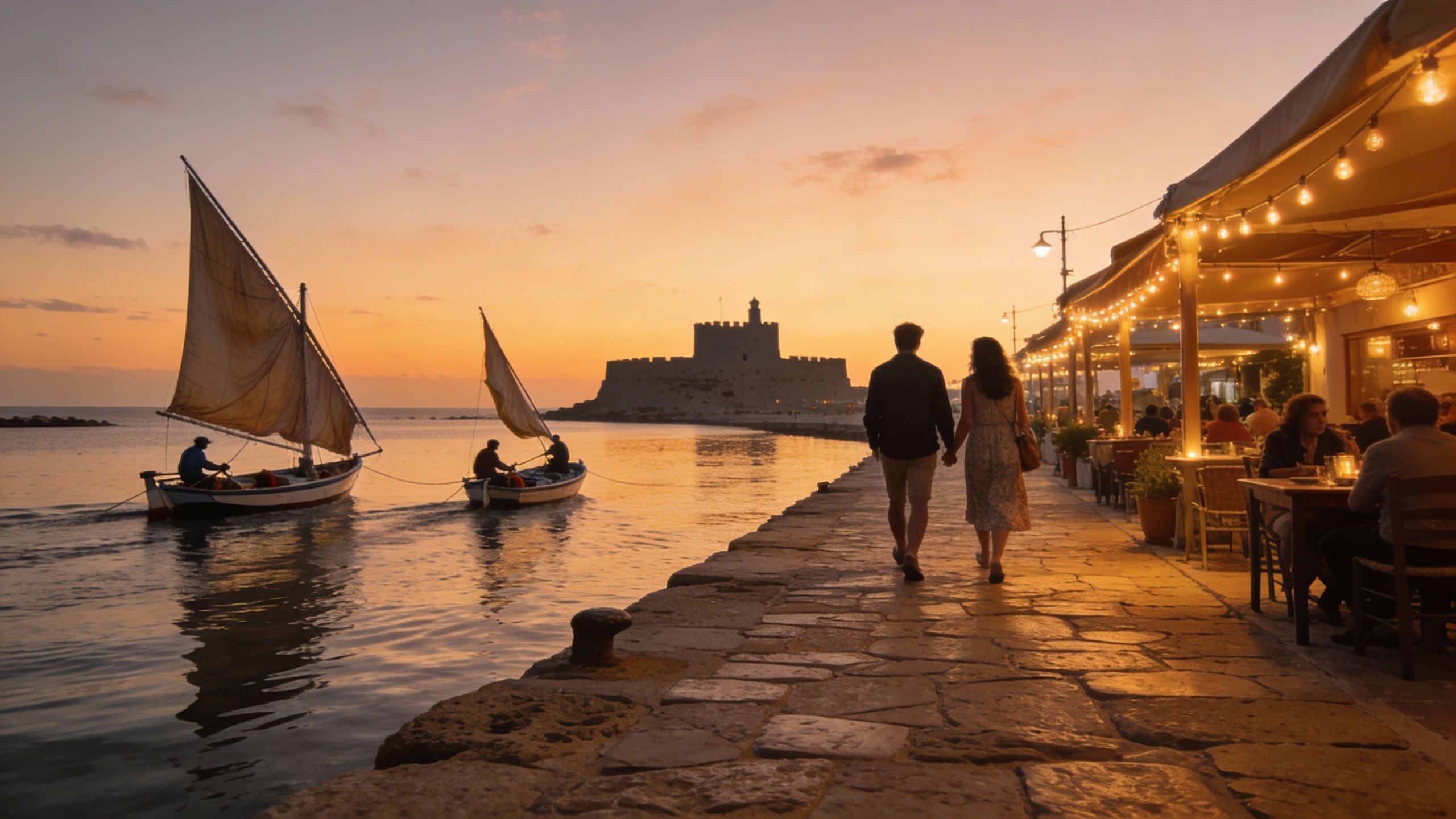
Imagine an early morning in Paphos: a baker pulling warm koulouri from the oven on Tombs of the Kings Avenue, fishermen repairing nets along the marina, and a discreet townhouse two streets back where an English couple sip coffee on a shaded terrace. That intimacy is the lure of Cyprus — a scale of life that feels personal, architectural layers that reward attention and neighbourhoods whose character changes block by block. Yet the island’s legal architecture — Cap. 109 and the Immovable Property framework — quietly shapes what non‑EU buyers may buy, where they can place roots, and how easily their terrace coffees become lifelong routines. For prospective international buyers the question is not only which house speaks to you, but whether the law allows its title to speak back.
Living the Cyprus lifestyle
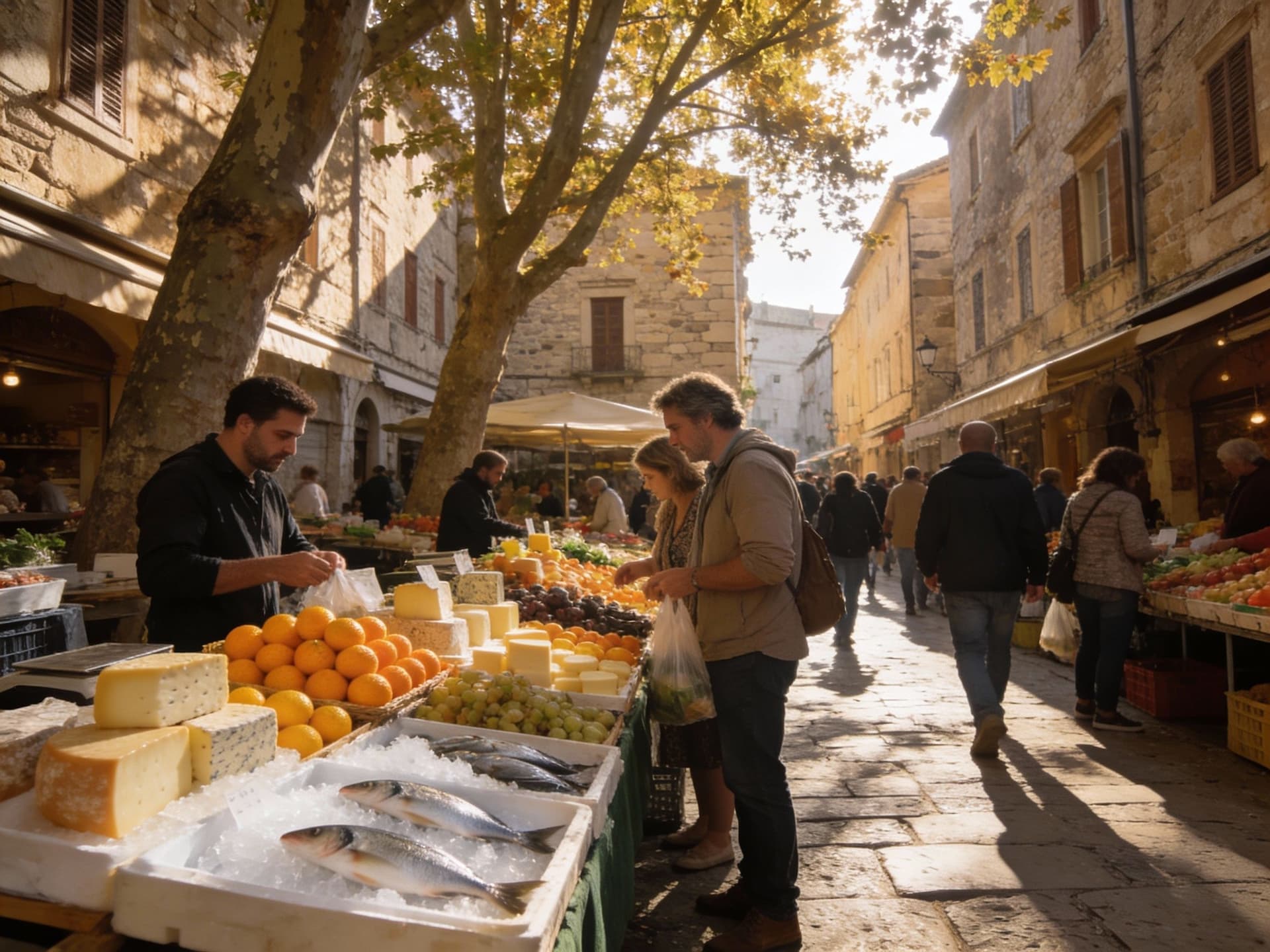
Life in Cyprus is arranged around light, streets and season. Mornings begin at neighbourhood bakeries, afternoons are shaded by plane trees in old‑town squares, and evenings gather around mezzes on harbour promenades. Limassol’s cosmopolitan pulse differs from the quieter rhythm of Polis or the village cadence of Kakopetria; yet in every place the built fabric — stone facades, tiled roofs, enclosed courtyards — matters as much as the market price. It is this daily choreography that should guide where you hunt for property, and it is why a legal restriction on land type or location transforms lifestyle choice into a practical requirement.
Neighbourhood notes: Paphos, Limassol, Larnaca
Paphos offers village lanes and restored Ottoman‑period houses near the castle; Limassol offers contemporary seafront living and boutique townhouses tucked behind busy avenues; Larnaca combines a slower seaside promenade with pockets of authentic markets on Zenonos Kitieos. Each area has distinct planning constraints: coastal promenades, conservation zones and buffer areas near the divided northern territories carry restrictions that can affect transferability and future alterations. Knowing the micro‑rules of each district helps you align the kind of daily life you want with properties you can lawfully own and alter.
Food, markets and the rhythm of seasons
Weekends in Cyprus take shape around food: fish markets in Larnaca, the farmers’ stalls at the Limassol Municipal Market, and tavernas in the Troodos foothills during chestnut season. Seasonal life matters to how you’ll use a property — terraces for autumnal evenings, cellars for wine, or ground‑floor storage for local produce. When legal limits restrict agricultural plots or land near protected areas, they also limit the possibility of a small vineyard, orchard or self‑sufficient garden; those lifestyle ambitions are legal as well as aesthetic choices.
Making the move: practical considerations

The central practical reality for non‑EU buyers is Cap. 109 — the Acquisition of Immovable Property (Aliens) Law — and its interplay with the Department of Lands and Surveys. Broadly: EU and EEA citizens enjoy parity with Cypriot nationals; third‑country nationals must obtain a permit from the District Administration (granted on behalf of the Council of Ministers) for acquisition of residential land, plots or buildings beyond defined limits. In the ordinary course this means completing paperwork, proving personal use intent, and waiting for administrative approval — a process that can be routine or protracted depending on district practices and political developments.
Property types and what the law allows
For third‑country nationals the law traditionally limits ownership to one residence or a parcel not exceeding specified donums (commonly referenced as around 4,014 m² in practice), with tighter limits for agricultural and forest land. Commercial premises, company ownership structures and family‑member exceptions complicate the picture further. Because district officers have interpreted rules inconsistently, the same purchase in different cities can proceed on different timelines; your solicitor and agent must anticipate those local interpretations rather than rely on national generalities.
How to align lifestyle needs with legal constraints
1. Define the life you want (daily routines, garden, entertaining) and map those priorities to specific property types in the district you prefer. 2. Ask your lawyer whether Cap. 109 permits your intended use — holiday letting, long‑term rental or permanent family residence — because permitted use affects approval. 3. Insist on a pre‑application review by the District Office where the property sits; local officers can flag zoning or conservation constraints early. 4. Factor in time; administrative approvals, especially where reforms are pending, can take weeks or months and should be reflected in any conditional contract.
Insider knowledge: what expats wish they'd known
Many expats tell the same story: a small zoning detail or an ambiguous clause in an assignment contract stalled a refurbishment or prevented them registering a rental licence. Recent audits and reporting show heavy volumes of transfers to non‑EU buyers, and parliamentary proposals to tighten Cap. 109 are actively discussed — meaning rules that felt permissive last year may be interpreted more strictly tomorrow. For the buyer who values stewardship and architectural integrity, this is not an abstract policy conversation; it decides whether a traditional courtyard can become an honest home or remain a liability on your title.
Cultural and community integration
Language in Cyprus is forgiving — English functions in most transactions — but integration means more than communication. Local councils, homeowners’ associations and neighbours often determine what renovations are discreetly acceptable; older quarters prize craft restoration while new developments expect contemporary finishes. A solicitor who understands municipal habits and a local agent who knows the café owners will save you from legal surprises that begin as cultural misreads.
Red flags and quick checks
• Properties advertised in the Turkish‑controlled north with Greek‑Cypriot titles: avoid. • Unclear assignment contracts where the seller remains a company with foreign beneficiaries: insist on beneficial‑owner disclosure. • Promises of informal title transfer or use without registered deed: treat as a material red flag. • Any property adjacent to protected or buffer zones: verify permitted uses before contracting.
If you are moved by a particular street — the shady alley behind Limassol’s Medieval Castle or the quiet seafront lane in Larnaca — build legal certainty into the romance. Ask for the District Officer’s view in writing, request a pre‑application under Cap. 109 where appropriate, and work with a solicitor experienced in cross‑border title, AML due diligence and local planning. These steps preserve both the lifestyle you desire and the integrity of the investment.
Conclusion: buy the life, secure the title. Cyprus offers a way of life defined by light, culture and an architectural patience that rewards curation. For non‑EU buyers that allure comes with legal contours: Cap. 109, district administration practice and ongoing parliamentary reform. Treat these contours as part of the design brief. Work with a local solicitor and an agent who can read both the cadastral map and the café map; they will be the ones who turn a morning espresso into the rhythm of a life lived well.
Villa CuratedRelocating from London to Mallorca in 2014, I guide UK buyers through cross-border investment and tax considerations. I specialise in provenance, design integrity, and long-term value.
Related Articles
More insights that might interest you
 Villa Curated
 The Yieldist
 The Yieldist


