Cyprus: Legal Truths That Surprise Buyers
A lifestyle-first look at Cyprus that pairs evocative neighbourhood scenes with precise legal realities — title deeds, VAT vs transfer fee, Council approvals and red flags.
 Villa Curated
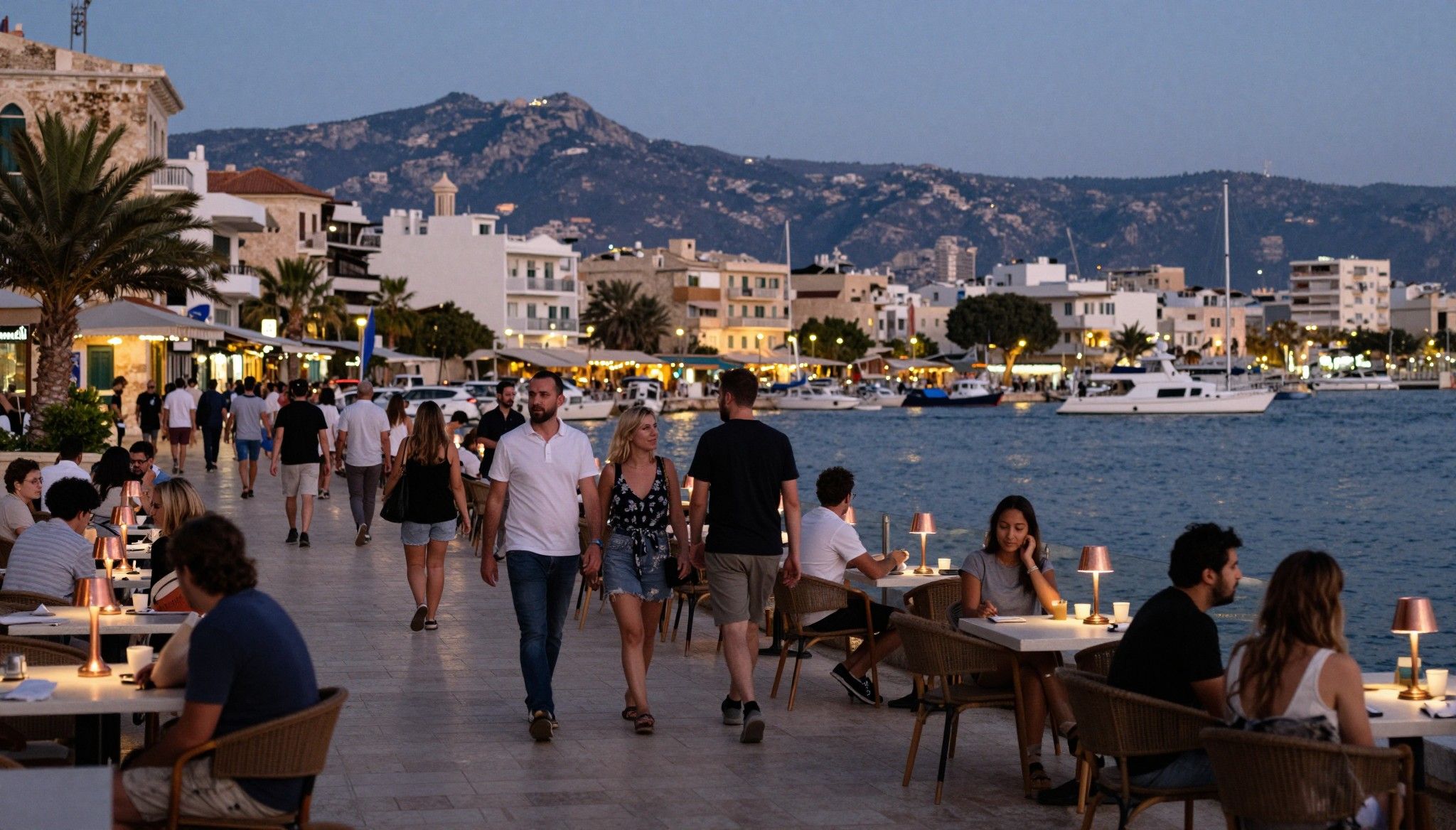
Imagine an early Sunday in Larnaca: the harbour glass-still, a baker stacking warm koulouri, and neighbors lingering over long coffees on shaded pavements. This is the small, everyday spell Cyprus casts — sunlit terraces, neighbourhoods that keep their rhythms, and houses that promise seasons of living. But the small certainties of daily life meet a different set of rules at the Land Registry and in tax offices. Knowing which local customs intersect with legal realities transforms desire into a secure property purchase.
Living the Cyprus life
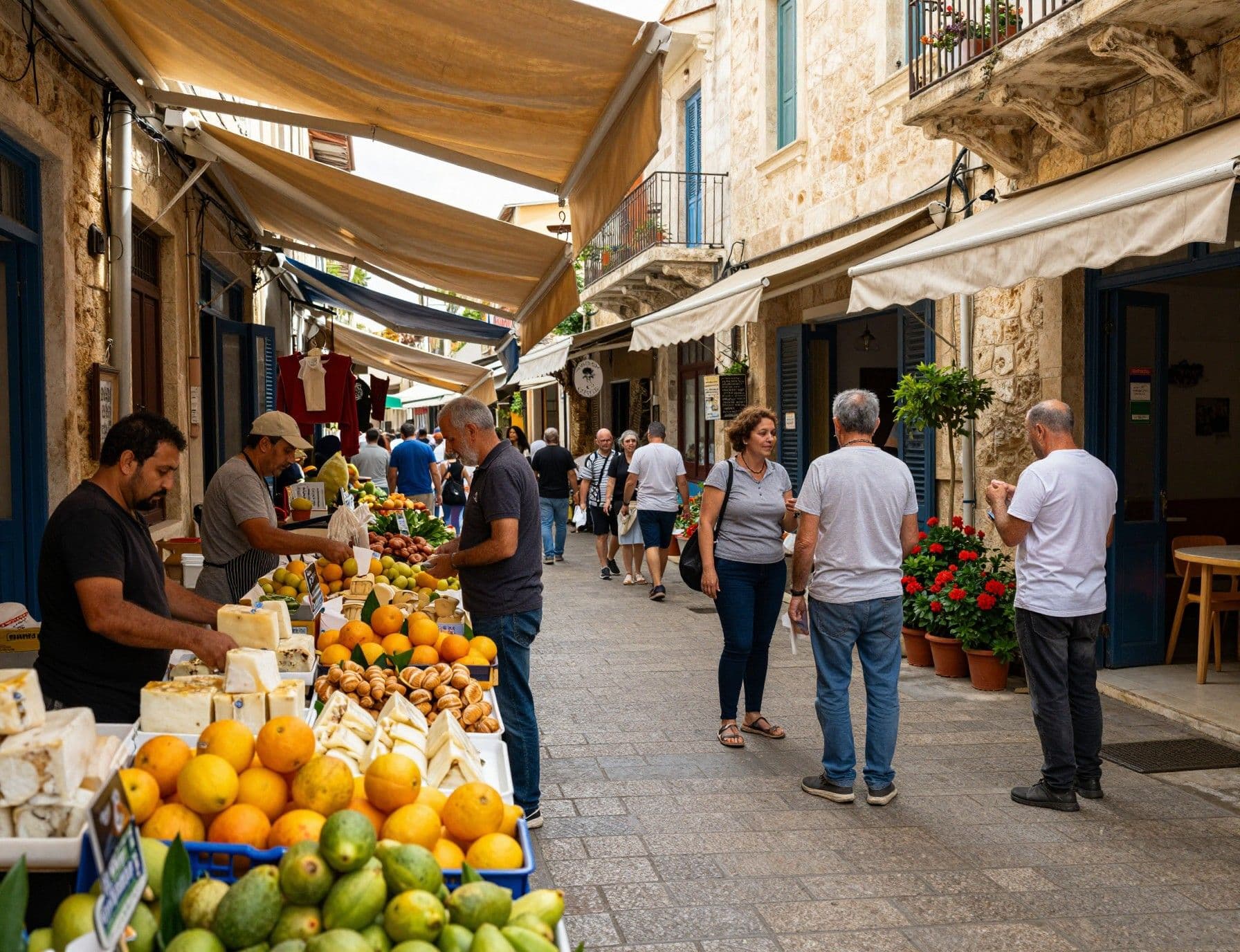
Cyprus moves at the pace of Mediterranean habit: late breakfasts, sunlit afternoons, and evenings that gather in tavernas. Whether you favour the stoic stone lanes of Paphos’ old quarter or the refined promenades of Limassol’s Molos, the island rewards a life lived outdoors. For international buyers, this means choosing a property for how it fits the day — a north-facing courtyard for summer shade, a windowed study that catches winter light, or a rooftop terrace tailored to long, sociable nights.
Neighbourhoods with character
Trust the particulars. In Nicosia’s old walled centre, narrow streets shelter restored townhouses with deep wooden shutters; in Ayia Napa, the coast encourages modern apartments with terraces and breeze; in Tala (near Paphos) you will find villas that balance country stillness with a minutes‑from‑beach rhythm. Each place prescribes a way of being — the cafe you will call your morning office, the market where you will buy citrus, the small church that marks village time.
Food, markets and weekend life
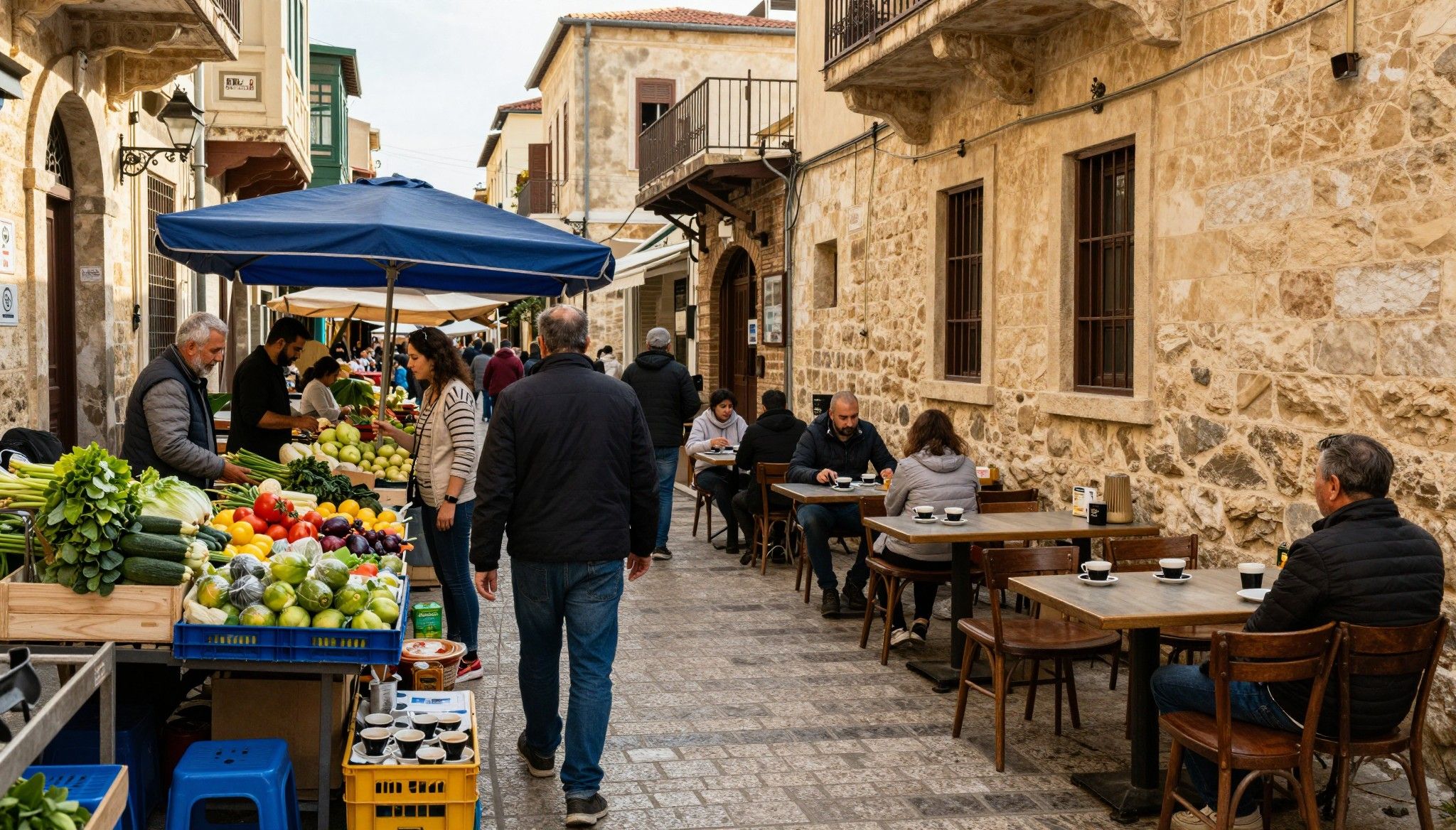
Begin at the municipal market in Limassol for halloumi and sun‑dried olives; end the day on a Molos bench watching fishermen mend nets. Festivals — from the spring wine fairs in the Troodos foothills to local church festas — change how a neighbourhood breathes and, for buyers, indicate the civic life that sustains property value. These rituals matter: they are the daily proof that a house is part of a living community, not merely a holiday asset.
Making the move: practical considerations
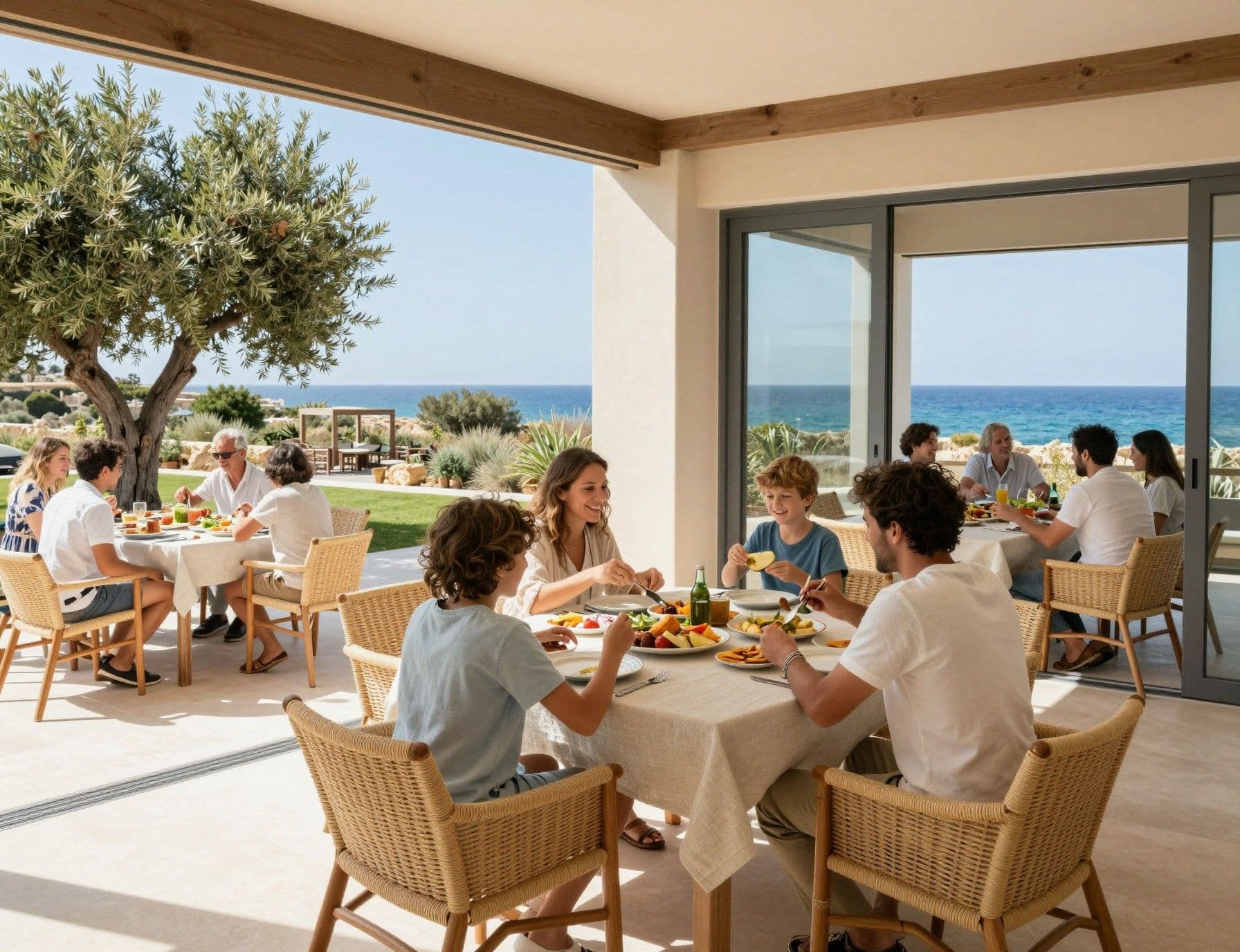
The romance meets bureaucracy at the contract stage. Timelines typically span three to six months, and whether you are buying resale or a new build determines not only costs but the documents you must prioritise. Helpful, practical advice is routinely collected in local guides and conveyancing resources, and a concise checklist before signing saves long delays at the Land Registry.
Property types and what they mean for daily life
A restored stone village house asks for stewardship: maintenance, traditional materials and sometimes specialist contractors. A modern seaside apartment offers low maintenance and rental potential but can also mean seasonal occupancy patterns in the neighbourhood. Recognise how building type shapes services, neighbours and long‑term costs before you commit.
Working with local experts who protect the lifestyle you bought
An experienced Cypriot solicitor and a local surveyor are the stewards of your ambition. They check title deeds, building permits and encumbrances; they lodge the sale agreement with the Land Registry within statutory windows; and they advise on VAT eligibility or transfer‑fee relief. Good advisors translate the island’s rhythms — seasonal market demand, municipal procedures, construction habits — into a predictable closing.
- Steps to align lifestyle intent with legal safety: 1. Agree a clear contract with phased payments tied to developer milestones or condition survey findings. 2. Commission a local surveyor for structural and boundary checks before final payment. 3. Instruct a Cyprus solicitor to verify title deeds, planning permissions and to lodge the agreement. 4. Confirm VAT or transfer‑fee status with your lawyer to avoid surprise costs at completion.
Insider knowledge: legal truths expats often miss
Here are the precise, sometimes counter‑intuitive facts that change outcomes. Transfer fees are levied on resale properties but may be exempt if VAT applied at first sale; stamp duty has been subject to legislative change in recent years and must be checked against current law; non‑EU purchasers commonly require Council approval for certain acquisitions. These matters affect both cashflow and the time it takes to secure title. Verify each against official notices before you proceed.
Title deeds, permissions and the Council of Ministers
A clear title is non‑negotiable. Many disputes arise from mismatched building permits or partial titles. Non‑EU buyers should note that the Council of Ministers’ approval is commonly required for freehold purchases of more than one property or for land intended for commercial use — though the process does not usually prevent a buyer occupying a home during the approval period. Your solicitor will confirm whether an application is necessary and will pursue it on your behalf.
Cost realities: VAT, transfer fees and stamp duty
New builds typically attract VAT (standard 19% with possible reduced bands for qualifying primary residences), while resales attract transfer fees on a sliding scale. Recent guidance from Cyprus tax practitioners highlights that stamp duty and other formal charges have seen legislative adjustment; always consult an up‑to‑date tax note before finalising price negotiations, since VAT versus transfer‑fee treatment materially alters the seller’s net receipt and the buyer’s immediate cash requirement.
- Checklist of red flags your lawyer should clear: • Missing or partial title deed for land beneath the building. • Unregistered extensions or absent building permits. • Irregular planning conditions that limit renovation or rental use. • Vendors with outstanding mortgages not properly discharged at closing. • Vague boundaries or shared access agreements that are not recorded.
What expats wish they’d known
Buyers frequently underestimate the social side of property stewardship. A house in a close‑knit village will ask for a different approach than a modern gated community. Expect to learn the rhythms of local associations, seasonal maintenance cycles and neighbourly expectations. These are not trivial: they determine whether the life you imagined arrives intact when the keys change hands.
Language, community and practical integration
English is widely spoken in professional contexts, but learning basic Greek phrases eases day‑to‑day transactions and builds goodwill. Join a local church festa or a food market once a month and you will know your neighbours faster than by any formal introduction. Practicalities such as waste collection schedules, water billing cycles and utility account set‑ups vary by municipality; your agent should brief you on these in neighbourhood terms, not as abstract lists.
Longer-term thinking: stewardship and resale
Treat a Cypriot purchase as an act of stewardship. Quality finishes, sympathetic restorations and respectful landscaping are the investments that preserve provenance and attract discerning future buyers. Properties that reflect genuine engagement with local materials and rhythms — stone walls, timber shutters, drought‑tolerant plantings — age into value; speculative short‑term tweaks rarely do.
- Practical next steps when you are ready: • Commission a short list of trusted Cypriot solicitors and local surveyors. • Ask sellers for copies of building permits and title deed extracts before visiting. • Request an itemised estimate of all purchase costs (VAT, transfer fees, legal fees). • Arrange a neighbourhood visit at different times of day to confirm the lifestyle fit.
Cyprus is a place where seasons, food and community shape the meaning of a home. Marrying that life with careful legal and fiscal preparation allows you to move here as an engaged steward, not a cautious tourist. Begin with neighbourhood curiosity, proceed with document discipline, and let a measured team of local experts translate an affection for place into a secure title deed. When you do, that Sunday morning by the harbour will have the permanence it deserves.
Villa CuratedDutch former researcher who moved to Lisbon, specialising in investment strategy, heritage preservation, and cross-border portfolio stewardship.
Related Articles
More insights that might interest you
 Villa Curated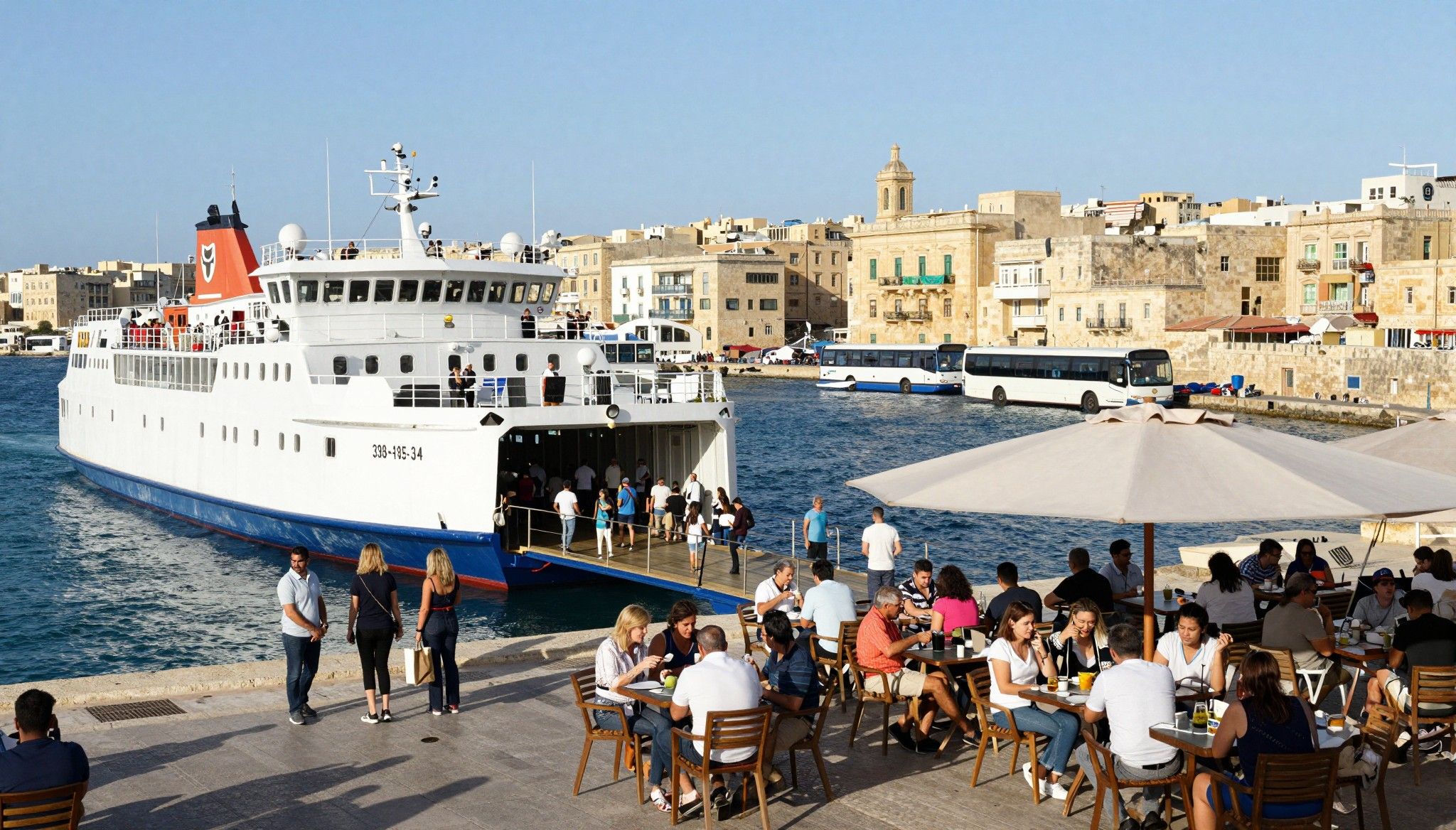
 The Yieldist
 The Yieldist


