
Why Title Clarity Matters More Than Views in Cyprus
Why title clarity and local customs matter as much as location in Cyprus—practical checks and legal steps that protect the life you want.
 Villa Curated
Imagine arriving in Limassol at dawn: small fishing boats, a baker on Spyrou Kyprianou laying out flaky koulouri, and a narrow lane where a neighbour greets you by name. Cyprus lives in neighbourhoods—coastal promenades, stone‑paved mountain villages, and the quiet courtyards of Nicosia—each with its rituals. For many international buyers the romance begins here; for wise buyers the romance is checked against the paperwork that will keep that life secure.
Living Cyprus: neighbourhoods that teach you how to live
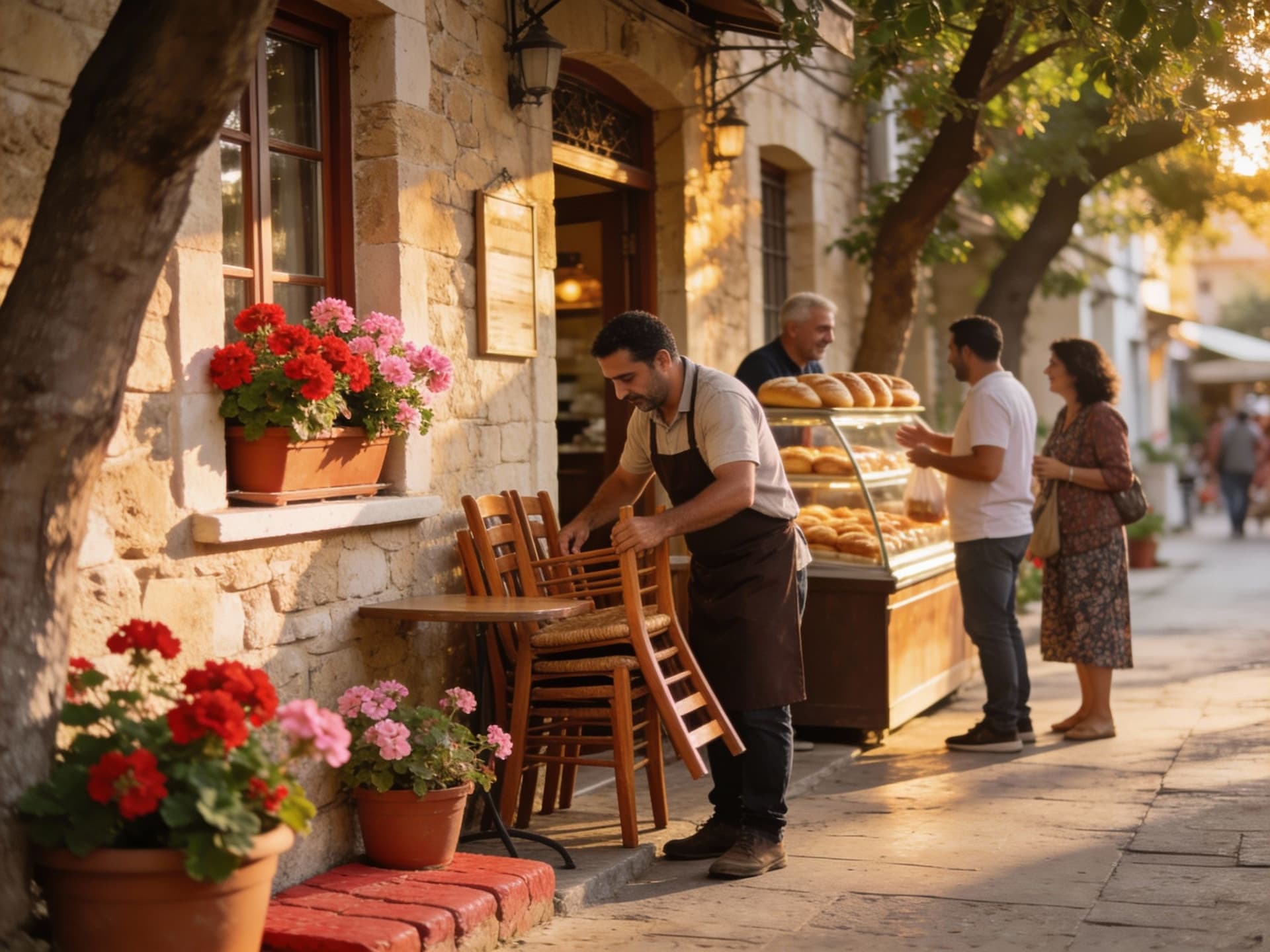
Cyprus’s rhythm is Mediterranean and measured. Mornings bring espresso at small cafés in Aya Napa or Agios Tychonas; afternoons are reserved for siesta‑slow sea swims and village markets; evenings for meze and conversation that runs late. Architecture ranges from Venetian‑influenced townhouses in Paphos to whitewashed modern villas in Protaras, each lending a different tempo to daily life — and different legal questions when you buy.
Where locals gather: Limassol's old port and tucked lanes
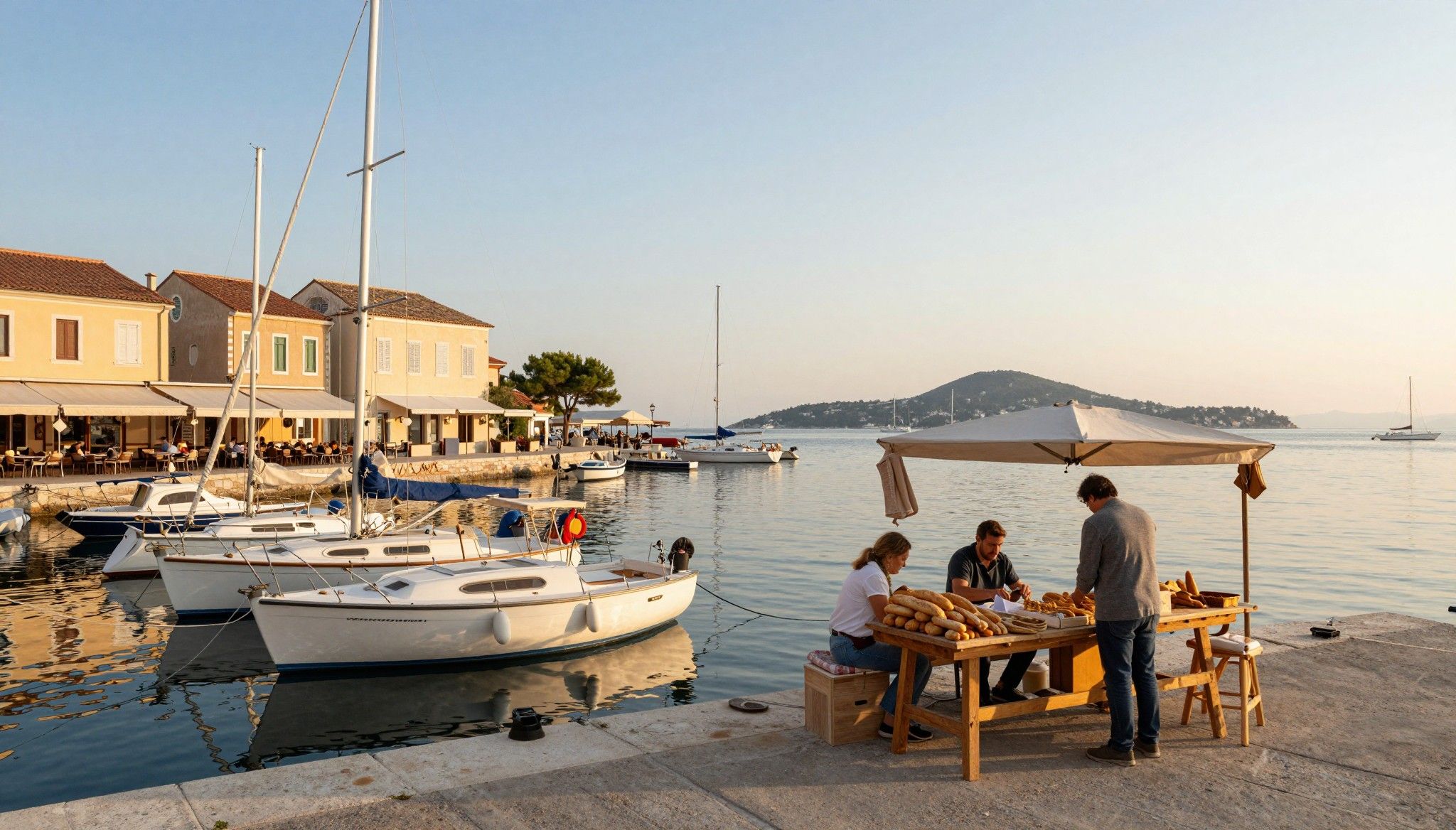
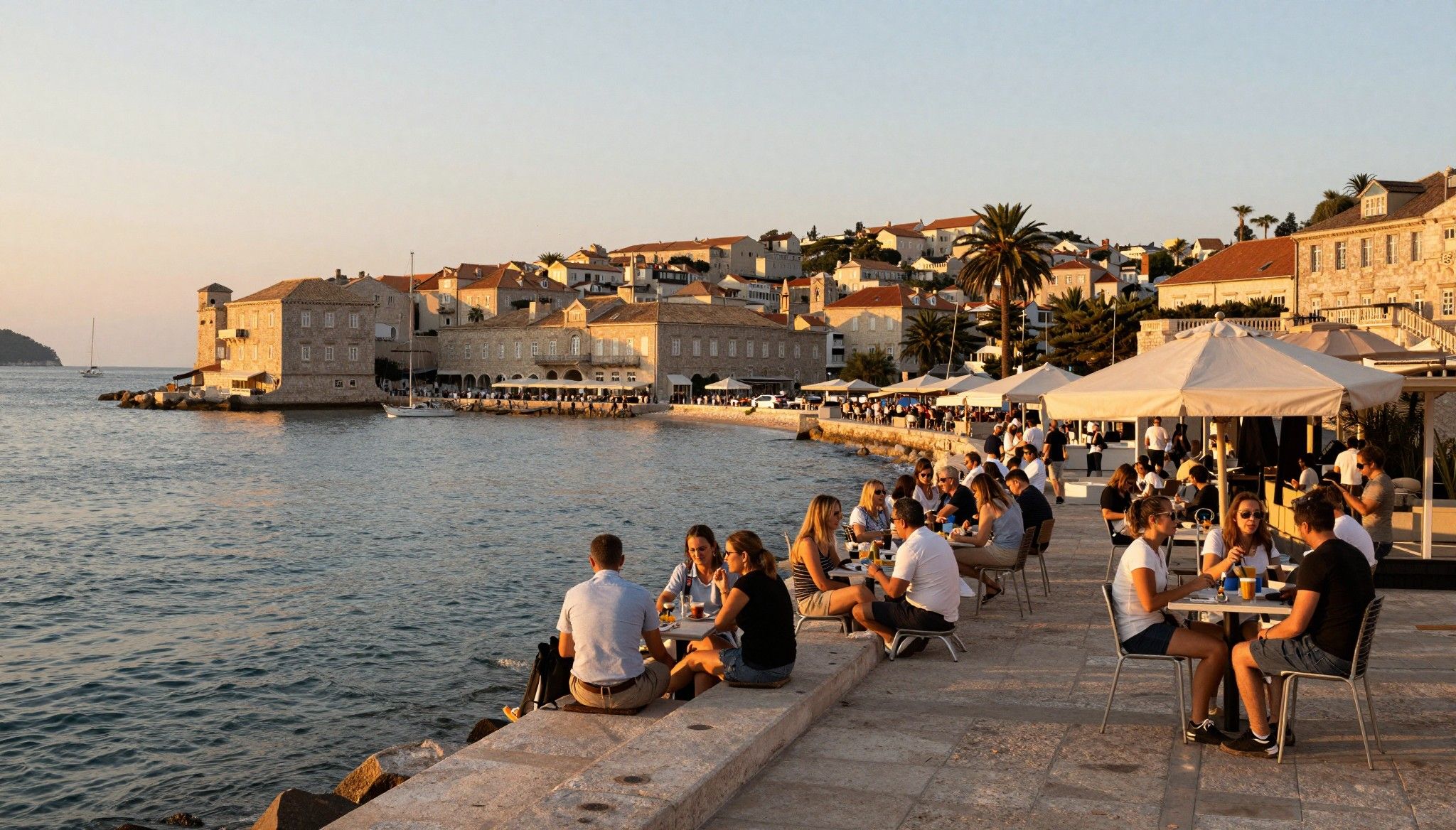
Walk the old port at sunset and you feel the city’s understated prosperity: restaurateurs restoring stone facades, galleries showing Cypriot painters, families strolling with children. Properties here are a study in layered value—proximity to cafes and marinas matters as much as title clarity. Local buyers prize clear deeds and contiguous plots; you should too.
Mountain villages: the appeal of Latchi and Omodos
In villages such as Omodos or the quieter corners of Troodos, life centres on a square, a church bell and a handful of family‑run tavernas. Stone cottages with timber beams offer privacy and provenance, but these properties often require careful checks for planning permissions, registered boundaries and servitude rights—matters that determine whether a renovation will honour the home's character or be halted at the registry.
- Lifestyle highlights to visit before you commit
- Morning espresso on the Limassol promenade; a Saturday market in Nicosia's old town; an evening meze at a family taverna in Larnaca; a coastal walk at Paphos lighthouse; exploring Troodos streams in spring.
Making the move: how Cyprus’s laws shape where you buy

The dreamy streets and tavernas are what you buy into; Cyprus’s legal framework is what lets you keep them. Non‑EU citizens must apply for permission to acquire property and are generally limited to owner‑occupation or a capped number of units. EU citizens face fewer formalities but still rely on local registry procedures to secure title. Start with the statute and district administration process before you fall for a view.
Property types & practical consequences
A seafront apartment bought as a developer’s 'first sale' may attract VAT and therefore avoid transfer fees; a traditional resale cottage will usually incur transfer fees calculated on Land Registry valuations. These differences affect negotiation, timing and your running costs—particularly for restoration projects where VAT is not relevant but planning permissions and ancient servitudes are.
How local experts protect the lifestyle you want
A lawyer experienced in Cyprus conveyancing will check title, confirm whether VAT applies, verify planning consents and request the District Administration permission for non‑EU purchasers when needed. A local agent who knows lanes and tavernas will ensure your home sits in the neighbourhood you love — but only the lawyer can turn that love into legal certainty.
- Practical steps that combine lifestyle and legal sense
- Inspect the neighbourhood at different times of day; commission a survey and title search; confirm whether VAT or transfer fees apply; secure a local lawyer and an independent valuation; apply for foreign‑buyer permission if required; sign with a clear timeline for transfer and registration.
Insider knowledge: expat lessons and legal red flags
Expat experience in Cyprus often hinges on one sober fact: not every beautiful plot is legally straightforward. Properties in areas linked to the island’s division have complex histories and legal risks. Recent prosecutions and court actions underline that titles, provenance and lawful chain of ownership are not mere formalities but matters of consequence.
Cultural nuances that change legal expectations
Cypriot sellers expect negotiations to be personal and patient; documentation is thorough and often held by lawyers rather than notaries. Many locals use powers of attorney to limit travel during conveyancing—an efficient practice for international buyers, provided the powers are correctly stamped and limited in scope.
Common red flags to watch for
- Unregistered extensions or garden walls; missing separate title deeds for apartments; planning permissions that do not match as‑built plans; properties marketed in the north with contested ownership; verbal promises about future permissions.
Transfer fees and stamp duty remain the single most tangible legal costs for buyers. Transfer fees are banded and often subject to a 50% reduction where no VAT applies; stamp duty is modest but obligatory on the contract. Use the official Land Registry calculator early in negotiations to avoid surprises.
A practical checklist for contract and closing
- Commission an independent survey; confirm title and any servitudes; check planning permits and as‑built plans; obtain a formal valuation for transfer fee calculation; agree which taxes (VAT, transfer fee, stamp duty) the seller pays; register the deed promptly with the Land Registry.
Years after a purchase you want the small pleasures—coffee on a shaded terrace, a neighbour’s olive oil, a village fête—to feel secure. In Cyprus that security is a function of paperwork as much as place. Fall in love with the lanes, then hire the local lawyer, order the survey and insist on clear deeds. The life you imagine will be the life you keep.
Villa CuratedFormer Copenhagen architect who relocated to Provence, offering relocation services, market analysis, and a curator’s eye for authentic regional design.
Related Articles
More insights that might interest you
 Villa Curated
 Villa Curated
 Villa Curated