Close in Croatia During Truffle Season
Buy during Croatia’s seasonal life—like Istria’s truffle months—to gain negotiation leverage, meet stewards of place and close with practical sustainability, backed by local law and market guidance.
 Moss & Hearth
Imagine waking on a soft autumn morning in Istria, the air threaded with wood smoke and the faint, unforgettable scent of white truffle from the market. You stroll past stone houses with rosemary spilling over low walls, coffee steam warming your hands, and a local vendor—who knows your name—wraps a warm slice of prsut for the road. This is the kind of day that turns search lists into commitments. But timing, negotiation and stewardship matter. In Croatia, the rhythm of the year—truffle and grape harvests, the quieter shoulder seasons—shapes both lifestyle and leverage at closing. According to recent analysis, understanding local windows and the legal landscape gives buyers practical advantages when they move from dreaming to owning.
Living the Croatian life: seasons, streets and senses
Croatia is many lives at once: a slow, limestone‑bright coastal existence in Rovinj and Hvar; a terraced, olive‑scented inland Istria where harvests punctuate calendars; and a lively, café-lined urban pulse in Zagreb. Days are defined by proximity to sea or forest—morning markets, late‑afternoon naps, and dinners that celebrate seasonality. The country’s character is tactile: sun-warmed stone, pine smoke, salt on the air and the sound of fishermen sorting lines in the harbour. These textures matter when you choose a home—do you want sea breezes that make passive cooling meaningful, or a sheltered courtyard that extends your garden season?
Istria & Motovun: truffles, vineyards and the civilized countryside
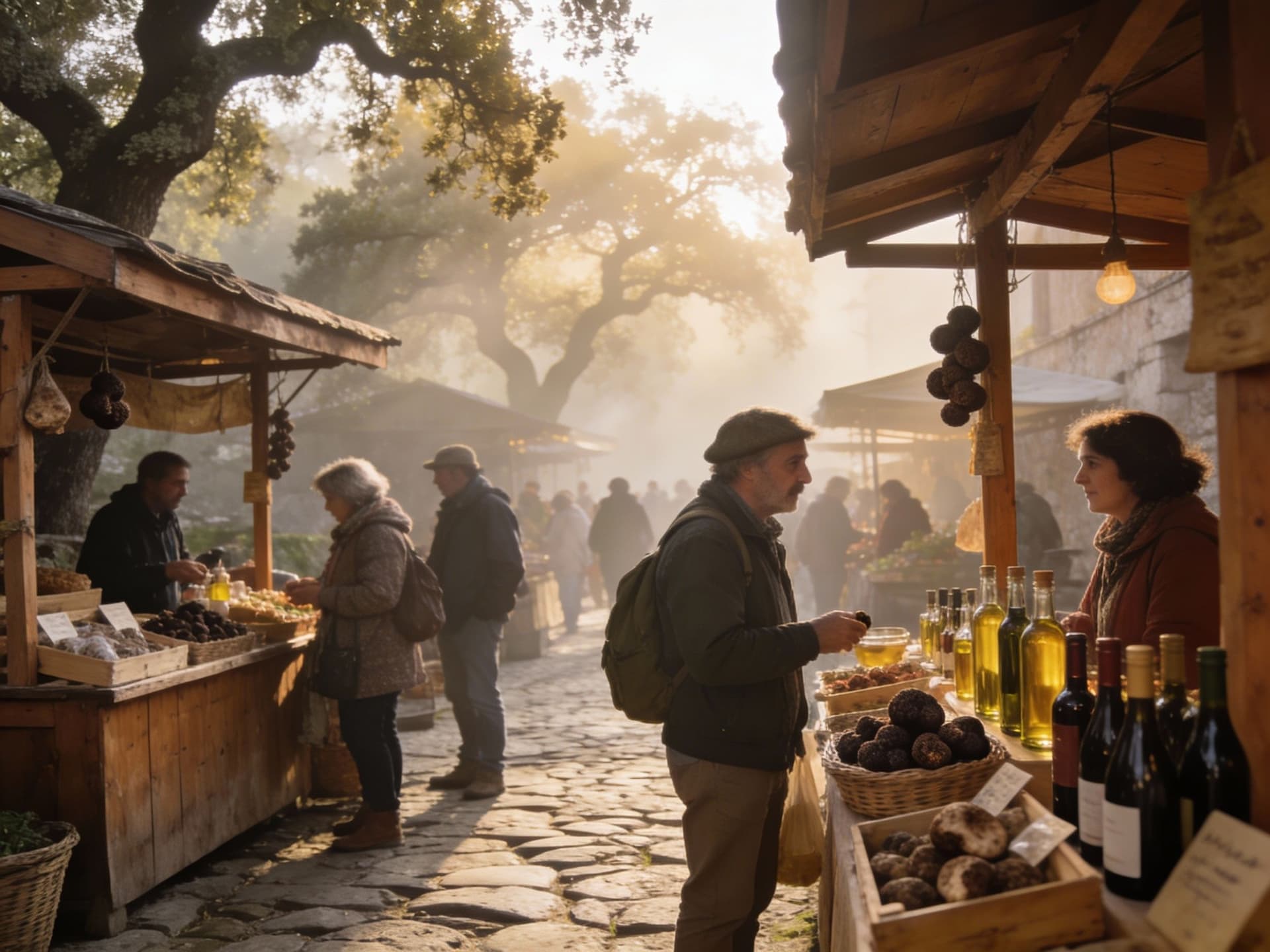
Picture narrow lanes of Motovun, a hilltop town framed by oak forests where October to December brings truffle hunts, festivals and a surge of culinary life. This is the season when small konobas host dinners that turn strangers into neighbours, and when buyers who show up experience the social capital of local life. The truffle festivals and guided hunts are not just tourism—they’re gateways to relationships with producers, restaurateurs and artisans who will become your stewards of place.
Coast & islands: Split, Hvar and hidden coves
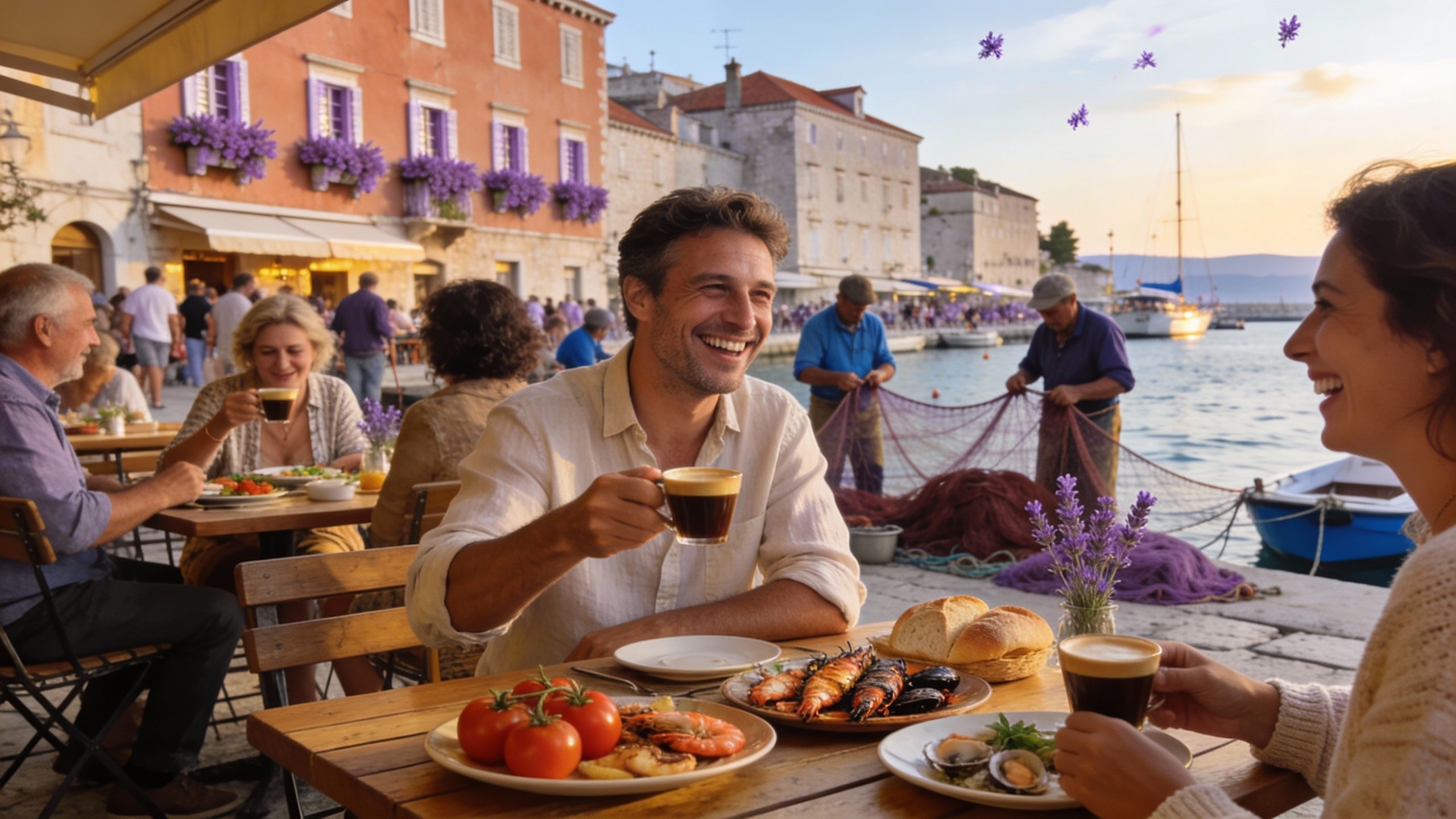
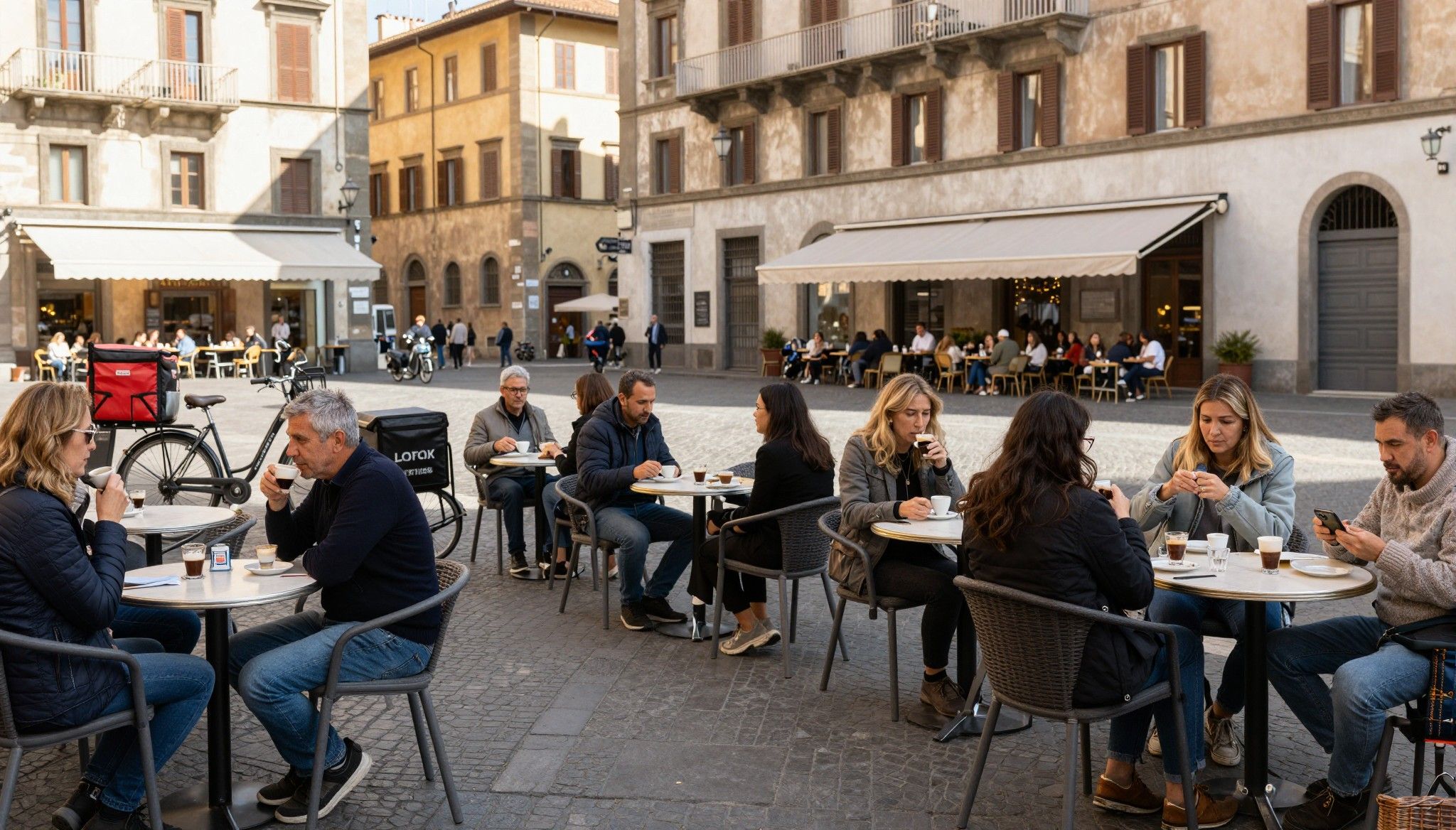
On the Dalmatian coast, mornings begin with espresso on stone promenades, and evenings happen on terraces that fall slowly into the sea. Hvar’s lavender and nightlife are balanced by small nearby islands where fishermen still mend nets. Split’s Veli Varoš and Varoska streets host neighborhood cafés and old stone houses with sea views—places where a weekend swim and a local neighbour’s olive oil become part of your routine. When you imagine life here, think about how the house will perform across seasons: insulation against winter nortes, shaded pergolas for summer, and maintenance rhythms for salt‑air wear.
Making the move: practical choices that honor place
Lifestyle is the heart of choice, but the closing table demands attention. EU citizens enjoy more streamlined rights; non‑EU buyers often rely on reciprocity rules or use Croatian companies to purchase. Real estate transfer tax, VAT rules and ministry consents can affect timing and negotiation. Showing up during a season where local life is active—like truffle season—helps you meet the people who influence permitting, restoration trades and stewardship. Local expertise shortens the distance between a romantic wish and a realistic ownership plan.
Property types that support a regenerative life
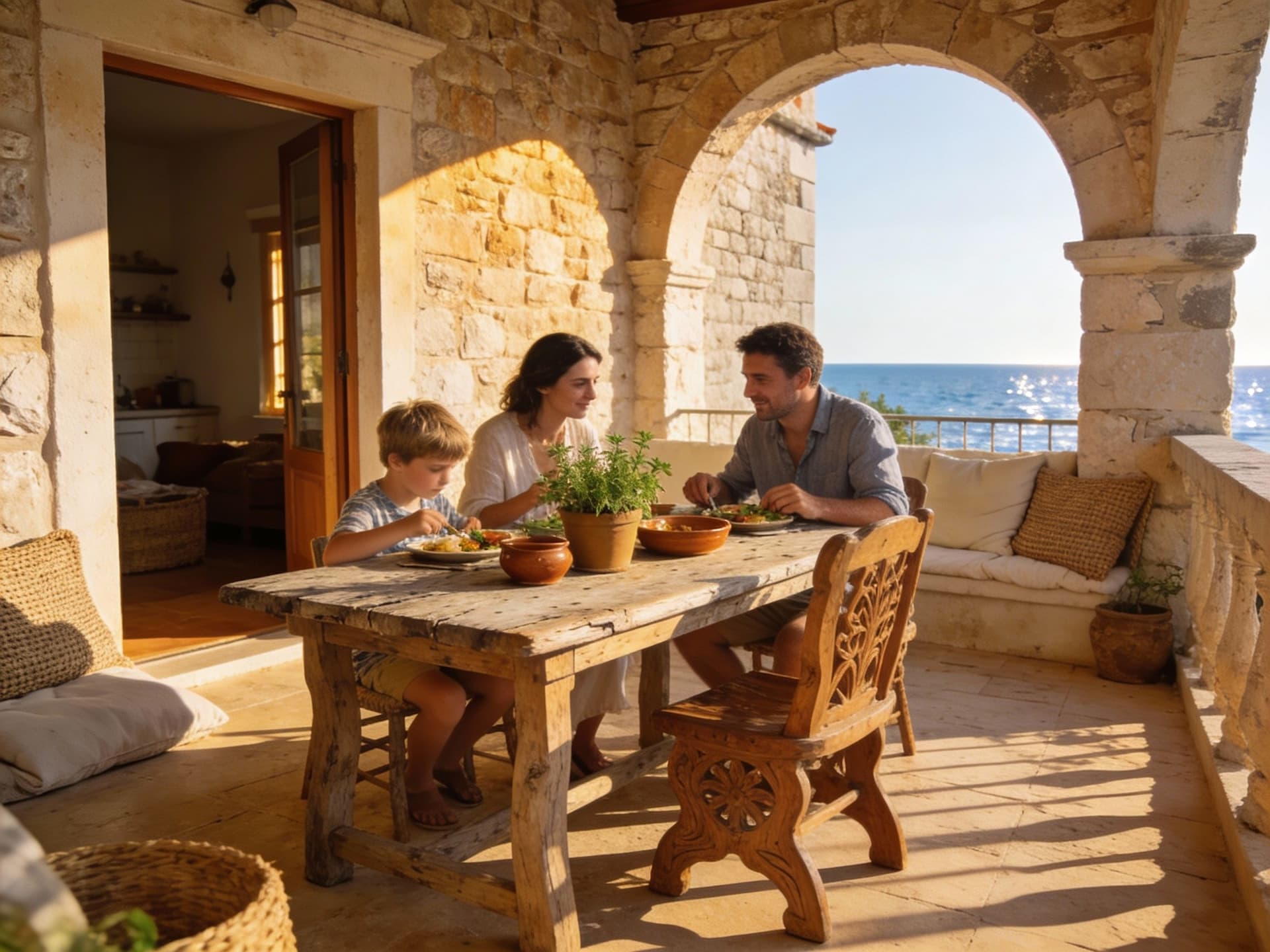
Stone houses with thick walls and small windows are naturally cool in summer and warm with a wood stove in winter; olive terraces and small vineyards reward hands‑on stewardship; new eco‑builds with solar, rainwater collection and high‑efficiency glazing support low‑impact living. Match the building to your life: if you dream of market mornings and neighbourly dinners, a compact, walkable stone house in Rovinj or Veli Varoš may be more fitting than a secluded modern villa that demands a car and year‑round maintenance.
How local agents and specialists protect lifestyle value
A good local agency does more than show listings: they introduce you to olive growers, recommend masons who repair lime mortar, and help you time offers when seller sentiment is right. They can advise whether a property needs Ministry consent for a foreign buyer, estimate realistic renovation timelines, and assess how a house will age with salt, sun and sea. Choose partners who demonstrate stewardship: those who value native plants in landscaping, energy reductions over flashy upgrades, and long‑term community integration.
Insider knowledge: timing, negotiation and red flags
Contrarian truth: the local festival season—truffles in Istria, harvests inland—can be the best time to buy. Sellers who have lived through summer rushes are more realistic in autumn; craftsmen and builders are back from seasonal work, and local communities show their true pace. Arrive during a festival and you’ll quickly see whether a village is alive year‑round or simply tourist‑bright. That insight translates to negotiating power and clearer stewardship expectations.
Red flags to notice when you fall for a view
Missing utility records; unclear land boundaries; properties offered only off‑market without verifiable title history; sellers unwilling to allow an independent survey; excessive promises about future permits. These are the moments to pause. Practical stewardship begins before purchase: secure accurate cadastral and building records and speak to neighbours about water, drainage and maintenance costs.
Step‑by‑step: closing with lifestyle and stewardship in mind
1) Visit during a seasonal anchor (e.g., Istria’s truffle season) to sense year‑round life. 2) Commission a local survey and energy/maintenance estimate. 3) Verify reciprocity/consent needs for non‑EU buyers and consider a local company structure if needed. 4) Negotiate timing to align with builders’ availability and festival‑quiet months for lower asking prices. 5) Close with a written stewardship plan: energy upgrades, native garden plan, and a local property manager introduction.
Longer view: what owners wish they’d known six months in
Integration, language and seasonal rhythms
New owners often say their biggest surprise wasn’t paperwork but ritual: the weekly market rhythm, the unspoken rules of tenant‑owner relationships, and a calendar shaped by olive and grape harvests. Learning a few phrases, joining local gatherings and supporting seasonal producers bring fast returns in community trust and long‑term stewardship. Investing in native plantings, a solar water heater, or a cistern early on will reduce maintenance headaches and embed your home in local ecology.
Conclusion: fall in love with the life, but close with care
Picture that first winter in a stone house warmed by a wood stove, or an autumn table crowded with the friends you met at a truffle festival. Those images are the point of this journey—Croatia rewards patient, place‑centred buyers. But the closing moment is where romance meets responsibility. Move slowly, use local experts, time your offer to when communities reveal their true selves, and plan stewardship now so the life you love endures. When you marry seasonal curiosity with careful due diligence, you don’t just buy property in Croatia—you become part of its next chapter.
Moss & HearthNorwegian market analyst who relocated from Oslo to Provence; guides investors with rigorous portfolio strategy and regional ecological value.
Related Articles
More insights that might interest you
 The Yieldist
 The Yieldist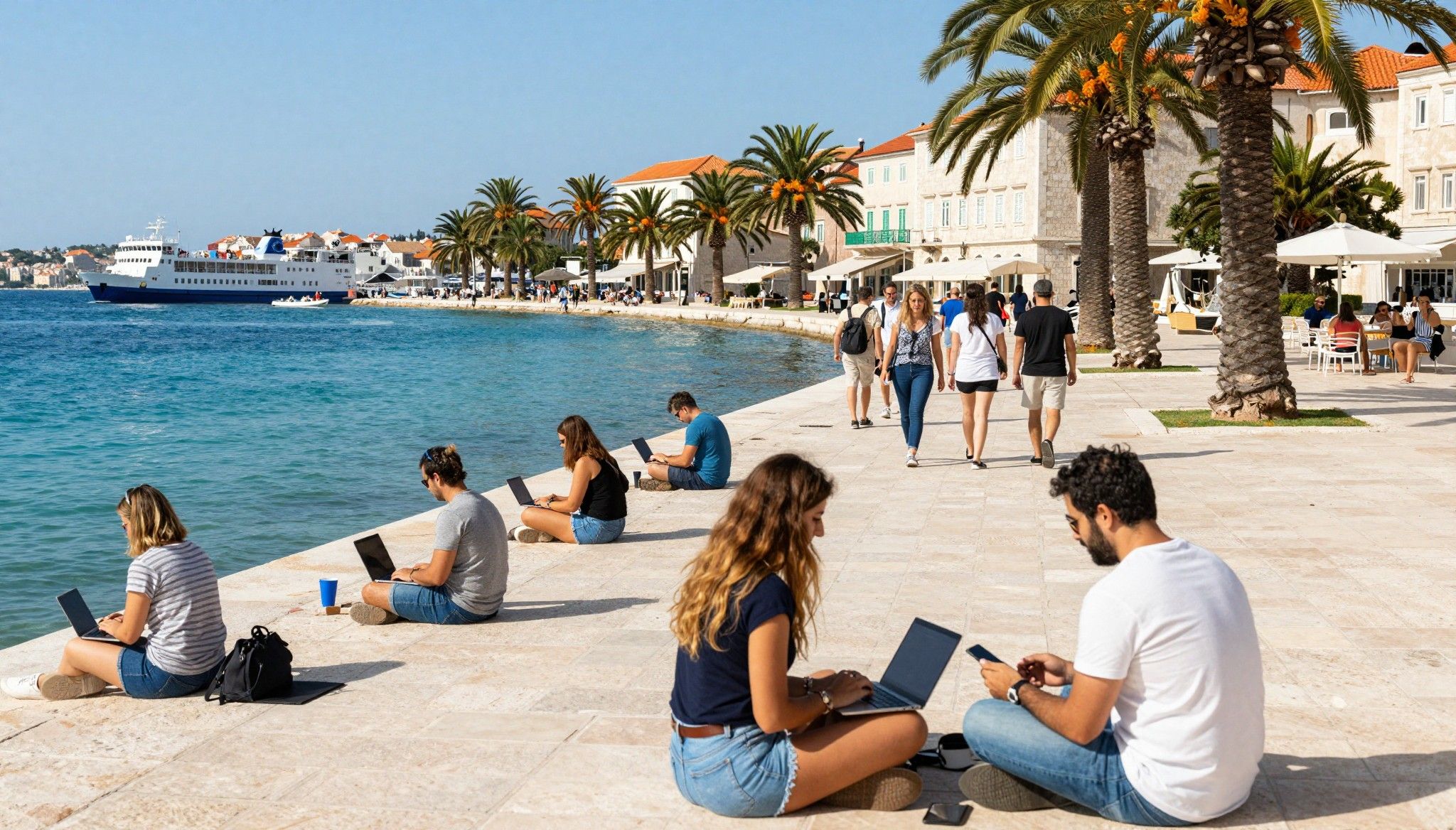
 MoveSettleGo