Why France’s Tax Myths Cost You More
A lifestyle‑first look at French property taxes: how capital gains, IFI and ownership structures quietly shape where and when international buyers should buy.
 Villa Curated
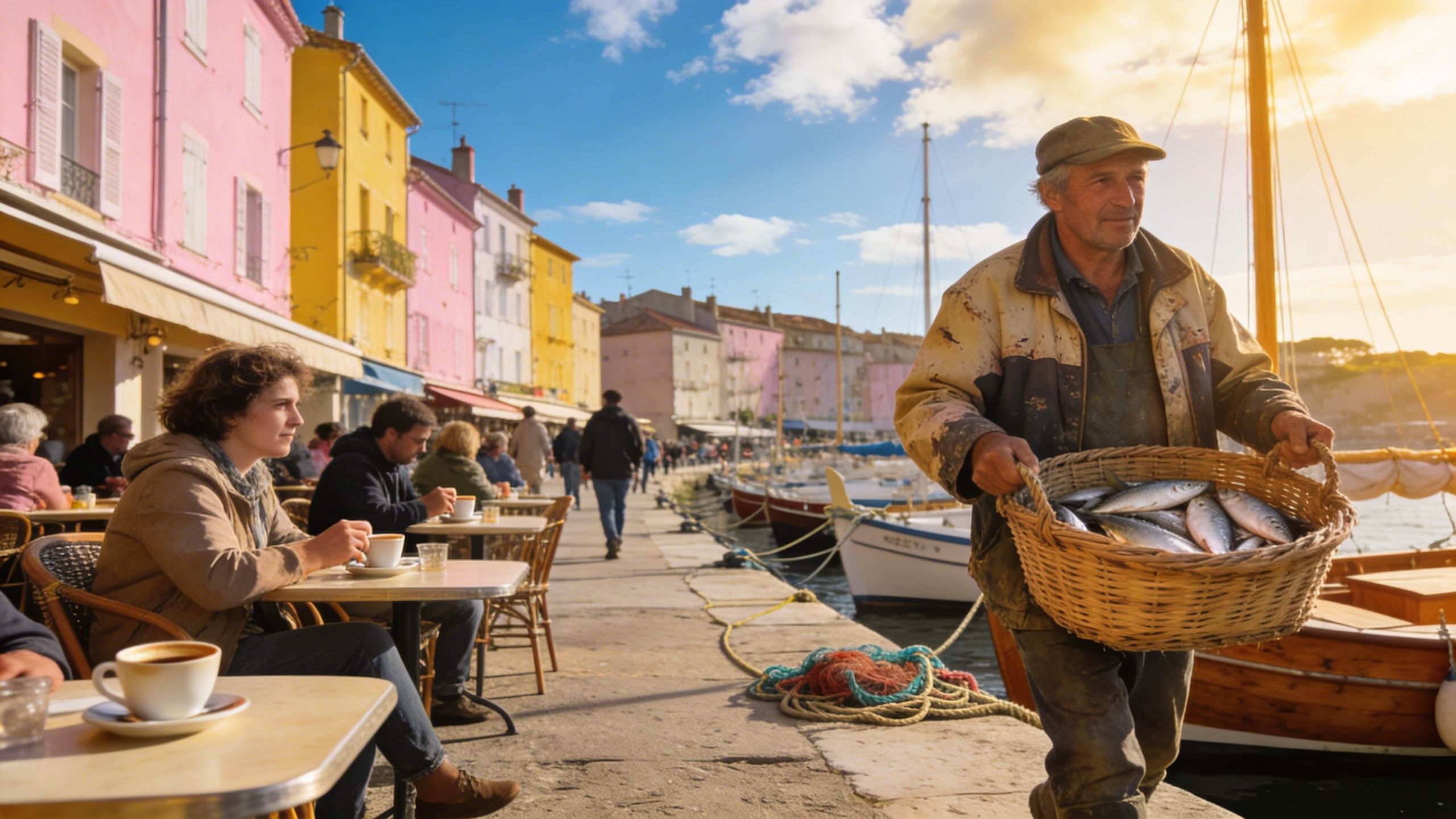
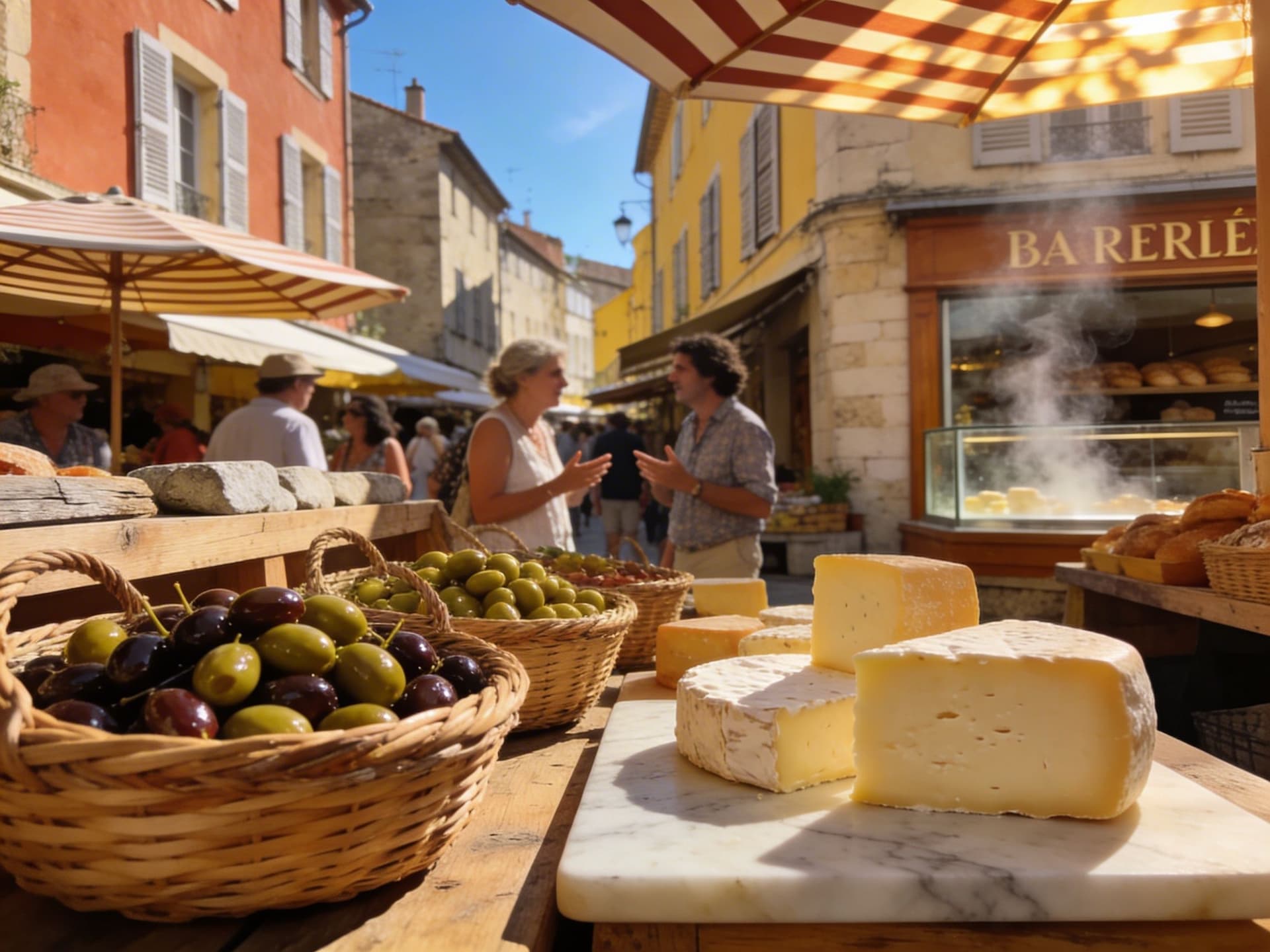
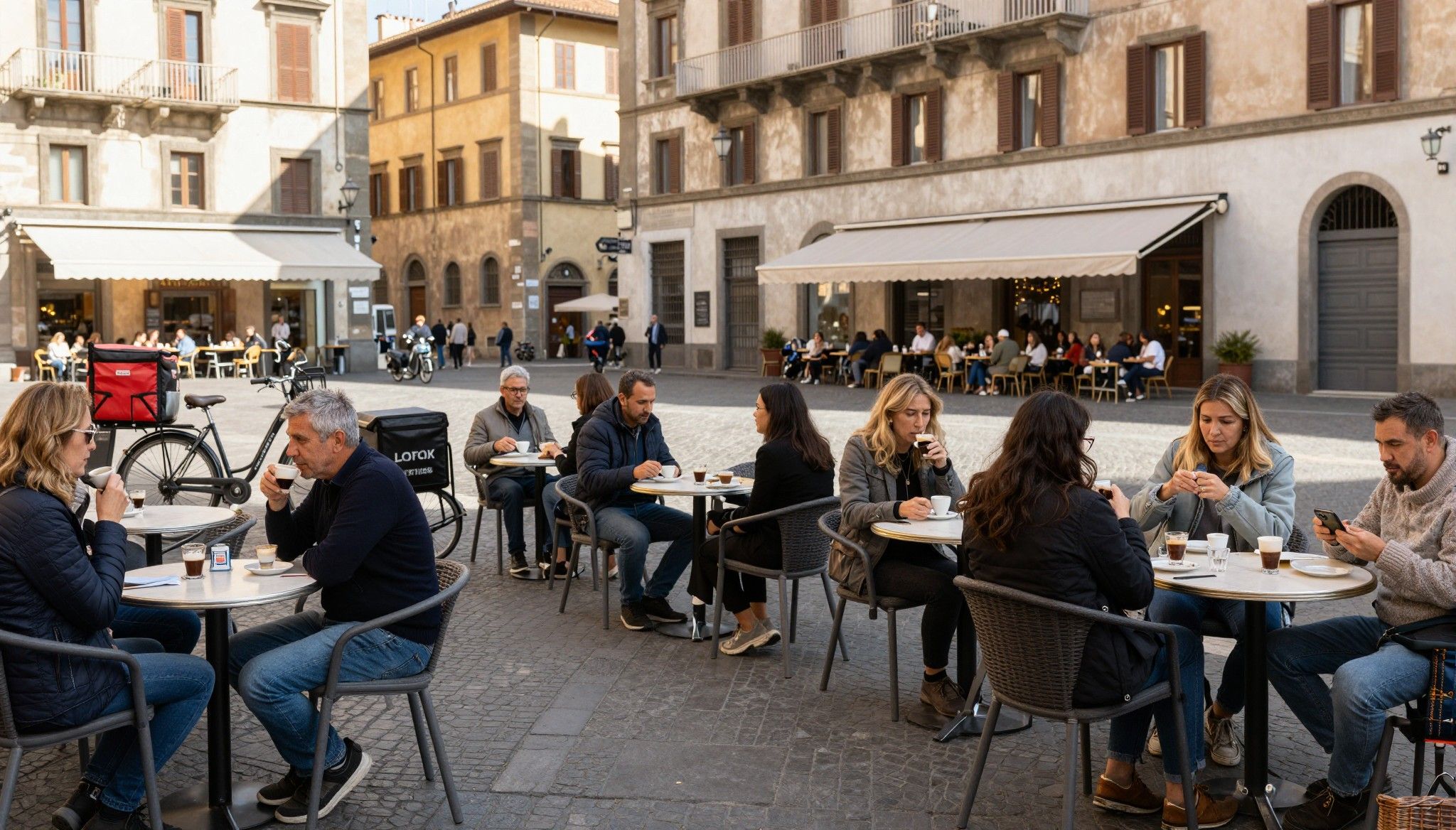
Imagine an autumn morning in Aix‑en‑Provence: a boulangerie’s window steamed, honeyed light falling across limestone façades, and a neighbour exchanges cuttings over a gate. That ease — markets, regional craft, small rituals of daily life — is what draws buyers to France. Yet the leap from longing to ownership is littered with assumptions about taxes and cost that quietly reshape which neighbourhoods, property types and seasons actually suit your plan.
Living the French life — tangible, not romanticised
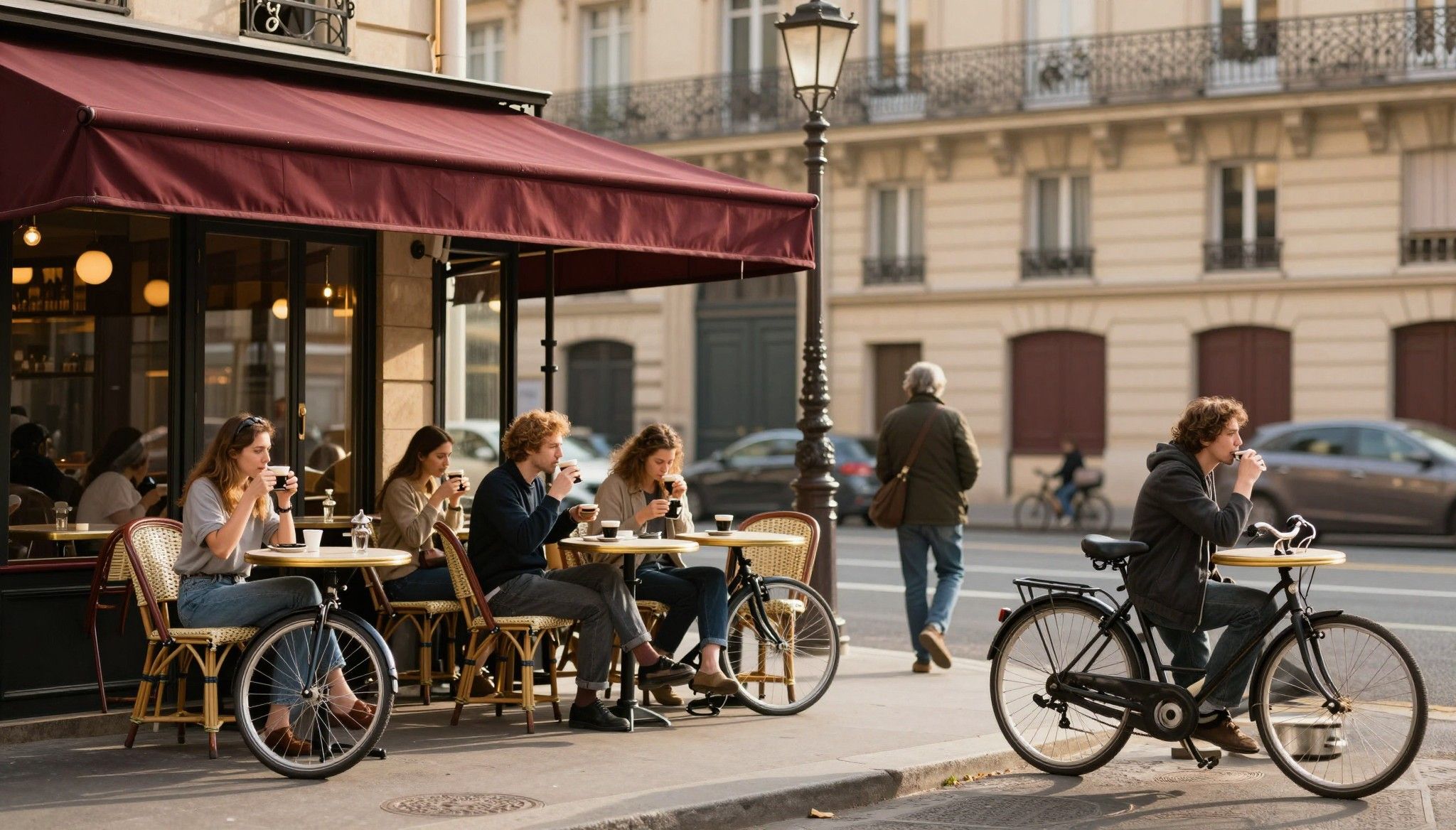
France is not one experience but many: Parisian mornings of small cafes on rue Saint‑Honoré, the glazed light of Côte d’Azur afternoons in Villefranche‑sur‑Mer, and the quiet of a stone farmhouse off the D999 in Dordogne. Each place imposes a rhythm — a market day, a fête communale, a season of truffles or grape harvest — and those rhythms determine how you will use a property and what taxes or costs matter to you.
Paris and Île‑de‑France: urban provenance and stewardship
In central Paris, an apartment is as much cultural capital as shelter; Haussmannian details, carriage‑way entrances and private concierge services shape living costs beyond the mortgage. Ownership implies familiar obligations: higher property taxes, stricter co‑ownership rules (copropriété), and often an expectation of continual maintenance — factors that affect long‑term tax planning and the attractiveness of letting the flat seasonally.
Provence, Dordogne, Riviera: seasonality that changes tax logic
A Provençal village house or a villa near Nice offers sunlight and a market‑life that feels endless in summer. But seasonal use can trigger different tax treatments — from local taxe d’habitation legacy issues (phased out for primary residences but still relevant historically) to income classification if you let the house. Practical planning must account for how often you occupy it and whether you intend short‑term rentals.
- Lifestyle highlights: market mornings at Marché des Capucins (Bordeaux); afternoon espresso on Place du Marché (Saint‑Germain‑en‑Laye); truffle season dinners in Périgord; coastal walks on the Sentier du Littoral (Côte d’Azur); winter skiing days from Méribel chalets.
Making the move: practical considerations that honour the life you want

Dreams meet paperwork in specific ways. Recent indices from Notaires and INSEE show price stabilisation in many regions, which matters: a market that has moved from frenzy to measured growth alters timing — and the tax calculus of capital gains, wealth tax (IFI) exposure and amortisable renovation costs. Where you plan to live — full‑time, seasonally or as a let‑investment — should guide the legal structure you choose before exchange.
Which property type suits your life (and tax profile)?
A small townhouse in Lyon behaves differently under French tax law than a seaside villa held via an SCI (Société Civile Immobilière). Direct ownership may simplify principal‑residence exemptions, while ownership through an SCI affects how IFI and capital gains apply. For those with global portfolios, IFI can create surprise liabilities; planning early — and calculating on current law — preserves lifestyle choices without late‑stage restructuring.
Working with local experts who respect the life you want
- Good advisors align fiscal strategy with daily life: 1) a notaire to secure clear title and stamp duty calculations; 2) a bilingual tax adviser to model IFI, income tax on rentals and cross‑border treaties; 3) an architect or surveyor to estimate restoration costs that may be deductible; 4) a local agency to find properties whose pattern of use matches your tax profile and temperament.
When taxes are folded into lifestyle decisions — choosing a hamlet with a lively marché or a quiet wine village — the result is durable. A house that guests love and you inhabit six months a year often outperforms a full‑time rental play when measured for happiness rather than headline yield.
Insider knowledge: what expats wish they’d known about French taxes
Expat experience is practical: the small misreadings of tax law have outsized lifestyle consequences. International owners often assume capital gains exemptions are generous; in France the rules depend on duration of ownership and residence status. The official guidance from impots.gouv explains the allowance schedule and which social levies may apply to non‑residents — details that alter whether a short‑term sale is viable or costly.
Capital gains on French property are taxed at 19% for non‑residents, with a duration‑based allowance that provides exemption after 22 years for income tax and after 30 years for social levies. These are technical but decisive facts: short ownership windows or ill‑timed sales after renovation can erase the expected profit. A careful cashflow model — including notary and registration costs — protects both lifestyle plans and returns.
Cultural and seasonal realities that alter tax choices
Consider these practical realities before you commit:
- Owning in a ski resort often means higher local taxes and maintenance outside season; plan for communal charges and winterisation costs.
- Seaside villas may attract tourist‑tax obligations and stricter rental rules — local mairie rules can vary widely.
- Buying through an SCI helps succession planning and shared ownership but complicates principal‑residence exemptions; its utility depends on your heirs and usage.
- A step‑by‑step check before offer signature: 1) model after‑tax yield and cashflow for three usage scenarios (primary, seasonal, rental); 2) request a notaire’s preliminary calculation of transfer taxes; 3) confirm residency implications with a cross‑border tax adviser; 4) survey major works and get formal estimates to include in fiscal depreciation plans.
Data and authority beneath the romance
Market indices from Notaires and INSEE indicate modest price movement across 2025, with regional variation between Île‑de‑France and provincial markets. For tax specifics — capital gains allowances, rates and social levies — the French tax administration maintains current guidance for non‑residents online; these pages are the authoritative starting point for modelling a purchase and future sale.
Conclusion: keep the lifestyle at the centre — and make tax planning the scaffolding
France rewards those who combine a love of place with meticulous planning. Start with a vivid sense of daily life — the market, the café, the neighbours — and then engage a notaire and a bilingual tax adviser before you sign. With the right structure, you preserve the life you came for and avoid tax surprises that can quietly unmake a good purchase.
Villa CuratedHaving moved from Stockholm to Marbella in 2018, I help Scandinavian buyers navigate Spanish property law, restoration quality, and value through authentic provenance.
Related Articles
More insights that might interest you
 Villa Curated
 The Yieldist
 The Yieldist


