Croatia: Due‑Diligence Moves That Protect Your Dream Home
Combine Croatia’s sunlit lifestyle with smart legal checks: confirm title, VAT vs transfer tax, and Ministry approval for non‑EU buyers to protect your dream home.
 MoveSettleGo
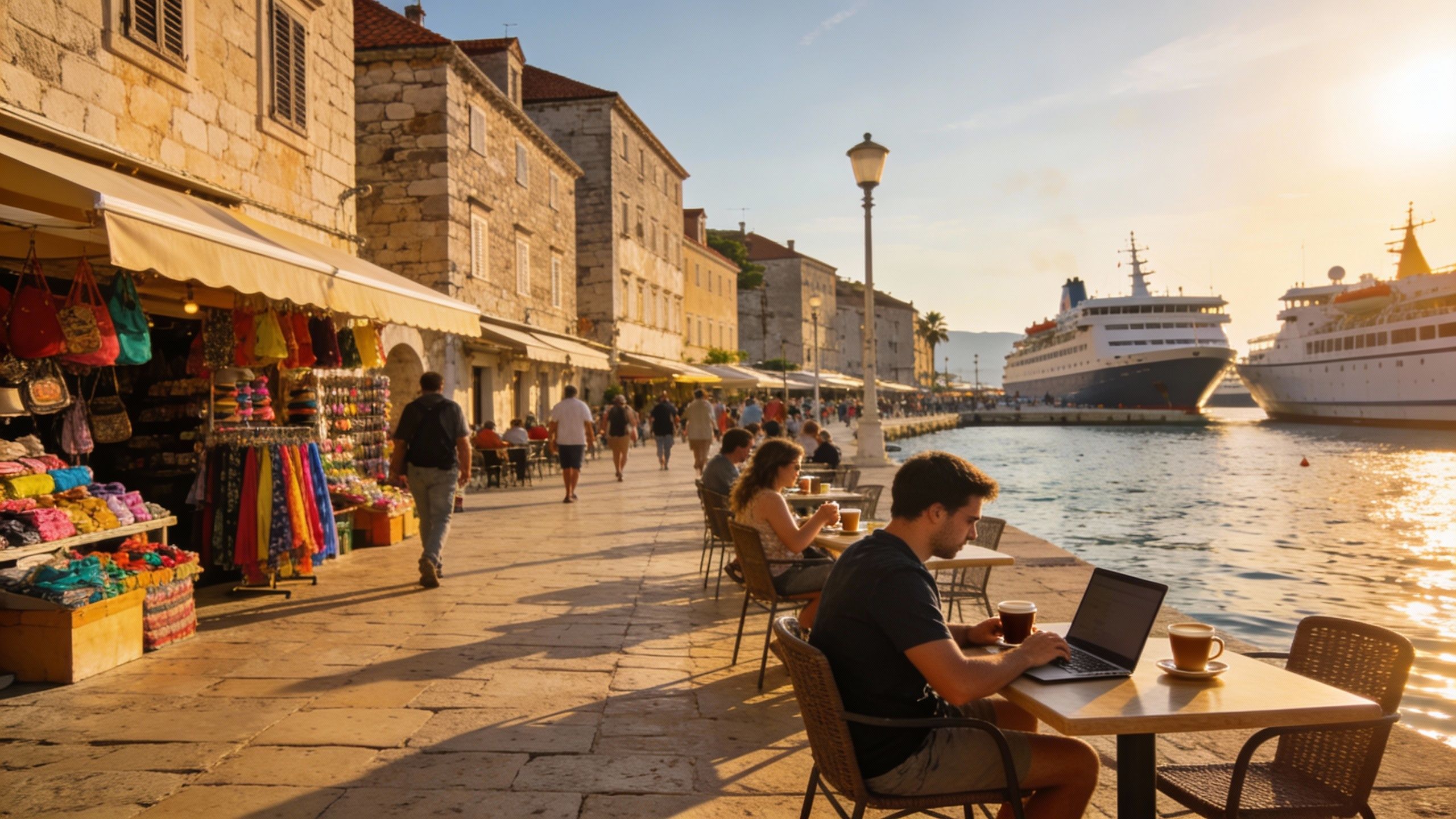
Imagine stepping out onto a sunlit terrace in Split, espresso in hand, the sea glittering off the Riva while your laptop hums beside you. Croatia’s coast feels like a postcard: stone alleys, market stalls overflowing with figs and cheese, and neighbourhood kafanas where people linger long into the evening. But beautiful afternoons and easy pace don’t replace the hard checks you need before signing. A few legal missteps — missed encumbrances, a VAT vs. transfer-tax mix-up, or a slow Ministry approval for non‑EU buyers — can turn that terrace dream into a paperwork nightmare.
Living the Croatia lifestyle
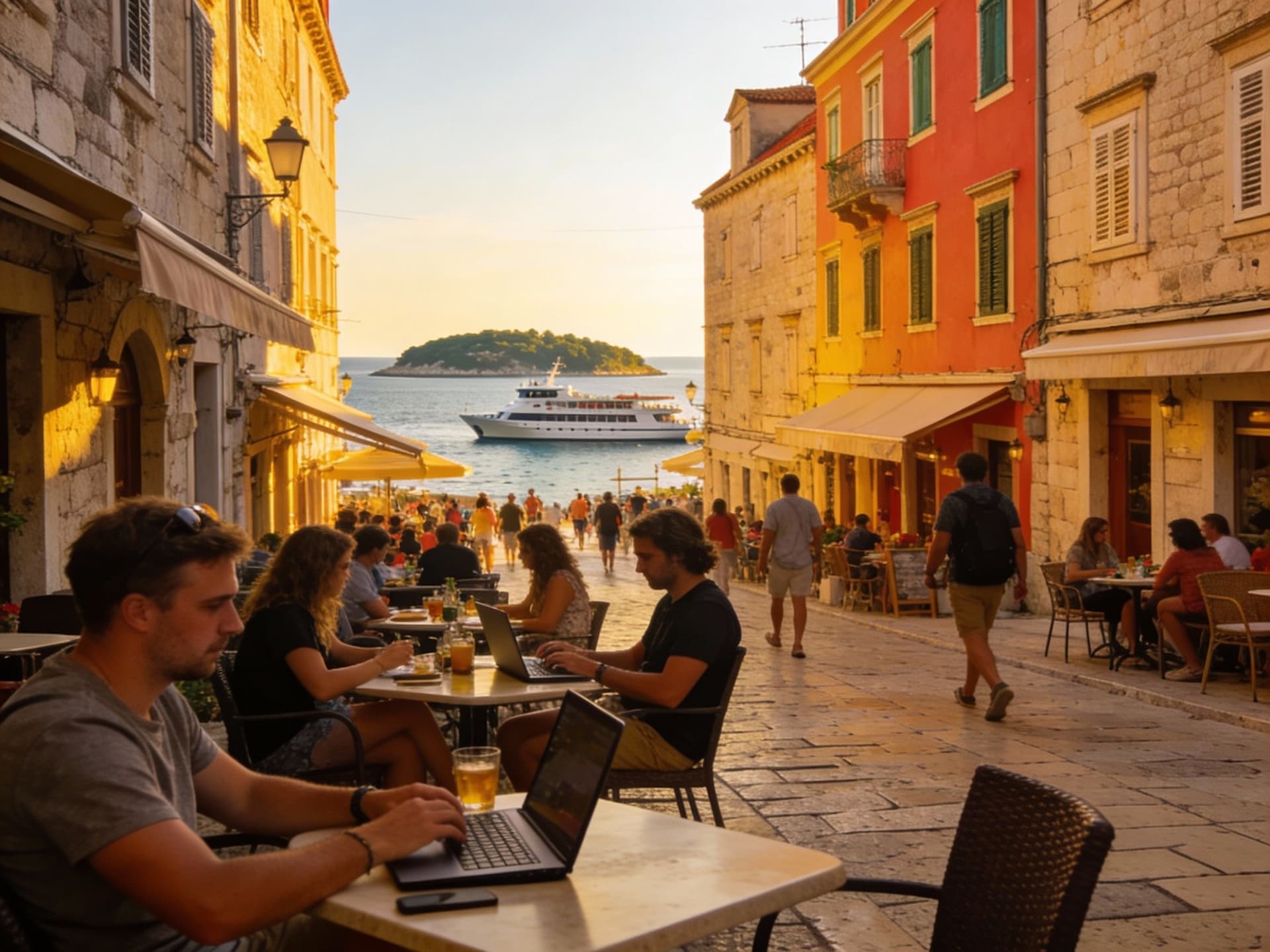
Croatia is a life of late breakfasts, weekend island hoppers, and neighbourhoods that feel like extended families. Picture walking from a morning market in Hvar’s small port to a coworking space with strong fibre, or cycling through Zagreb’s leafy streets and pausing for burek. Each region has a distinct rhythm; the Dalmatian coast is social and sun‑driven, Istria leans into slow food and truffle hunts, and continental towns offer calm winters and culture hubs.
Coastal pockets: Split old town, Bol (Brač), Hvar town
In Split you’ll hear morning bells and see freelancers packing laptops into cafés like Kavana La Luna; Bol on Brač is all wind-surfers and pebble beaches with friendly pension owners who know everyone; Hvar town mixes nightlife with lavender markets and quiet lanes where restorations hide behind stone façades. These places are social magnets — great for meetups and short‑term rentals — but also bring seasonal rental volatility to factor into your due diligence.
Istrian slow‑food life and continental calm: Rovinj, Pula, Zagreb’s neighbourhoods
Rovinj’s cobbled streets and Pula’s Roman amphitheatre are anchors for a food‑centric lifestyle; inland Istria rewards weekend truffle hunts and small vineyards. Zagreb’s neighborhoods — like the relaxed Đorđić or buzzing Tkalčićeva — combine coworking spaces, galleries and reliable year‑round services that remote workers love. If you want stability and fewer seasonal swings, these areas often offer steadier rental demand and public services.
- Morning markets (Dolac, Split’s green market); island ferries for weekend trips; local cafes with fast fibre; konobas serving fresh catch; summer festivals (Ultra, Outlook) and quieter off‑season life.
Making the move: Practical considerations that protect the lifestyle

The dream is the reason you start the search; due diligence is what keeps it. Croatia has a few structural quirks: a 3% real‑estate transfer tax when VAT doesn't apply, mandatory notary oversight, and a formal Ministry approval for many non‑EU buyers. Knowing these early keeps you looking at properties that match both your lifestyle and the paperwork reality. Always ask whether the listed price is VAT‑inclusive (new builds) or subject to the 3% transfer tax (resales).
Property types & what they mean for day‑to‑day life
Stone apartments in old towns give instant atmosphere and walkability, but often need structural checks (damp, wiring). New coastal developments offer modern insulation, fibre ready wiring and easier rentals, but may be VAT‑subject and cost more upfront. Villas with gardens deliver outdoor living and remote‑work retreats, yet entail local property taxes and maintenance that affect monthly budgets.
Work with experts who know how you live
A local agent experienced with nomads and expat buyers helps spot neighbourhoods with reliable internet and coworking, and pairs lifestyle fit with legal checks. Hire a Croatian lawyer to run land‑registry searches, confirm encumbrances, and prepare the contract. Expect notary involvement at signing and possible Ministry timing if you’re non‑EU — all standard but slow if unprepared.
- Land‑registry search and encumbrance check; confirm VAT vs. transfer‑tax treatment; get formal seller ownership proof and utility bills; secure a notarised pre‑contract and deposit terms; if non‑EU, lodge Ministry approval paperwork early.
Insider knowledge: Real‑talk that changes the buy
Expats often say they wish someone told them how long municipal approvals or cadastral corrections can take. Another truth: the neighbourhood everyone warns you away from can be the one where locals secretly buy — if you know the street, the owner, and the upcoming municipal upgrades. Due diligence uncovers those micro‑opportunities.
Cultural integration, language and community
Learn a few Croatian phrases, show up to local markets, and join community events — it fast‑tracks trust and local knowledge. Neighbours are often the fastest source of practical intel: who’s replaced a roof, which utility runs slow in winter, or which land parcel is truly buildable. That word‑of‑mouth combined with formal checks is gold.
Long‑term practicalities that protect lifestyle value
Check local property taxes, municipal plans (are ferries being upgraded? Is a new marina planned?), and rental regulations if you intend to let your place. Small local taxes and utility contributions exist and vary by municipality; factor them into your running costs so the lifestyle you buy doesn’t become unexpectedly costly.
- Verify title in the Land Registry (zemljišne knjige); confirm building permits and occupancy certificate (uporabna dozvola); test internet speed and mobile coverage; ask about winter heating and insulation; meet neighbours and visit off‑season.
When you’re ready to move from dreaming to signing: get an OIB (tax number), appoint a local lawyer, request a full land‑registry extract, confirm VAT/transfer‑tax treatment, and if you’re non‑EU start Ministry approval immediately. These steps keep your Croatian mornings sunny and your evenings stress‑free.
Conclusion — fall for the morning markets and island weekends, but fall in love with the paperwork too. A few careful checks — title searches, tax clarity, municipal plans, and the right local experts — preserve both your lifestyle and investment. When in doubt, partner with an agent and lawyer who value where you want to live, not just the price tag. Ready to tour neighbourhoods that suit your work rhythm and social life? Start with a local search and ask for recent land‑registry extracts — then book those espresso meetings.
MoveSettleGoBritish expat who moved from Manchester to Mallorca in 2017. Specializes in market analysis and helping fellow Brit navigate local regulations.
Related Articles
More insights that might interest you
 Villa Curated
 Villa Curated
 The Yieldist

