Croatia: Title Checks That Save Your Coastal Dream
Fall in love with Croatia’s light while avoiding coastal title traps: practical title checks, reciprocity rules and local red flags to secure your dream home.
 MoveSettleGo
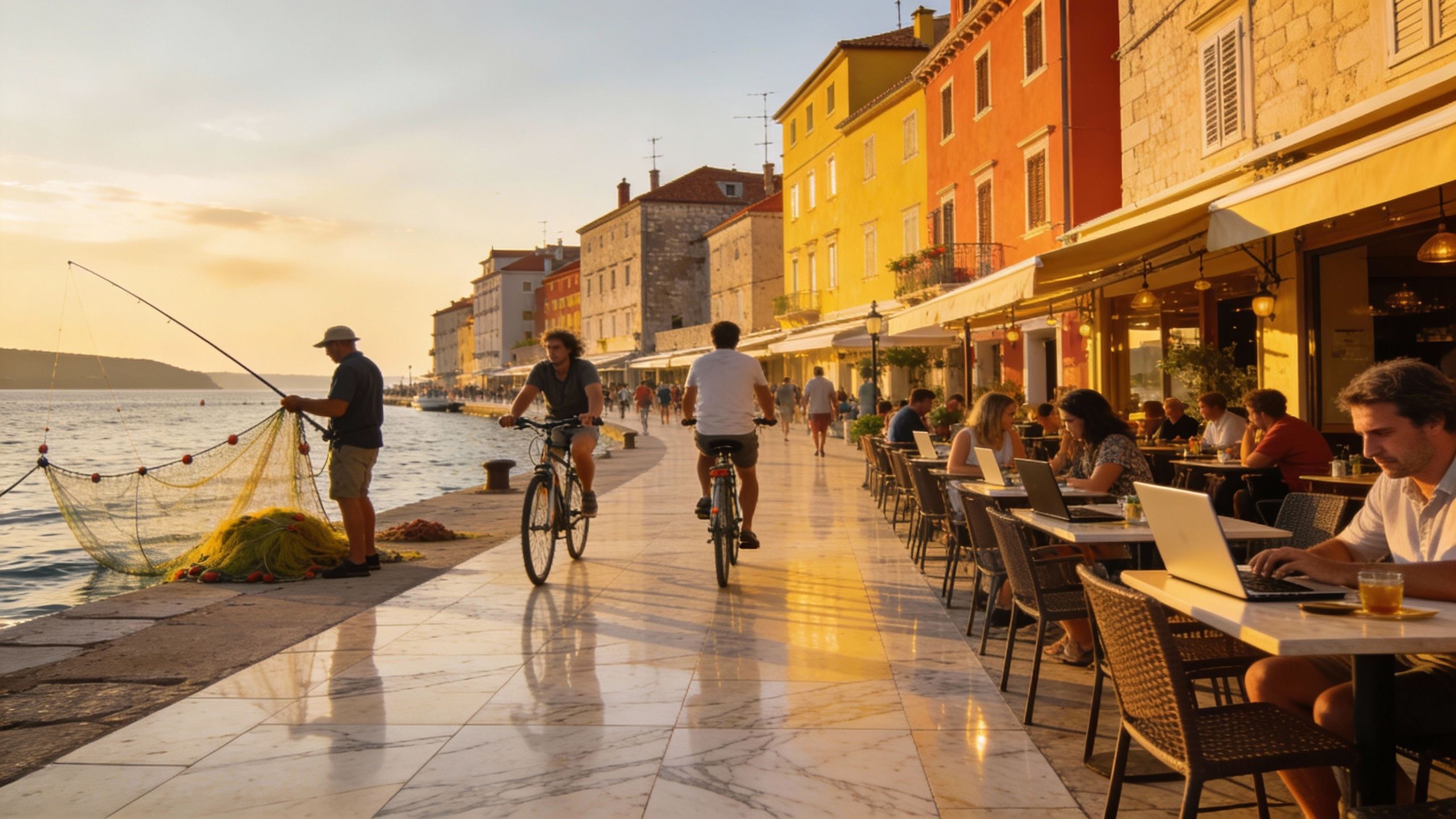
Imagine sipping espresso at Café U Dvorištu in Split, laptop open, then walking five minutes to a pebble beach where kids throw a frisbee and an old fisherman mends nets. Croatia moves at a sunlit rhythm — Adriatic mornings, lively markets, quiet stone alleys after sunset — and that rhythm shapes what you should check before buying. Small legal details (title quirks, reciprocity approvals, coastal restrictions) determine whether that dream terrace is yours or a paperwork headache. This guide weaves the lifestyle you came for with the exact legal checks that protect it.
Living the Croatia life
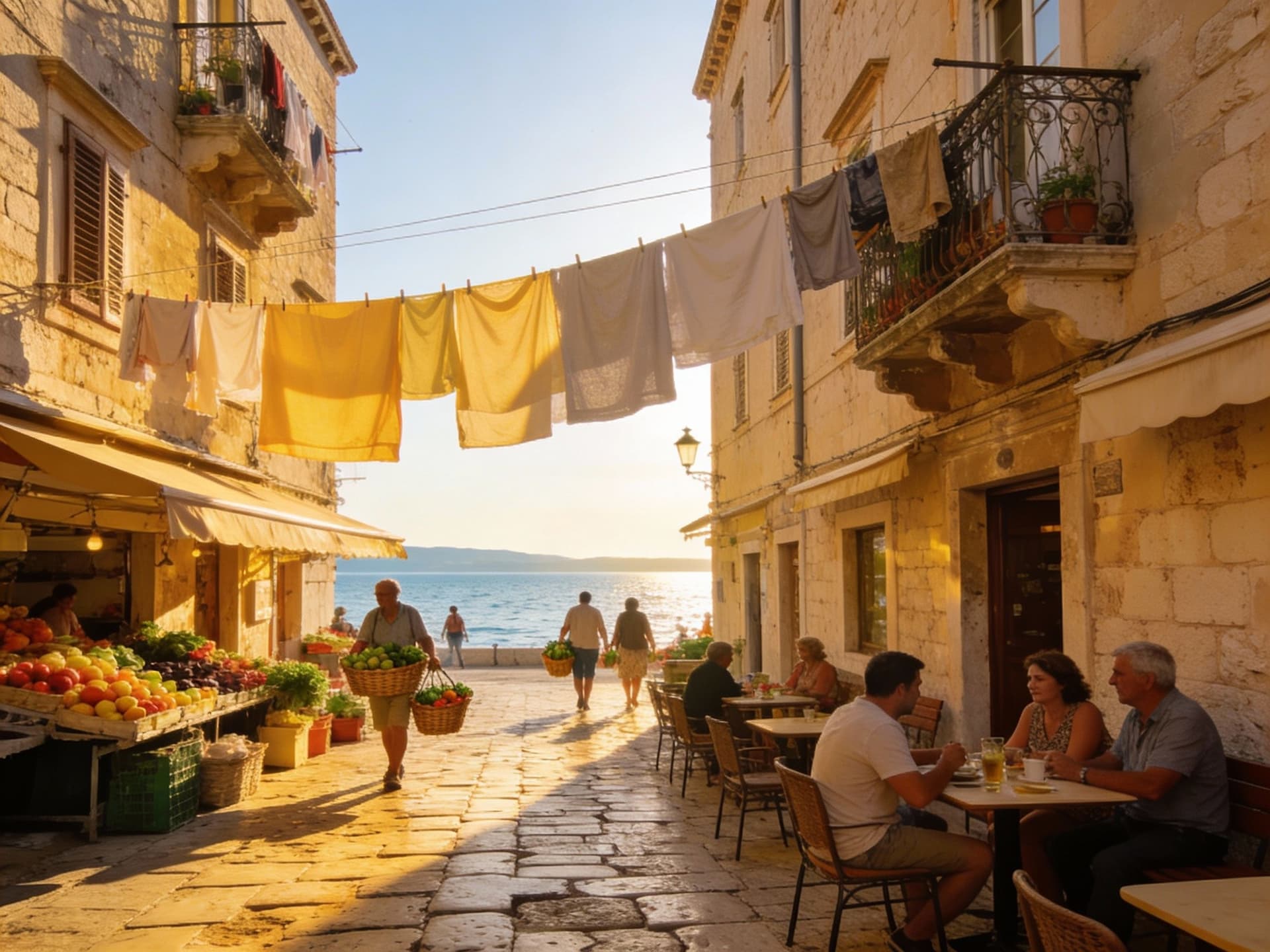
Wake up in Zagreb and the city hums with bakeries and coworking vibes; choose an Istrian hilltop and you’ll trade bustle for truffle-season markets and winding vineyard roads. Croatia’s coastal towns — Split, Dubrovnik, Hvar, Rovinj — mix tourism energy with intimate, centuries-old neighbourhoods where neighbours greet one another by name. Knowing the everyday rhythm of your target area helps you pick the right property type: a compact flat in a walkable old town or a modern villa with an all‑season heating system inland.
Neighborhood spotlight: Split’s Varoš & Firule
Picture Varoš: narrow stairways, morning light hitting limestone walls and neighbourhood bakeries that open before dawn. Firule, a short stroll from the Riva, mixes family apartments with seaside running routes — great if you want a daily beach break between Zoom calls. If you crave coffee culture and easy coworking, look for flats near Marmontova or the Brodarica marina; if you want quiet evenings, hunt streets off the main tourist loop.
Food, markets and seasonality that shape where you buy
Food scenes tip you off to neighbourhood life: Dolac Market in Zagreb means fresh-produce mornings and strong community ties, while Hvar’s waterfront dining signals summer-season turnover and short‑term rental demand. Buying in a market town during truffle season or summer festival months gives you a feel for peak crowds — but remember, off-season life (November–March) can be shockingly calm. Match your temperament: if you want year-round buzz, buy near an active market or university; for seasonal escape, a coastal villa or island cottage works.
Lifestyle highlights to scout in person
Dolac Market (Zagreb) — morning produce and local rhythm
Riva promenade (Split) — coworking cafés and sunset crowds
Lopud & Bol beaches — true island calm and outdoor living
Rovinj old town — arts, galleries, and tight-knit expat scenes
Making the move: practical checks that preserve the dream

Lifestyle matters — but legal checks decide whether that café-facing balcony becomes yours. EU citizens generally buy under the same rules as Croatians, but non‑EU buyers may need ministerial consent and reciprocity checks. Start early with these legal steps so the market’s fast pace and rising prices (national average ~€2,754/m² for 2025 new dwellings) don’t rush you into missing a critical title issue or coastline restriction. Source links below explain residency, consent and price trends.
Title & land registry: the non‑sexy first date
Don’t assume a clean title. Ask your agent for an up‑to‑date extract from the land registry ( zemljišna knjiga ) and a cadastral plan ( katastar ). Check for easements, shared access lanes, and any outstanding mortgages or probate claims. Use a Croatian notary and local lawyer to read the title history — many disputes on islands stem from unclear inheritance transfers after the 1990s, so confirm chain‑of‑ownership back at least two decades when possible. If the property is coastal or near protected zones, confirm building permits and coastal setback rules.
Permissions, reciprocity and citizen categories
EU/EEA/Swiss citizens face the simplest route: parity with locals in most areas. Non‑EU buyers must request consent through the Ministry of Justice and show reciprocity; processing can take weeks and requires specific documents. If you already have a Croatian company or temporary residence certificate, options open up and administrative steps shorten. Always confirm current reciprocity lists and required fees before signing a preliminary contract.
Step-by-step legal checklist before signing
1. Request land registry extract and cadastral map; have them translated if needed.
2. Instruct a Croatian lawyer to search title history and liens; confirm inheritance chains where relevant.
3. Check zoning and building permits with local municipal office; verify coastal protection status.
4. Confirm reciprocity/consent requirements for your nationality with Ministry of Justice and prepare legalised documents.
Insider knowledge: red flags expats often miss
I’ve seen buyers fall in love then walk away when the notary flagged a missing inheritance deed — heartbreak that could’ve been a five‑minute search. Another repeat is overpaying for a sea‑view that’s unbuildable: coastal setbacks and protected zones cut usable land. With 2025 showing price growth but cooling transactions, make offers conditional on title searches and permit checks so you don’t get stuck in a hot market making the same mistake twice.
Language, community rules and the local pace
Croatians value clear paperwork and face‑to‑face trust. Learn a few phrases, bring printed documents to meetings, and meet neighbours where possible — many property easements and access rights are known locally but poorly documented. If you plan to rent your place, check municipal rules on short‑term lets: towns like Dubrovnik and Hvar have strict licensing and tourist tax rules that affect rental income and resale value.
Long-term lifestyle & hidden costs to budget
Beyond purchase price, budget for notary fees, registration taxes, translation and legal translation, connection upgrades (fibre or heating), and seasonal maintenance for coastal properties. Market data shows coastal m² prices significantly above inland averages — factor that into rental yield expectations. Work with an agency that understands these line items so your monthly costs match your lifestyle expectations.
Practical next steps (quick wins)
Ask for a land registry extract before viewing — if it shows contested ownership, walk away.
Get a local lawyer and notary involved early; fees are small compared to the risk they remove.
Make any offer conditional on a title search, permit confirmation and reciprocity approval (if you’re non‑EU).
Croatia is a place you fall for: sea-scented mornings, markets piled with olives and cheese, stone streets that hum with local life. Protecting that life starts with paperwork — clear title, correct permits, and the right local partners. Start by briefing a Croatian lawyer, asking for land registry extracts, and scouting neighbourhoods in both high season and during quiet months. When the lifestyle and the legal checks align, you’ll not just own a property — you’ll inherit a rhythm that feels like home.
MoveSettleGoDanish investor and relocation advisor focusing on Portugal and the Algarve; loves coworking culture and expat networks.
Related Articles
More insights that might interest you
 Villa Curated
 Villa Curated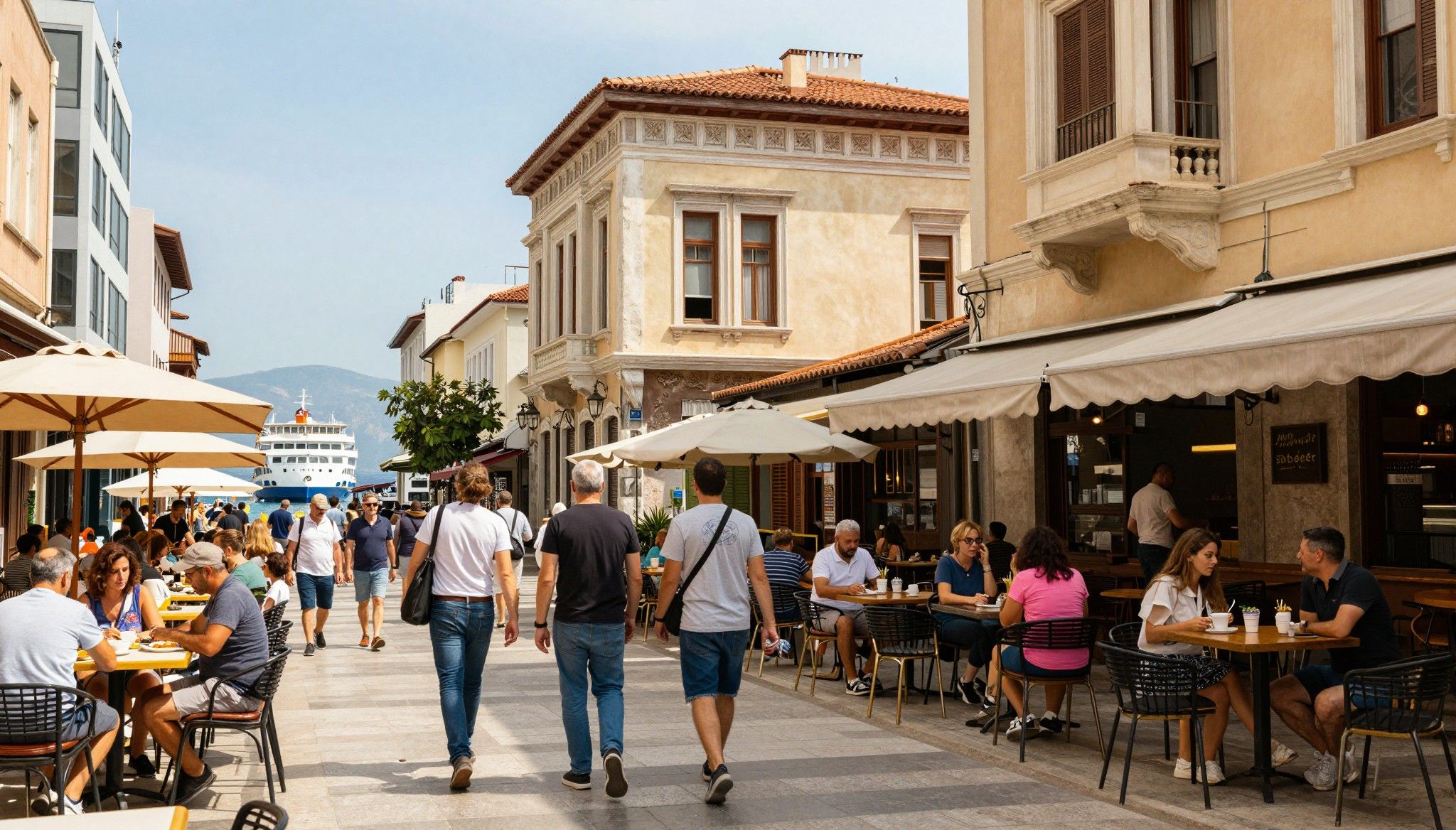
 The Yieldist

