Paper, Permits and Paradise: Croatia’s Due Diligence
How to fall for Croatia — then do the paperwork that keeps the dream intact: permits, taxes, and local truths backed by recent market data.
 Moss & Hearth
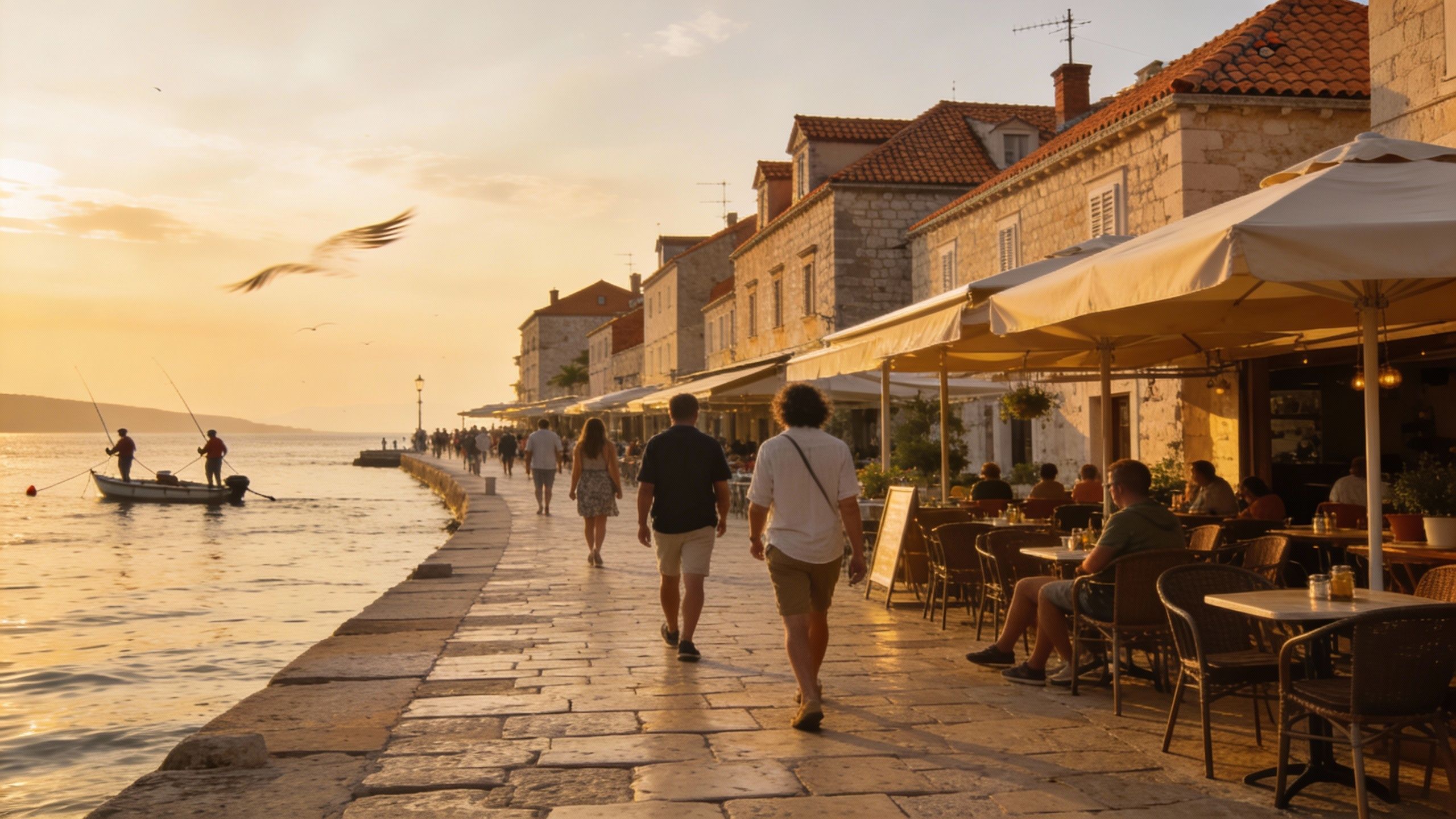
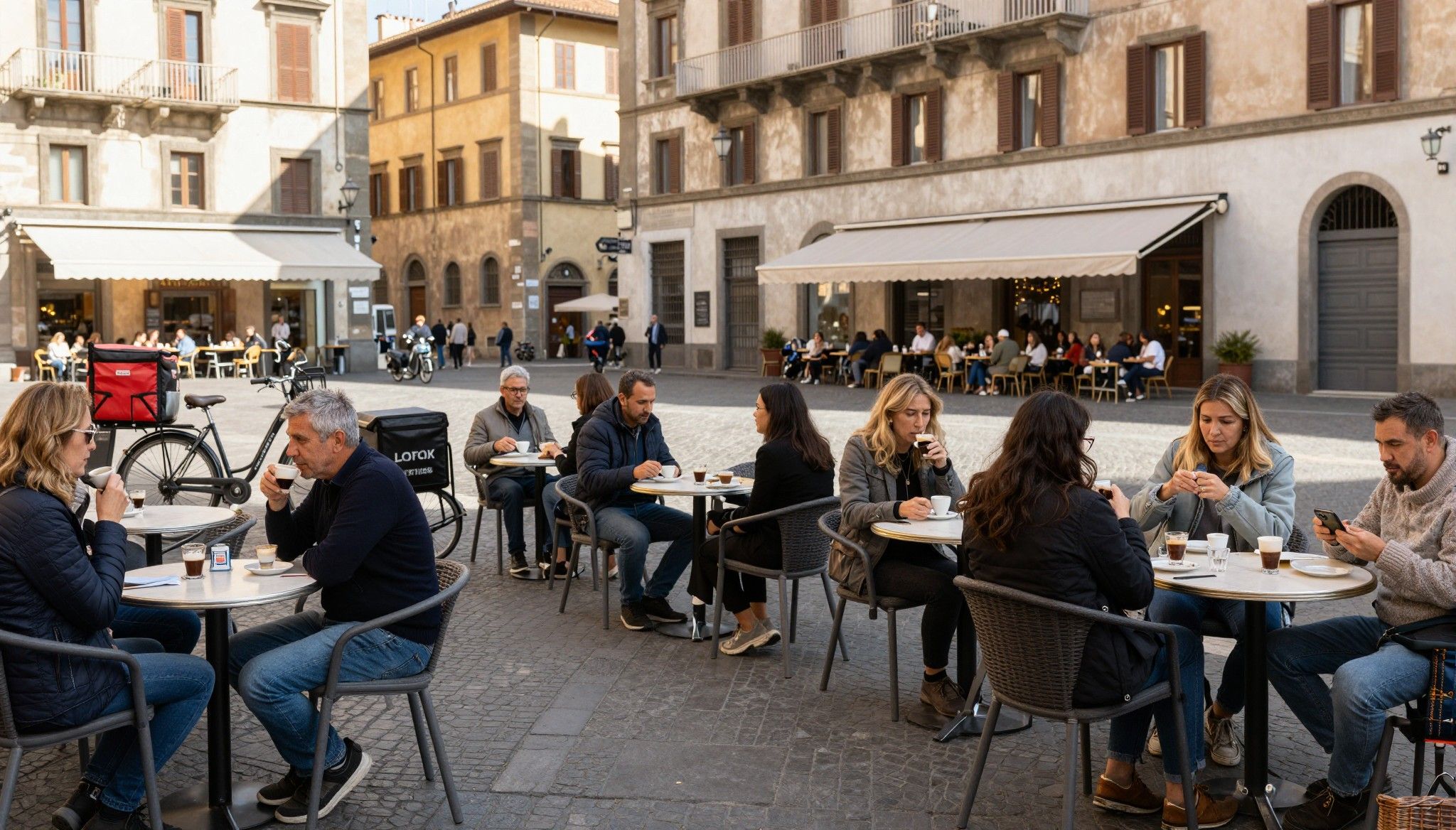
Imagine sipping an espresso on a sun-warmed stone stoop in Split, the scent of grilled sardines and pine in the air, while a neighbor tends a terracotta pot of basil. Croatia feels at once coastal fiesta and slow inland rhythm — weekends spent at markets in Rovinj, evenings drifting through Diocletian’s alleys in Split, winters lit by hearth and wood-smoke in Zagorje. But behind this sensual promise lies a mosaic of permits, local customs and fast-moving price shifts that make careful due diligence less an optional box to tick and more the craft of moving well here.
Living Croatia: senses, seasons and neighborhoods
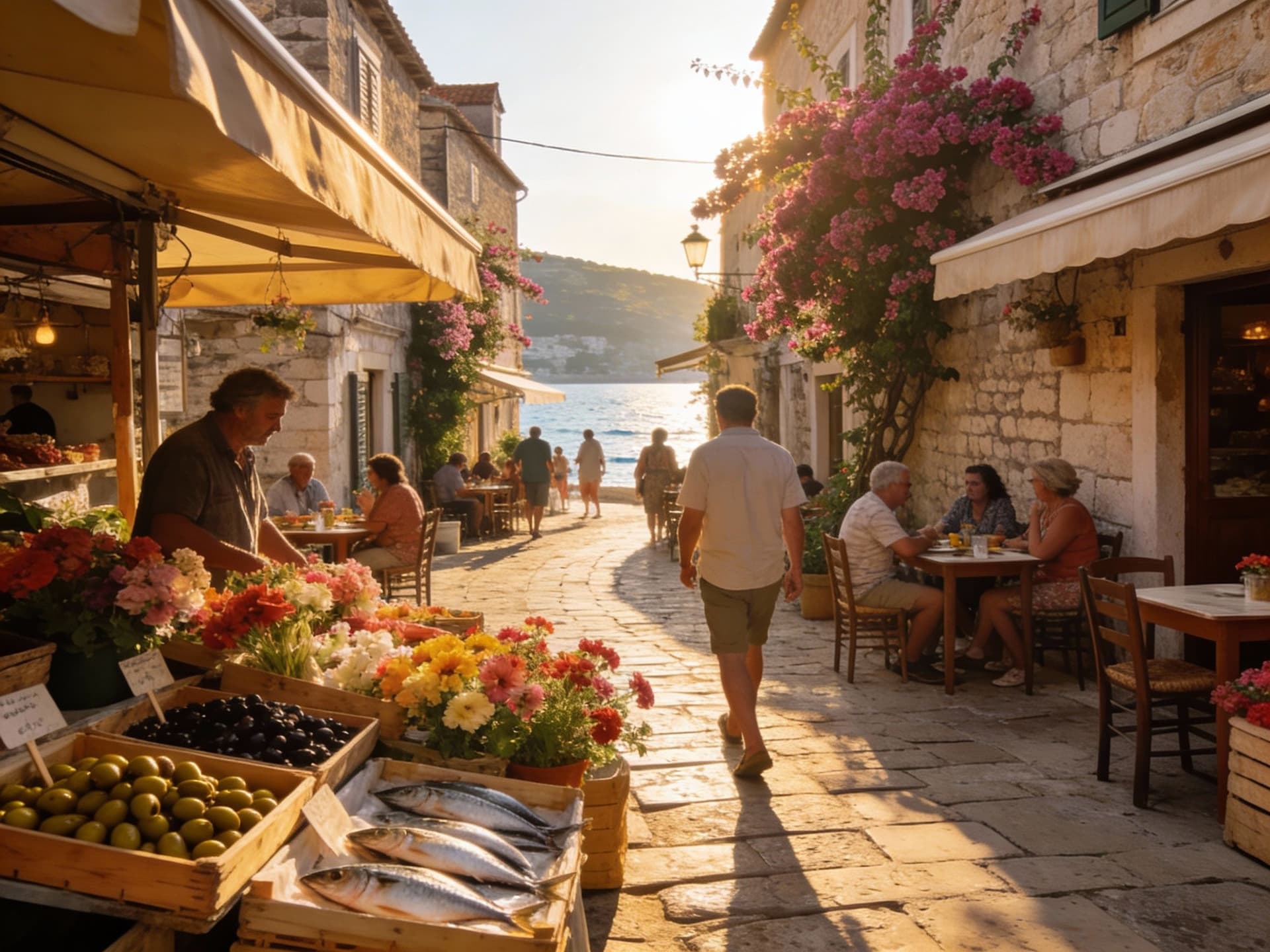
Croatia’s daily rhythms change with the coast-to-interior geography. Morning markets in coastal towns begin with fishermen unloading catch; inland villages awaken to rooster calls, wood fires and long breakfasts. Summers are bright and swim-ready along the Adriatic; winters bring a hush to stone streets and an invitation to slow restoration. For anyone buying here, those rhythms shape how a house is used — holiday rental in July, quiet residency in November — and therefore what due diligence matters most.
Coastal towns: Istria, Dalmatia and island life
Walk through Rovinj’s narrow lanes or the Riva in Split and you feel why coastal properties command a premium. In 2024 Istria and Dalmatia recorded some of the highest asking prices per square metre, driven by tourism and limited coastal supply. That premium buys views and season-long rental potential, but it also means stricter building controls in heritage zones and higher expectations from municipal permits — a reality that should be checked before you fall for a terrace with a sea view.
Inland and rural Croatia: space, restoration, and quiet value
Move inland — Slavonia, Zagorje or Lika — and the pace softens: stone farmhouses, orchards, and larger plots at much lower prices than the coast. These areas offer real opportunities for ecological retrofit and regenerative gardens, but expect to face local land‑use rules, utilities that may need upgrading, and longer permit timelines for renovations.
Lifestyle highlights to scout before you buy:
Morning markets: Dolac (Zagreb) and Pazar (Split) for local produce and neighbourly introductions
Beaches and bays: Zlatni Rat (Brač) for wind and surf; beneath Dubrovnik’s city walls for dramatic sunsets
Hidden lunches: Konoba Gariful (Hvar) or family-run konobas in Istrian hill towns
Making the move: permits, papers and practical tradeoffs
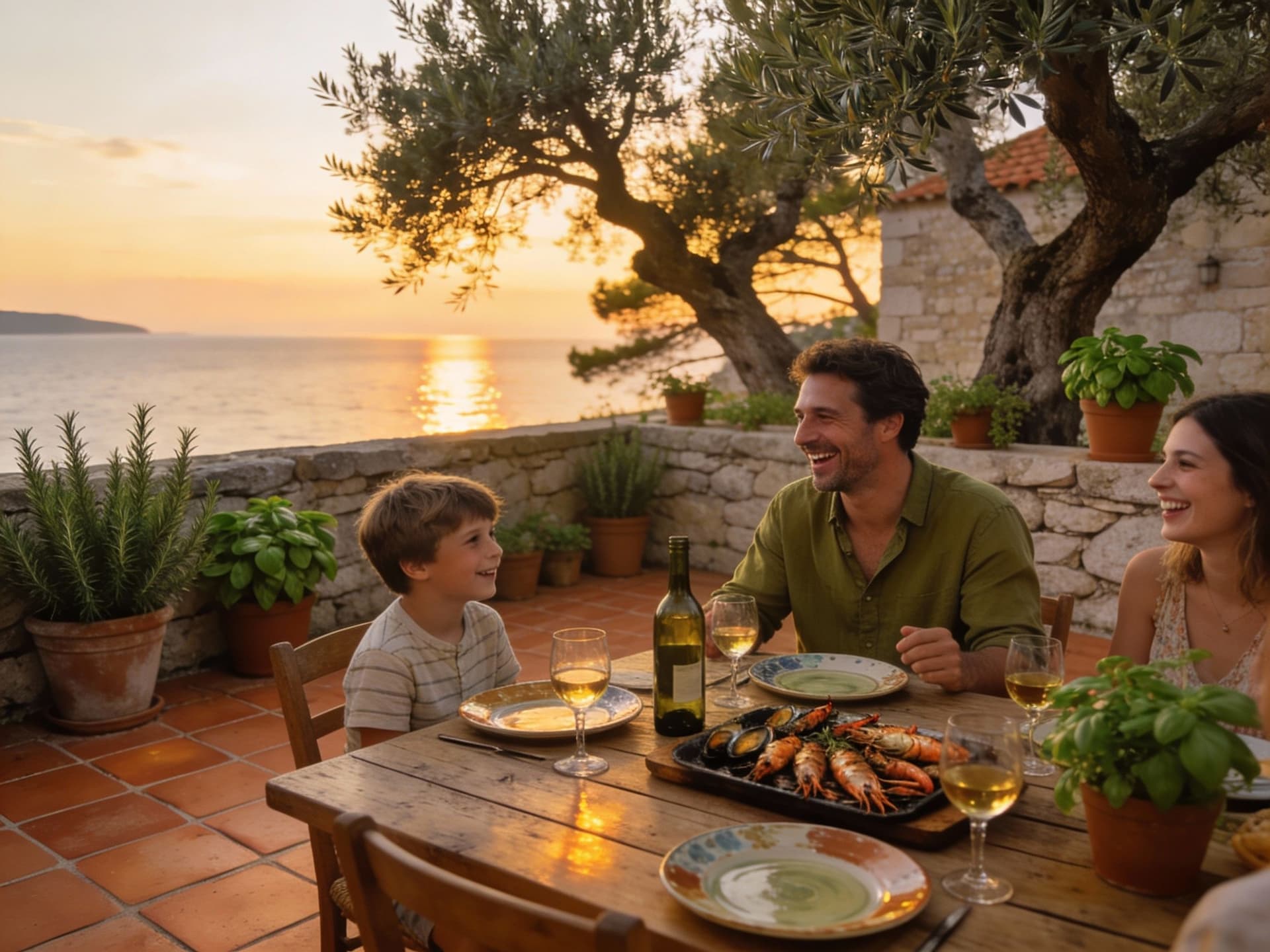
Dreams of terrace sunsets must meet reality: Croatia’s rules, fees and municipal practices. For second-hand property there’s a 3% real‑estate transfer tax; new builds typically carry VAT. Foreign buyers — especially non‑EU nationals — should confirm reciprocity rules that affect purchase rights and check whether a property is classified as building land, agricultural land or a protected cultural asset, because each has its own permit logic.
Common permit pitfalls and how to avoid them
1. Assuming renovation permits are quick: older stone houses often sit in zones requiring heritage approval — get a pre-purchase consultation with an architect who knows local municipal practice. 2. Ignoring utility status: verify water, sewage and road access formally — an idyllic field can become costly if you need to extend utilities. 3. Skipping cadastral checks: confirm exact plot boundaries and any servitudes recorded in the land register; a friendly neighbour’s claim means little without land registry confirmation. 4. Misreading VAT vs transfer tax: new constructions often attract 25% VAT, while resales typically pay 3% transfer tax — budget accordingly.
Working with local experts who protect the lifestyle you want
How the right team helps:
A local architect assesses renovation feasibility and energy upgrades.
A Croatian notary and lawyer confirm titles, permits and enforceable servitudes.
A sustainability-savvy agent points to properties with solar potential, rainwater capture and good orientation for passive cooling.
Insider knowledge: the quiet rules expats learn the hard way
Expats often tell the same story: fall in love with an old stone house, then learn about heritage restrictions; plan a garden then discover water restrictions; assume rental income will pay the mortgage and find seasonal occupancy is wildly variable. Recent national statistics show Croatia’s house prices rose strongly on the Adriatic, underscoring that desirability can quickly translate into higher regulatory scrutiny and local competition.
Cultural cues that affect everyday life and ownership
Croatians value local networks and formal paperwork equally. A warm handshake at the konoba is welcome, but nothing replaces a clear entry in the land register, a written servitude or a signed municipal approval. Learn a few Croatian phrases, ask neighbours about seasonal quirks (like olive harvest paths) and accept that timelines often follow local rhythms rather than a fast, transactional tempo.
Practical steps to reduce risk (a clear sequence): 1. Commission a title and cadastral search before any deposit. 2. Ask for current permits and a municipal statement on permitted uses. 3. Hire an architect to estimate retrofit cost and timeline. 4. Confirm tax treatment (VAT vs transfer tax) with a Croatian tax adviser. 5. Arrange an escrow or notary deposit and avoid cash offers without full documentation.
For eco-minded buyers there’s an extra layer worth valuing: properties with solar-ready roofs, existing rainwater systems, native planting and thermal mass stone walls often need smaller, more sympathetic renovations and qualify better for municipal support when available. Ask local planners about incentives for energy retrofits — it both lowers running costs and protects you from future regulations.
Conclusion: buy the life, check the paper
Croatia offers a remarkable palette of coastal brightness and inland calm, and with the right blend of curiosity and paperwork you can make that life real. Start with sensory scouting — a few mornings at markets, a dusk walk on a favourite shore — then move quickly to verification: land register checks, permit copies, utility confirmations and a team who speaks local municipal language for you. That balance — love the place, respect the process — is how you move to Croatia without waking up to nasty surprises.
Moss & HearthDutch property strategist who helped 200+ families find sustainable homes in southern Europe; expert in legal pathways and long-term stewardship.
Related Articles
More insights that might interest you
 The Yieldist
 The Yieldist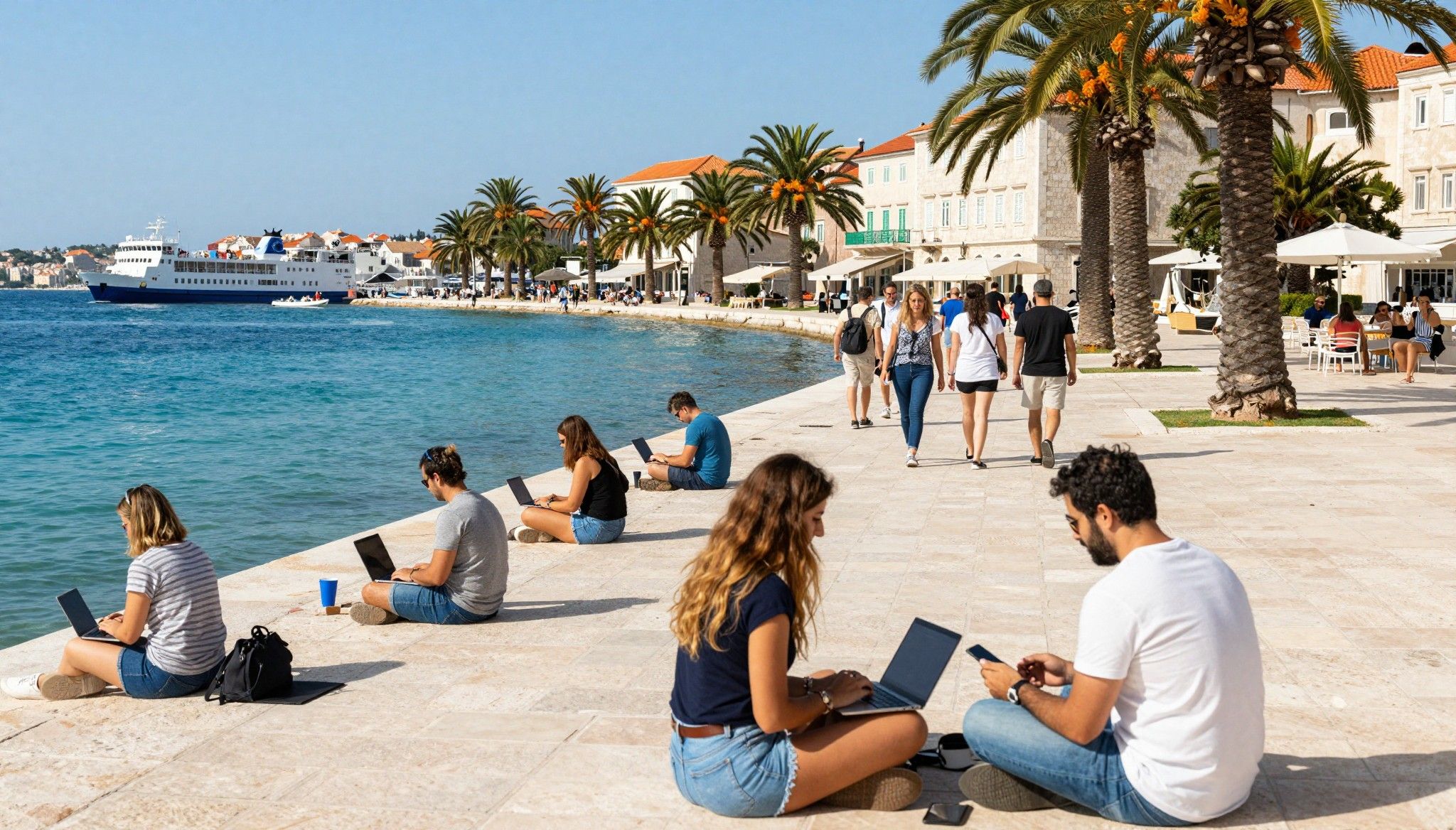
 MoveSettleGo