
Paying Smart in France: Mortgages, FX & Cost Shifts
Fall for France’s markets and cafés — then budget for local transfer taxes, FX moves and mortgage timing to turn lifestyle dreams into a secure purchase.
 MoveSettleGo
Imagine sipping an espresso at Café de Flore, laptop open, the Seine glittering under a low winter sun — and realising home here costs less than you thought. France’s rhythm is lived in markets, boulangeries, and slow Sunday swims on the Côte. But beneath the romance there are shifting fees, surprising FX opportunities and seasonal timing tricks that change what you can afford.
Living the France lifestyle
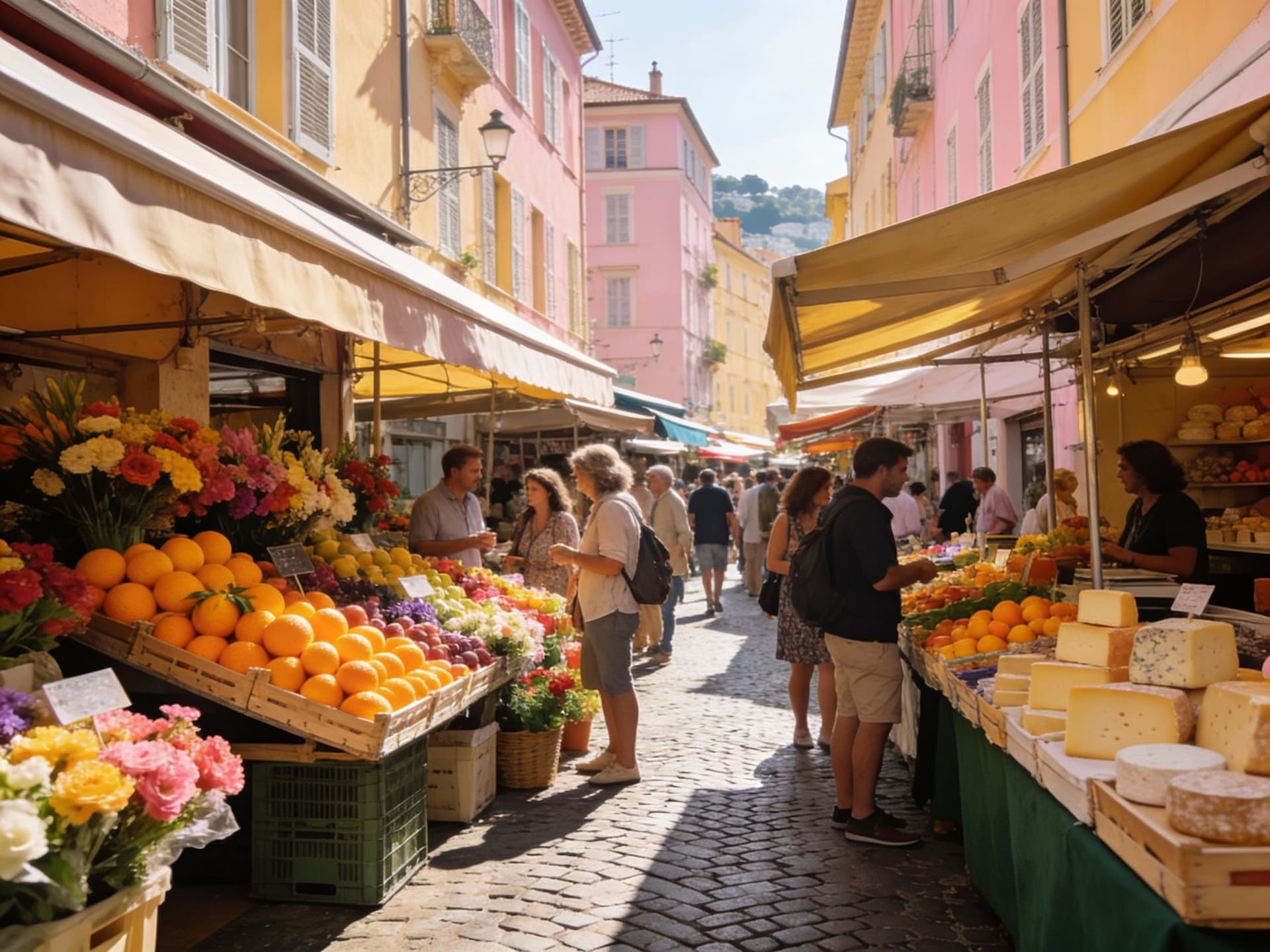
France is a mosaic: a duplex in Belleville, a stone house in Dordogne, a modern apartment in La Défense. Days start with market runs — rue Cler in Paris, Cours Saleya in Nice — and end with long dinners. The neighbourhood you choose dictates your daily soundtrack: clattering café cups in Le Marais, surf-scented mornings in Biarritz, farmers chatting at the Place du Marché in Sarlat.
Parisian pulse vs provincial calm
Paris is about short walks, excellent cafés (try Café des Deux Moulins on rue Lepic) and coworking spaces packed with freelancers. Contrast that with Aix‑en‑Provence, where mornings are for marché bargains and afternoons drift into pétanque. Both offer great internet and vibrant expat circles — but different property types and price rhythms.
Food, markets and the weekend ritual
Weekends are market time. Picture buying chèvre at a wooden stall in Uzès or fresh oysters at Cap Ferret. Restaurants and small producers shape neighbourhood value: living near a marché is an everyday luxury that often outweighs square metres in buyer satisfaction.
- Streets, tastes and small pleasures: rue Cler (Paris), Cours Saleya (Nice), Marché Victor Hugo (Toulouse), Place des Lices (Saint‑Tropez)
Making the move: practical considerations

Romance meets reality at the notaire’s desk. Expect additional purchase costs: historically 7–10% on older properties and ~2% for new builds. Recent regional tweaks can lift transfer taxes in some departments, so local numbers matter more than national averages. Budget early for these line items — they shape what you can actually bid.
Mortgage scene: rates and timing
Mortgage rates in 2025 settled lower than the 2022–23 peaks; strong profiles can access competitive fixed rates around the low‑to‑mid 3% range depending on term and lender. That means your borrowing power can jump if you lock when rates dip — but local bank policies, insurance costs and your residency status will affect offers.
Steps to secure financing in France
- Arrange a mortgage in principle with a French bank or broker (get a "fiche d'offre"); compare APR (TAEG) including insurance; lock rate and request a pre‑contract (compromis) contingency for financing; confirm final offer after notaire checks; prepare for potential transfer‑tax changes by department.
Insider knowledge: currency, timing and the unexpected
Two hard truths I didn’t expect: small departmental tax moves change buyer math, and FX timing matters more than you think. In 2025, some departments raised their share of transfer tax — a tiny percentage that can be hundreds to thousands of euros depending on price. And moving large sums across currencies without a plan can shave thousands off your buying power.
FX and bank accounts — practical hacks
Open a French bank account early (many banks accept non‑resident clients) and use a specialist FX provider for property transfers to avoid poor exchange rates. Consider staggering transfers if your currency is volatile, and get written confirmation of any conditional offers from lenders that assume you’ll transfer funds on a given date.
- Quick FX checklist
- Get a local bank account before completion; compare FX providers and their total fees; consider limit orders if you expect favourable currency moves; budget a margin for exchange rate swings during the compromis-to-acte period
Working with agents who think like locals
A good agent connects lifestyle to spreadsheets: they’ll show you a Biarritz street with surf shops and also identify flood‑risk basements or co‑ownership charges (charges de copropriété) in Parisian buildings. Ask for examples of clients who match your lifestyle: remote workers need robust internet and quiet work nooks more than a second bathroom.
What expats wish they'd known
Don’t assume Paris is always the most expensive choice for lifestyle. A tiny village near good rail links can deliver better cafés, cheaper renovation contractors and a stronger sense of community. Also — schedule moves in spring or autumn: holiday seasons hide true maintenance costs and local service availability.
- Lifestyle‑meets‑finance tips: pick a neighbourhood by café and coworking access; check co‑ownership charges before you bid; confirm fibre availability; ask about seasonal rental demand if you’ll rent it out part of the year
Conclusion: live the life, but balance it with numbers. France gives you market mornings, delicious markets and durable property. Do the small math — local transfer taxes, FX strategy, mortgage preapproval — and you’ll transform a dreamy neighbourhood into a secure purchase.
MoveSettleGoSwedish, relocated to Marbella in 2018 to chase sun and property freedom. Focus on legal navigation and tax for Nordic buyers.
Related Articles
More insights that might interest you
 Villa Curated
 Villa Curated
 The Yieldist

