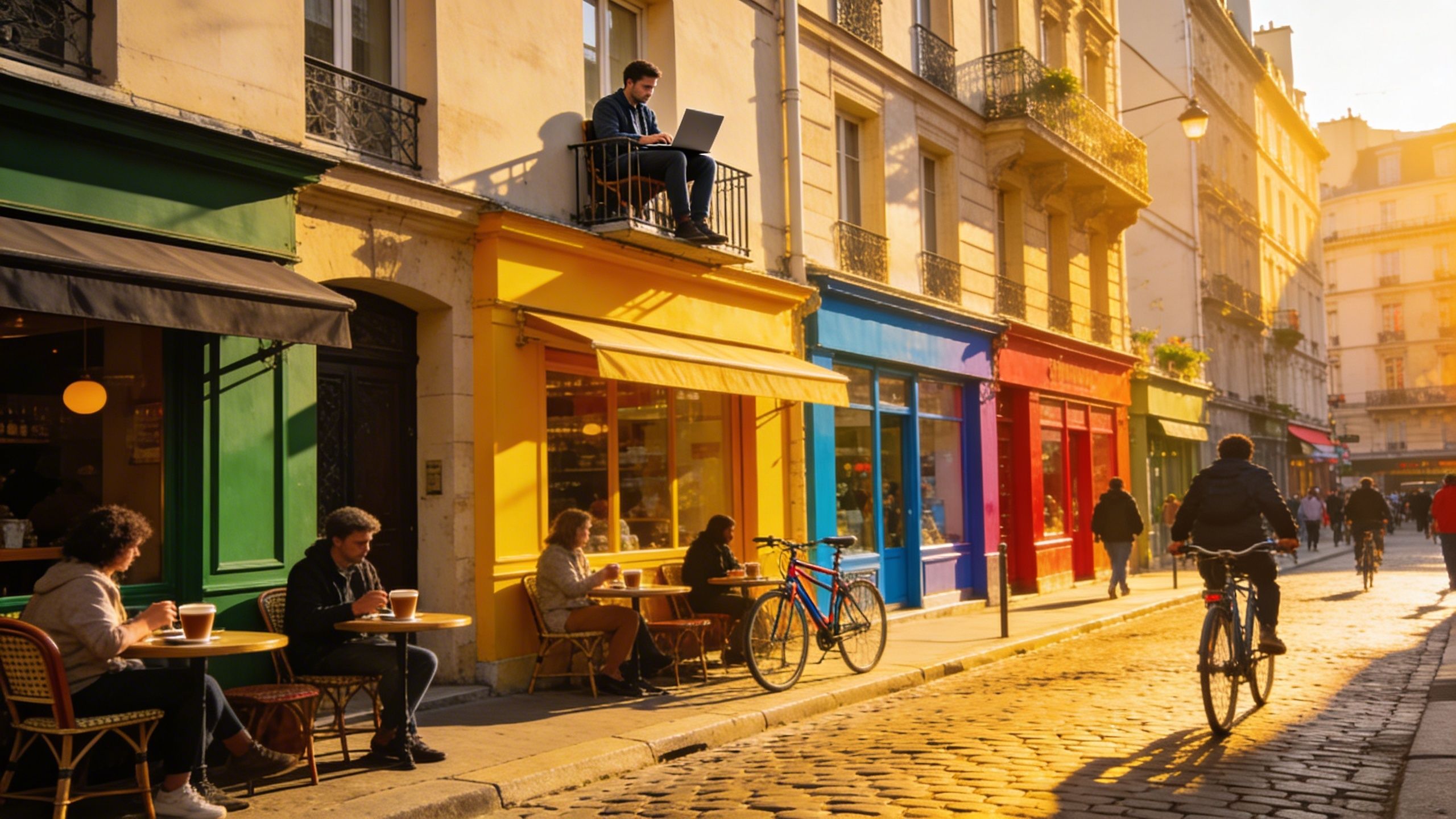
Skip Summer: Smarter Seasons to Buy in France
Skip the postcard season: match French lifestyle rhythms with smart banking and mortgage timing to buy with confidence and keep the life you came for.
 MoveSettleGo
Imagine sipping a café crème on Rue Cler at 9am, then finishing a client call from a sunlit balcony in Le Marais by 2pm — that’s everyday life in France for remote workers who want rhythm, culture and short commutes. But the calendar matters here: season, local festivals and school timetables nudge prices, negotiating power and even mortgage timing. This guide blends the lived-in, sensory France with exact financing and banking moves that make a purchase smart, not just dreamy.
Living the France life: daily rhythms and neighborhood flavor

France isn’t a single mood — it’s a collage. Paris mornings are espresso and fast metro rides; Nantes hums with designers and riverside cafés; Nice smells of sea salt and socca; Dordogne weekends mean markets, truffles and old stone houses. For a nomad, that means your day-to-day depends on tiny, local details: boulangerie opening hours, whether the market runs on Sunday, and where the nearest coworking space hides behind a florist.
Spotlight: Le Marais vs. Canal Saint‑Martin — two Paris mornings
Le Marais feels intimate: narrow streets, galleries, morning pâtisseries and boutique cafés that become offices for freelance creatives. Canal Saint‑Martin is looser, with picnic culture, weekend markets and a younger, startup-leaning crowd. Both deliver wifi-friendly cafés, but if you want after-work drinks and a buzzing community meetup, Canal Saint‑Martin edges in.
Food, markets and ritual: how meals shape where you live
Weekend market runs are the social calendar. In Lyon you’ll follow bouchons and produce stalls; on the Côte d’Azur, fish stalls at dawn matter more. These rituals create micro-neighborhood economies: boulangeries that stay open late, small groceries that accept cards, and landlords who know the value of a working balcony for summer dining. When you choose a street, you’re choosing daily rituals.
- Lifestyle highlights worth mapping before you buy: Marché Aligre (Paris), Place du Capitole (Toulouse) market mornings, Plage de la Mala (Cap d’Ail) for weekend escapes, rooftop coworking spaces in Bordeaux, and local language cafés that host conversation exchanges.
Making the move: practical finances, banking and timing

Dreams meet budgets here. French banks lend to non‑residents but check documentation rules, proof of income and tax status early — the French government portal explains the standard flow for mortgage offers and required steps. Interest-rate movements and seasonal demand (spring/summer listings surge) change how much leverage you’ll get and how quickly you must decide.
Property styles and what they mean for nomad life
An apartment in a Paris courtyard gives walkability and instant community; a renovated farmhouse in Provence gives space, slow internet risk and a car lifestyle. Notaires data show national price movements and the kinds of property (old vs new) that carry different tax and fee profiles. Match property type to how you actually want to wake up: espresso on a balcony, or a morning run through vineyards?
Working with specialists who get both lifestyle and finance
- 1. Hire a bilingual notaire or solicitor early — title searches and municipal preemption rules can pause a sale. 2. Use a mortgage broker experienced with non-resident files to compare French and home-country offers. 3. Open a French bank account early — many lenders want one for payment flows and direct debit. 4. Lock a currency-transfer plan if you’re transferring a large deposit — small moves can save thousands. 5. Ask an agency for local utility and fibre records — fast internet often isn’t listed but matters hugely for nomads.
Insider knowledge: myths, red flags and calendar hacks
Myth: 'Summer is best to house‑hunt in France.' Truth: summer brings showy listings and tourist-season premiums in resort towns, but it also reveals maintenance issues (mould after damp winters, shady terraces) and hides negotiating leverage. Notaires notes seasonal price movements — knowing those cycles can mean waiting a month keeps you tens of thousands of euros.
Cultural and administrative red flags to watch
- Check these before you put down a deposit: clear title and any servitudes, municipal preemption notices, up-to-date building diagnostics (DPE for energy performance), evidence of recent fibre installation, and whether the seller has recently applied for planning permission (which may affect resale).
Long-term financial habits that protect your lifestyle
Treat your French purchase like a business: model worst-case interest-rate rises, set aside 3–6 months of mortgage payments in liquid funds, and plan for local tax bills (property tax, taxe foncière) so your neighbourhood brunch habit doesn’t become a surprise expense.
- Quick currency & mortgage tips: negotiate transfer fees with a specialist provider; fix the mortgage rate if you value predictability; consider a staggered transfer to average FX rates; always get pre‑approval before making an offer.
What expats wish they'd known before buying
Most expats say they underestimated how much neighborhood rhythm matters: bakeries that close for August, mairie office hours that insist on in-person steps, and neighbours who value long conversations over instant messaging. Invest time in local routines — language cafés, the municipal bulletin board, and the farmers’ market — they’re often the best indicators of how a place will feel in five years.
- Steps to a confident purchase in France: 1) Visit in the season you’ll live there. 2) Get mortgage pre-approval and a local bank account. 3) Order diagnostics and title checks via a notaire. 4) Use a currency expert for large transfers. 5) Keep an emergency cash buffer and plan for taxes.
France gives you a life with markets, cafés and weekend escapes — and a market with clear seasonal rhythms and solid paperwork. Start with pre‑approval, pick the season that shows the true neighborhood (not just the postcard), and bring local experts who speak both money and lifestyle. When you do, the key you turn feels as natural as the morning coffee.
MoveSettleGoSwedish, relocated to Marbella in 2018 to chase sun and property freedom. Focus on legal navigation and tax for Nordic buyers.
Related Articles
More insights that might interest you
 Villa Curated
 Villa Curated
 The Yieldist

