France: Fall for the Life, Finance the Future
Fall in love with life in France while using green loans and neighbourhood insight to finance a comfortable, eco‑wise home; practical steps and data included.
 Moss & Hearth
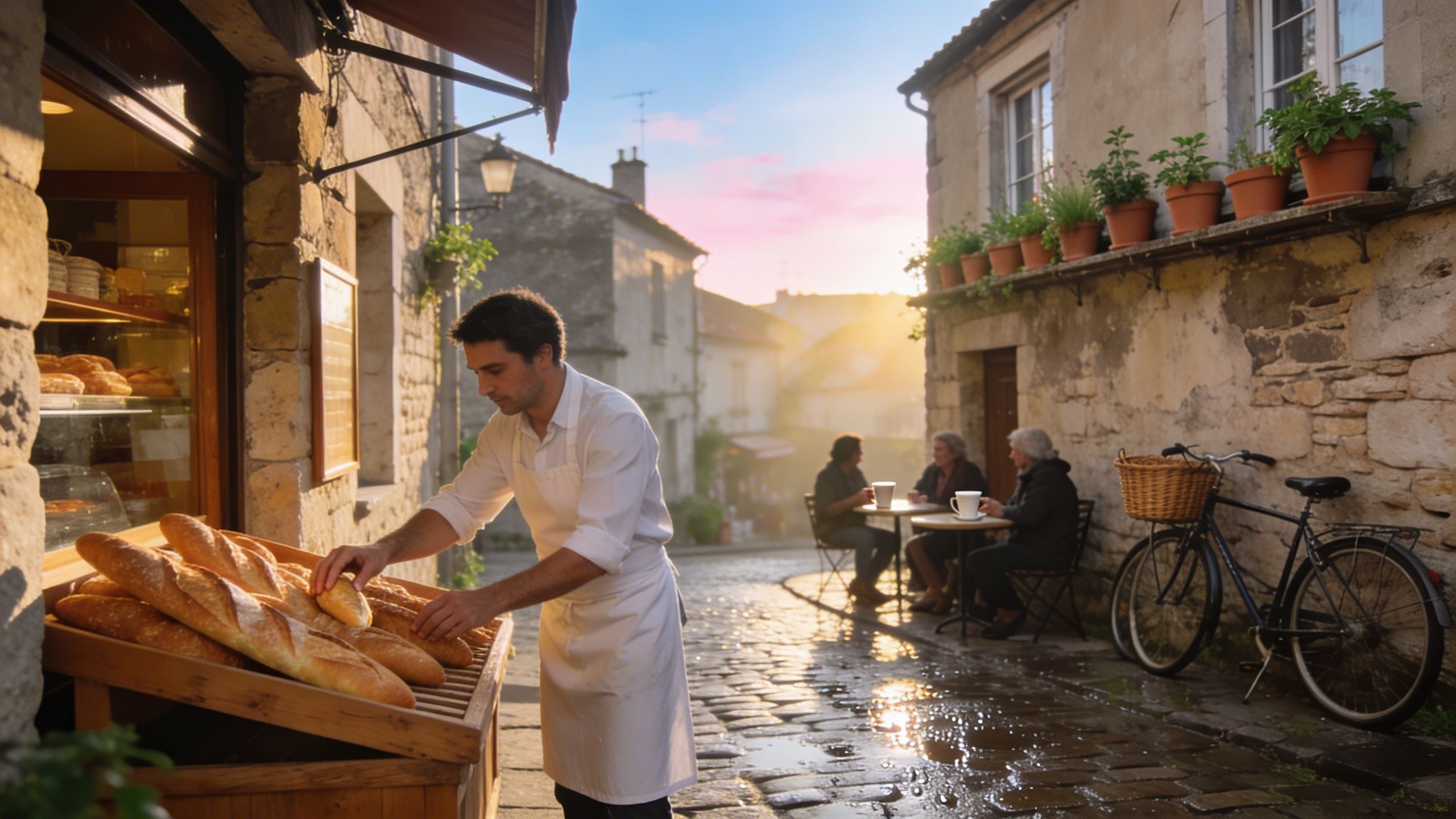
Imagine waking to the smell of warm bread from a corner boulangerie, cycling past plane‑tree avenues to a market overflowing with chèvre and seasonal figs, and returning to a stone house whose thick walls keep summer cool. In France, lifestyle and place are braided: food rhythms, neighborhood cafés, and the pace of seasons shape how a home is lived. But romance meets regulation here — financing, local rules and green incentives quietly shape what a purchase will feel like in five or twenty years. This guide blends sensory living with practical financing and green‑loan pathways so you can fall in love and buy with confidence.
Living the French life — senses, seasons, streets
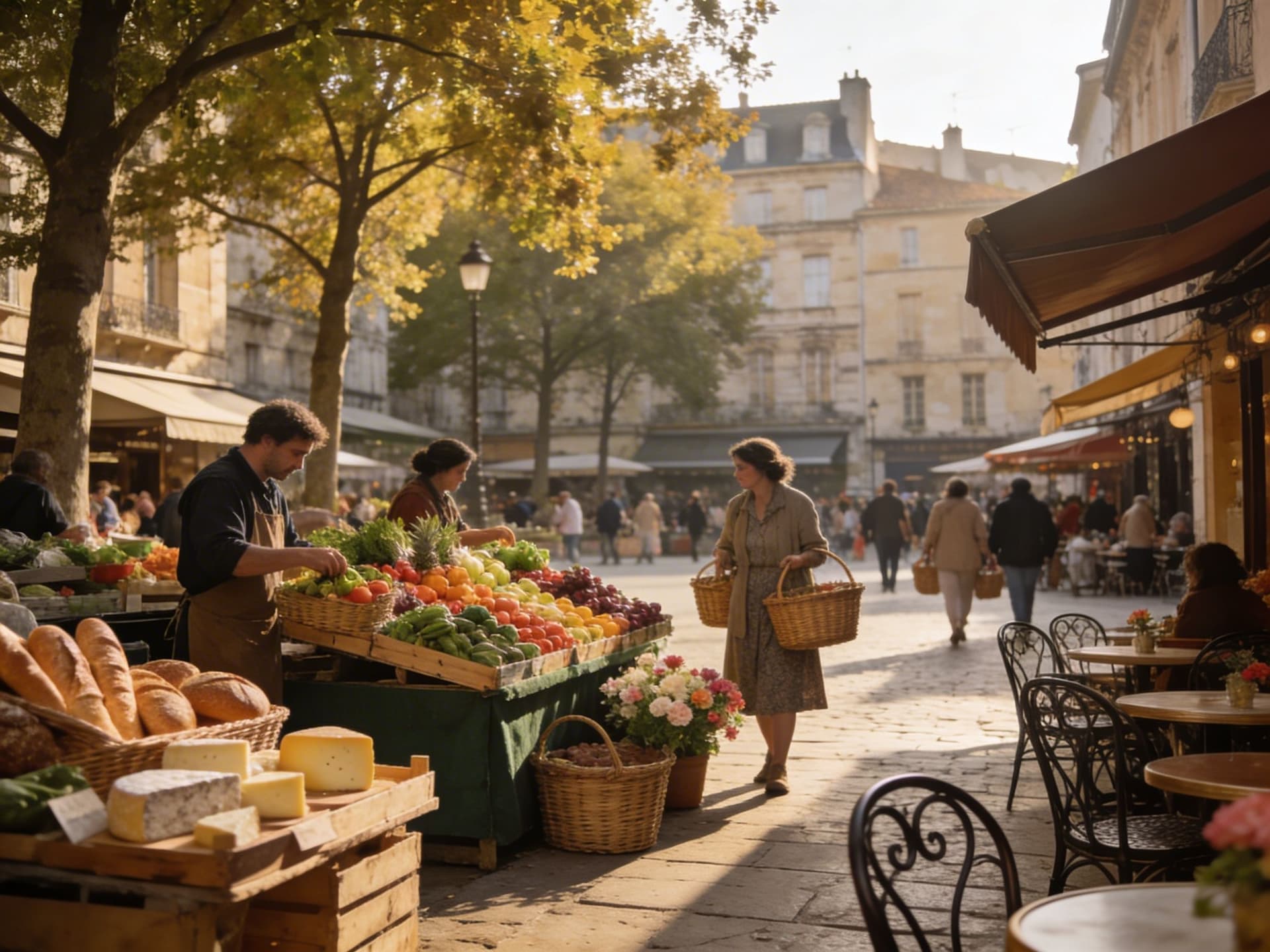
France is many lives at once: a terrace in Lyon where chefs buy their herbs, a sleepy hilltop in Dordogne where winters are for restoration, and a crystalline Côte d’Azur morning that hums with seaside ritual. Neighborhood character is intimate and particular — a rue in Aix smells of rosemary, the 11th arrondissement in Paris pulses with late‑night bars and ateliers, while coastal villages trade dinner conversation for the sea breeze. Recent market data shows recovery in transaction volumes and modest price growth, but that national statistic belies neighborhood nuance; lifestyle decisions (schools, work, climate) should guide property type more than headline prices. Think of the purchase as adopting into a community, not merely acquiring square metres.
Neighbourhood pulse: where locals actually live
Look beyond glossy postcards to find streets where locals buy and linger. In Bordeaux, rue Notre‑Dame hums with daily market life rather than tourist buses; Montpellier’s Antigone offers riverside promenades and a slower modernism; and in Nice, the up‑and‑coming Libération quarter combines markets, boulangeries and relatively kinder prices than the Promenade des Anglais. For buyers who want authentic daily life, stroll the market mornings and note where locals queue — that neighborhood energy is often a stronger predictor of long‑term happiness than a skyline view.
Seasonality matters: coastal towns swell in July and empty in November, mountain villages quiet after ski season, and university cities pulse in September. These seasonal rhythms affect rental demand, service availability and even the negotiation mood when you make offers. National data indicates modest price rebounds in 2025, but the micro‑timing of your search — market open days, harvests, festival weeks — will shape inspection choices, local seller expectations, and financing timelines.
Lifestyle highlights to seek in France
Morning market rituals (name a local marché: Marché des Capucins in Bordeaux or Marché Forville in Cannes).
Neighbour cafés where baristas recognise your order and neighbours exchange tips.
Seasonal food traditions: truffle walks in Périgord, chestnut festivals in Ardèche, summer beach swims on the Atlantic coast.
Making the move: mortgages, green finance and local compliance
If lifestyle is the heart of the decision, financing is the pulse that keeps it alive. Foreign buyers can access French mortgages, but conditions vary by bank, loan type and borrower profile; expect down payments often around 10% and additional purchase costs (notaire, registration, agency fees) that typically add 7–8% for old properties. Working with a bilingual mortgage broker who understands cross‑border income, life insurance requirements and remittance rules shortens the path from offer to keys. Above all, green finance options in France — from eco‑PTZ to bank 'prêt vert' offers — can materially lower costs for energy upgrades and improve long‑term comfort.
Green loans: what to ask for and why it matters. France’s eco‑PTZ (interest‑free renovation loan) and growing bank prêt vert options reward energy upgrades — insulation, heat pumps, solar water heaters — and reduce lifetime energy bills. Ask lenders whether energy upgrades can be included in the mortgage or financed separately at preferential green rates; small changes (triple glazing, heating controls) compound into big comfort gains. When you prioritise energy in the purchase and renovation budget, you gain thermal comfort, higher re‑sale appeal and eligibility for lower‑cost financing.
Typical green loan mechanics and realistic numbers. Recent analyses show bank green loans often carry lower rates than consumer credits and that eco‑PTZ remains a powerful zero‑interest tool for qualifying renovations. Typical renovation packages range from modest double‑glazing installs (€6k–10k) to comprehensive thermal bouquets (€20k–45k) — plan your financing around realistic contractor quotes and certifyable work so you keep eligibility for incentive programs. Lenders will ask for energy diagnostic (DPE) reports and renovation plans; bring those early.
Practical financing steps for international buyers
Get pre‑approval from a French bank or EU lender that understands non‑resident income and life‑insurance requirements.
Commission a recent DPE (energy performance diagnosis) and, if renovation is likely, obtain a certified contractor’s estimate to qualify for green loans.
Ask your notaire and broker how renovation financing integrates with the main mortgage and which incentives (eco‑PTZ, CEE certificates) apply to your project.
Reserve 7–10% of purchase price for taxes, notary fees and contingencies; keep a renovation buffer for unexpected structural or heritage constraints.
Insider knowledge: myths, cultural nuance and long‑term stewardship
Myth: 'France is too expensive' — partly true, partly misleading. National averages mask opportunity: while central Paris remains elite, many mid‑sized cities and rural communes offer sensible prices and superior quality of life. Notaires and INSEE data show modest, patchwork recoveries rather than uniform spikes, so take a neighbourhood‑first approach rather than a country‑wide headline. Equally important is the cultural rhythm: French renovations often respect heritage rules, and neighbours expect transparency and patience — hire local craftsmen who understand both building techniques and local social codes.
Language, community and small courtesies
You don’t need perfect French to belong, but learning essential phrases and greeting neighbours creates goodwill quickly. Regular market mornings, volunteer projects and local fêtes are where you weave yourself into community life. Practical tip: keep printed copies of contracts in French and your language, and let your notaire walk you through key clauses so surprises are minimised and relationships strengthened.
Long‑term stewardship: make green choices now
Prioritise retrofit measures with the greatest comfort and carbon payoff: insulation, efficient heat pumps and controlled ventilation. These decisions shape living comfort, limit future costs as regulations tighten, and make the home attractive to tenants if you ever rent it. Think of the purchase as a living project — a house that matures with careful ecological choices rather than a static asset.
Conclusion: fall in love, then finance the life you want. Walk the streets before you sign, interview lenders who run green products, and hire advisers who respect both local rhythms and sustainability goals. When you choose thoughtfully — neighbourhood over postcode, thermal comfort over vanity features, qualified local partners over haste — a French home becomes not only a beautiful address but a regenerative place to live. Next step: ask an agency for local market comps, a DPE report and a pre‑approval letter so your offer lands with clarity and care.
Moss & HearthBritish expat who traded Manchester for Mallorca in 2017. Specializes in guiding UK buyers to luxury Spanish estates with clear navigation of visas and tax.
Related Articles
More insights that might interest you
 Villa Curated
 Villa Curated
 The Yieldist

