Autumn House‑Hunting in France: A Greener Advantage
Fall house‑hunting in France reveals sustainable value: seasonal visits, DPE-focused choices and local expertise turn dreamy neighborhoods into sensible purchases.
 Moss & Hearth
Imagine stepping out at dawn onto Rue des Martyrs in Paris with a croissant in your hand, or wandering an autumn morning market in Gordes where lavender farms meet stone houses. France is a country that wakes slowly — cafés fill with conversation, village boulangeries warm the air, and coastal promenades hum with walkers wrapped against the breeze. For international buyers whose idea of home includes seasonal rhythms, market Sundays, and kitchens built for long dinners, France is more than property: it is a way of life that stitches architecture to landscape and daily rituals to the calendar.
Living the France life: sensory streets and seasonal rhythms
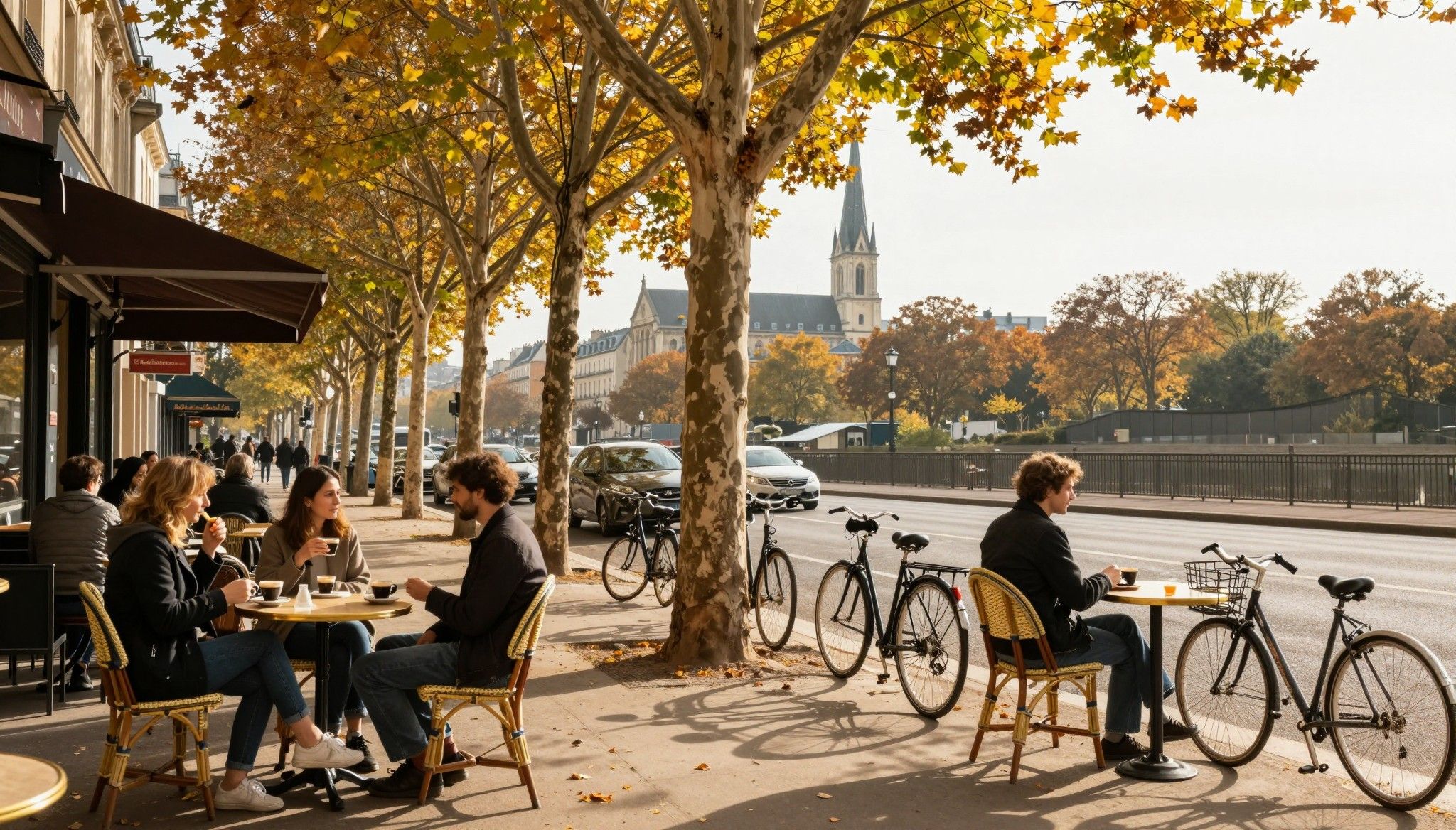
Life here is tactile. In Paris’s 10th and 11th arrondissements you hear bicycles and espresso tampers; in the Marais you find afternoon lumière on limestone façades. On the Côte d’Azur mornings bring salt and pine, while Dordogne villages fill with the smell of wood smoke in autumn. Each region offers a distinct tempo — city bustle, coastal leisure, or slow rural stewardship — and those rhythms shape what you actually want from a home: a courtyard for tomatoes, winter heating that’s efficient, or cross-ventilation for humid summers.
Neighborhoods that tell a story
Look beyond the headlines. In Lyon’s Croix-Rousse you’ll find artisans and morning markets that make small terraces thrive; in Biarritz surf culture meets Basque tavernes; and in Aix‑en‑Provence, quiet lanes hide shaded courtyards where olives cure and neighbours greet with a knowing nod. When you choose a district, listen for the cadence of daily life — when bakeries open, where children bike after school, how late people eat — that’s the true indicator of fit.
Food, markets and rituals that anchor home life
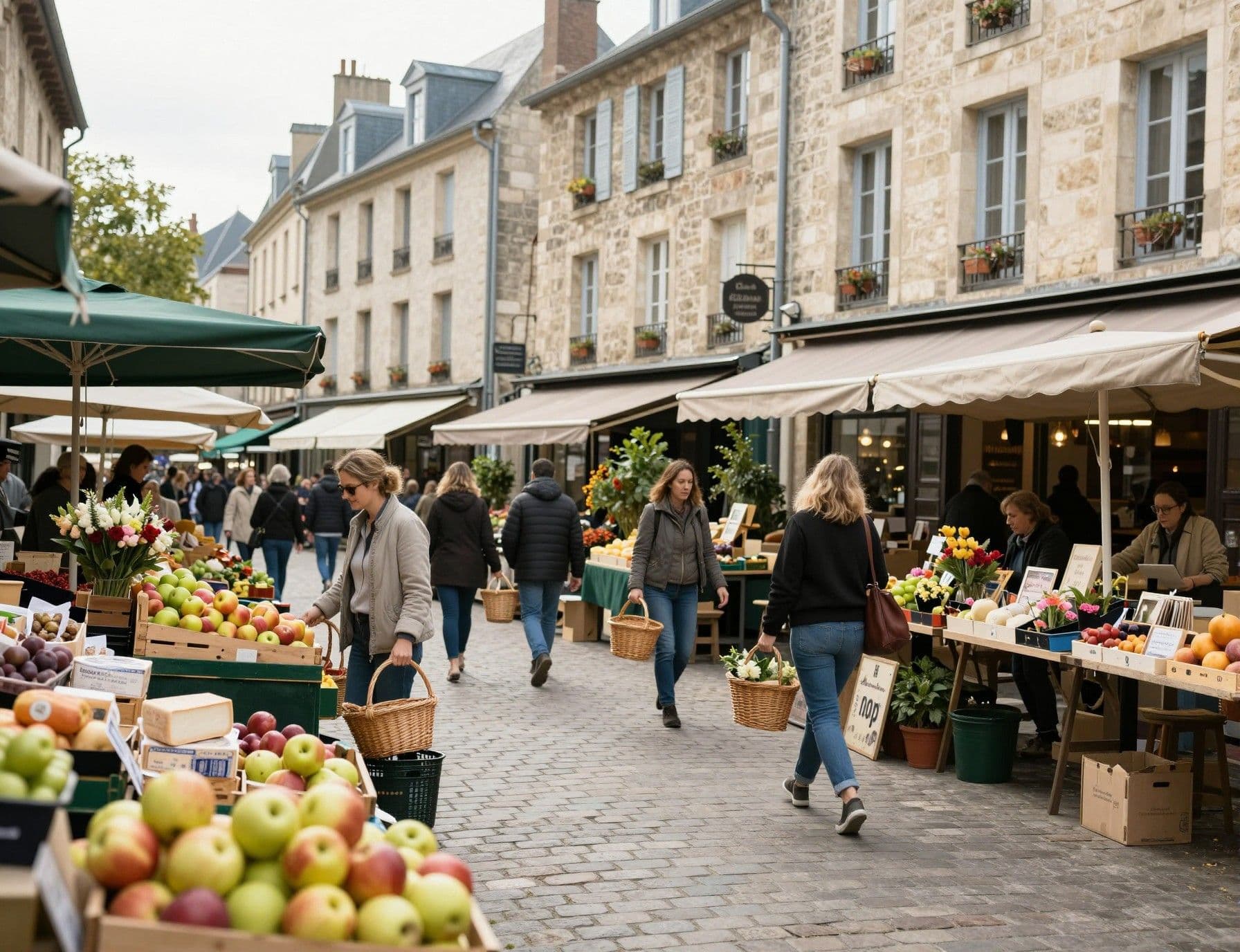
From the fish stalls of Marseille’s Vieux Port to the covered market at Saint‑Germain‑en‑Laye, weekly markets in France are where neighbourhoods meet. For eco‑minded buyers, markets are more than charm — they supply seasonal food, local producers and reduce reliance on long supply chains. Picture a terrace with crates of pears in October, or a kitchen designed around market finds; that everyday ritual will shape how your home is used, renovated and valued.
- Lifestyle highlights to scout when you visit
- Morning markets (Marché des Enfants Rouges, Paris; Cours Saleya, Nice)
- Neighbourhood cafés where locals linger (Rue Cler, Paris; Place du Peyrou, Montpellier)
- Coastal promenades for daily walks (La Croisette, Biarritz promenade, Plage de l’Espiguette)
Making the move: lifestyle-led practical considerations
If the lifestyle draws you in, the market facts steady the plan. Recent INSEE and notaires reports show the French market stabilising after regional fluctuations, which means pockets of value can be found if your priorities are lifestyle and sustainability rather than quick capital gains. For buyers focused on energy performance and low‑impact living, plan for upgrades: French regulations and incentives increasingly favour renovated, energy-efficient homes, and properties with good DPE (energy performance) ratings will be easier to let or sell later.
Property styles and how they fit your life
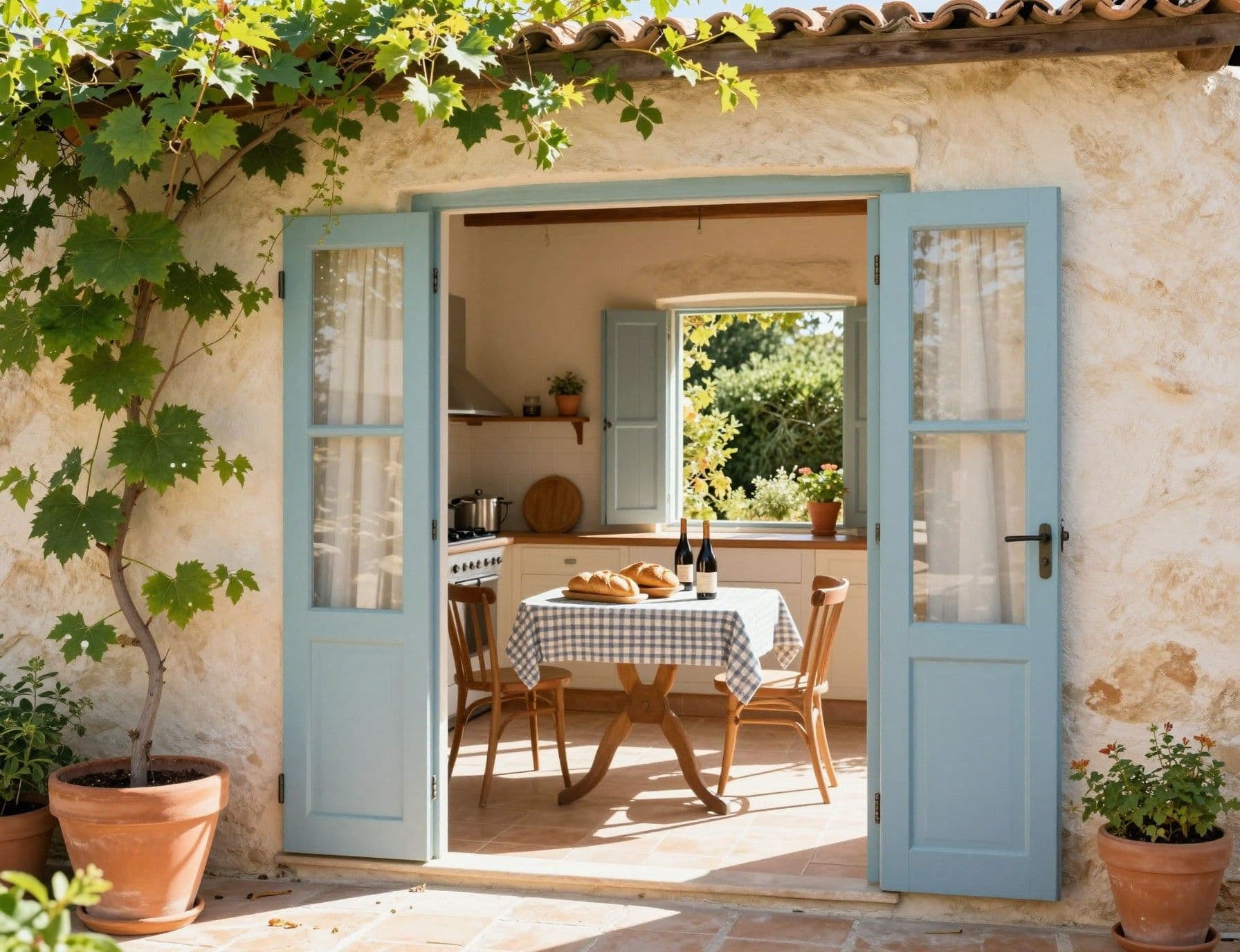
Stone farmhouses in Dordogne or Provence bring thick walls and thermal mass that tame summer heat; Parisian Haussmann apartments offer scale, light and proximity but often need insulation work; contemporary eco‑builds along the Atlantic combine passive design with solar integration. Choose a type that matches daily life: a courtyard for urban gardening, a cellar for preserving seasonal produce, or a south‑facing terrace for solar gain and alfresco dinners.
Working with local experts who understand lifestyle and stewardship
- How a local, sustainability‑minded agent helps you live the life you imagined
- They shortlist neighbourhoods based on daily routines (markets, schools, commute), not just price.
- They flag properties with retrofit potential: orientation, roof space for solar, room for heat‑pump installation, and garden for food growing.
- They connect you to local craftsmen experienced in traditional materials (lime plaster, reclaimed stone) that preserve character and improve performance.
- They advise on seasonal use: whether a coastal place will be lively in summer but quiet off‑season, or if a village supports year‑round life.
Insider knowledge: myths, red flags and expat truths
Expat experience often collapses into myths: 'Paris is always too expensive' or 'rural France is cheap and simple.' Reality is layered. Urban centres have micro‑markets — a quiet arrondissement can be more affordable and sustainably liveable than a fashionable one. Likewise, rural homes may seem inexpensive but bring renovation, access and energy upgrade costs. The red flag is an emotional purchase without a seasonal-check: visit a place in winter and autumn as well as summer before committing.
Cultural integration and practical dailyities
Language opens doors. Neighbours, local mayors and artisans appreciate basic French — even a few phrases smooth bureaucratic steps and community welcome. For families, investigate local schools early; for remote workers, test broadband in the exact property. Join community events and markets; volunteer at a harvest or fête to meet people fast. Integration is a lifestyle choice as much as a timetable.
Long‑term stewardship: what life looks like after you buy
Think seasons ahead. Plan gardens for pollinators, orient extensions for solar gain, and budget for gradual retrofits that raise the DPE rating. French grants such as MaPrimeRénov' (for eligible works) and local incentives can help offset costs; a stepwise approach preserves cash flow while improving comfort and resale prospects. Living sustainably here is as much about cumulative small choices as it is about any single upgrade.
Steps to take on your first trip (practical, lifestyle-driven)
- 1. Spend three visits across seasons: at least one in autumn or winter to test daily life and heating needs.
- 2. Walk the neighbourhood at different times; buy from a market vendor and ask locals about services you’ll rely on (doctors, shops, schools).
- 3. Ask agents for recent DPE reports, roof age, heating type, and the neighbours’ pattern of occupancy (year-round or seasonal).
- 4. Contract a bilingual notaire or solicitor who understands local norms and sustainability incentives and can explain ongoing local taxes and community rules.
Conclusion: live the season, buy the life
France rewards patience and attention. If you begin with the life you want — the market mornings, the coastal walks, the garden dinners — you will make decisions that feel right for the long haul. Use local experts who understand sustainability and seasons; plan visits in multiple seasons; and favour properties that marry character with retrofit potential. When you buy this way, your house becomes more than an asset: it becomes a tended place where daily rituals root you to a community and a landscape.
Moss & HearthBritish expat who traded Manchester for Mallorca in 2017. Specializes in guiding UK buyers to luxury Spanish estates with clear navigation of visas and tax.
Related Articles
More insights that might interest you
 Villa Curated
 Villa Curated
 The Yieldist

