
Insuring the French Life: Protections Buyers Overlook
Practical, surprising insurance and protection steps for buyers in France—how lifestyle, lender practice and heritage provenance shape the right coverage.
 Villa Curated
Imagine a spring morning in Aix‑en‑Provence: market stalls under plane trees, the smell of warm croissants, and a stone townhouse whose shutters close only after dusk. Falling for France is easy; protecting the life you buy here is the harder, quieter work. This guide blends the sensuous reasons to live in France with the lesser‑known insurance and buyer‑protection moves that preserve that daily pleasure.
Living the French life — what you really buy
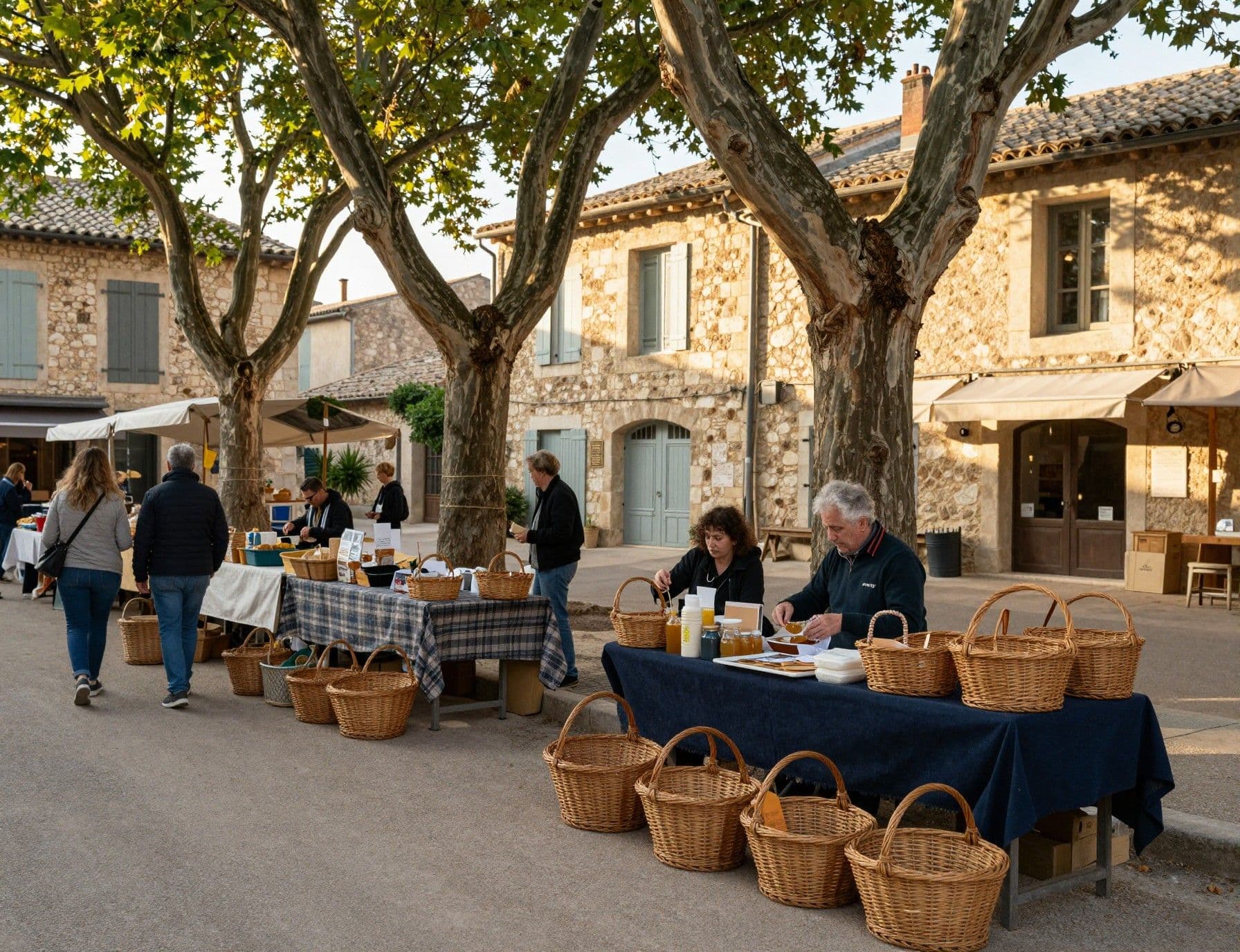
To live in France is to accept a rhythm of public squares, marché mornings and long dinners. In Paris the cadence is cafés on Rue de Bretagne and vaulted boulangeries; on the Côte d’Azur it’s terrace light and an easy focus on the sea. A property here is not merely bricks and title: it is access to a pattern of neighbourhood rituals, local artisans, and seasonal events that shape how you will use the house.
Neighbourhood portrait: Le Marais vs. Saint‑Tropez hinterland
Le Marais rewards those who prize Parisian intimacy: narrow streets, small galleries and a café at every corner where neighbours know each other’s names. The hinterlands around Saint‑Tropez offer lavender fields, stone mas with tiled roofs and a different scale of privacy. These contrasts matter for insurance: a listed Parisian apartment faces different risks — moisture, heritage restrictions — than a Provençal mas exposed to fire or coastal erosion.
Food, markets and the seasonal life that affects risk
Weekly markets and food‑centred living mean kitchens are used — and insured — intensively. Seasonal migration (many owners close homes in winter) alters burglary risk and claims patterns. Knowing how you’ll live — full‑time, part‑time, let seasonally — changes which protections you prioritise: contents cover, vacancy clauses, or short‑term rental endorsements.
- Lifestyle highlights to map to insurance needs: • Market mornings (plan for robust kitchen and appliance cover) • Coastal terraces (wind and salt corrosion provisions) • Historic interiors (fixtures, boiserie, and valuation addenda) • Seasonal letting (short‑term rental clauses) • Rural mas (wildfire and well‑water considerations)
Making the move: practical protections that preserve the life you bought
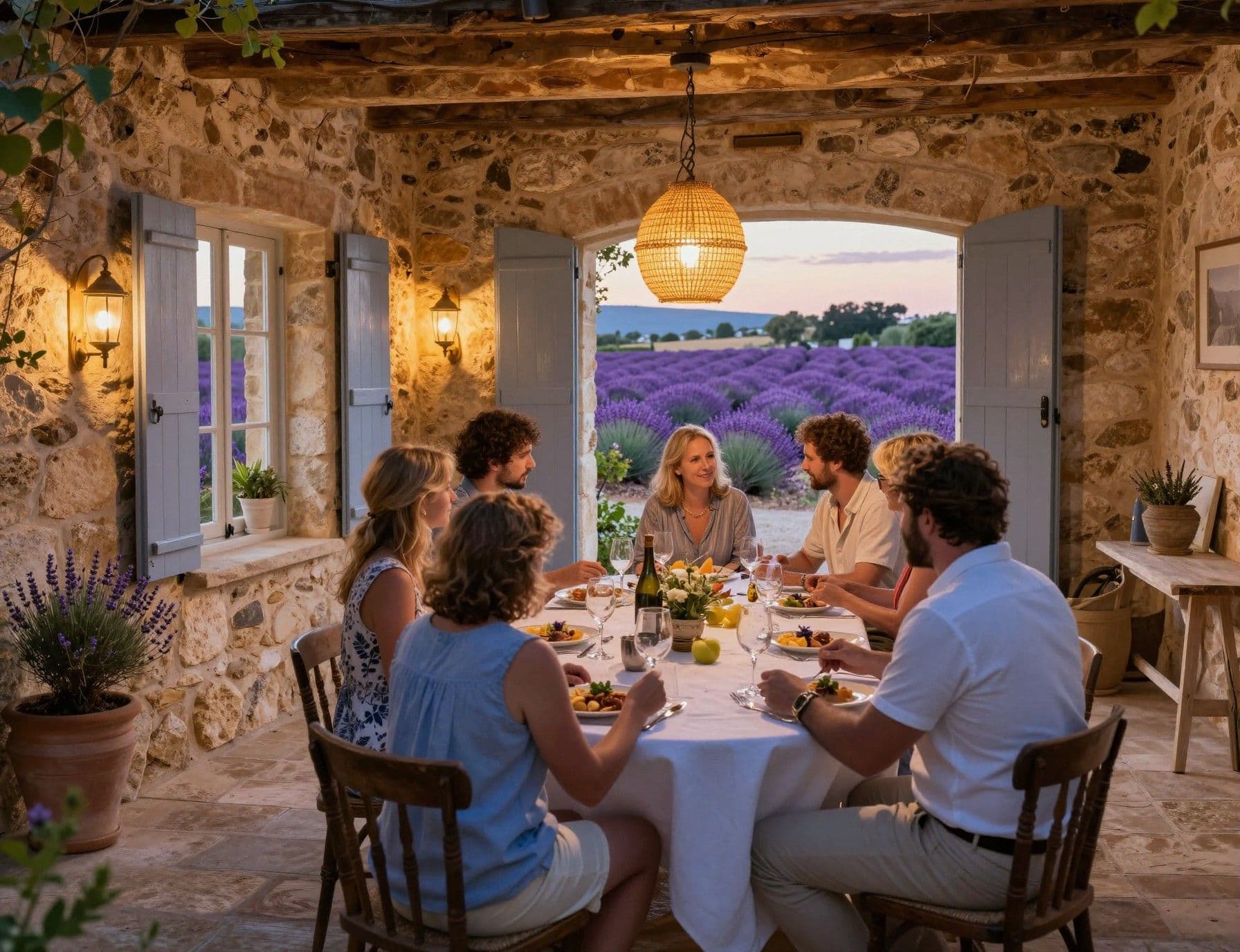
Contrary to some assumptions, France distinguishes between legal obligation and market reality. There is no universal law forcing you to buy mortgage insurance, yet lenders will typically insist on coverage as a condition of loan approval. Understanding where law ends and banking practice begins is essential to negotiating cost and scope, and to avoiding redundant or inappropriate cover.
Property insurance in France (assurance habitation): the essentials
Assurance habitation is the standard cover for owners and many syndicats in copropriété require it as part of building governance. Beyond the compulsory minimum, look for cover that specifically names flood, storm, subsidence or tenant‑related damage where relevant. For heritage properties, insist on valuations for original joinery, stonework and artisan finishes rather than standard contents sums.
Working with lenders and the Lemoine reforms
The Loi Lemoine (2022) rebalanced the mortgage insurance market, making it easier to substitute contracts and broadening consumer choice. Practically, that means international buyers can shop policies outside the lending bank and negotiate better terms, particularly for illness or occupational exclusions. Keep written confirmation of any substitution and verify the lender’s acceptance before closing.
- Practical steps at signing: 1) Confirm which covers the lender requires and which are optional; 2) Obtain a written acceptance of any external insurer from the bank; 3) Have an independent inventory and valuation prepared for unique fixtures; 4) Add vacation/letting endorsements if you plan seasonal rentals; 5) Keep records of restorations and receipts for fine‑art or craftwork.
Insider knowledge: protections expats often overlook
One common blind spot for international buyers is paperwork nuance. Notaires secure title and handle many searches, but they do not substitute for targeted insurance checks. Equally, the health‑questionnaire rules for borrower insurance have changed in recent years; for many loans under certain thresholds the questionnaire is no longer mandatory, which can materially reduce premiums for older buyers.
Title, provenance and the myth of title insurance
Title insurance, common in Anglo‑Saxon markets, is rarely used in France because the notarial system itself performs exhaustive title checks. Instead, buyers rely on the notaire’s work and the public registre foncier; a sensible complement is an independent pre‑sale technical survey (diagnostics) that flags concealed defects — a pragmatic, cost‑effective protection that speaks to stewardship rather than litigation.
Longer view: stewardship, renovations and future‑proofing
Preserving value in France means accepting the responsibility of stewardship: regular maintenance, sympathetic renovations and correct energy diagnostics. Insurance premiums are influenced by the property’s energy performance (DPE) and by documented renovations. Invest in quality documentation at purchase — architect’s reports, contractor warranties and photographic records — to keep claims straightforward and values intact.
- Red flags and quick checks before you sign: • No recent electrical or asbestos diagnostics • Unclear boundary or servitude descriptions in the acte • Missing permits for past conversions • High historical claim frequency in the commune (flood/fire) • Syndic with unresolved building litigation
Your local agency is not merely a finder of houses; it is an introduction to neighbourhood rhythms, a translator of local custom and, importantly, a partner in risk reduction. Choose advisors who understand the fine‑grain differences between a Parisian hôtel particulier and a Bretagne longère, who will insist on the right diagnostics, and who can recommend insurers used to valuing provenance.
Conclusion: the life you imagined, secured
France offers a distinctive life: market mornings, seasonal rites and architecture that rewards careful living. Protecting that life requires bespoke choices rather than off‑the‑shelf comfort. Start with a conversation — a notaire to verify title, an independent surveyor to quantify risk, and an insurer who understands historic materials — and you will have done more than close a transaction: you will have ensured the preservation of a life well lived.
Villa CuratedHaving moved from Stockholm to Marbella in 2018, I help Scandinavian buyers navigate Spanish property law, restoration quality, and value through authentic provenance.
Related Articles
More insights that might interest you
 The Yieldist
 MoveSettleGo
 Moss & Hearth
