
Malta’s Hidden Yield Streets: Lifestyle Meets Tax Reality
Malta melds Mediterranean lifestyle with precise tax rules: model 5% stamp duty, residency thresholds and local regulation to align yield with everyday life.
 The Yieldist
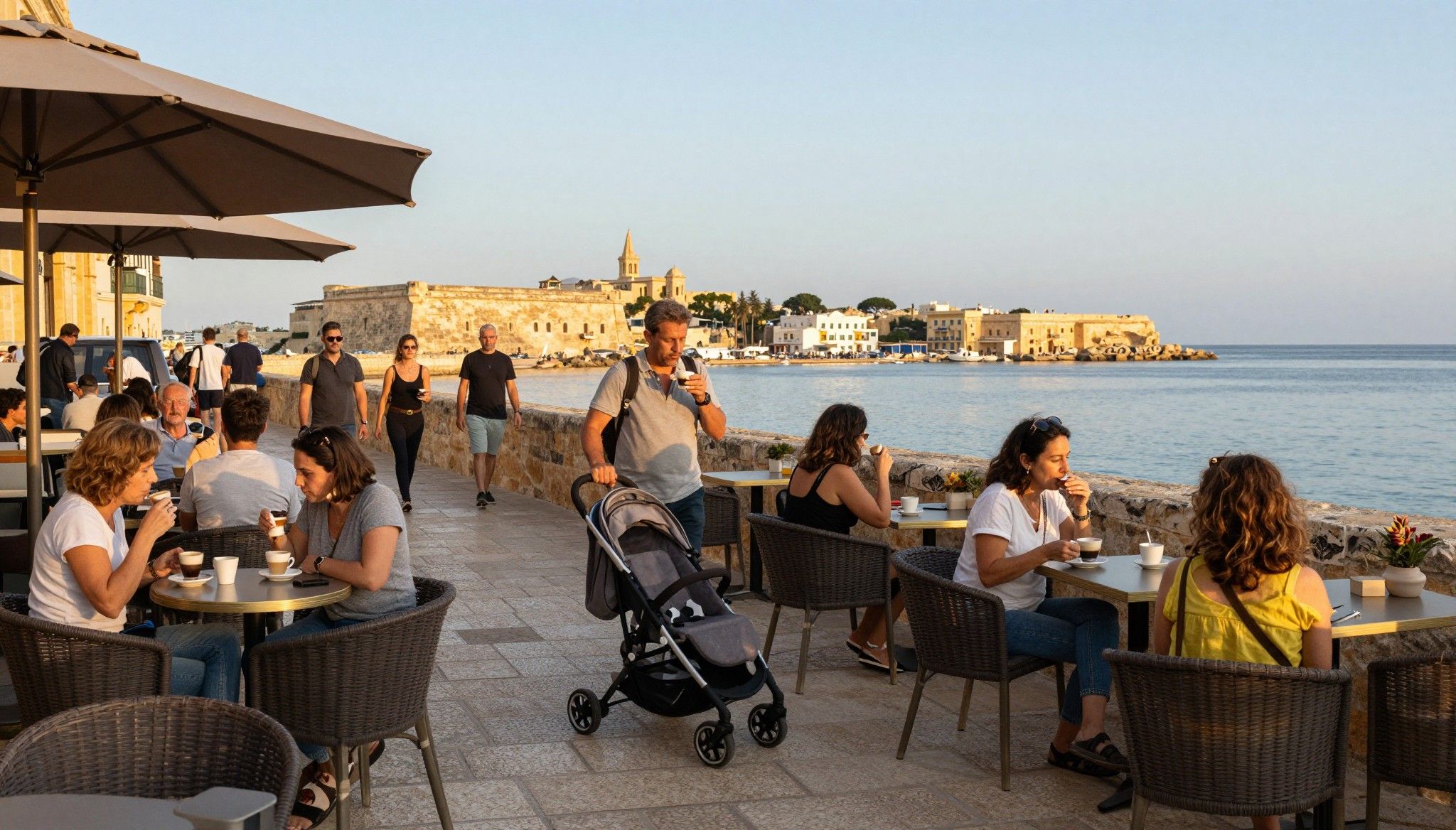
Imagine a midday espresso on Valletta’s Republic Street, limestone facades warming under the sun while a short drive away fishermen mend nets by Marsaxlokk harbour. Malta is compact — you can live historic, coastal or suburban within 30 minutes — and that compression creates surprising investment pockets. This piece connects the lived experience of Malta’s neighbourhoods to the legal and tax mechanics that actually change returns, so you know what lifestyle you buy and what the ledger will demand.
Living Malta: how the island feels (and why it matters to returns)

Malta’s rhythm is Mediterranean and pragmatic: short commutes, English widely spoken, intensive social life around cafes and harbours. For buyers this translates to predictable tenant demand — professionals in Sliema and St Julian’s, families in Naxxar and Mellieħa, and a steady stream of medium‑term rentals used by business visitors. Lifestyle patterns shape cashflows: neighbourhoods with year‑round activity (commerce, schools, hospitals) support steadier rent and lower vacancy risk than purely seasonal coastal resorts.
Neighborhood snapshot: Valletta, Sliema, Marsaxlokk
Valletta sells old‑world texture and short‑term tourism demand; expect higher per‑sqm prices but limited supply of modern stock. Sliema and St Julian’s trade on international tenants, coworking and nightlife — higher yields if you target furnished medium‑term lets but higher management intensity. Marsaxlokk and outer villages offer lower entry prices and stronger family tenant markets, at the cost of longer refurb cycles and slower capital growth.
Food, festivals and seasons that affect letting patterns
Feast days, Jazz Festival and the Valletta calendar punctuate demand spikes — short festivals deliver sharp nightly rates but not steady monthly cash. Conversely, school calendars and corporate cycles drive predictable professional tenancy through autumn to spring. Knowing which local events boost short lettings versus which support stable, long lets is a simple but underused lever for aligning property type to income profile.
- Lifestyle highlights to map against investment goals: Valletta cafe scene, Sliema promenade and ferry link, St Julian’s coworking and nightlife, Mellieħa family beaches, Marsaxlokk fish market for authentic local life.
Making the move: practical tax and regulatory realities
The dream of Maltese sun needs a tidy tax map. Buyers routinely focus on headline price per square metre and forget transactional taxes and residency strings attached to certain programmes. The central facts: stamp duty (document duty) commonly operates at 5% on transfers, special first‑time buyer reliefs and Gozo reductions can apply, and rental income is taxable in Malta with specific options for non‑residents. These mechanics materially change net yields and should be modelled before you make an offer.
Stamp duty, VAT and closing costs—what to budget
Plan for ~5% stamp duty on the transfer value as a baseline; in 2025–2026 the government has kept targeted reliefs for first‑time buyers and specified lower rates for Gozo in certain schemes. Notary, registration and agent fees typically add 2–4% and VAT can apply on new builds where the seller is VAT‑registered. Aggregate closing costs of 7–10% are a conservative working estimate — factor them into headline yield calculations to avoid post‑purchase surprises.
Residency programmes that change the property equation
Malta’s Permanent Residence Programme (MPRP) ties property thresholds and government contributions to the residency outcome; purchase minima have been updated in recent years and the programme’s terms directly affect which properties qualify. If you pursue residency, include the required government fees and minimum property values (often €300k–€375k+ depending on the route) in total cost models. Treat residency‑linked purchases as policy‑exposed: rules move and that reprices expected returns.
- A practical purchase checklist that preserves lifestyle and yield: 1) Model net yield after 5% stamp duty and 8–10% closing costs. 2) Confirm whether the unit is VAT‑liable (new builds) or subject to normal transfer tax. 3) Verify MPRP/property thresholds before assuming residency benefits. 4) Ask for historical vacancy and tenant profiles from local agents. 5) Budget for property management if you plan remote ownership.
Insider knowledge: expat truths that change the purchase decision
Expats routinely underestimate local bureaucracy and overvalue headline neighbourhood glamour. Real examples: a beautifully renovated Valletta apartment can command premium nightly rates but suffer management friction and regulation on short lets; a townhouse in a quieter village may deliver steadier long‑let income and lower turnover costs. Practical local knowledge — which streets have noise restrictions, which areas are Urban Conservation Areas with renovation controls — shifts risk and should be priced.
Language, community and daily life for long‑term living
English is an official language, easing tenancy contracts and service provision for internationals. Integration still takes work: local feast days, neighbour relations and municipal regulations determine noise, refuse schedules and permitted conversions. For those wanting community quickly, target established expat nodes — Sliema, St Julian’s and parts of the Northern Harbour — but be ready to accept higher entry prices in return for simpler daily logistics and lower vacancy risk.
Longer horizon: how lifestyle shifts affect asset performance
Malta’s limited land and high tourist visibility support medium‑term capital appreciation, but policy tweaks (residency rules, tourist licensing) can cause sharp local revaluation. Treat assets in Malta as moderately liquid island plays — good for portfolio diversification but sensitive to regulatory change. Rebalance risk by mixing higher‑yield peripheral units with core, low‑vacancy central flats.
- Red flags local agents will sometimes underplay: properties in Urban Conservation Areas requiring expensive approvals; units advertised as "short‑let friendly" without a valid licence; unclear title history for older terraced homes.
Conclusion: buy the rhythm, not just the postcard. Malta offers concentrated, lifestyle‑rich living with measurable yield opportunities — but the tax and residency rules materially change returns. Start with a neighbourhood visit timed to everyday rhythms (a weekday morning and a Saturday evening), model net yields including stamp duty and residency costs, and choose an agent with demonstrable experience on the island’s regulatory quirks. The lifestyle is immediate; the financial clarity is deliberate.
The YieldistDutch investment strategist who built a practice assisting 200+ Dutch clients find Spanish assets, with emphasis on cap rates and due diligence.
Related Articles
More insights that might interest you
 Villa Curated
 The Yieldist
 MoveSettleGo

