Malta’s Connectivity Premium: Buy Near Transit, Not the View
Malta’s short distances and targeted transport upgrades are reshaping where rental yield and resilience live—buy near transit, not just sea views.
 The Yieldist
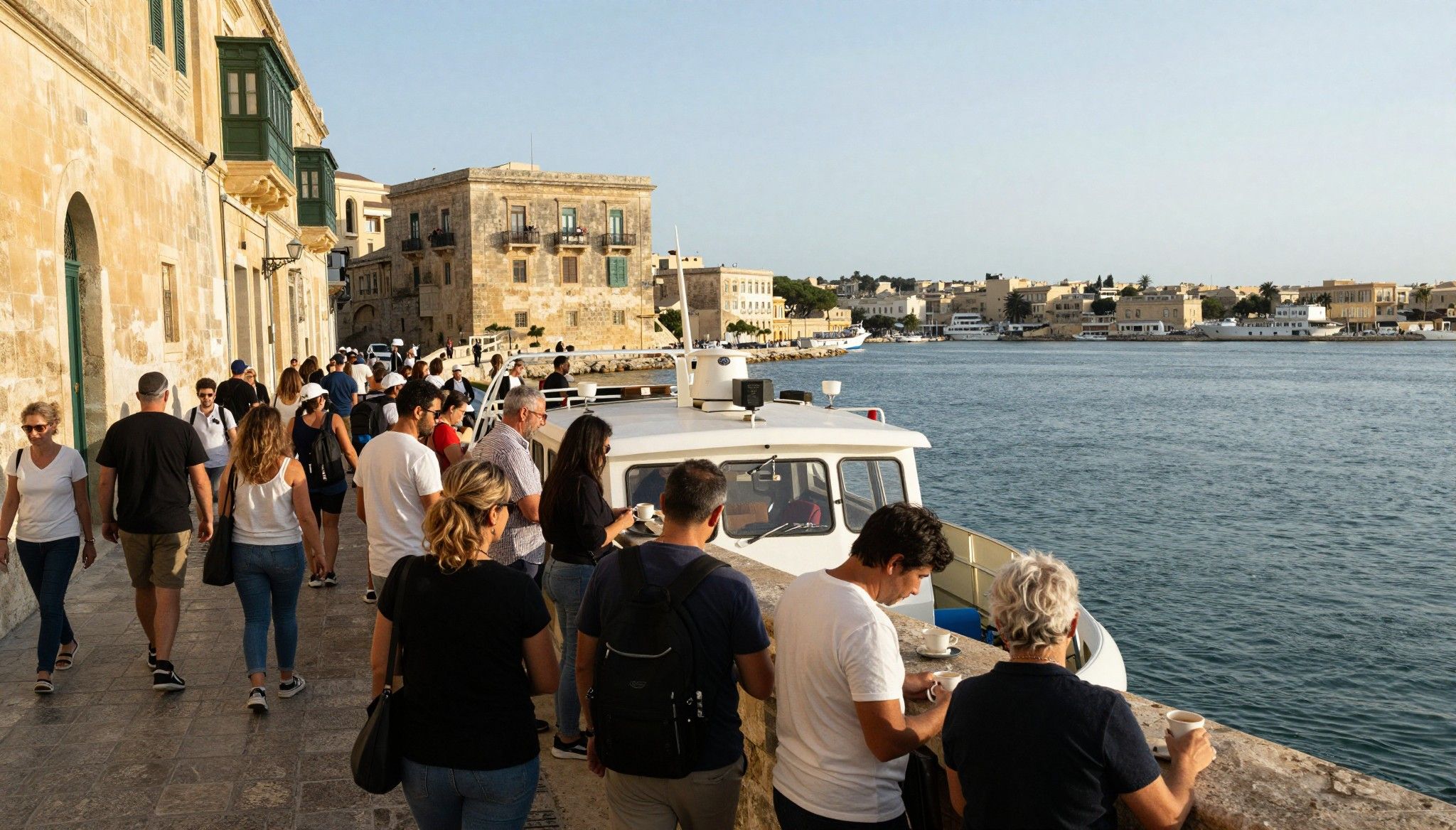
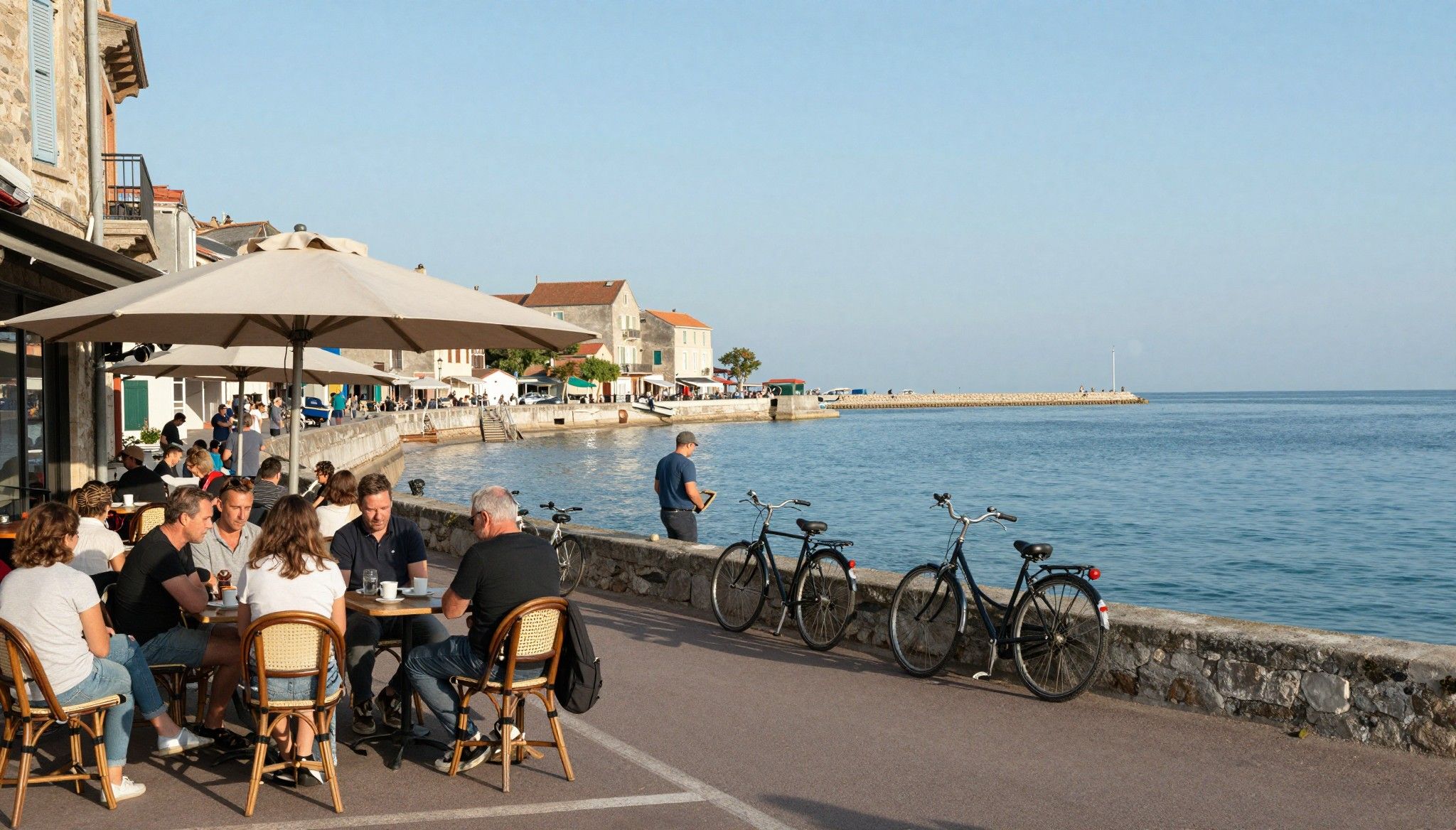
Imagine stepping off a ferry into Valletta at 08:00, espresso in hand, then catching a 25‑minute bus to a waterfront office in Sliema. That compact, well‑worn rhythm — short distances, shifting light over limestone façades, and the low murmur of boats — is Malta’s everyday. For international buyers the question is less “Can I live here?” and more “Which pockets of connectivity protect my rental yield and resale value?” Recent infrastructure upgrades mean the answers are changing fast.
Living the Malta lifestyle: compact, coastal, connected
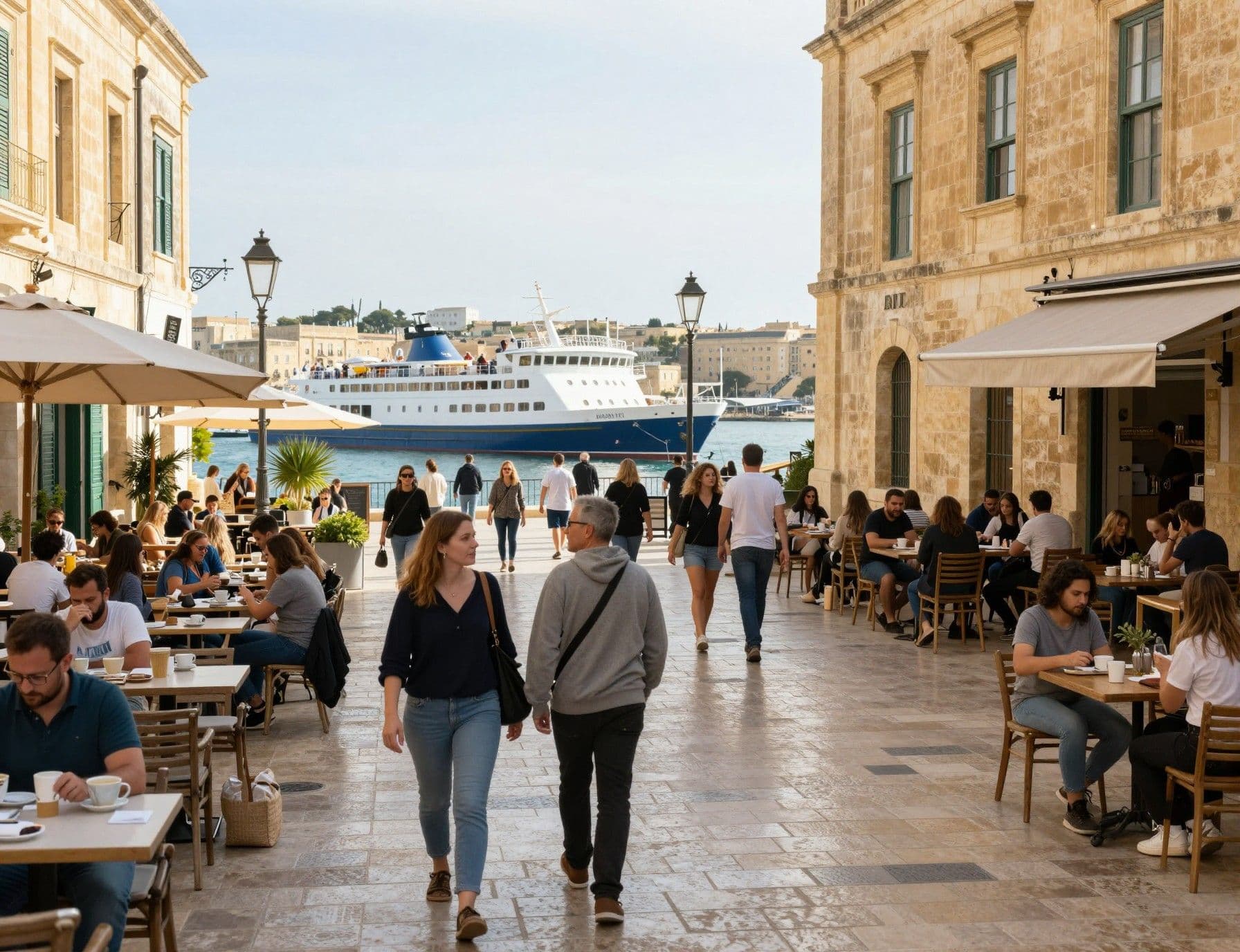
Malta’s lifestyle is defined by short journeys: a 20–30 minute commute is common between most residential hubs and employment centres. The island’s density produces intense mixed‑use neighbourhoods where cafés sit beneath flats and a bus stop is never more than a ten‑minute walk for most residents. That spatial intimacy influences where rents stay steady and where price volatility concentrates.
Valletta, Sliema & St Julian’s — the investment spine
Valletta brings heritage, short‑let demand and proximity to ports; Sliema combines retail and ferry links; St Julian’s fuels corporate and leisure rentals around Spinola Bay. These areas command higher price‑per‑sqm and attract both tourism and long‑let professionals, but they also carry the greatest downside if transport access degrades or short‑let rules tighten.
Gozo and the coastal belt — quieter yields, structural upside
Gozo and the quieter coastal towns (Marsaskala, Mellieħa) offer lower entry prices and tenant profiles skewing long‑let and family renters. Planned projects — from improved ferry landing sites to targeted bus routes — are explicitly designed to shift commuter patterns and broaden where reliable yields can be found. For buyers, these projects convert lifestyle appeal into measurable connectivity premium over time.
- Lifestyle highlights: Valletta’s morning market; Sliema promenade runs; Spinola Bay dining; Mellieħa sandy beaches; Marsaxlokk fish market; local village festa evenings.
Making the move: infrastructure-led buying decisions
The practical step: treat infrastructure changes as shift‑factors, not niceties. Recent reports show modest but steady price growth and rental yield pressure; where public transport, ferry links and airport access improve, advertised prices often follow within 12–24 months. Anchor your valuation model to transit time to key demand nodes (hospital, business parks, ferry terminal) rather than scenic views alone.
Property types that fit Malta’s connectivity map
Converted townhouses and apartments near transport hubs suit short‑let and corporate tenants; modern developments with parking and balconies appeal to families and remote workers. Stone houses of character in villages can deliver long‑let stability but need good road or ferry links to avoid vacancy spells during low season.
How local experts translate lifestyle into yield
- 1. Map true commuting times (door-to-door) and price per sqm adjustments. 2. Estimate seasonal occupancy across short‑let and long‑let channels. 3. Stress‑test net yield under 10–20% occupancy reduction to see downside. 4. Confirm permit status for renovations that increase energy efficiency and appeal.
Insider knowledge: what expats wish they'd known
Expats often fall for the postcard: terraces, sea views, and historic floors. What they under‑price is the cost of everyday mobility. Roadworks, bus timetable changes, or a relocated ferry landing can materially change tenant demand. Those who model a property’s cashflow with a 15–25% variation in occupancy typically avoid surprises.
Cultural realities that shape neighbourhood choice
English is an official language and common in business, easing integration and tenant sourcing. Local festa calendars, church schedules and Sunday market rhythms influence noise, footfall and short‑let desirability. Buyers seeking stable income prioritise school catchments, weekday bus frequency and proximity to larger employers (iGaming hubs, hospitals, schools).
Longer term: government investment reallocations — for example, funding moves from roadworks to bus fleets and ferry upgrades — signal a policy bias toward public transport. That reduces congestion risk and can broaden the universe of attractive neighbourhoods for yield‑sensitive buyers over a 3–7 year horizon.
- Red flags and quick checks before you buy: Verify current bus/ferry timetables; confirm walking distance to the nearest Tallinja card stop; check any planned coastal works that alter landing sites; inspect energy efficiency scores (rising tenant demand); check zoning if you plan short‑lets.
If Malta’s compactness seduces you, use infrastructure as your risk management tool. Buy where connectivity already supports steady demand, and where planned upgrades offer clear upside. Work with a licensed local agent who maps transit times to cashflow scenarios, and run a conservative yield model that includes seasonal and regulatory shocks. Do that, and the island’s lifestyle becomes a calculated, investable advantage rather than a pleasant gamble.
The YieldistSwedish financier who guided 150+ families to Spanish title deeds since relocating from Stockholm in 2012, focusing on legal and tax implications.
Related Articles
More insights that might interest you
 Villa Curated
 The Yieldist
 MoveSettleGo

