Cyprus: Financing the Life, Not Just the Property
A lifestyle-led financing guide for international buyers in Cyprus: how local rhythms, property types and lender rules shape borrowing and long-term stewardship.
 Villa Curated
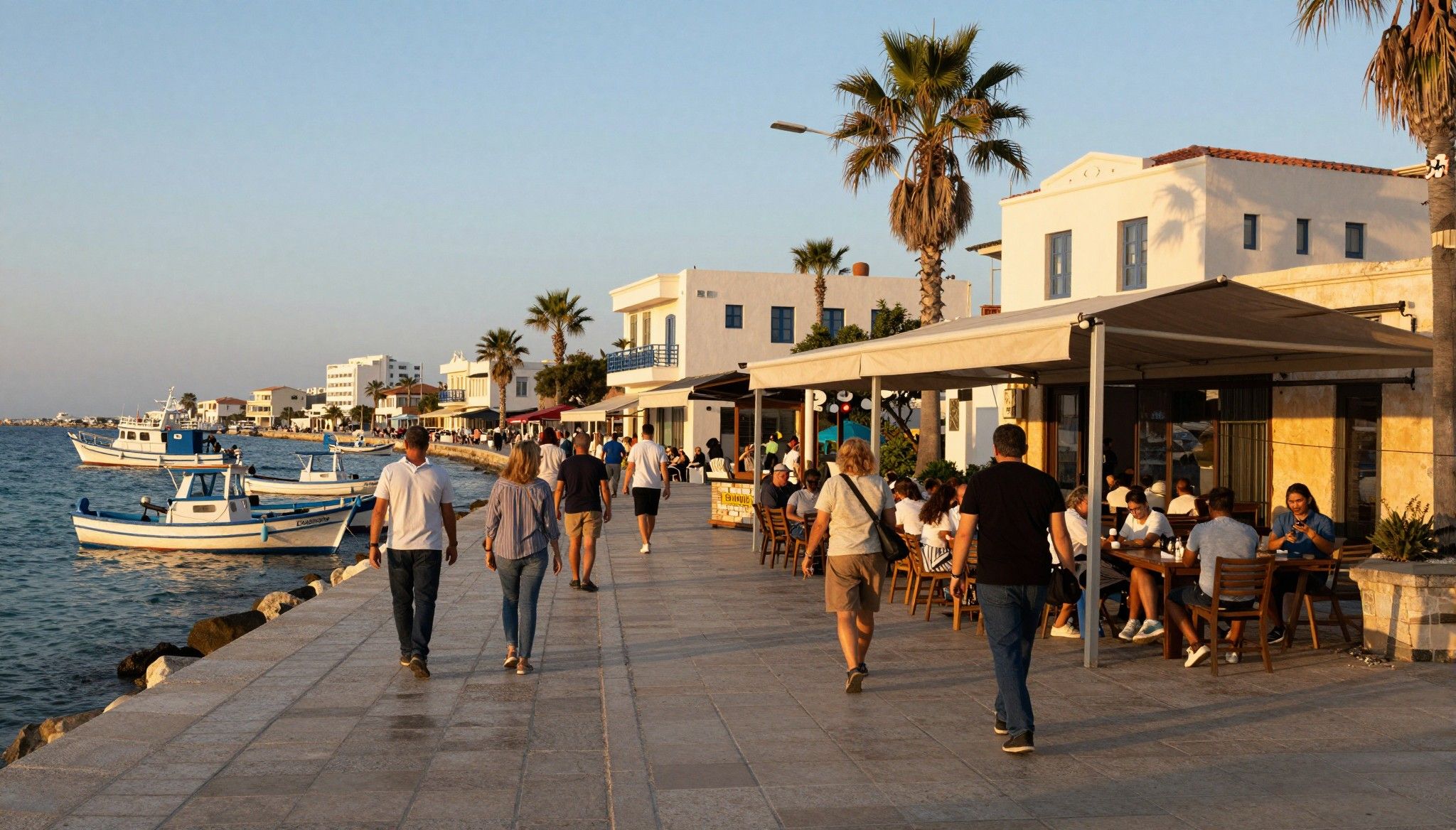
Imagine an early morning in Limassol: the quay is calm, the baker on Anexartisias Street lays out sesame-coated koulouri, and terraces fill with quiet conversation. Cyprus moves at a Mediterranean tempo—sunlit days, late dinners, and a particular intimacy between house and neighbourhood. For an international buyer, that rhythm is the first currency: it changes how you use rooms, how gardens are enjoyed, and what type of financing will suit not only a purchase but a life.
Living the Cyprus Life
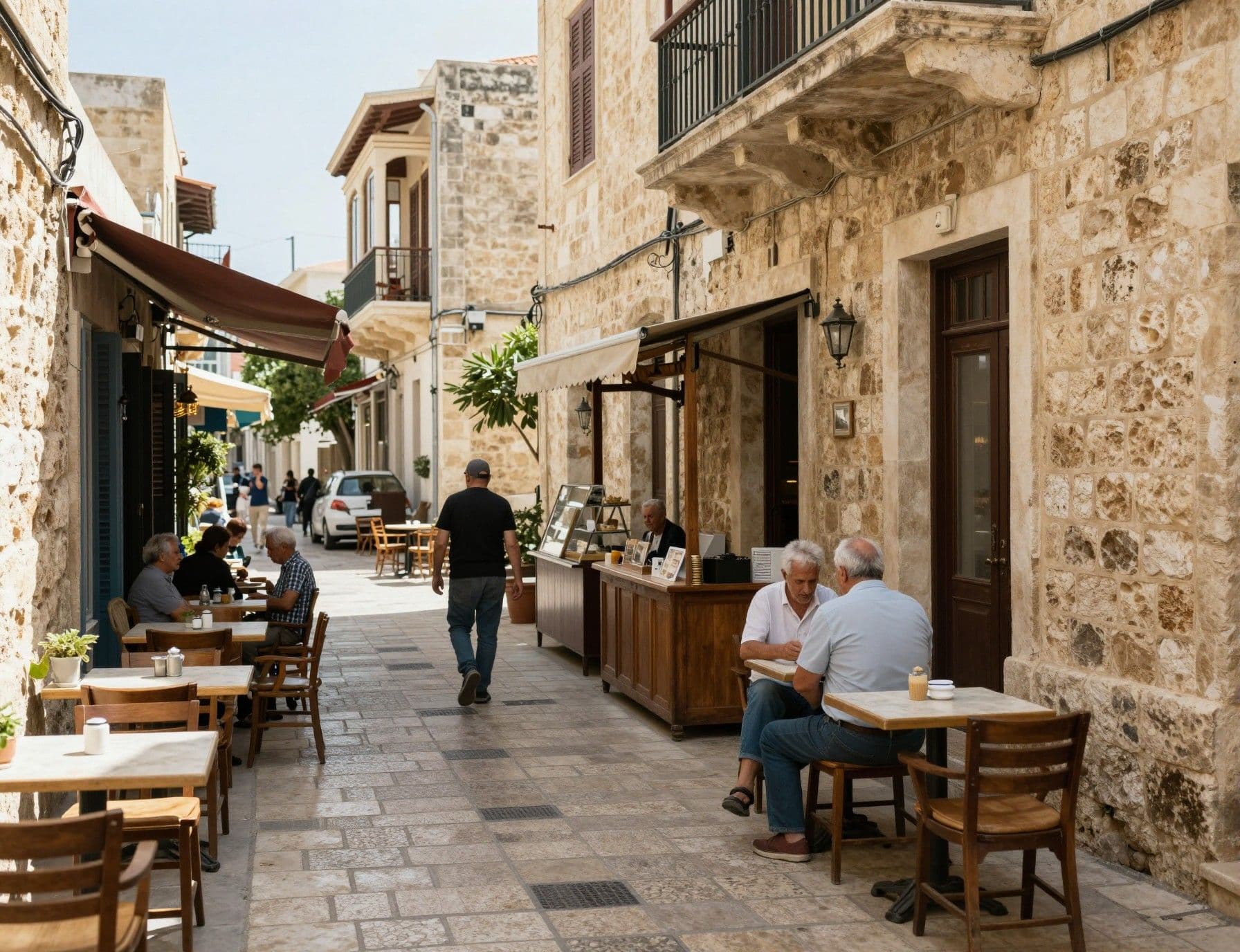
Cyprus is a landscape of contrasts: glass-fronted apartments in Limassol, stone courtyards in Nicosia's old quarter, and whitewashed cottages in the Troodos foothills. Daily life blends Greek-Cypriot traditions with an international cadence—coffee at 10, a long lunch, and evenings that belong to the sea. That lifestyle shapes the types of properties in demand and the financing structures banks prefer; urban flats, for instance, serve both local life and short-term rental economics, while village houses reward patient stewardship.
Limassol, Larnaca & Paphos: Three different coastal lives
Limassol has the yacht-lined promenade and boutique cafés along Germasogeia; Larnaca feels smaller, favours family life and calm harbourside evenings; Paphos is quieter by day and historically resonant, with coastal villages like Chloraka offering generous plots and views. Each place asks for different financial planning: coastal developments often come with developer payment schedules and stricter bank appraisals, while village restoration projects demand contingency budgets and specialist lending advice.
Food, market life and how it shapes choice
Picture Saturday at the Nicosia municipal market—stalls of halloumi, carob syrup, and overripe peaches. Buyers who prioritise proximity to markets and neighbourhood life often choose older houses or townhouses with small courtyards. That preference influences financing: banks assess the property's use (primary residence vs. investment) and may apply different loan-to-value (LTV) ceilings and documentation requirements, especially for non-resident applicants.
- Lifestyle highlights: An afternoon swim at Fig Tree Bay (Protaras); an espresso at To Pantopolio in Limassol; Sundays in Omodos village; the Troodos hiking season; a coastal dinner in Pissouri village.
Making the Move: Practical Considerations
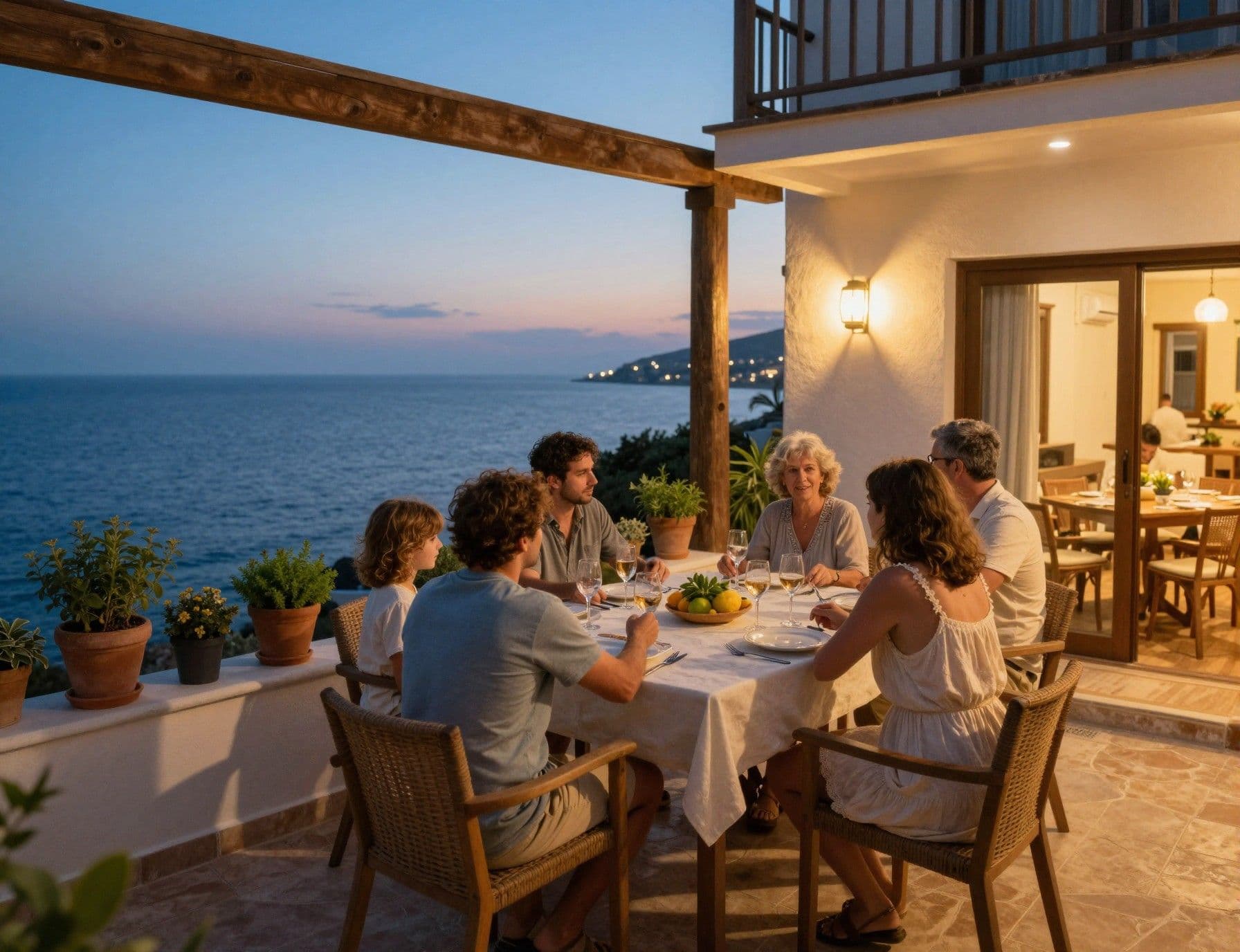
The romance of Cyprus must meet currency and contract. Recent official indices show house-price growth has been steady—this matters because lenders use such indices to calibrate appraisal values and LTV policy. For international buyers, the first practical move is to align a lifestyle brief (where you want to live, how you will use the property) with realistic financing expectations; this reduces the chance of overreach and keeps the transaction elegant rather than rushed.
Property types and what lenders prefer
Banks favour clear title, finished units and properties with stable rental demand. New-build coastal apartments typically pass bank valuations more easily than unfinished rural restorations. For the latter, expect staged drawdowns, higher contingency requirements and sometimes a lower LTV. If your vision requires a period house restored with artisan detail, plan for specialist surveys and a financing buffer to honour craftsmanship rather than cut corners.
Working with local experts
- 1. Prepare a succinct lifestyle brief: location, property type, use-case (primary, rental, seasonal). 2. Engage a local mortgage broker early to clarify LTV, rates and required documents—non-residents commonly see lower LTVs (often 60–70%). 3. Commission a legal search and title report before signing; Cyprus conveyancing norms are particular about land registry entries. 4. Budget for VAT (if new build), transfer fees and practical renovation allowances realistic to the island’s supply chains.
Insider Knowledge: What Expats Wish They'd Known
Real buyers often remark that the biggest surprise is not price alone but timing and paperwork. A purchase can feel slow compared with other markets; banks require exhaustive documentation and valuations take time. Non-resident buyers report higher margins and more stringent proof-of-funds checks. That friction is not a barrier but a filter: be deliberate, gather paperwork in advance, and allow extra weeks for appraisals and legal formalities.
Cultural and practical integration
Language is broadly accessible—English is widely spoken in professional and real-estate contexts—but a few Cypriot phrases and understanding of local customs smooth daily life. Neighbourhoods value reciprocity: introduce yourself, share seasonal produce, and respect local rhythms. These small gestures can alter your lifestyle calculus more than a slightly lower mortgage rate.
Long-term stewardship: beyond the purchase
- • Expect incremental maintenance costs for coastal properties exposed to salt air. • Factor in community/municipal levies for historic districts. • Use local management firms for rental or seasonal occupancy. • Consider energy upgrades; Mediterranean insulation changes how rooms are lived in and valued.
Conclusion: Cyprus offers a life shaped by sea, sun and a close-knit social fabric. Finance here is pragmatic—banks will lend to international buyers, but on terms that reflect the island’s market realities. Start with a short, precise lifestyle brief, consult a local broker and solicitor, and treat finance as part of design: the right mortgage supports the life you want, not just the purchase. When you do this, Limassol’s quay, Nicosia’s shaded lanes or a mountain village at dusk become not an investment alone but a place to be stewarded.
Villa CuratedFormer Copenhagen architect who relocated to Provence, offering relocation services, market analysis, and a curator’s eye for authentic regional design.
Related Articles
More insights that might interest you
 Villa Curated
 Villa Curated
 The Yieldist


