Croatia: Seasonality, Yields and Neighborhood Truths
Croatia blends Adriatic lifestyle with divergent market cycles—coastal capital gains versus city yields. Model seasonality, compare real transactions, and stress-test short‑let exposure.
 The Yieldist
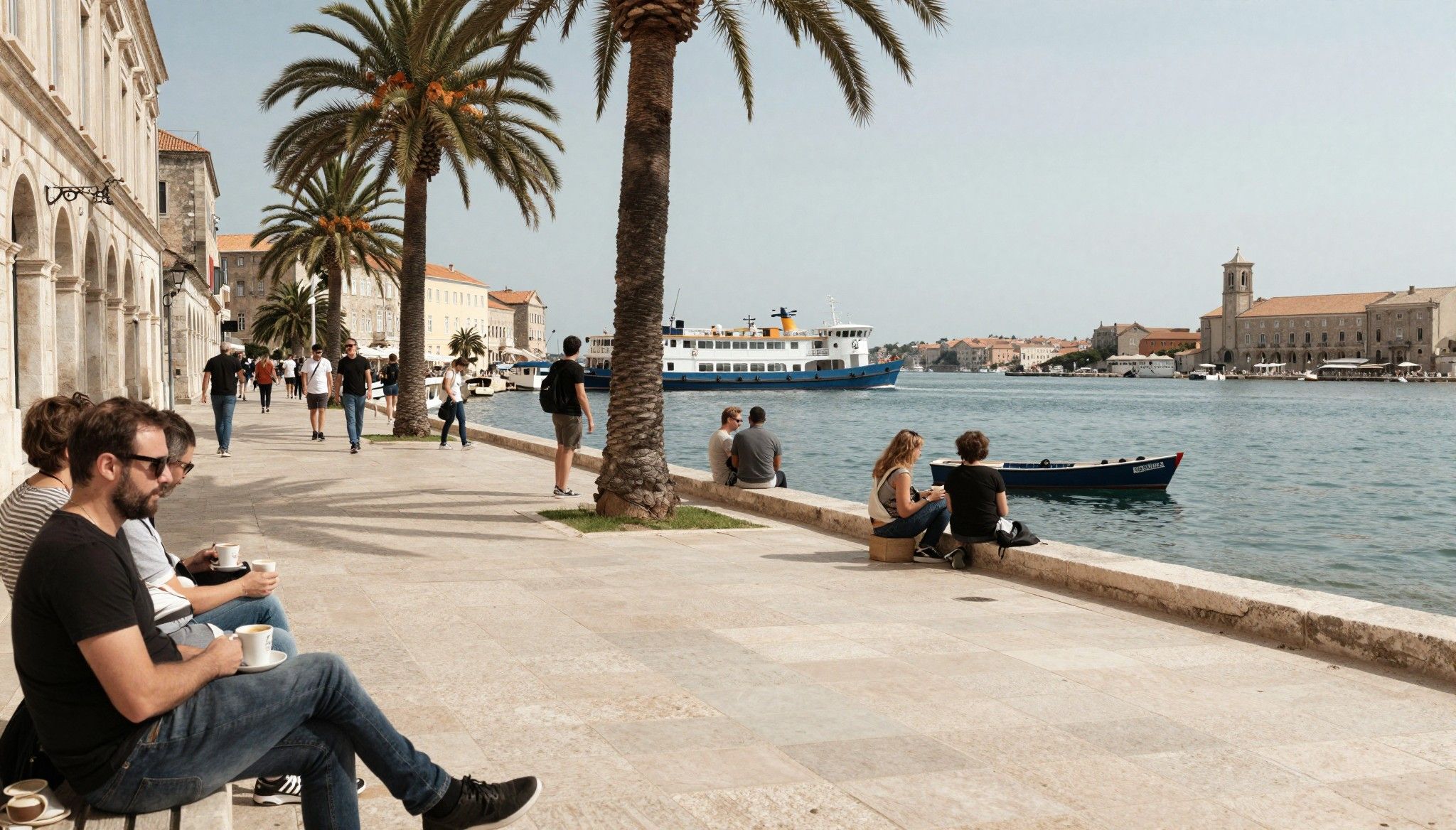
Imagine starting your day with an espresso under shaded plane trees on Split’s Riva, then walking five minutes to a stone apartment where morning light floods a modest terrace — that ease of life is Croatia. But beneath the postcard surfaces are real market cycles that reshape returns: coastal tourist peaks, a Zagreb rental base, and price jumps in tourist towns that can both lift capital values and compress yields.
Living the Croatia lifestyle — what you actually get
Croatia’s daily rhythms vary fast between places. In Dubrovnik and Hvar the day is structured around the sea: mornings are quiet, afternoons hum with day-trippers, evenings fill with local dining. Zagreb feels continental — cafés, galleries, and year-round tenants. Istria blends Adriatic calm and inland agricultural life: truffle season and vineyard weekends shape local routines. These differences drive both demand and what an investor should expect from occupancy and rent seasonality.
Coast vs. city: Split, Dubrovnik, Rovinj and Zagreb in contrast
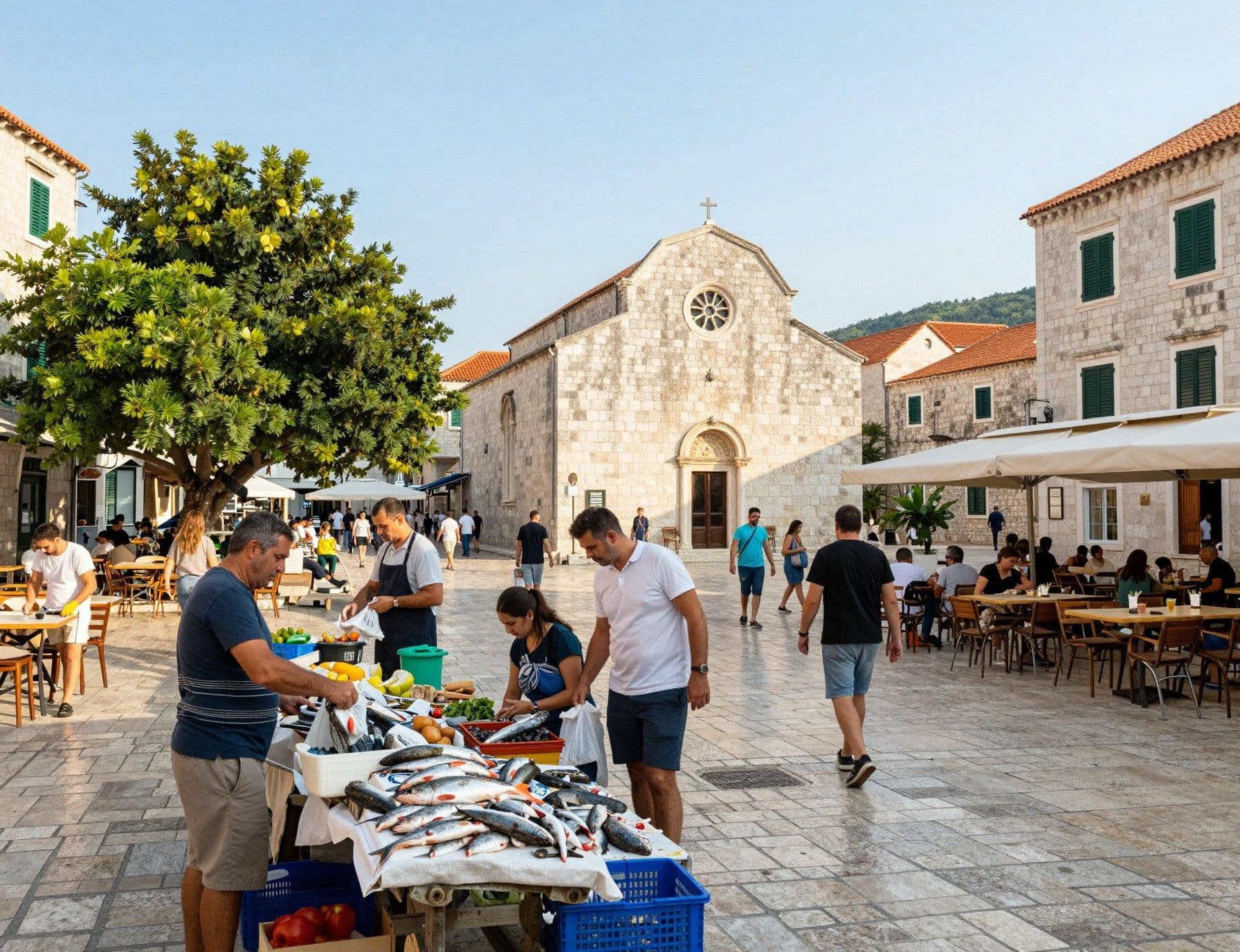
Split blends daily life with tourism: local markets on Pazar, bars in Veli Varoš, and regular ferry links. Dubrovnik’s Old Town is internationally famous — premium pricing, strong short‑let demand but regulatory and seasonality risks. Rovinj and Poreč in Istria attract food and wine tourists year-round and show resilient asking prices. Zagreb offers steadier long‑let demand with lower price-per-square-metre compared to prime coastlines, making it attractive for yield‑focused buyers.
Food, markets and weekend rituals that shape property life
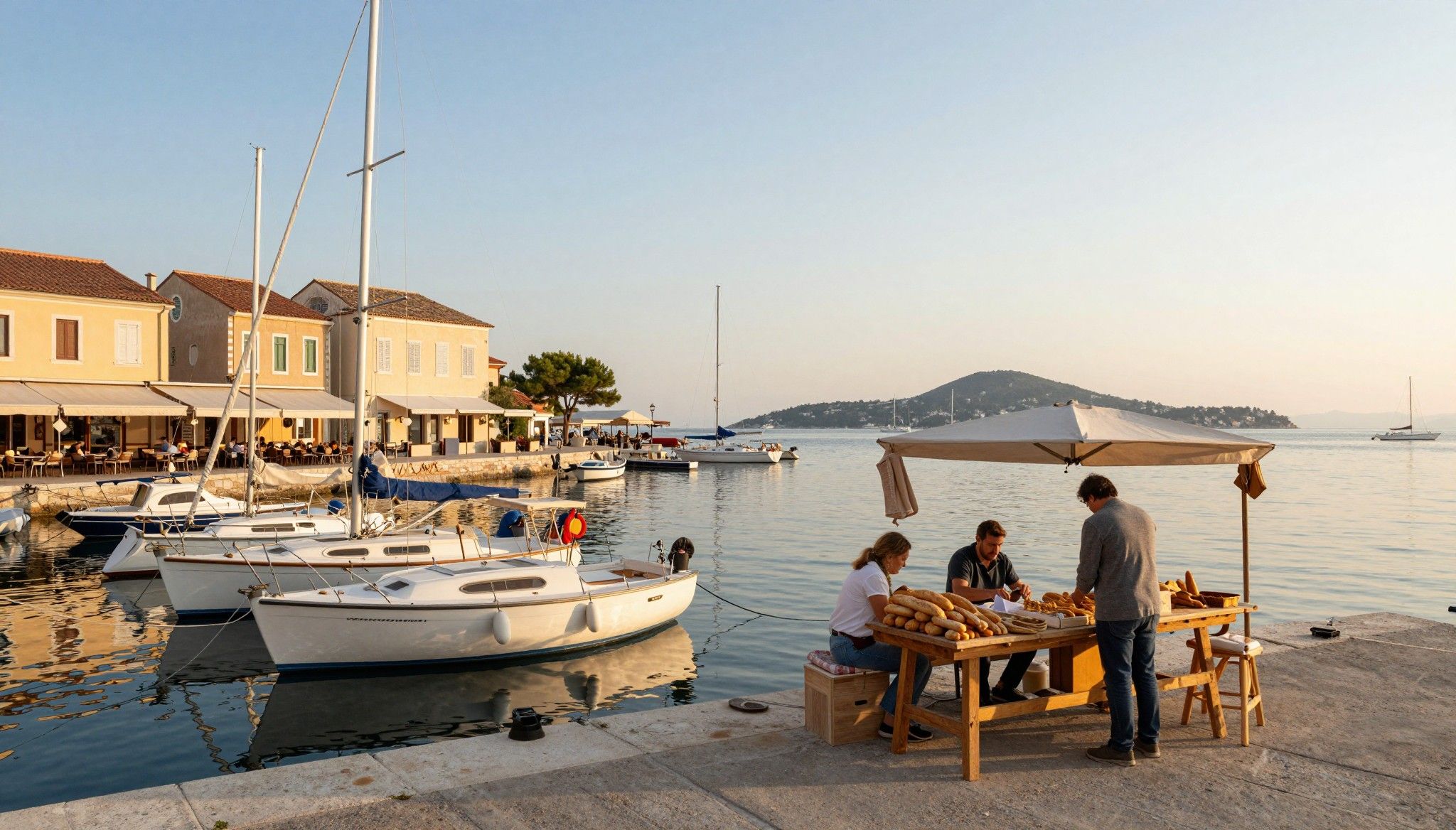
Weekends in Croatia often hinge on markets (e.g., Split’s Pazar, Zagreb’s Dolac), seaside lunches, and small festivals. These rituals matter: properties near regular markets or ferry links have higher off‑season utility for residents and longer letting seasons for managed rentals. Expect cafés, neighborhood konobas and local bakeries to be the heartbeat of a block — these are the amenities tenants actually value.
- Lifestyle highlights: historic promenades, market mornings, island hopping from Split, truffle markets in Motovun, evening promenades on Dubrovnik’s Ploče, and Zagreb’s year‑round cultural calendar.
Making the move: how lifestyle rhythms translate to investment outcomes
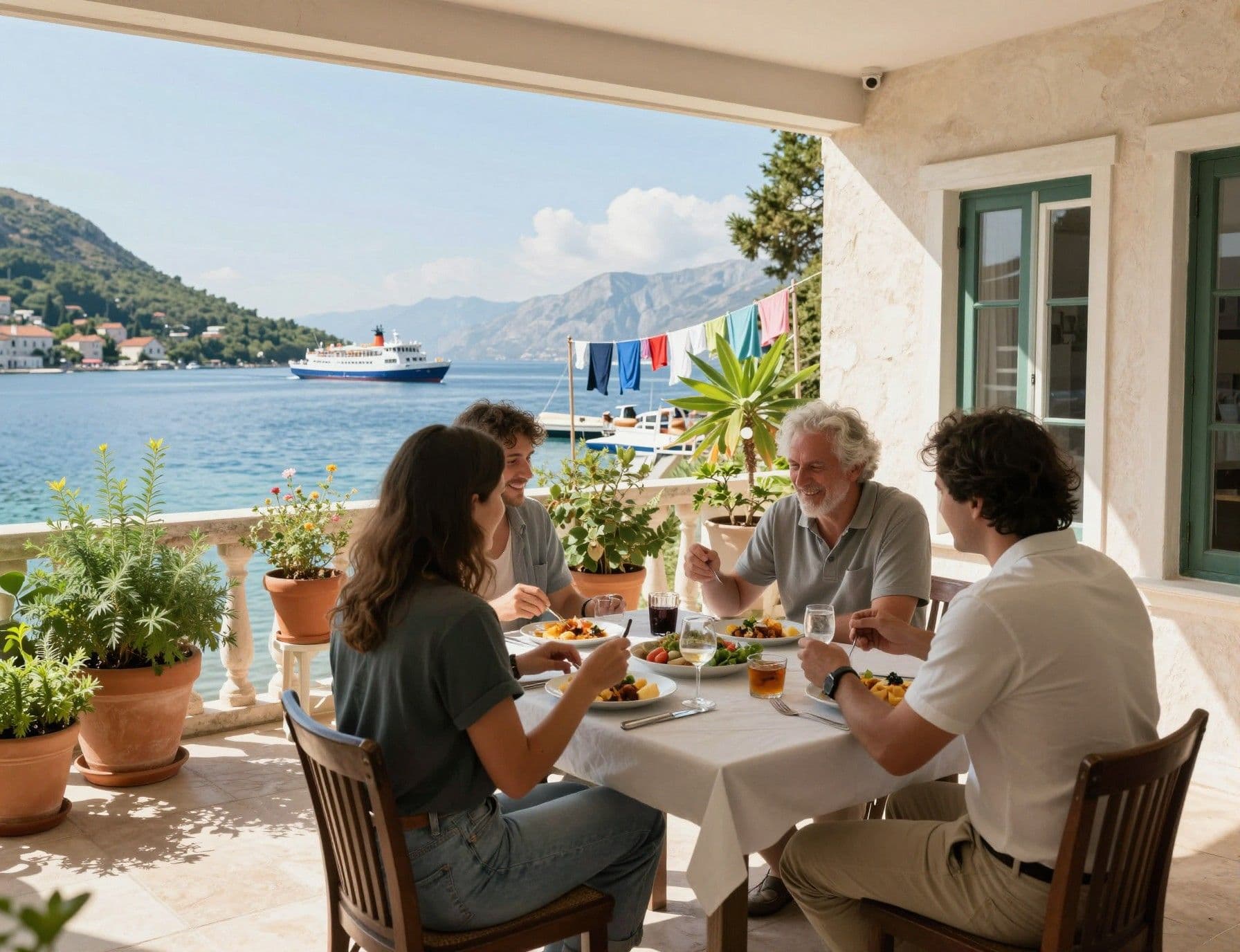
If lifestyle is the lure, seasonality and pricing dynamics set the returns. Croatia recorded record tourism and strong price growth recently; average asking and transaction prices rose fastest in coastal hotspots while Zagreb delivered steadier rental demand. That creates a classic trade‑off: higher capital appreciation on the coast, higher net yields in city rental markets.
Property styles and the living they support
Stone apartments in Old Towns (Split, Dubrovnik) offer strong short‑let appeal but higher purchase prices and management complexity. Modern apartments in Zagreb and Rijeka fit long‑let professionals and digital nomads, delivering steadier occupancy. Renovation projects inland and in smaller islands can compress entry price per sqm but require local contractor insight and realistic budgets for seismic retrofitting and waterproofing.
Working with local experts who know both lifestyle and yield
- 1. Ask an agency for seasonality-adjusted pro forma: show expected ADR, occupancy by month, and net yield after management and short‑let levies. 2. Demand comparable transactions (not asking prices) for the last 12 months in the micro‑neighbourhood. 3. Insist on a local tax and title check that flags any coastal building restrictions, easements or heritage constraints. 4. Validate on‑island logistics: ferry schedules, winter accessibility and utility reliability — these determine vacancy risk.
Insider knowledge: myths, red flags and seasonal timing
Myth: "Coastal means better yield." Reality: prime coast buys capital growth but often delivers lower net yields once VAT, management, and seasonality are deducted. Data through 2025 shows transaction volumes cooling even as coastal price‑per‑sqm remains elevated — a sign that capital appreciation may slow and puts emphasis on net yield modelling.
Cultural and practical red flags I’ve seen repeatedly
- 1) Overpaying for proximity to a single seasonal amenity (marina, festival square). 2) Ignoring utility resilience on islands — water and electricity outages reduce occupancy. 3) Relying only on short‑let income without stress‑testing for off‑season voids. 4) Buying in a heritage zone that limits rental configuration or adds restoration costs.
Longer‑term lens: what the next cycle could bring
Macro drivers — euro adoption effects, tourism scale and domestic supply constraints — will continue to push prime coastal prices. But policies aimed at converting short‑let stock to longer leases and proposed vacancy/property taxes introduce risk to unmanaged short‑let models. Sensitivity testing (3 scenarios: best, base, downside) for both occupancy and price growth is essential when modelling five‑ to ten‑year returns.
- 1. Build three cashflow scenarios: conservative occupancy (35–45% coastal), moderate (50–65%), optimistic (70%+). 2. Model total cost of ownership: maintenance (3–5% pa), management fees (15–30% gross for short lets), insurance and local taxes. 3. Stress test for a 20% fall in ADR for two consecutive summers and a 10% drop in capital value — what’s the IRR and break‑even time?
Conclusion — live the lifestyle, own the risk-adjusted spreadsheet. Croatia offers an intoxicating mix: Adriatic rhythm, historic towns and growing urban economies. For international buyers that means blending a lifestyle-first search with rigorous yield modelling: pick the neighbourhood that fits your occupancy assumptions, verify real transaction data, and work with local advisors who can translate market colour into defensible financials.
The YieldistDanish relocation specialist who moved to Cyprus in 2018, helping Nordic clients diversify with rental yields and residency considerations.
Related Articles
More insights that might interest you
 Villa Curated
 Villa Curated
 The Yieldist


