When Summer Hype Cuts Greek Rental Yields
Seasonal tourism inflates Greek headline rents; buyers who model monthly occupancy, local regs and year‑round demand find steadier net yields and lower risk.
 The Yieldist
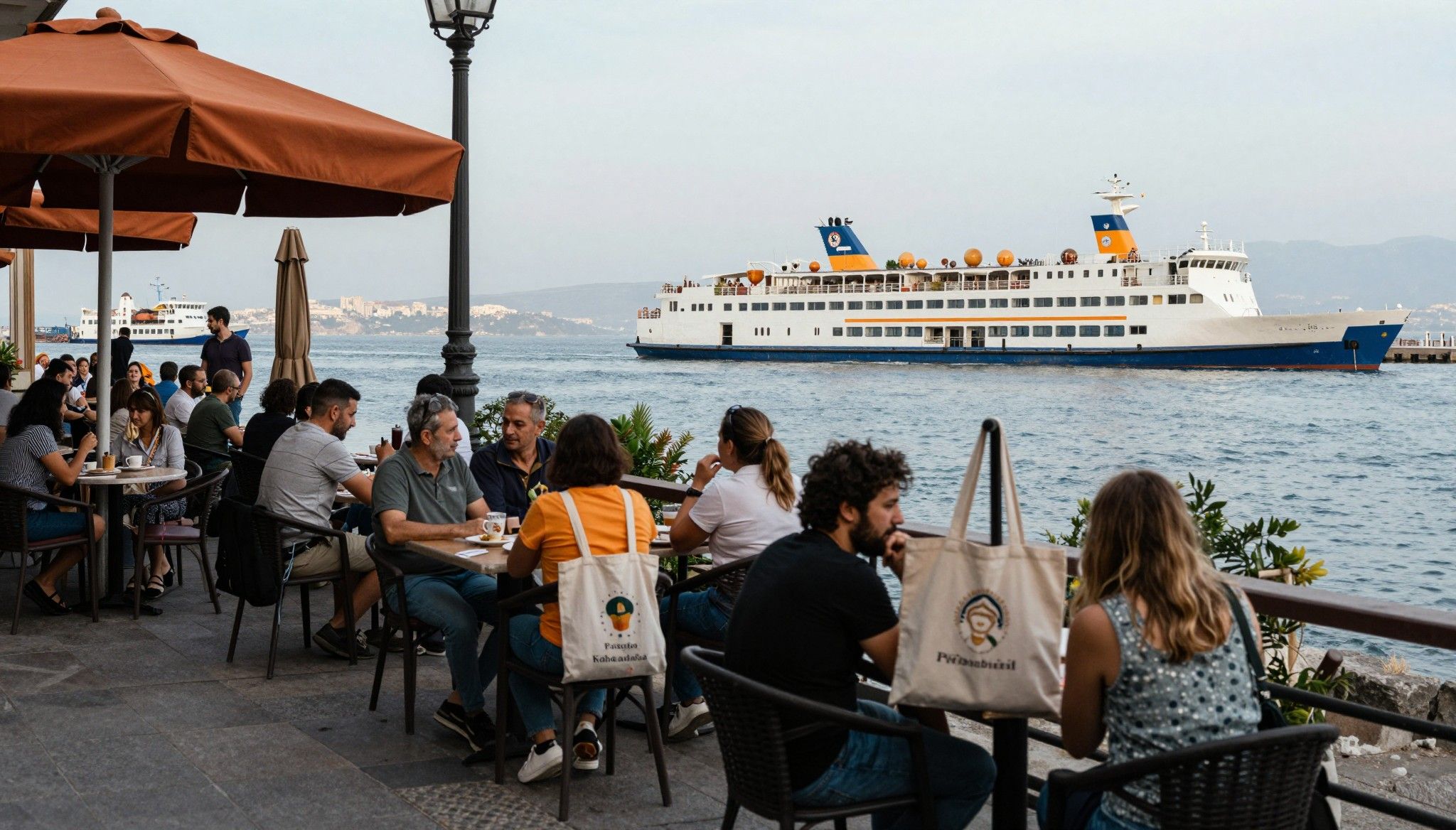
Imagine sipping a slow espresso on a shaded table in Koukaki, Athens, while a ferry horn drifts from Piraeus and a family unloads bags at the local market. Greece feels cinematic: sunlit alleys, tavernas full of conversation, and islands that pulse for just a few months a year. That very seasonality is the double‑edged sword for international buyers — intoxicating lifestyle upside but a rental yield profile that swings dramatically by location and calendar. This piece unpacks how the summer tourism boom inflates headline rents and why a year‑round yield lens changes where you should actually buy.
Living the Greece lifestyle

Life in Greece is organised around light, food and rhythm. Mornings in Athens begin with take‑away freddo espressos and late starts; on islands like Paros or Naxos the day follows sun and sea with long midday pauses. Streets are social rooms — bakeries, municipal squares, seaside promenades — and local rhythms (siesta, late dinners, seasonal festivals) shape how properties are used and therefore how they rent.
Neighborhood spotlight: Athens — Koukaki, Pangrati, and Exarchia
Koukaki’s limestone streets and cafés attract mid‑season cultural visitors; Pangrati blends local families and bars; Exarchia remains a countercultural hub. These micro‑neighborhoods each produce very different rental profiles: Koukaki and Pangrati are attractive for high‑occupancy short lets during spring–autumn, while Exarchia has lower nightly rates but steadier long‑term demand from students and creatives. Recent local rules have tightened short‑let availability in parts of central Athens, shifting investor interest toward long lets and hybrid strategies.
Island life: Mykonos vs. Naxos vs. Crete — not all blue‑and‑white markets are equal
Mykonos delivers headline summer rents and rapid capital gains but occupancy outside June–September falls fast. Naxos and parts of Crete combine tourist demand with local year‑round populations, giving longer rental seasons and lower volatility. The Bank of Greece shows record visitor numbers in 2024, but that growth concentrated returns into peak months; for steady net yields, islands with diversified year‑round economies outperform purely seasonal hotspots.
Lifestyle highlights (local places that change how a property performs): • Koukaki’s café strip and proximity to Acropolis drive mid‑season bookings. • Chania’s old Venetian harbour (Crete) supports year‑round tourism and expat rentals. • Naxos town’s ferry link and agricultural hinterland extend the tourist season. • Athens’ green tram and metro connections sustain commuter demand beyond tourism.
Making the move: practical considerations that preserve yield

Translating the Greek lifestyle into a rental investment requires matching seasonality to yield targets. Short‑term letting can show gross yields north of 8–12% in hotspots but carries regulatory, operational and vacancy risks; long lets produce lower gross yields (around 3–6% in many urban areas) but steadier net cash flow. Buyers who treat Greek real estate as an income asset should stress‑test for off‑season occupancy, operating costs, and local regulatory moves that affect listing availability.
Property styles and the lifestyle they rent to
A sundrenched island apartment with a balcony and sea view suits short‑stay holiday renters; narrow townhouses near markets fit long‑stay tenants seeking community; modern apartments in Attica near metro stops attract digital nomads and young professionals. The right property typology reduces vacancy and operating friction — for example, studio apartments near university areas perform well for academic year lets, while two‑bed homes near marinas convert to higher nightly rates during peak periods.
Working with local experts who know both life and spreadsheets
1. Ask agencies for past occupancy data by month (not annual averages) so you can model seasonal cash flow. 2. Insist on a property management plan that lists off‑season marketing channels and fixed operating costs. 3. Verify registration numbers (AMA/ESL/MAG) for short‑lets before purchase to avoid non‑compliant supply. 4. Run net yield scenarios including property taxes, insurance, repairs, and management fees rather than headline gross yields. 5. Test a conservative vacancy assumption (20–40% for purely seasonal islands) when calculating expected returns.
Insider knowledge: what expats wish they'd known
Expats commonly underestimate administrative friction and the time it takes to convert a holiday property into steady rental income. Local customs (late business hours, regional license offices) and seasonality of service providers — plumbers, decorators, cleaners — affect turnaround and costs. INSETE and national statistics show tourism booms are real, but the concentration of arrivals into summer months means many properties are idle for long stretches unless deliberately targeted.
Cultural integration and tenant expectations
Greek tenants and short‑stay visitors expect authentic touches: quality kitchens, outdoor dining spaces, reliable wi‑fi, and local recommendations. Buffers for late payments and a clear lease framework reduce friction. Knowing which neighborhoods have strong local communities (e.g., Ano Syros, Plaka, Chania old town) helps investors choose rental rules that respect local life while optimising occupancy.
Long‑term lifestyle sustainability and market risks
• Expect gross yields around 4–5% in many urban areas and higher, more volatile yields in peak islands. • Policy shifts and registration rules can suddenly reduce short‑let inventory and compress yields. • Diversify across regions (Attica + one island or Crete) to blend capital appreciation and cash yield. • Prioritise properties with year‑round rental demand (university towns, port towns, infrastructure links).
Conclusion: buy the lifestyle, but underwrite it as an income asset. Fall in love with Koukaki’s cafés or a Naxos terrace, but build a spreadsheet that assumes off‑season vacancy, professional management costs, and regulatory shifts. Start with hyperlocal data (monthly occupancy, transport links, registration compliance) and work with agencies that provide both local cultural insight and hard numbers. If you do, Greece can deliver a rare combination: an enviable Mediterranean life and respectable, risk‑managed rental returns.
The YieldistDutch investment strategist who built a practice assisting 200+ Dutch clients find Spanish assets, with emphasis on cap rates and due diligence.
Related Articles
More insights that might interest you
 Villa Curated
 Villa Curated
 The Yieldist


