Malta: When the ‘Expensive’ Label Hides Value
A sensory look at Malta that challenges the simple 'expensive' label—showing how neighbourhood rhythms, conservation, and stewardship determine value more than headline prices.
 Villa Curated
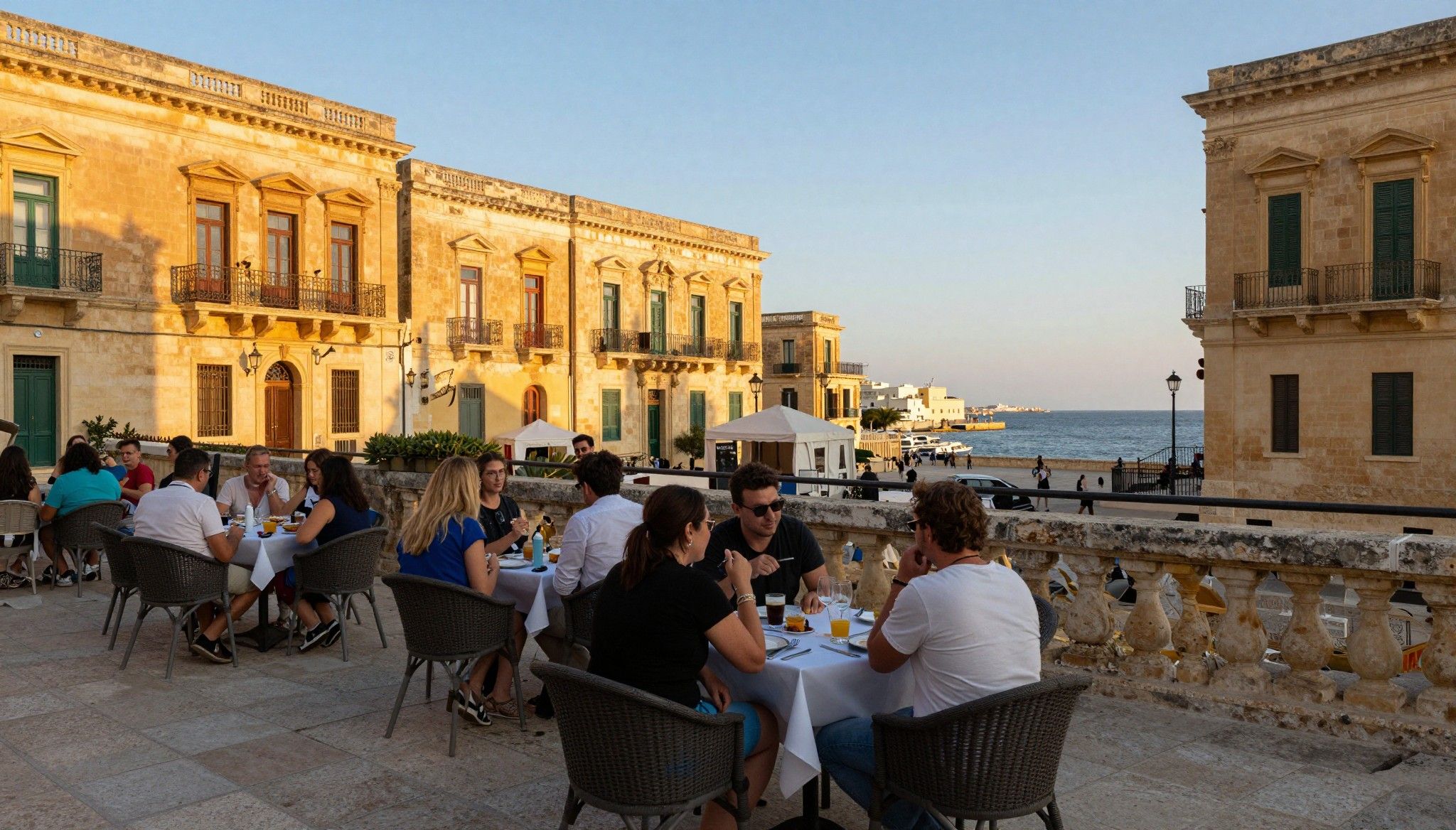
Imagine stepping out at dawn onto Republic Street in Valletta, where limestone facades glow warm and a barista knows your order by sight. The city still hums with a pace that honours ritual—market stalls arriving, church bells, fishermen hauling in the morning catch at Marsaxlokk—yet within this historic density there are quiet terraces, shaded courtyards and rooms that hold generations. For many international buyers that sensory pull is the purchase driver; for prudent buyers the question is different: how does this particular life translate into value? Recent official figures show Malta’s residential price indices have been rising steadily, a fact that reframes ‘expensive’ as a layered market rather than a single price tag.
Living the Malta life: texture, tempo, towns
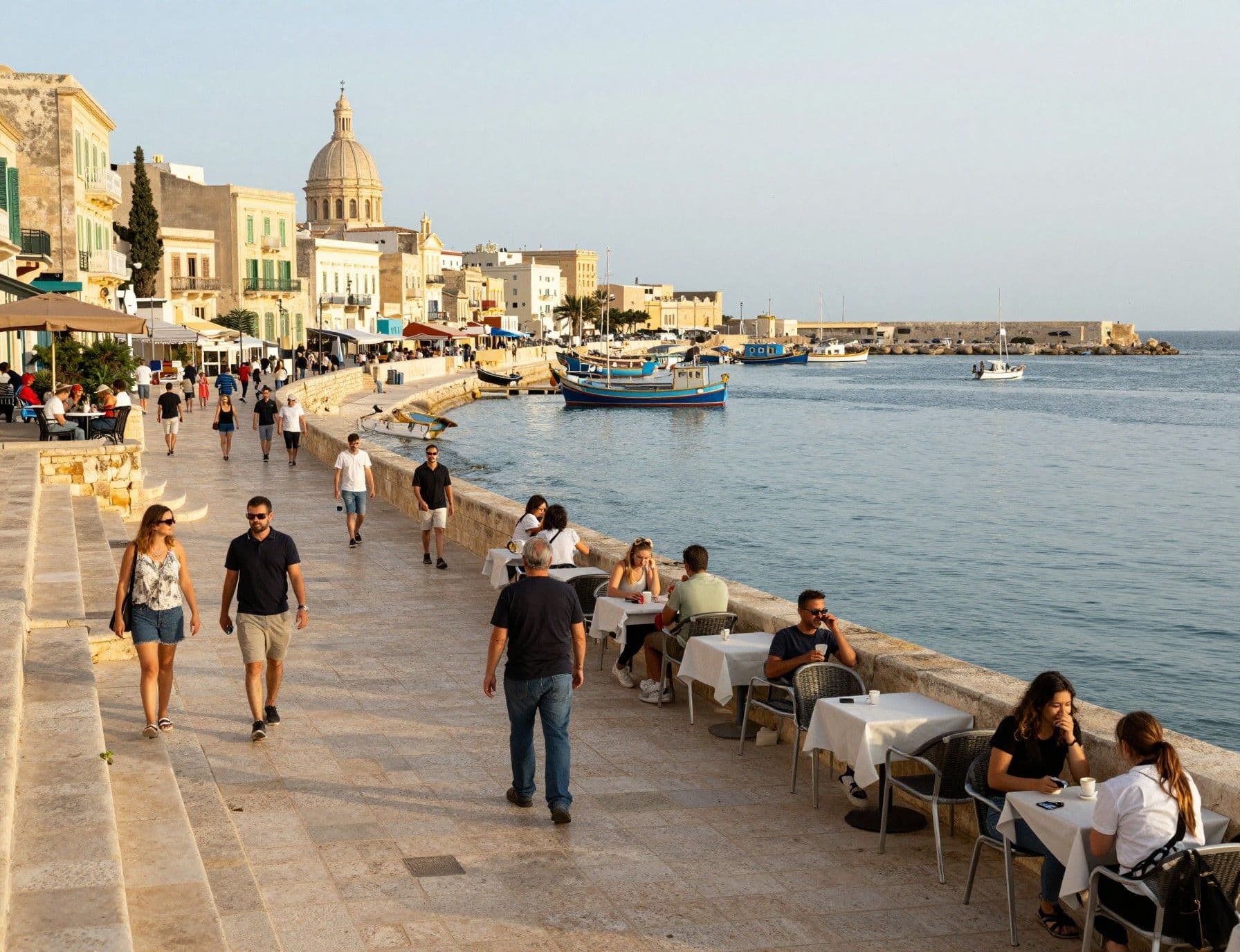
Malta is compact in scale but varied in character. A morning espresso on Sliema’s seafront reads differently to an evening passeggiata through Valletta’s Strada San Ġwann; Mdina’s hush suggests a different tempo again. Life here balances Mediterranean sociability—long lunches, piazza conversations—with an economy oriented to services, iGaming and tourism, which shapes neighbourhood rhythms and the market for short- and long‑term lets. For buyers, the consequence is simple: location defines lifestyle and liquidity with unusual clarity.
Valletta and the Three Cities: provenance and presence
Valletta offers immediate architectural provenance: Baroque palazzi, ornate balconies, and civic terraces overlooking the Grand Harbour. Buying here is buying into museum‑grade urban life—walkable streets, cultural institutions and an address that carries cachet. Expect smaller floorplates, historic constraints on alteration and, correspondingly, higher per‑square‑metre values. Yet these are the properties that reward stewardship; restored maisonettes and small townhouses often perform better in both rental and resale because they sell a narrative, not merely space.
Sliema, St Julian’s and Gżira: seaside urbanity
Sliema and St Julian’s read as Malta’s modern seafront: promenades, contemporary apartments and a rhythm that suits families, professionals and those seeking a strong expat community. Spinola Bay and Portomaso in St Julian’s combine marina life with discreet high‑quality apartments; in Sliema terraces and seafront cafes make for easy living. Gżira, with its ferry link to Valletta and emerging boutique restaurants, is a subtler alternative—less polished, often better value, and attractive to buyers who prize connectivity over show.
- Lifestyle highlights: morning markets, harbourside cafes, and quiet coves
- A Sunday morning at Marsaxlokk market to buy fresh lampuki, followed by a slow lunch on the waterfront — a maritime rhythm that anchors properties facing the south coast.
- An espresso at Caffe Cordina in Valletta before the tourist crowds arrive, then a walk along the Upper Barrakka Gardens — urban ritual that sustains neighbourhood life and keeps central rental demand steady.
- A late‑afternoon swim at Għajn Tuffieħa or Golden Bay in the cooler months — coastal accessibility that matters for family buyers and seasonal renters alike.
Making the move: how lifestyle choices shape property decisions
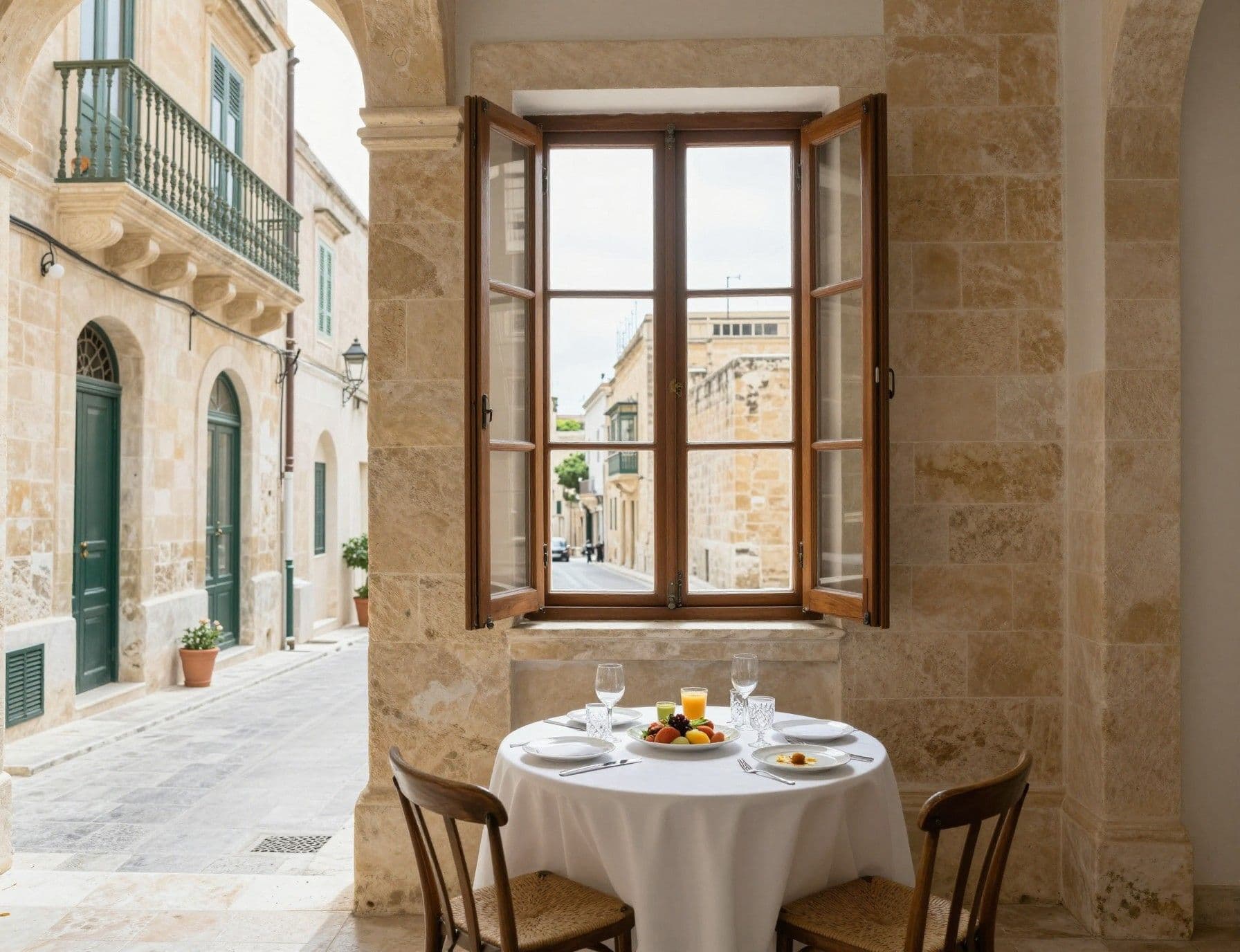
It is tempting to decouple the romance of place from transaction mechanics, but in Malta the two are tightly bound. Government statistics and industry surveys show steady transaction volumes and a resilient luxury segment, meaning well‑located character homes remain in demand. Practical considerations—leasehold vs freehold nuances, permitted alterations in conservation zones, and short‑let regulations—translate directly into what a neighbourhood will feel like day‑to‑day. Work with advisors who speak both languages: cultural life and local regulation.
Property types: maisonettes, townhouses and modern apartments
A limestone maisonette in a Valletta lane delivers intimacy and provenance; a refurbished townhouse in Mdina offers privacy and scale; a contemporary apartment on Sliema’s seafront offers convenience and rental earnings. Each responds to a different life. Maisonettes require sensitive restoration and often reward buyers who value authenticity; modern apartments trade character for facilities and easier maintenance. Choosing the type should begin with a considered day‑in‑the‑life exercise: where will you breakfast, how will you arrive home, who will be your neighbours?
How local experts replicate your lifestyle in a search
- 1. Start with lived moments: ask a local agent to show the morning routine for three properties, not just floorplans. 2. Match stamina to slopes: Valletta and Mdina favour vertical living; if stairs prove limiting, prioritise Sliema or Swieqi. 3. Confirm seasonal use: properties marketed as ‘sea‑view’ may see their best months in summer but quieter winter rentals. 4. Test short‑let viability: review local short‑let regulations and typical occupancies before imagining rental income. 5. Inspect services: proximity to international schools, private clinics and ferry links should align with your long‑term lifestyle needs.
Insider knowledge: what expats wish they’d known
Experienced residents emphasise cultural integration as the quiet determinant of happiness. English is an official language and often eases everyday navigation, yet social entry points—volunteer groups, parish associations, and local cafés—turn acquaintances into friends. Seasonal rhythms matter: summers are lively and serviceable; winters are intimate and local. For buyers, that means selecting a neighbourhood with the right social chemistry—where your preferred rituals are possible year‑round, not just in July.
Cultural nuances and social rhythms
Malta’s social life leans on reciprocity: local cafes value regulars, neighbourhood committees shape street life, and festas animate summer evenings. Language is less a barrier than expectation—politeness, punctuality for appointments and a willingness to respect local conservation rules smooth many transactions. For a buyer this cultural literacy reduces friction when seeking permissions for alterations and when negotiating with neighbours about restoration or rental usage.
Long‑term stewardship: how life changes a property’s value
Properties that respect local materials and architectural language age better in value. Limestone façades, traditional timber balconies and artisan tile floors reward careful conservation; incongruous alterations tend to erode desirability. Buyers who plan their ownership as stewardship—periodic restoration, sensitive upgrades to services, respectful landscaping—preserve both the lifestyle and the capital value. Think in decades rather than quarters.
- Red flags local buyers watch for
- Properties with unresolved planning permissions or informal extensions; units with weak ventilation and no insulation in older stone buildings; listings that promise ‘renovated’ but lack documentation of structural works; apartments in buildings with unpaid common charges or absent management.
To conclude: Malta offers a rare combination of concentrated heritage and liveable seaside urbanism. The market’s rising indices reflect genuine demand, but the real question is whether a property will deliver the life you imagine. Begin with neighbourhood rituals, then test the practicalities: check conservation restrictions, short‑let rules and service arrangements. A local advisor who first listens to how you wish to live, and then reads the market in those terms, transforms a purchase from an acquisition into a well‑kept home.
Next steps: if the rhythm of Valletta’s mornings or Sliema’s seafront resonates, ask an agent to map three live days for you—weekday, weekend and a local festa—and request transaction data for comparable properties over the past 24 months. Those two simple requests reveal much about liquidity, seasonality and stewardship requirements.
Villa CuratedDutch former researcher who moved to Lisbon, specialising in investment strategy, heritage preservation, and cross-border portfolio stewardship.
Related Articles
More insights that might interest you
 The Yieldist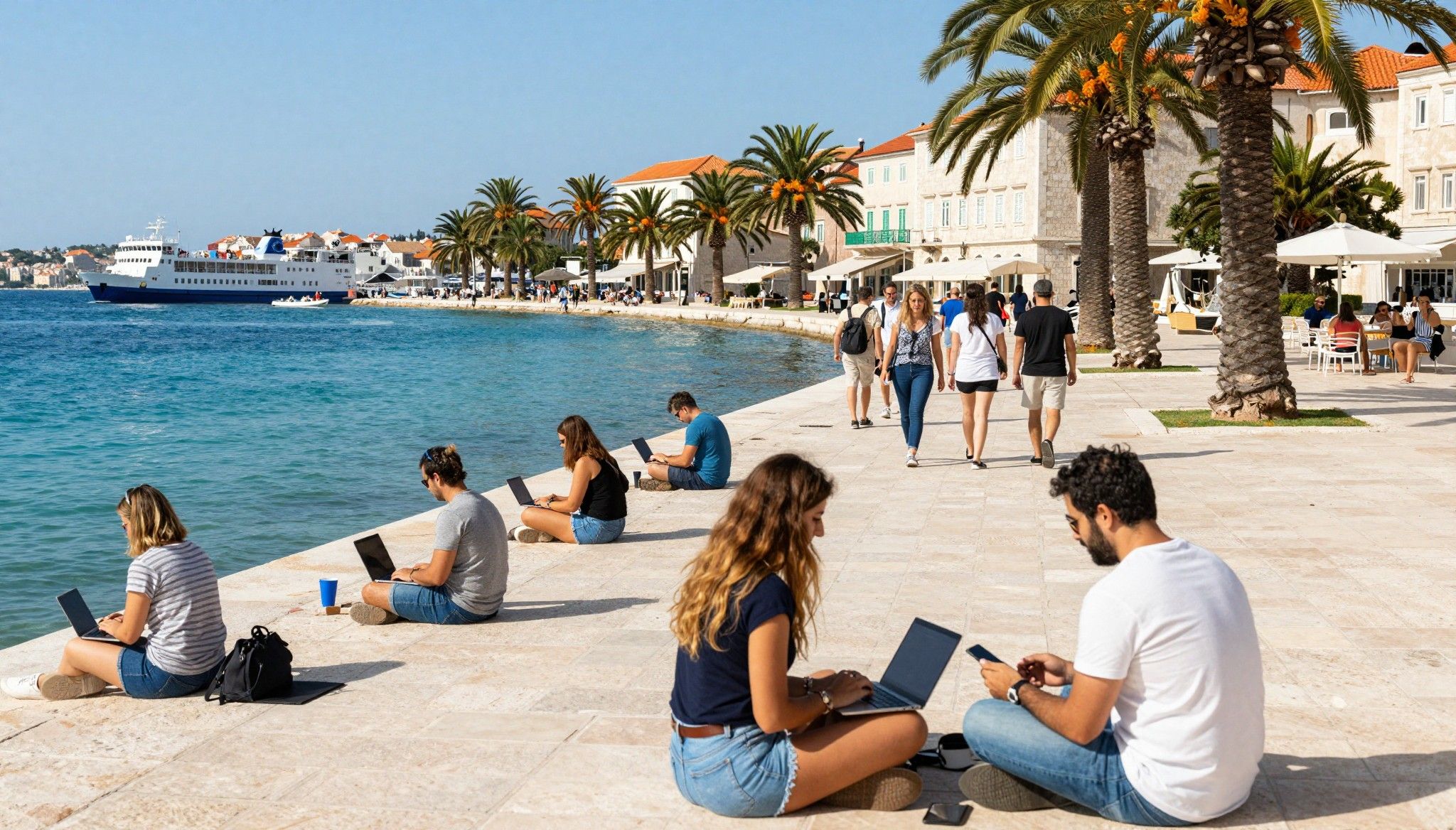
 MoveSettleGo
 MoveSettleGo

