Why Summer House‑Hunting in Croatia Can Cost You
Why house‑hunting in Croatia’s high season can mislead buyers — lifestyle-first tips, reciprocity realities and offer steps to close with confidence.
 MoveSettleGo
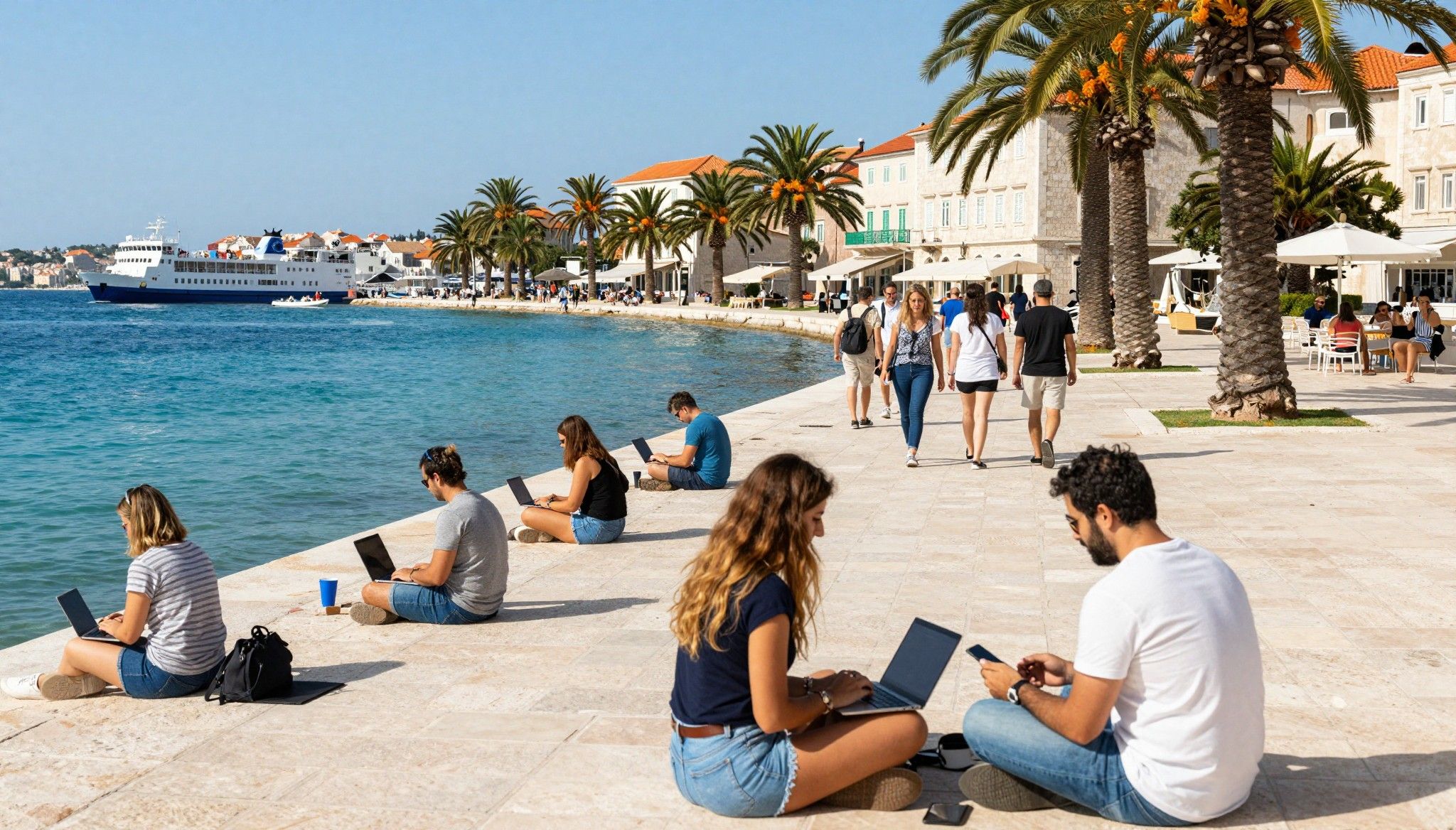
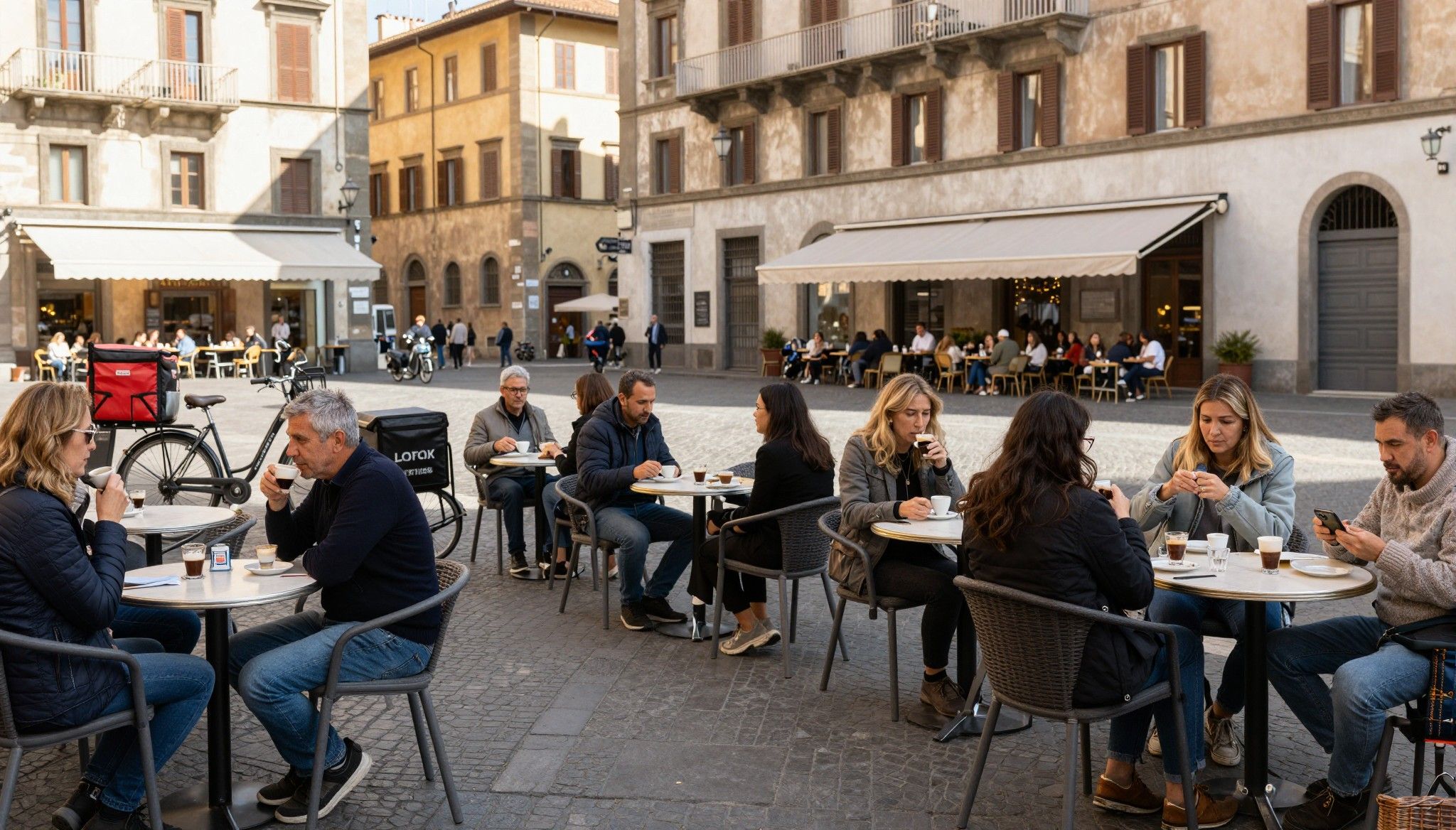
Imagine sitting at an outside table on Split’s Riva, espresso steaming, ferry horns in the background and a landlord two streets over selling an apartment that looks perfect on Instagram. Croatia smells of grilled fish and pine, and life here moves between sea-swim mornings and slow, social evenings. But when it comes to making an offer, the sunlit postcard can mask market timing, reciprocity rules, and seasonal pricing traps. This guide is for nomads who want the Adriatic life — and want to close the deal without learning the hard way.
Living the Croatia lifestyle
Croatia’s rhythm is coastal and continental at once: Zagreb’s cafes hum with designers and weekday energy, while Dalmatian towns like Split and Trogir empty for siesta and refill with evening life. Summers are vibrant and noisy — festivals, terraces and packed ferries — while autumn and spring are when neighbourhoods show their real shape. Knowing which season reveals the truth about a place matters: lifestyle in high season often differs from everyday life, and that affects where you’ll actually want to live. Real market signals also shift with the seasons — ask a local agent for transaction trends, not just rental photos.
Spotlight: Split’s Diocletian heartbeat and quieter pockets
Walk the Old Town and you’ll be inside Roman walls that double as cafés by day and open-air stages by night. Yet step two blocks inland to Varoš or Sustipan and you find quieter terraces and locals who shop at morning markets. For nomads, that tradeoff — tourist buzz vs. daily liveability — is everything. If you want reliable cafés with outlets and decent coworking, aim for locations within a 10–20 minute walk of the Riva but on streets that locals actually inhabit.
Food, markets and the weekend ritual
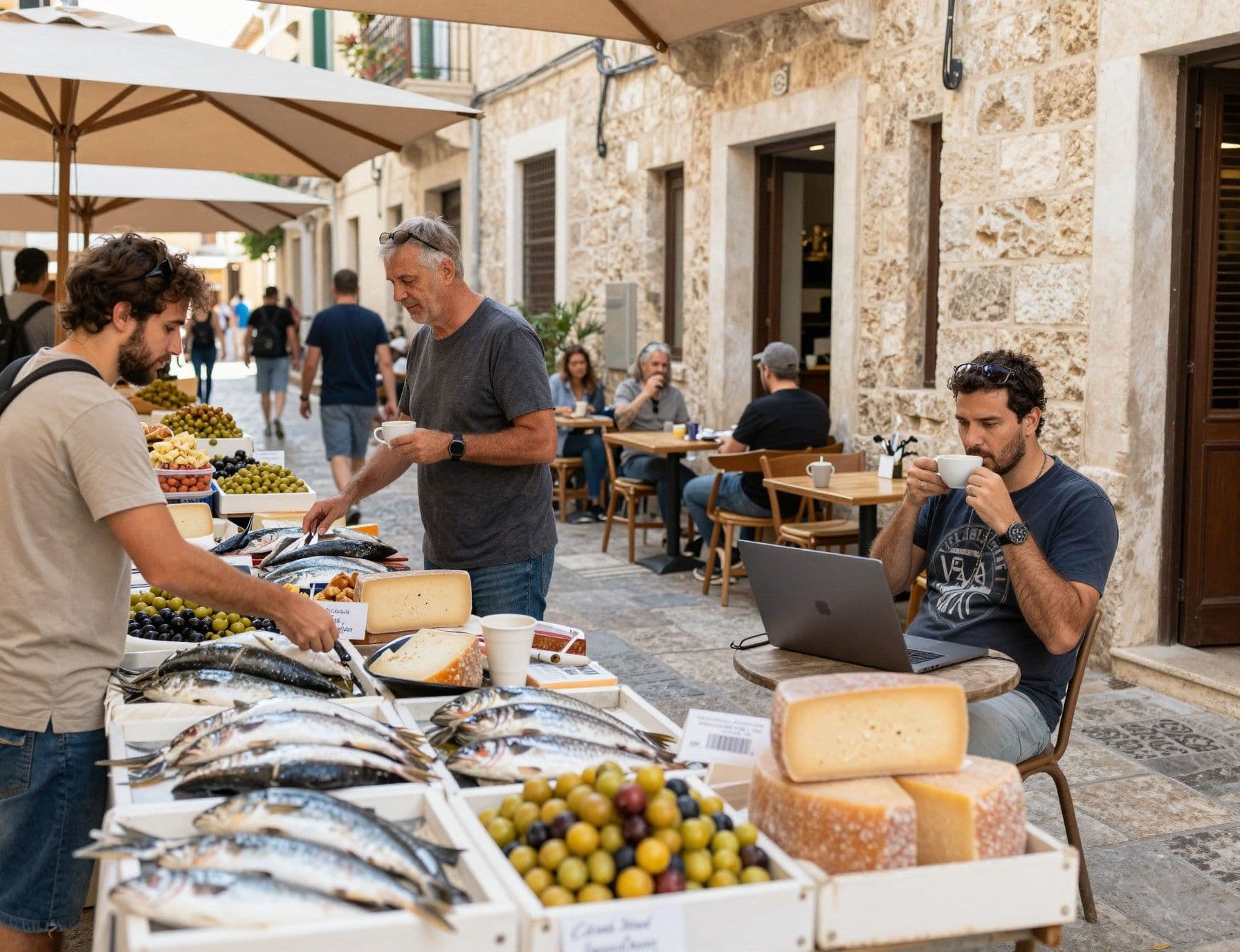
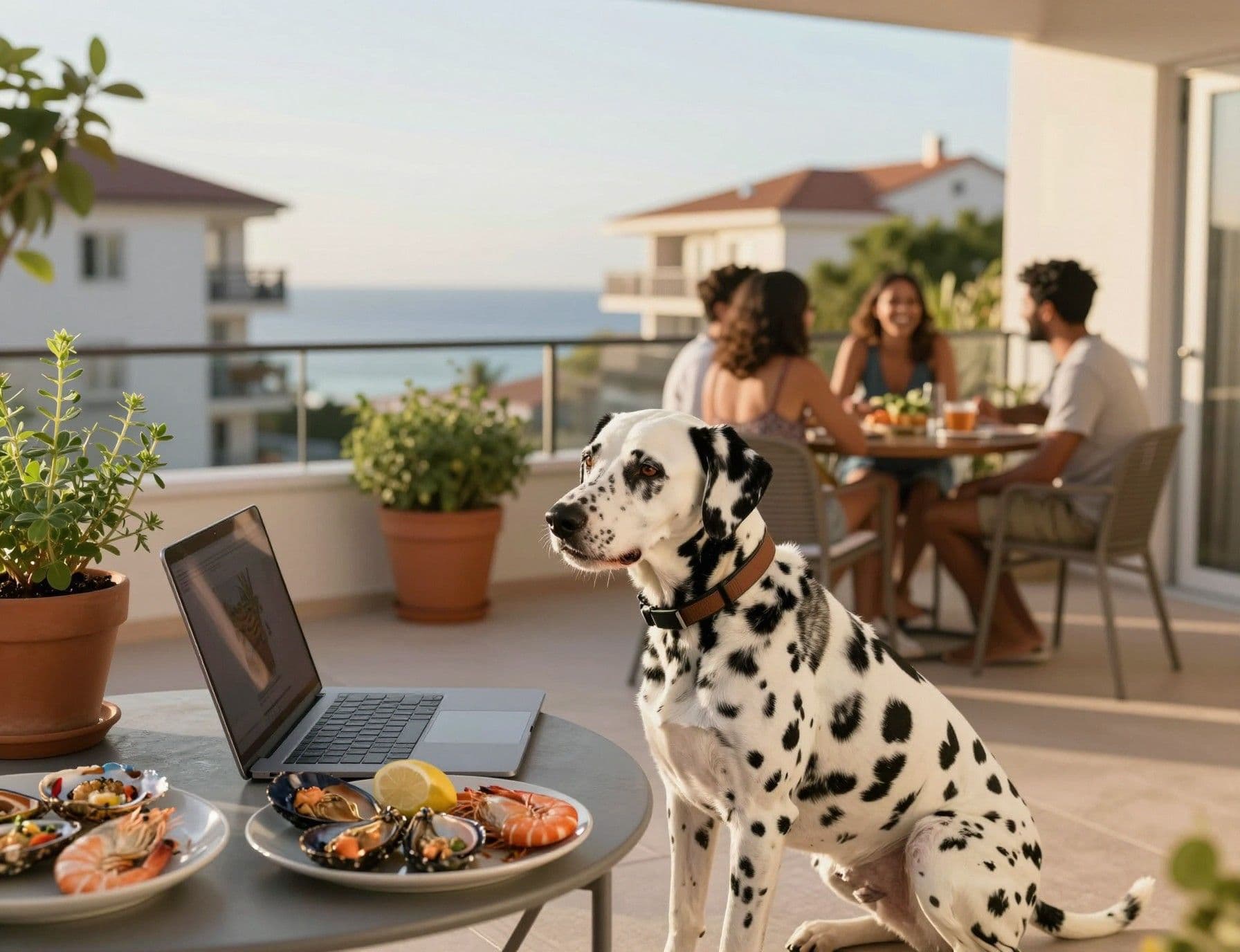
Saturday markets — fresh fish at Split’s Pazar or farmers selling Pag cheese on Hvar — shape how you live. Dinner isn’t just food; it’s a social map that points to good neighbourhoods. Buying near a market or an evening konoba (family taverna) guarantees weekday convenience and weekend ritual. If you want a terrace for evening seafood and early-morning coffees, check building orientation, balcony size, and whether sea breezes blow in at the right hours for working with windows open.
- Lifestyle highlights to check in person
- Morning market on Split’s Pazar — fresh produce and local gossip
- A rooftop terrace in Dubrovnik’s Ploče neighbourhood — sunset views without the Old Town crush
- Zagreb’s Tkalčićeva street cafés for weekday coworking and community
Making the move: practical considerations that match the life
You’ll love the life; now marry it to the process. EU/EEA citizens buy under the same conditions as Croatians, while many non‑EU buyers face reciprocity checks — a detail that can delay closing or change bargaining power. Prices have risen strongly in recent years, especially coastal areas, so offer strategy must consider seasonality, recent transaction data and whether a seller relies on tourist-season rents. Work with a lawyer and a local agent who track real sales (not listing prices) and who can explain the reciprocity process if needed.
Property styles and how they shape daily life
Stone Dalmatian houses with shutters are romantic but often need renovation for modern insulation and internet wiring. Modern apartments in Zagreb or Rijeka offer better plug-and-play remote work setups but less of the seaside charm. When inspecting, test Wi‑Fi performance at different times of day, check for workspace light and ergonomics on balconies or in spare rooms, and ask about building community rules for short‑term rentals if you plan to rent your place out seasonally.
Work with local experts who understand lifestyle tradeoffs
Good agencies act like local friends: they point to morning coffee spots, reliable plumbers and the quieter streets that become home after tourist season. Choose agents who show recent comparable sales, explain reciprocity timelines for non‑EU buyers, and coordinate with a Croatian lawyer for the land register extract and municipal building status. Ask for a local contact who can meet contractors, confirm permits, and test the internet at the address — these small checks save you time and money at closing.
- Offer & closing steps that protect lifestyle goals
- 1. Visit off-season (autumn/spring) to see real life; don’t trust high‑season impressions.
- 2. Commission a local lawyer to check title, encumbrances and urban‑plan status before offering.
- 3. Build contingencies into the contract: reciprocity approvals (if non‑EU), inspection results, and completion dates tied to bank transfers.
Insider knowledge: myths, red flags and expat truths
Myth: coastal properties are always the best investment. Reality: rapid price growth in 2024–2025 concentrated on the coast means some areas have thin off‑season demand and rental seasonality can hide vacancy risk. Local data shows coastal price jumps but also a cooling of transactions as foreign buyers pull back — a sign to be cautious about bidding wars in July. Check local transaction volumes, not just asking prices, and expect sellers to be emotionally anchored to high-season offers.
Cultural cues that change negotiation style
Croatian sellers often price emotionally — family homes can carry sentimental premiums — and negotiations are polite but direct. Bring proof of funds, a clear timeline, and a local lawyer to signal seriousness. Small concessions — like flexibility on closing date or offering to take some furniture — can win goodwill without changing price much. Remember: in many towns, relationships matter. A recommendation from a local agent or neighbour can smooth the path to closing.
Red flags that mean walk away
- Unregistered alterations or missing building permits — these can be costly to regularise.
- Title inconsistencies in the land registry ( zemljišna knjiga ) or unresolved inheritance claims.
- Internet speeds below 50 Mbps in advertised listings if you depend on stable remote work connections.
Long-term lifestyle check: think like a local, not a visitor. Can you imagine the quieter months here? Are there year‑round healthcare, groceries and community events? These practical rhythms determine whether the property truly supports the life you’re buying. Partner with an agency that introduces you to real neighbours and not just staged showings.
Conclusion — fall in love on purpose, close with confidence. Croatia offers an extraordinary Mediterranean life, from Zagreb’s creative lanes to the Dalmatian islands’ sea-sunned terraces. But to turn romance into residence, visit off‑season, insist on verified sales data, and work with a Croatian lawyer plus a lifestyle-savvy agent. If you want help locating neighbourhoods that match your remote-work day and your weekend rituals, an agency that lives the life here is your best first step.
Market sources and further reading: Croatia Week market analysis; Avison Young H1 2025 market report; Global Property Guide price history; Invest Croatia official investment guide.
MoveSettleGoBritish expat who moved from Manchester to Mallorca in 2017. Specializes in market analysis and helping fellow Brit navigate local regulations.
Related Articles
More insights that might interest you
 Villa Curated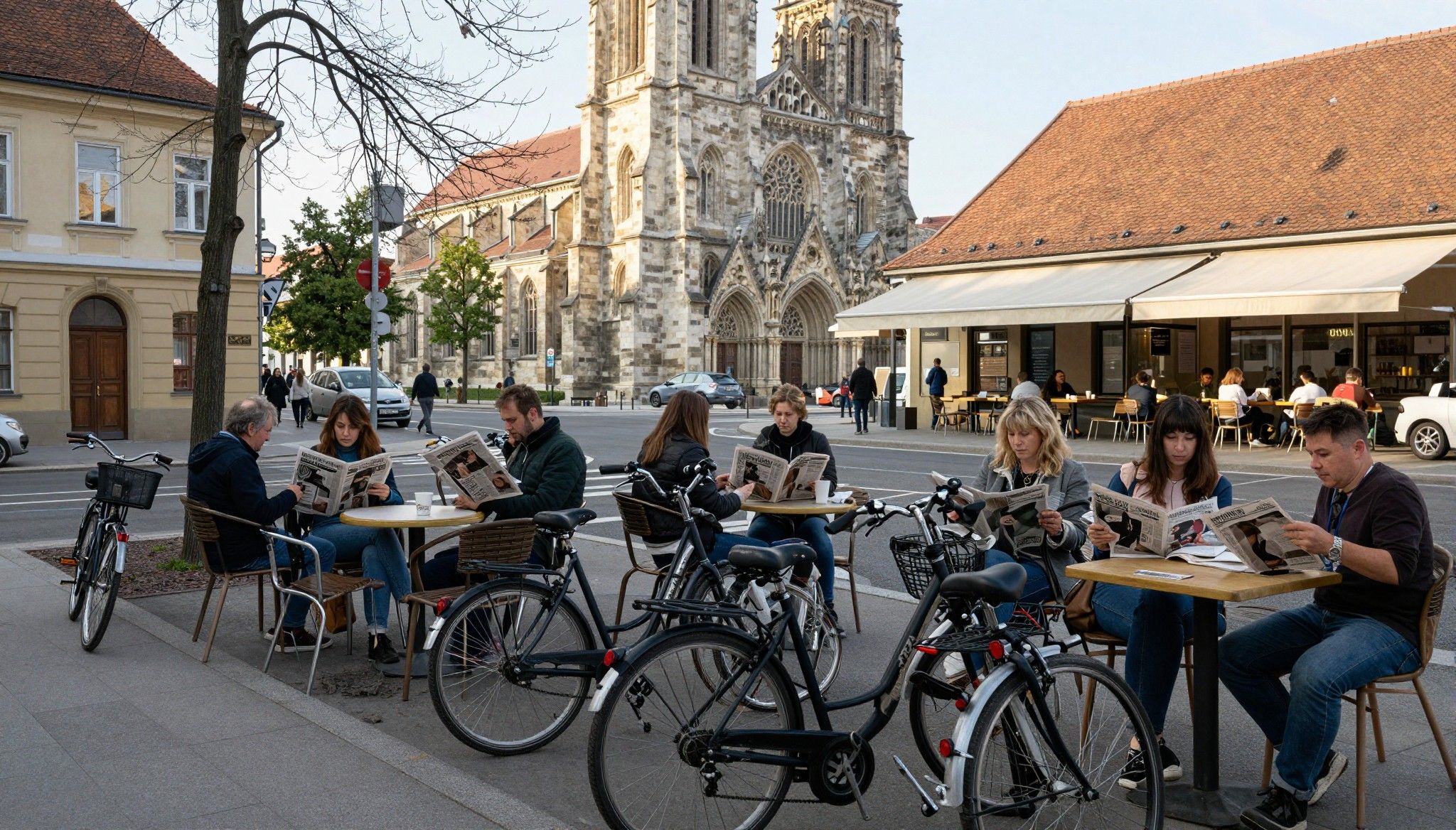
 The Yieldist
 The Yieldist

