Italy: Street‑Level Yields Behind the Lifestyle
Italy tempts with piazzas and markets, but rental returns are made at street level — match neighbourhood rhythms to realistic yield stress-tests.
 The Yieldist
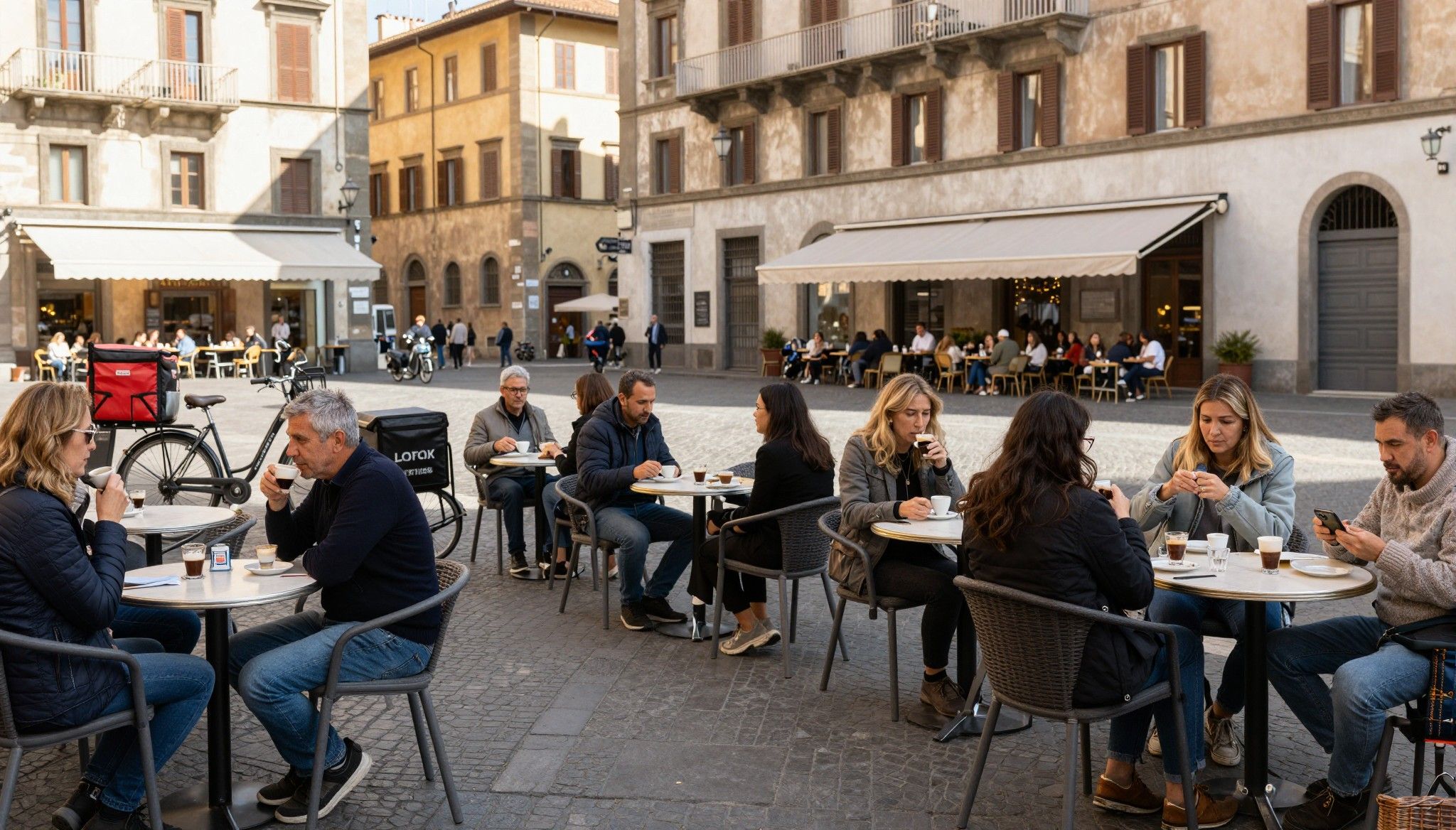
Imagine sipping a morning espresso on Piazza Santo Spirito, watching delivery bikes thread between sandstone palazzi — and knowing the apartment across the square pays for half your mortgage. Italy seduces with light, food and slow rhythms; for investors it hides micro-markets where rental demand and yields beat headline prices.
Living the Italy lifestyle
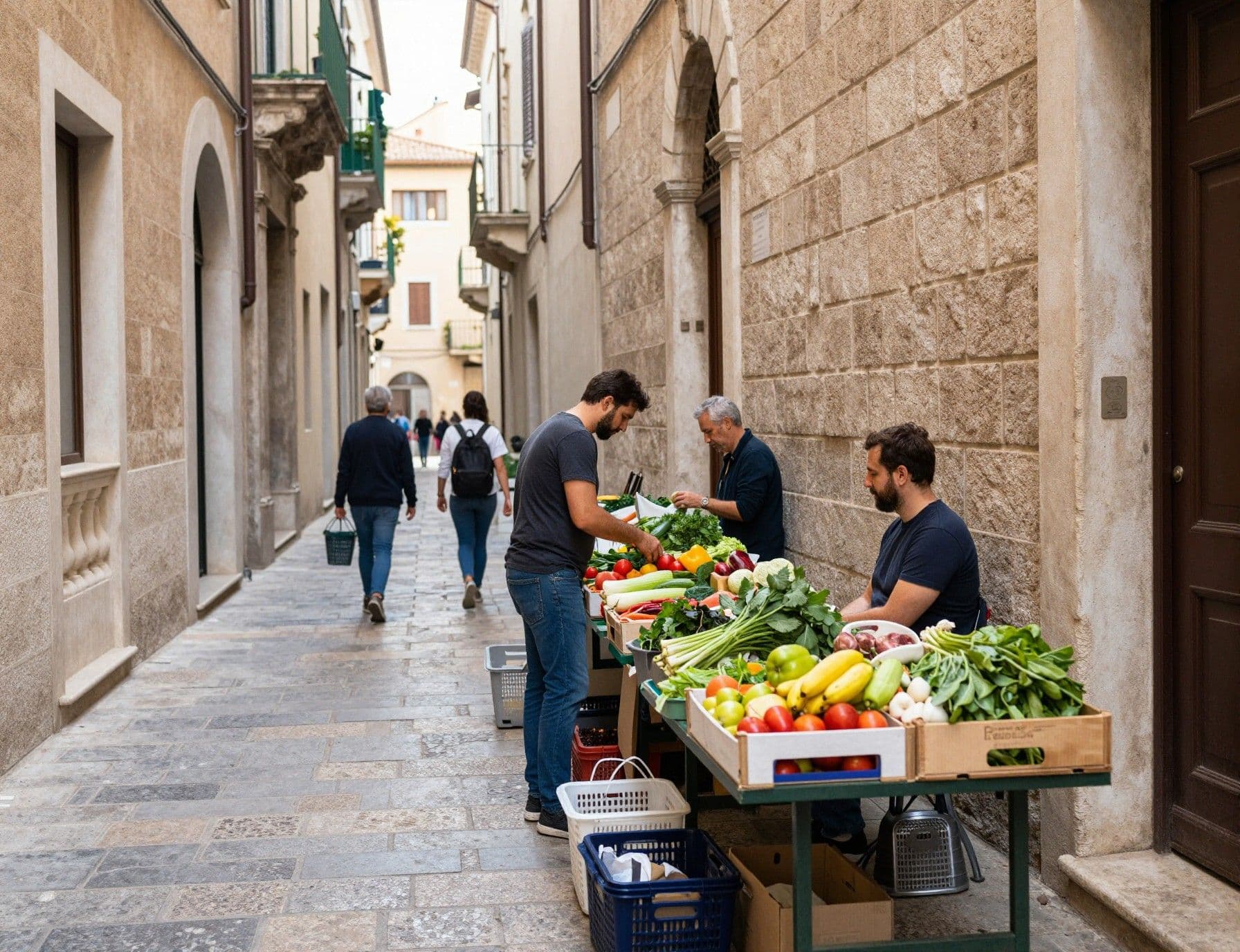
Italy’s rhythms vary by piazza, not postcode: aperitivo at dusk in Milan, dawn markets in Palermo, and quiet Sundays in the Tuscan hills. That variety explains why rental dynamics are local — Nomisma’s 2024 city-level analysis shows divergent price and rent moves across major markets. Lifestyle choices — proximity to a market, a university, a train line — translate directly into tenant demand.
City cores vs. residential edges: how life feels
In Rome’s Trastevere you trade quiet storage for centuries-old façades and a steady stream of holiday rentals; in Milan’s Navigli you buy into cafés, coworking and short-term demand from creatives. Coastal towns like Procida or Cefalù offer seasonal peaks but also strong long-term holiday-let income if you manage turnover well.
Food, markets and the daily tempo
Picture weekly markets in Campo de' Fiori, trattorie filling dining rooms at 8pm, and neighbours who buy seasonal produce. These patterns drive tenant wants: compact kitchens, outdoor terraces, and proximity to public transport. The rise in short-term rentals (idealista reported a 28% increase year-on-year in 2024) reconfigures supply — reducing long-let availability and lifting rents in many desirable pockets.
- Lifestyle highlights worth paying for: Trastevere (Rome) cafés and footfall; Navigli (Milan) canal-side coworking; Oltrarno (Florence) artisan workshops; San Lorenzo (Naples) markets and student demand; Procida beaches and summer occupancy.
Making the move: practical considerations
Romance aside, the Italian market is currently shaped by constrained mortgage supply, rising rents and owners shifting stock into short lets — forces the Bank of Italy highlights in its housing surveys. That mix changes yield math: gross rents may look attractive, but factor in vacancy, management and seasonal turnover to reach realistic net yields.
Property types and how they perform
Small historic apartments near universities or transit nodes often deliver the highest gross yields; coastal villas can give strong summer income but lower year-round occupancy. BestYieldFinder’s May 2026 data shows wide city spreads — Catania and Genoa reporting near-double-digit gross yields in some bands, while Venice and Verona sit much lower — emphasising the importance of city-level selection.
- Steps to align lifestyle with yield (practical checklist)
1) Map lifestyle drawcards (markets, universities, transit) against yield targets; 2) Stress-test gross yield for vacancy, taxes, and property management fees; 3) Consider flexible-use layouts (one-bedroom plus sofa-bed) that optimise occupancy; 4) Build a local agency team experienced in both long- and short-lets.
Insider knowledge: what expats wish they'd known
You’ll quickly learn that Italian tenants prize location cues that aren’t obvious on a map: a shaded piazza in summer, a reliable market, or a weekday pedestrian route to a business district. Cushman & Wakefield note rental rebounds in prime city markets; for expats this often means paying a premium for proximity and convenience.
Cultural quirks that affect lettings
Landlords must adapt to tenant expectations: fully equipped kitchens, fast internet, and clear heating arrangements. In southern cities, multi-generational living drives demand for flexible rooming; in university towns, seasonal turnover is predictable and can be monetised with short academic-term lets.
- Red flags local agents will tell you: inadequate insulation (high winter bills), unclear ownership records in historic centres, buildings with no elevator above fourth floor, and over‑reliance on summer tourism for year-round cashflow.
As life settles — you’ll swap novelty for nuance: regular markets beat Michelin restaurants for daily joy, neighbours become property managers in practice, and a reliable train line becomes priceless. These lived details drive long-term tenant loyalty and, by extension, more reliable income.
Conclusion: Italy sells a life — but pay by metrics. Match the neighbourhood rhythms you crave with robust yield stress-tests, local agency partners who know both short- and long-let markets, and a renovation plan that converts charm into occupiable, rentable units. Start with a city-level shortlist, demand real yield scenarios from agents, and visit in both high and low season before signing.
The YieldistSwedish financier who guided 150+ families to Spanish title deeds since relocating from Stockholm in 2012, focusing on legal and tax implications.
Related Articles
More insights that might interest you
 Villa Curated
 The Yieldist
 MoveSettleGo

