How Croatia’s New Rules Reprice Coastal Yields
Croatia’s lifestyle allure remains strong, but recent short‑let rules, registration and reciprocity shifts require investors to model net yields and building consent before bidding.
 The Yieldist
Imagine sipping espresso at Bačvice beach café in Split at 09:00, then scanning listings for a stone apartment on Poljička cesta — Croatia feels small-town Mediterranean, but recent regulatory shifts are re-pricing returns. International buyers should fall in love first, then quantify the new rules that now shape yields.
Living Croatia: the rhythm and the return

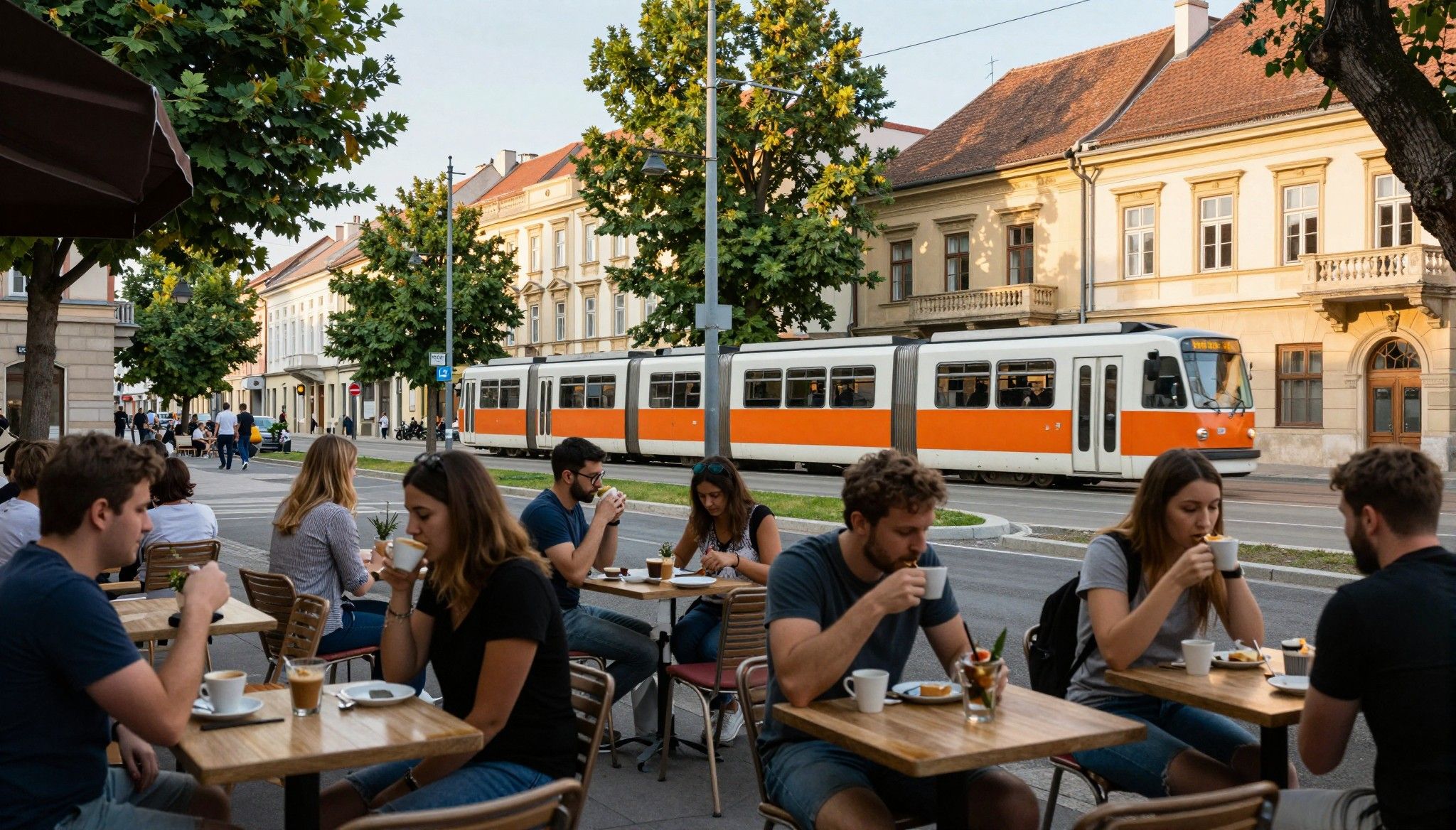
Daily life in Croatia balances Adriatic calm and urban energy. In Zagreb neighborhoods like Maksimir you hear tram bells and weekend markets; on the Dalmatian coast (Split’s Varoš, Dubrovnik’s Ploče) mornings start with fishermen’s deliveries and evenings end with family tables groaning under grilled fish. That lifestyle shapes demand: long‑let tenants cluster near year‑round employment hubs, short‑let tourists flood coastlines in summer, and both markets are reacting to new rules that affect cash flow and operating costs.
Neighbourhood spotlights: Zagreb, Split, Dubrovnik
Zagreb’s Tkalčićeva and Britanski trg attract long-term renters—young professionals and creatives—so yields are steadier but lower per m² than coastal holiday cores. Split’s Old Town and Bačvice command summer premiums but face seasonal vacancy. Dubrovnik’s historic core produces high ADRs (average daily rates) yet heavy regulation and quota risks can compress net yield after compliance costs.
Food, markets and micro‑location cues
Where locals shop matters: an apartment one block from Dolac Market in Zagreb or Split’s fruit market typically rents faster to locals and expats alike. For investors, the proximity to markets, ferries (Hvar/Split), and tram/rail links predicts occupancy more reliably than sea view alone.
Regulatory changes reshaping returns
Two regulatory trends have the most immediate impact: stricter short‑term rental controls at building and municipal level, and evolving foreign‑buyer reciprocity rules. From 2024–2026 municipalities and national law require co‑owner consent in many apartment buildings to operate short‑term lets, a registration number for each unit, and clearer use‑permit checks — all of which add compliance costs and can cap nights available for tourist lets.
What changed for short‑term rentals
Key practical outcomes: mandatory registration numbers for listings, stricter safety/use permits, and in many buildings a two‑thirds co‑owner approval rule for short lets. For investors that means higher fixed annual compliance and potential loss of rental nights in dense historic cores — convert gross ADR assumptions into net yields after these limits.
Foreign‑buyer reciprocity and access
EU/EEA citizens now buy with parity; recent legal changes have also opened purchases for many OECD nationals without separate ministry approval. Non‑EU nationals still face reciprocity checks and occasional temporary exclusions (country‑specific moratoria). That affects transaction timelines and legal fees — factor Ministry approval windows into acquisition schedules and financing plans.
What this means for yields and ownership risk
Translate regulatory change into numbers: expect compliance and taxation to knock 5–15% off headline gross yields on tourist‑orientated coastal assets (registration, safety upgrades, municipal fees, and limited nights). For city apartments aimed at long lets, the impact is smaller but annual property tax and administrative obligations introduced in 2025 raise holding costs — adjust net yield models accordingly.
Practical checks before offer
- Confirm use permit (uporabna dozvola); check co‑ownership building rules; request historic short‑let registration or proof of prior tourist classification; model municipal tourist taxes and fixed annual levies.
- Request evidence of compliance (safety certificates, waste agreements) and ask seller for last 12 months of platform revenue and occupancy to calculate realistic ADR and vacancy-adjusted yields.
When the lifestyle decision meets due diligence
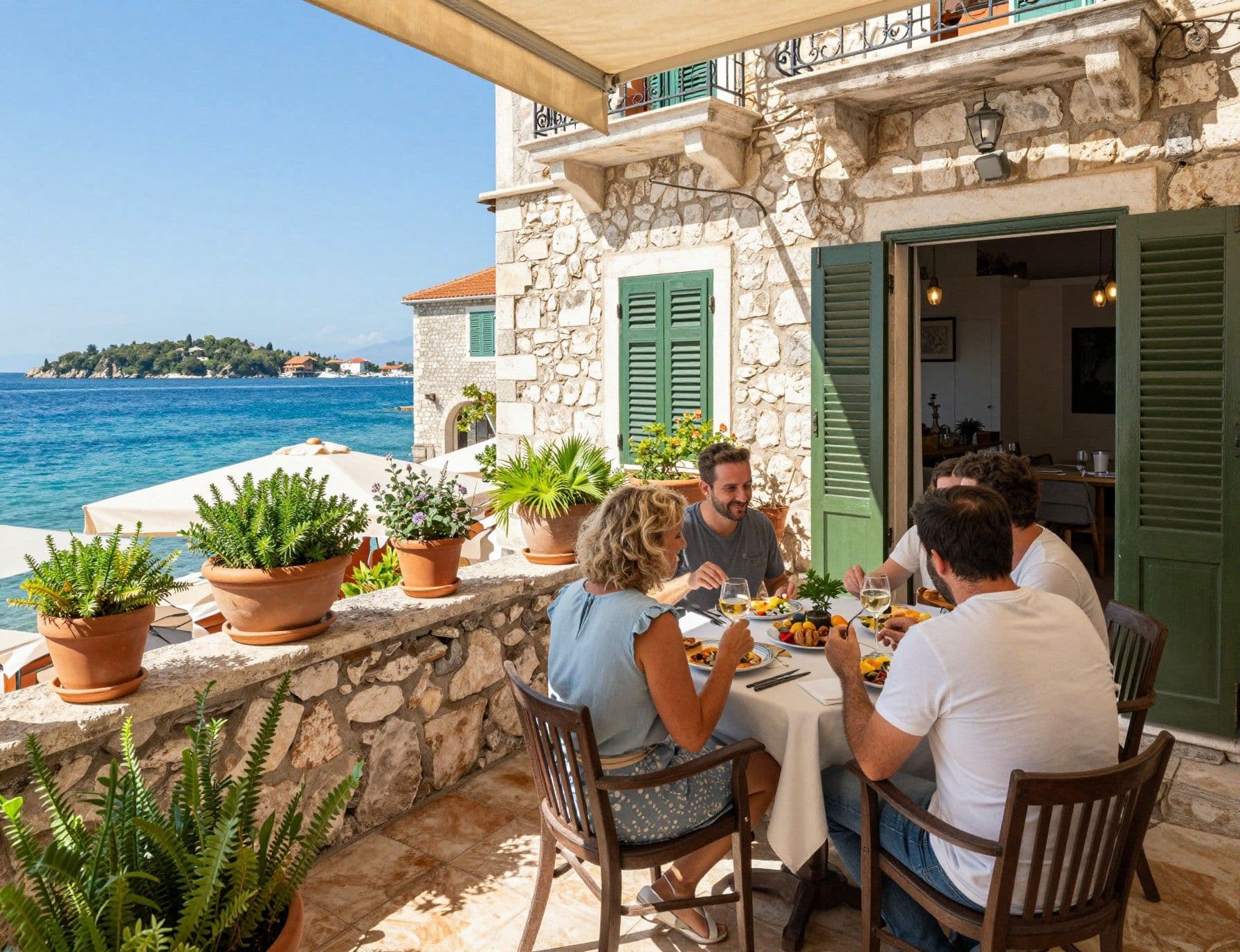
If you fell in love with a promenade apartment in Rovinj, don’t let the view trump legal reality: verify whether the building’s co‑owners will permit short lets, model conservative occupancy (35–45% for coastal units post‑regulation), and compare that result with long‑let market rents to see which yields better risk‑adjusted returns.
- Step 1: Get a local lawyer to confirm title, use permit and reciprocity requirements. Step 2: Obtain historic operating statements (12 months) and municipality fee schedules. Step 3: Run two yield scenarios: seasonal short‑let (net) vs stable long‑let (net) including tax and property tax assumptions. Step 4: Negotiate price with compliance investment in mind (safety upgrades, registration costs).
Insider knowledge — what expats wish they’d known
Expats often underestimate neighbour dynamics in Dalmatian stone blocks. One owner’s welcoming co‑owners can save a short‑let strategy; another building’s collective will block tourist licences. Ask current residents about past disputes and vote history—these social facts matter as much as municipal rules.
Long‑term view: community and capital growth
Municipal limits protect neighbourhood character and can stabilise prices by limiting over‑tourism; that also reduces upside from short‑term arbitrage. For investors focused on predictable cash flow, look for Zagreb tertiary neighbourhoods, inland towns with improving infrastructure, or coastal towns with established year‑round economies (e.g., Rijeka’s port services) rather than heritage cores under strict quotas.
- Lifestyle‑plus‑investment checklist: • Verify building consent rules for short lets. • Model net yield after registration, municipal fees, and property tax. • Include contingency for 10–20% regulatory compliance cost overruns. • Consider long‑let markets in university cities and regional centres as diversification.
Conclusion: Croatia still sells a Mediterranean life, but recent regulatory shifts turn simple holiday math into a compliance exercise. Love the lifestyle first, then run two disciplined yield scenarios, confirm legal access and building rules, and use a local adviser to translate neighbourhood flavour into quantifiable returns.
The YieldistBritish expat who moved to the Algarve in 2014. Specializes in portfolio-focused analysis, yields, and tax planning for UK buyers investing abroad.
Related Articles
More insights that might interest you

 Villa Curated
 Villa Curated
 The Yieldist


