Why Buying Outside Italy’s Historic Cores Often Wins
Forget postcard views: buyers who prioritise neighbourhood life, service and stewardship in Italy often secure steadier value and a richer everyday experience.
 Villa Curated
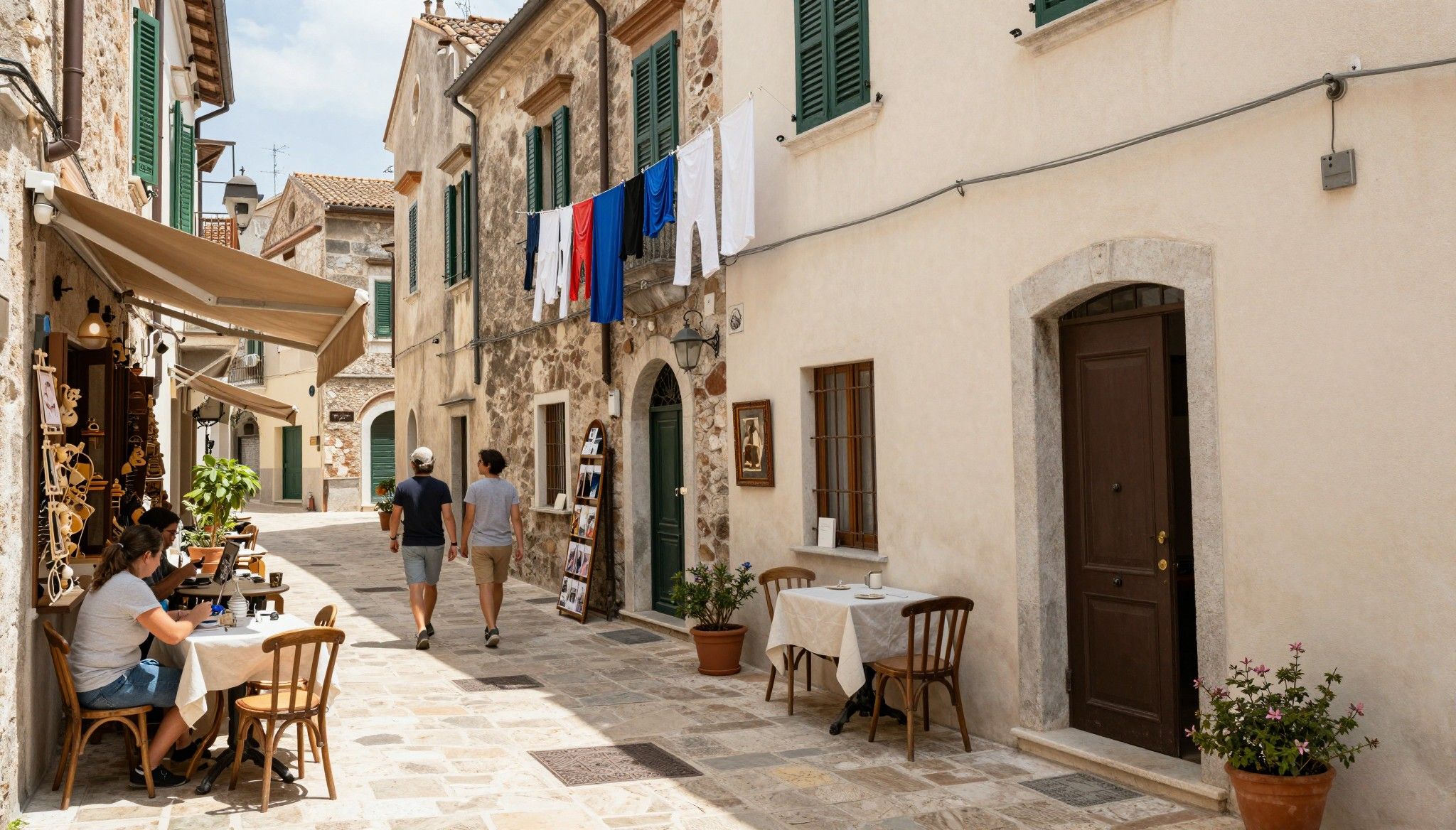
Imagine a late‑afternoon passeggiata down a narrow lane in an Italian borghi where limestone facades hold the day's warmth and a barista knows your coffee by name; this is the daily geometry that draws people here — not the view on a glossy brochure. Yet much of what international buyers believe about Italy — that the historic centre is always the safest investment and coastal views trump quiet streets — deserves reappraisal. Recent OMI data and ISTAT tourism figures show buyers are reshaping their priorities: lifestyle quality, local services and year‑round community matter as much as postcard panoramas. This piece pairs sensory neighbourhood portraits with the practical signals to watch when considering property in Italy today.
Living the Italian life — beyond the picture postcard
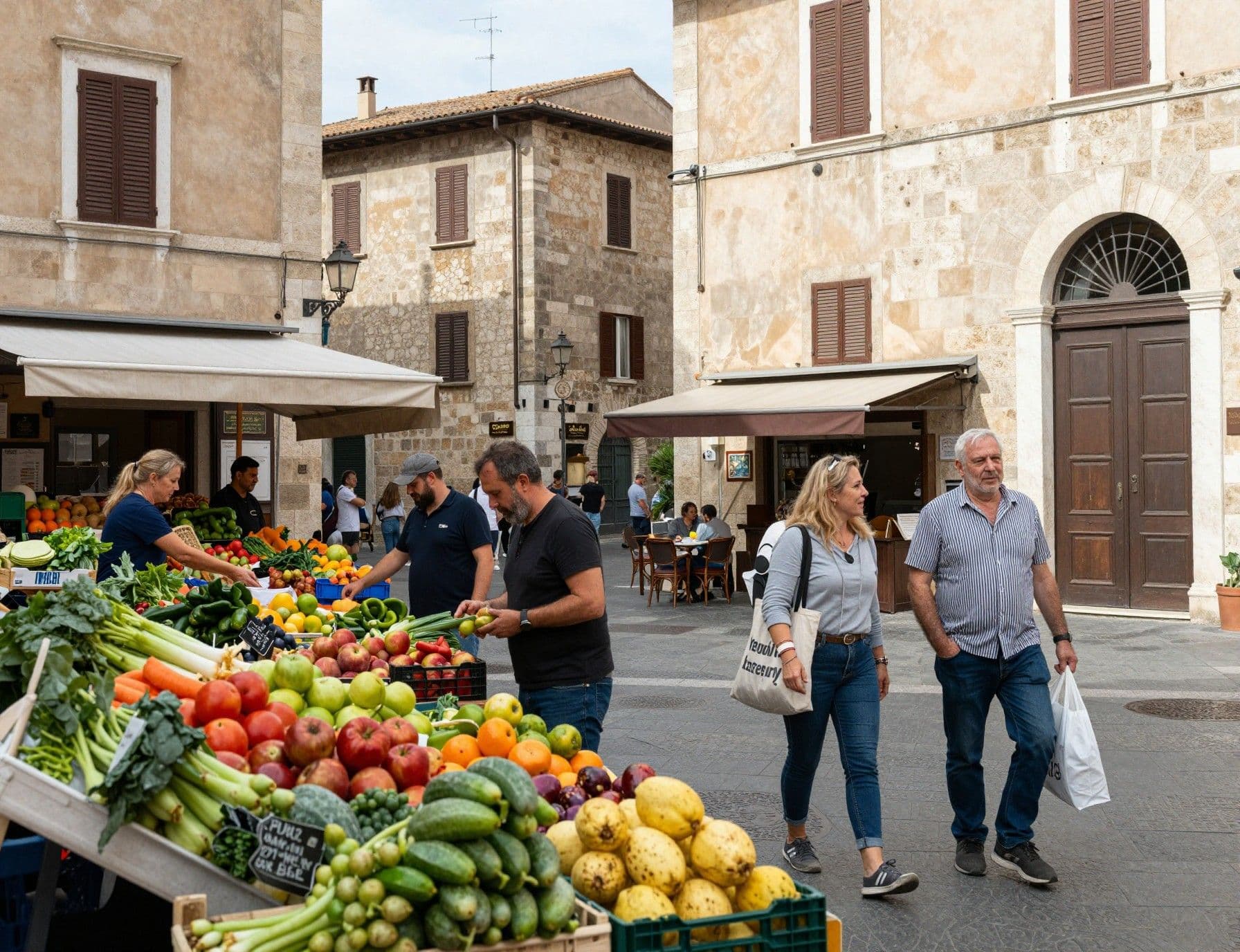
Italy is a patchwork of rhythms: morning markets that empty by noon, late aperitivi that gather neighbours on piazza steps and quieter, workaday rhythms that return after festival weekends. In cities such as Milan or Bologna the day centres on efficient cafés and neighborhood bakeries; on islands and the Amalfi Coast life schedules bend to the season. For an international buyer the first question is not simply ‘which view?’ but ‘what daily life will this street deliver?’ — where to walk for bread, where your children might learn to swim, where neighbours greet one another by name.
From Borghi to Barri: neighbourhoods that surprise
The most captivating Italian neighbourhoods are often the ones visitors overlook. Consider Oltrarno in Florence: a working artisan quarter where workshops and small gardens still anchor daily life, or Trastevere’s quieter lanes that reveal private courtyards after the tourists leave. Along the Ligurian riviera, seek the small inland hamlets — Framura or Cervo — where morning sunlight and genuine neighbourhood life outlast the summer crowds. These places offer an intimacy that translates into more stable occupancy and a defined community spirit, a practical advantage for long‑term owners and those seeking meaningful seasonal use.
Food, market rhythms and the architecture of daily pleasure
Food is how many newcomers fall in love with Italy. Weekly markets in Parma, the fish stalls of Chioggia, and the evening aperitivo culture in Bologna are as decisive for lifestyle satisfaction as the property itself. ISTAT recorded record tourism and expanding non‑hotel overnight stays in recent years, which has shifted local services and created pockets of rental demand — but it also makes clear that many towns balance tourist flows with vibrant resident life outside peak months. When you picture the life you want, prioritise the local market stall, the covered piazza and the pharmacy’s opening hours.
Lifestyle highlights to seek in neighbourhoods
A daily market within a 10–15 minute walk (fresh bread, produce, a fishmonger)
A local bar or osteria that is busy year‑round, signaling resident demand rather than seasonal tourists
Good transport links (regional trains or reliable buses) for off‑season access and convenience
Visible stewardship of public space — maintained piazzas, active parish or civic groups
Making the move: practical considerations woven into lifestyle choices
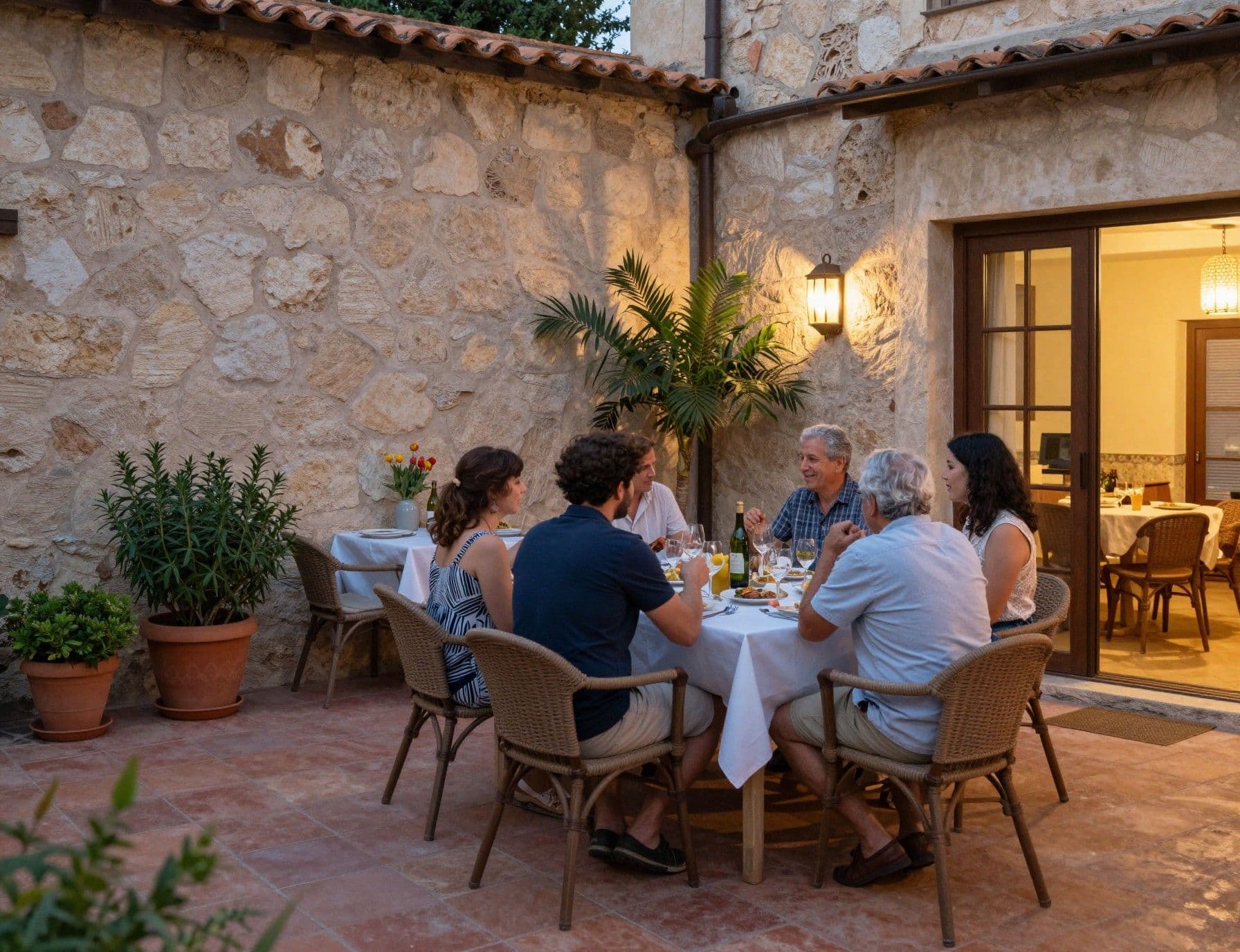
Turning a love affair with a neighbourhood into a sound property decision requires attention to data and local nuance. Agenzia delle Entrate’s OMI reports show how transaction volumes and prices move differently across provinces and between historic centres and peripheral districts. For buyers we recommend synthesising OMI indicators with on‑the‑ground questions: are there restoration incentives, is the property subject to strict heritage controls, and how does seasonality affect local services?
Property types and their lived realities
A palazzo apartment in a centro storico offers scale, period detail and proximity to culture, but heating, access and restoration rules can complicate life. A villa in a wine region grants outdoor living and autonomy, yet consider water supply, road access and winter maintenance. Newly built apartments near transport hubs deliver convenience and lower upkeep; however, they may lack the patina and community identity that many buyers prize. Match the building type to the everyday functions you value: kitchen size, natural light, proximity to schooling and access to year‑round services.
Working with agents who know local life
Local agencies are less useful as transaction machines and more as cultural translators: they can point you to a baker who starts early, a mason trusted with heritage restorations, or a notary who understands regional quirks in contracts. Ask an agent for three recent sales in the street, introductions to neighbours, and their approach to off‑market opportunities; these practical checks separate tasteful marketing from genuine stewardship. The right agent will talk about maintenance cycles and community governance with the same fluency they use for pricing.
Six steps that blend lifestyle and practical due diligence
Spend at least three visits in different seasons to test services, noise and light
Request OMI price histories for the micro‑area and compare with local agency valuations
Inspect building systems (roof, plumbing, heating) with a local restoration specialist
Confirm any heritage constraints and potential renovation incentives (sismabonus, efficiency credits)
Ask for a neighbour introduction and a summary of year‑round service levels (winter transport, medical access)
Insider knowledge: what expats wish they’d known
Seasonality and the management of expectations are recurring surprises for new residents. A seaside village that hums in July can fall quiet and economically constrained in January; conversely, inland towns with schools and permanent services can feel more rewarding everyday. Recent national tourism statistics show elevated visitor numbers, but success for owners often means balancing short‑term rental potential with a commitment to local life, not simply maximising nights during high season.
Language, community and integration
Fluency is not required to live well in Italy, but an effort to use Italian opens markets, neighbours and tradespeople in ways that reliance on English does not. Small acts — attending a parish festa, joining a weekly market queue, learning simple greetings — create goodwill that prevents the isolation many expatriates report. Local associations, volunteer groups and language cafés are reliable paths into community life and often reveal the best property opportunities.
Longer arc considerations: stewardship and resale
Think of property in Italy as stewardship: decisions about material quality, sympathetic restoration and engagement with local planning produce homes that age well and command buyer interest later. OMI data underscore divergent performance between well‑maintained peripheral neighbourhoods and crowded tourist cores; the former often offer steadier resale prospects. For those who intend to pass property to future generations, prioritise craft, provenance and public realm health over momentary market trends.
Italy offers a particular reward: the possibility of a life that is materially simpler but culturally richer. If you imagine yourself starting mornings at a small café, shopping at a laneway market and spending afternoons on terraced walks, then let those images shape where you look. Practically, collate OMI price histories, test neighbourhoods across seasons, and work with agencies who can introduce you to local artisans, not just listings. When lifestyle and stewardship align, the property becomes more than an investment — it becomes a place for a life.
Next steps: visit, prioritise, commission. Schedule three visits in different months, ask agents for micro‑area transaction histories, and commission a local restorer to estimate likely interventions. If you seek a place that will be both used and loved, begin with the life you imagine and let the data confirm that neighbourhood’s long‑term viability.
Villa CuratedHaving moved from Stockholm to Marbella in 2018, I help Scandinavian buyers navigate Spanish property law, restoration quality, and value through authentic provenance.
Related Articles
More insights that might interest you
 Villa Curated
 The Yieldist
 The Yieldist


