Insurance & Protection: Preserving Life in Cyprus
Live the island life with confidence: practical insurance and buyer protections tailored to Cyprus’ neighbourhoods, property types and legal quirks.
 Villa Curated
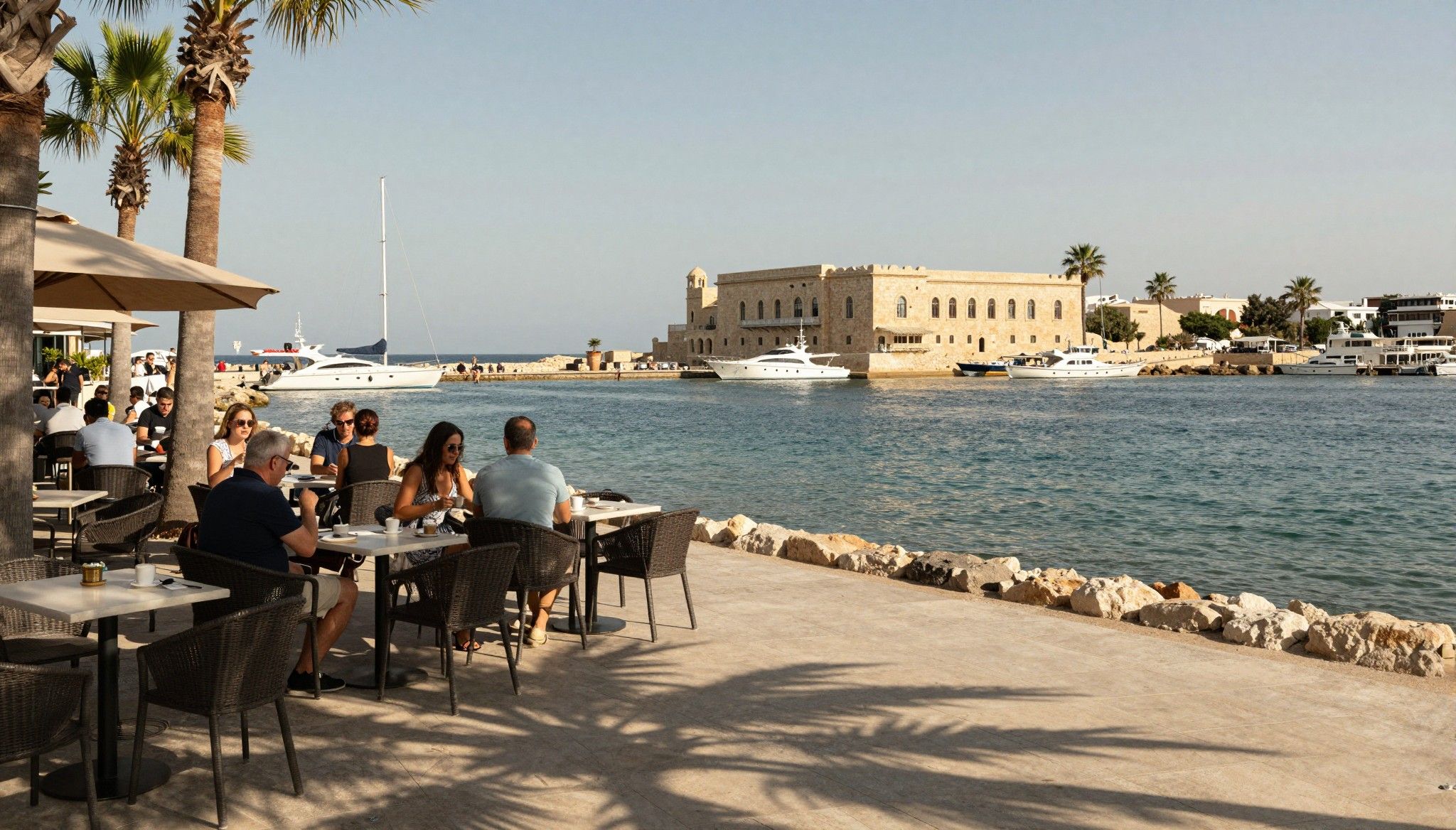
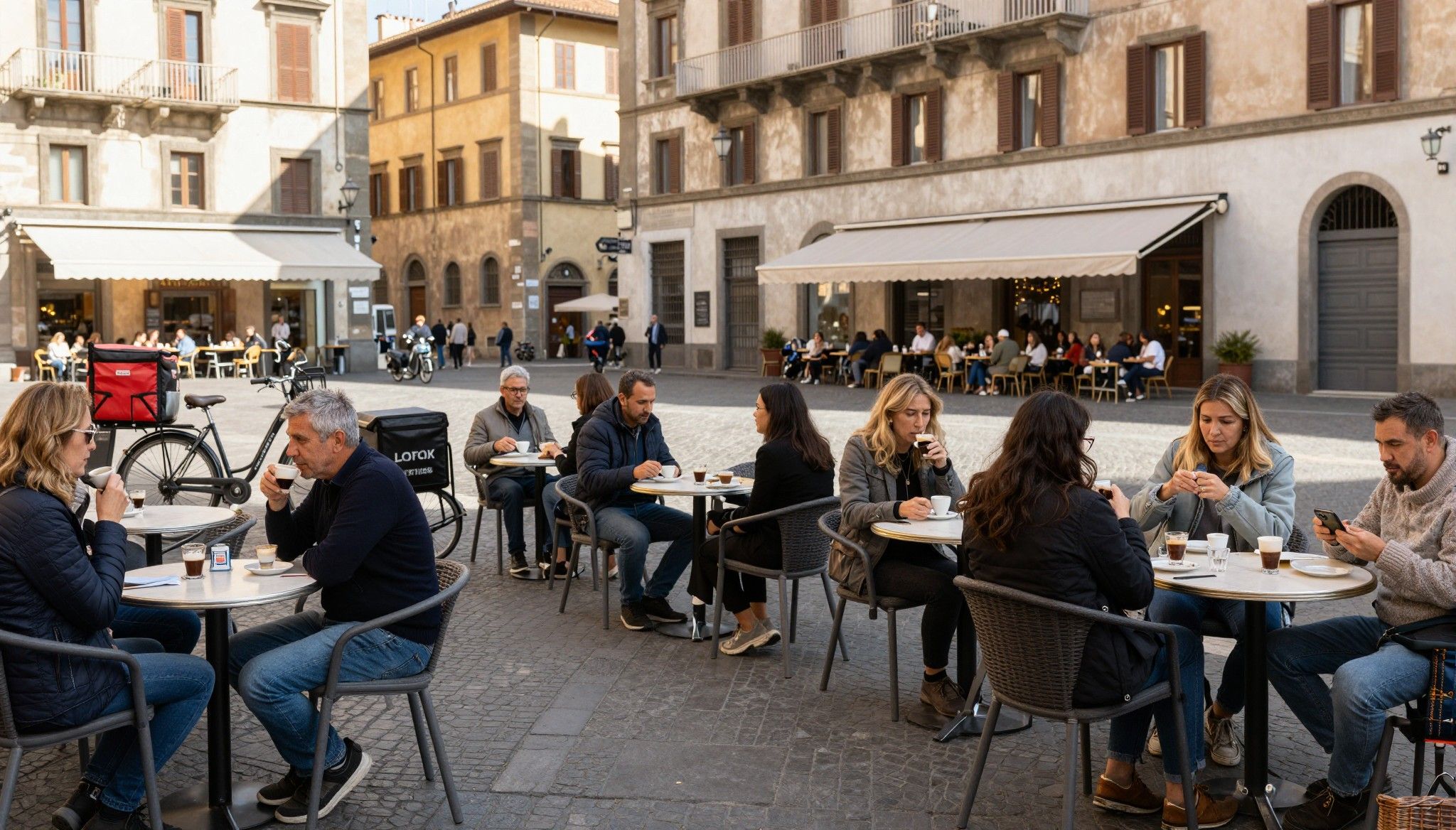
Imagine a late‑afternoon espresso on Limassol’s Old Port, wintry light painting limestone facades, and neighbours drifting home from the market with citrus and fresh halloumi. In Cyprus, everyday rituals—sea swims, village coffee, and slow dinners—shape what buyers call home. But the romance of life under a laundered sky should meet one quiet question: how do you protect that life if the unexpected arrives? Recent market analysis shows active buyer interest and rising transactions; sensible insurance and buyer protections keep lifestyle promises intact. (See local market context in the linked report.)
Living the Cypriot Life: Sun, Streets and Substance
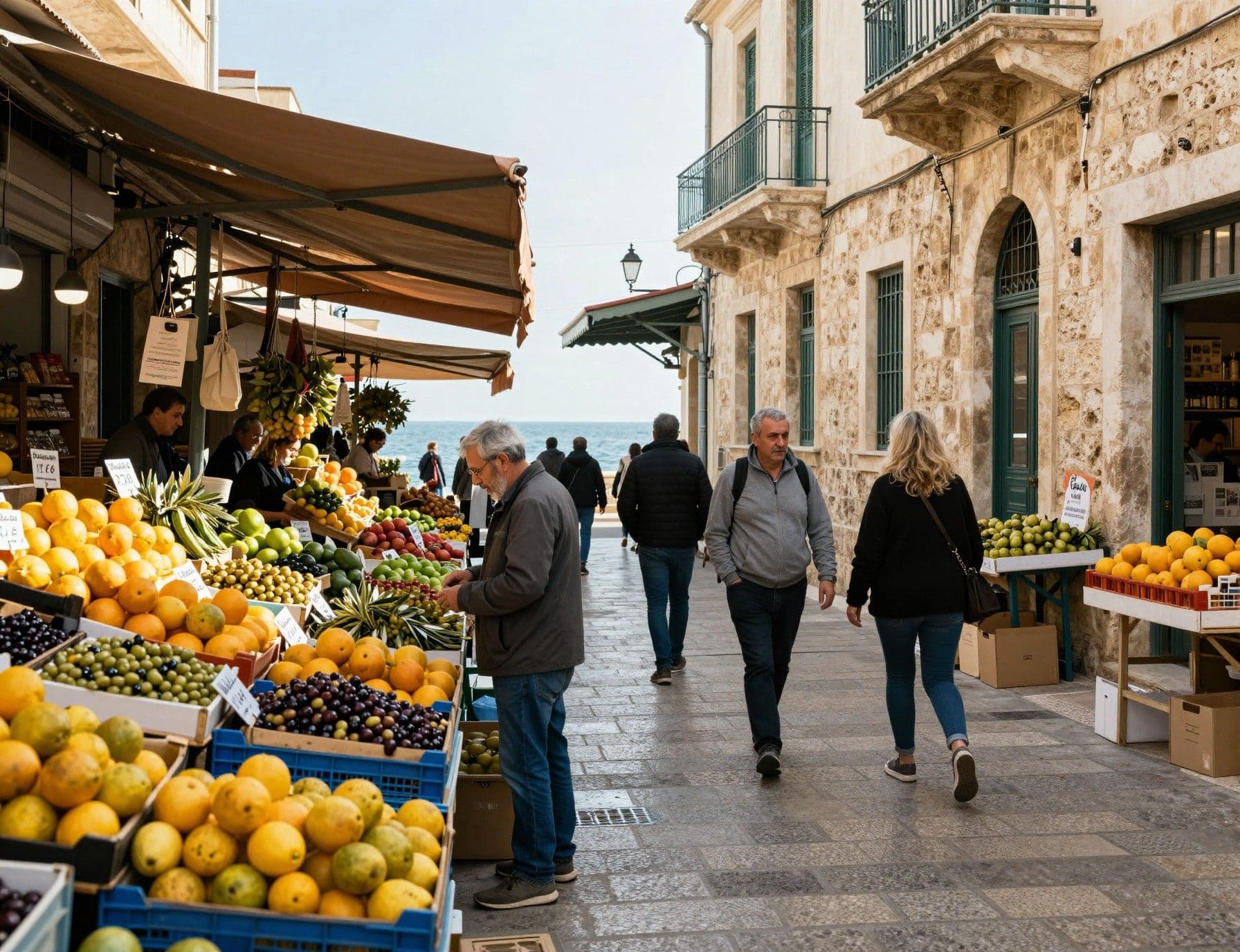
To live in Cyprus is to move between clear opposites: the maritime ease of Paphos mornings and the measured commerce of Nicosia afternoons. Limassol hums with cafes on Gladstonos and yachts in the marina, while mountain villages such as Omodos hold a different tempo—stone alleys, family bakeries, and late‑summer festivals. These rhythms influence property choices: a coastal apartment buys mornings by the sea; a restored stone house buys silence, provenance and a garden that matters.
Neighbourhoods that feel like home
Limassol’s Molos promenade and the adjacent Yermasoyia district offer an urbane, walkable life where morning markets and evening fish tavernas meet modern apartments. In Larnaca, the Finikoudes seafront is quieter out of season and prized by buyers who value everyday civility. For those who prize heritage and craft, Paphos’ Ktima and Tala present vernacular stone houses and narrow streets where neighbours know one another’s names.
Food, light and a year of small pleasures
Weekends in Cyprus are for markets—Nicosia’s Eleftheria, Limassol’s municipal stalls—where citrus, herbs and wood‑fire breads are the connective tissue of community. Summer evenings become alfresco meals of grilled fish and local zivania; winters invite walks through carob groves and tea in a village kafeneio. These habits matter for protection choices: proximity to services, local infrastructure and seasonality affect insurance needs and emergency access as much as price or view.
- Lifestyle highlights: Molos promenade in Limassol; Finikoudes beach in Larnaca; Omodos village square; Kato Paphos archaeological park; weekend markets on Lefkosia streets.
Making the Move: Practical protections that preserve the dream
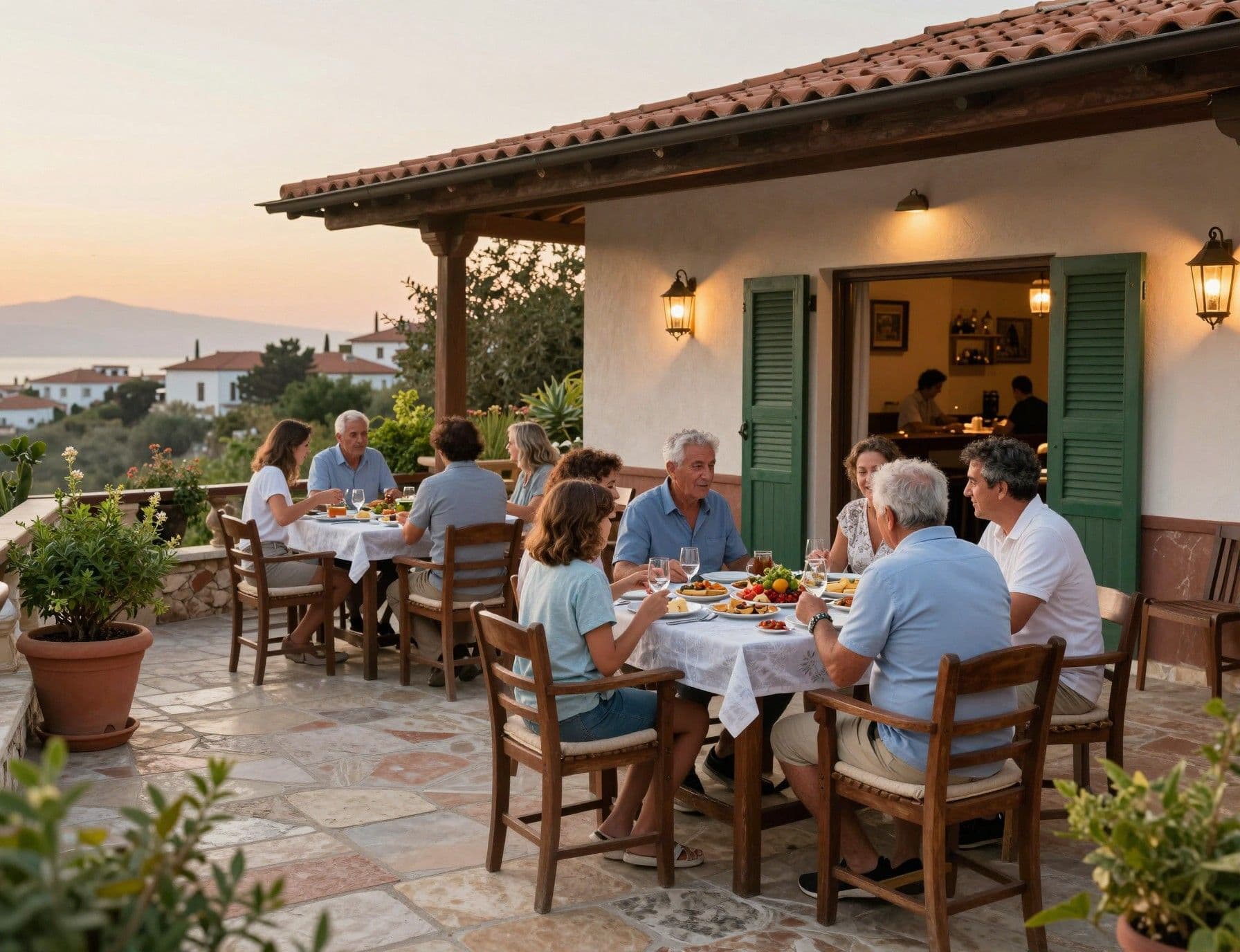
When the paperwork is signed, three forms of protection matter: title clarity, structural/building cover and contents/liability insurance. Title registration with the Department of Lands and Surveys is the legal anchor; building and contents policies protect against fire, storm and theft; third‑party liability safeguards a life spent entertaining on terraces. Local insurers offer expat‑friendly policies with English documentation—compare cover limits, excesses and named peril lists carefully.
Property types and their particular risks
New apartments, often in coastal developments, face builder warranty and communal maintenance risks; traditional stone dwellings bring roof and damp considerations. A restored countryside house requires clear surveys for foundations and services; penthouses demand attention to external elements and water ingress. Match the insurance policy to the building’s age, materials and occupancy pattern rather than relying on generic “home” cover.
Six steps to practical buyer protection
- Order an independent structural survey and an energy performance report to establish condition and future costs.
- Confirm title and registration status with the Department of Lands and Surveys and require a ‘clean’ title report before deposit.
- Obtain building and contents insurance quotes that specify per‑item limits, flood and storm cover, and emergency repairs for remote management.
- Include a contingency fund of 3–5% of purchase price for immediate maintenance, compliance and unexpected repairs.
- Agree contract clauses that require the seller to remedy latent defects discovered within an agreed warranty period.
- Engage a bilingual lawyer experienced with Cyprus conveyancing and an insurer familiar with expatriate requirements.
Insider knowledge: what expats wish they’d been told
Expats commonly undervalue local service networks. A reliable plumber, an English‑speaking notary, and a small local builder are more valuable than an extra room. Many buyers also discover that coastal vibrancy can mean seasonal noise and maintenance—if you prize year‑round tranquillity, explore inland suburbs or higher elevations where climate and community offer steadier rhythms.
The legal pitfalls that feel surprising
Some buyers are tempted by listings in the north of the island; these remain legally fraught. The state pursues claims against unauthorised sales and advertising of Greek Cypriot properties in the breakaway north, which can lead to litigation and loss. Verify jurisdiction and title location before proceeding; a low price is not worth contested ownership.
Long‑term stewardship and insurance as care
Think of insurance as an act of stewardship. As PwC’s market review notes, the Cypriot market continues to record significant high‑end transactions; protecting an investment requires long‑term maintenance budgets, appropriate cover for high‑value items and a relationship with an insurer that will respond while you are abroad. Stewardship preserves provenance: the house becomes an heirloom rather than a liability.
- Final checklist before you sign: independent survey; confirmed registered title; written confirmation of developer warranties; building and contents quotes in English; 3–5% contingency; a named local contact for emergencies.
If Cyprus has moved you, let that feeling guide sensible protection. Begin with a short list of neighbourhoods (Molós, Finikoudes, Ktima), commission an independent survey, and request insurance quotes tailored to the home’s materials and use. An experienced local lawyer and an insurer familiar with expatriate living convert a dream into a secure, lasting life here. When you marry the island’s rhythms with pragmatic protection, the house becomes less a purchase than a preserved way of living.
Villa CuratedFormer Copenhagen architect who relocated to Provence, offering relocation services, market analysis, and a curator’s eye for authentic regional design.
Related Articles
More insights that might interest you
 Villa Curated
 The Yieldist
 The Yieldist


