Offer & Close Like a Local: France’s Rhythm-Based Strategy
Fall for France’s markets and terraces — then bid with local rhythm. Blend lifestyle cues with quick due diligence, fibre checks, and notaire-savvy offers.
 MoveSettleGo
Imagine waking up in a sunlit Parisian flat, buying strawberries at Marché d’Aligre, then answering emails from a café terrace in Le Marais. That dream is why France seduces so many of us — but turning it into a signed offer and handed keys takes local tricks as much as passion. According to recent Notaires‑INSEE data, market rhythms in France have subtle seasonal and regional swings that change how and when to bid.
Living the French Life — and What It Means for Offers
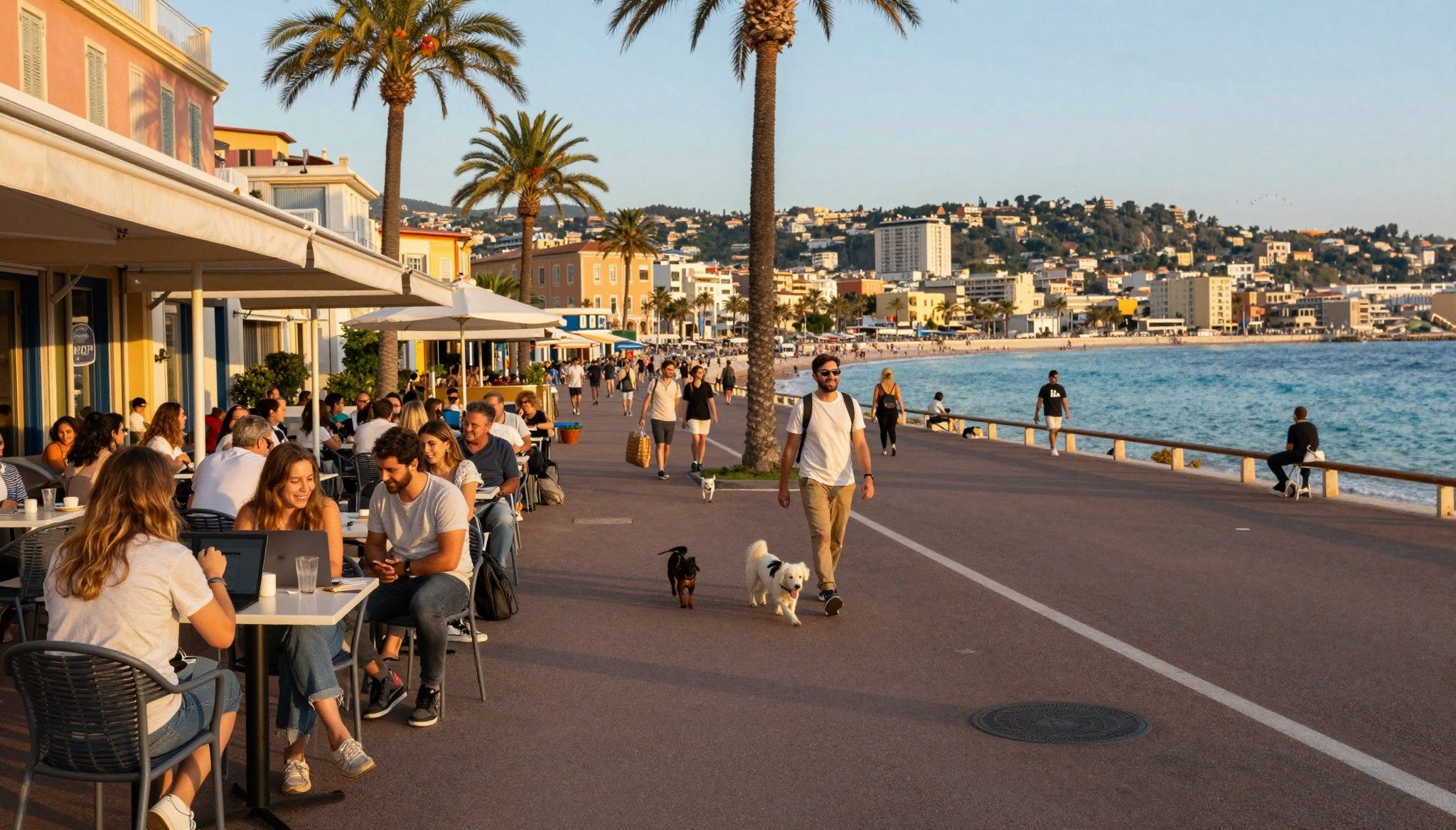
France isn’t one mood — it’s many. Paris hums with café culture and métro efficiency; Bordeaux smells of wine and weekend markets; Nice basks in seaside light and slow afternoons. When you write an offer, you’re buying that rhythm as much as a roof. Agents and notaires expect offers to respect local pace: in Lyon or Nantes you can move faster; in Provence or coastal hotspots sellers often wait for summer viewings.
Neighbourhood snapshot: Le Marais, Montmartre, Vieux Nice
Le Marais is boutique-perfect — narrow streets, lunch queues at Café Charlot, high demand for compact, well‑finished flats. Montmartre still has village energy and steep stairs that change renovation budgets. Vieux Nice sells lifestyle: pastel facades, daily markets on Cours Saleya, and apartments with tiny balconies — prime for nomads who value atmosphere over square metres.
Food, markets and daily life that shape property value
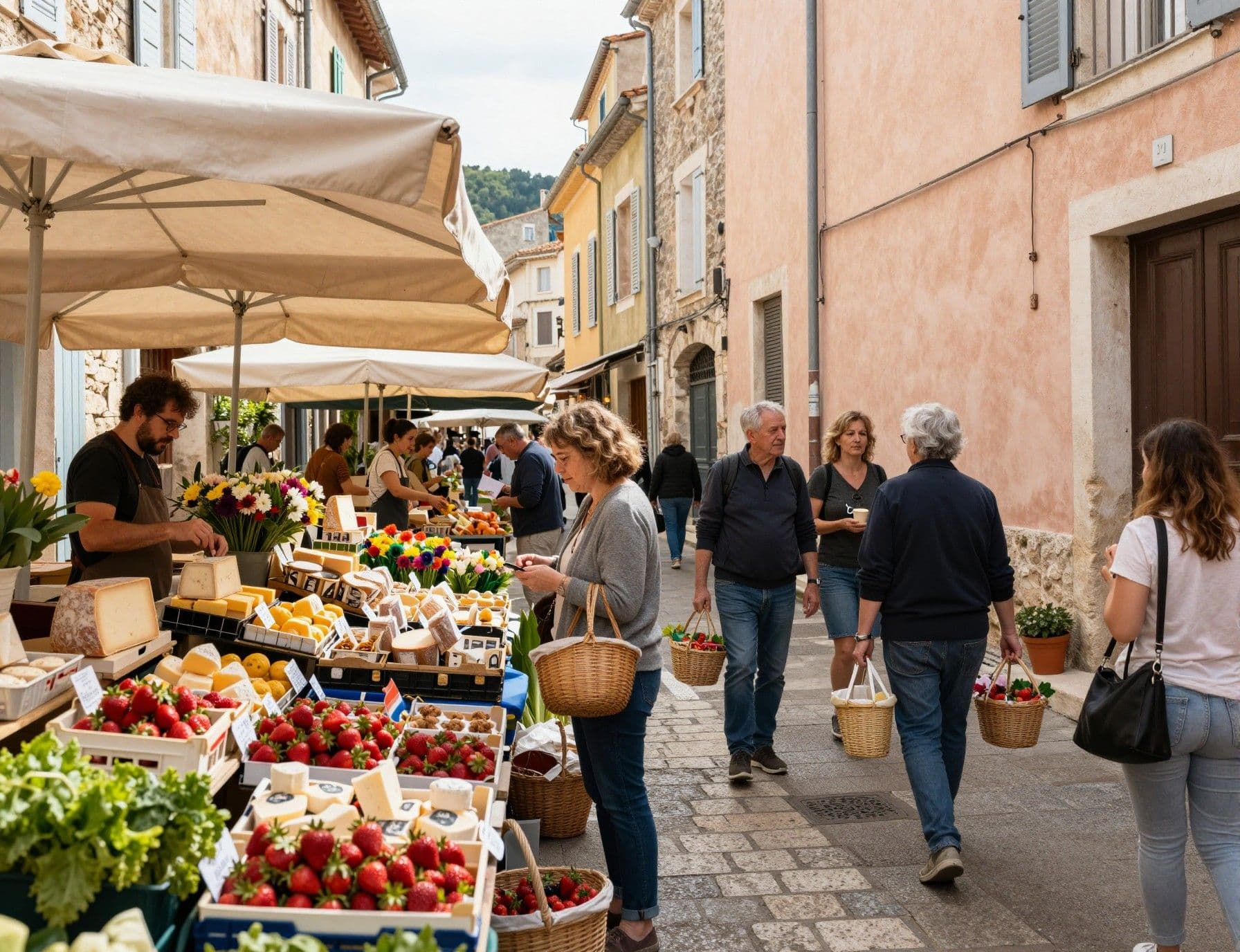
Weekends in France mean markets: Marché Victor Hugo in Toulouse, Marché des Enfants Rouges in Paris, or the fish stalls at Nice. Proximity to a real marché boosts desirability in subtle ways — walkability, fridge‑to‑table dinners, and a sense of belonging. Those lifestyle factors make sellers price properties differently than pure square‑metre math would suggest.
- Lifestyle highlights buyers chase in France: • Morning market trips (Marché d’Aligre, Cours Saleya) • Cafés with outdoor tables (Le Marais terraces, Saint‑Germain) • Weekend drives to vineyards (Bordeaux, Loire) • Seaside promenades (Promenade des Anglais, Biarritz) • Coworking hubs and fast cafés (La Défense, Lyon Confluence)
Making the Move: Practical Steps That Preserve the Lifestyle

You’ll want charm, yes — but for a nomad, connectivity and workspace matter. France’s fibre rollout has accelerated, with ultrafast subscriptions surging across cities. That changes where remote workers can live: smaller towns now compete with big cities on internet speed, letting you chase authentic village life without sacrificing Zoom calls.
Property styles and how they fit day‑to‑day life
Haussmannian apartments bring tall windows and light but often tighter floorplans and strict co‑procédures; village stone houses give garden life and a slower pace but may need insulation work. Decide whether you want a terrace for mornings, a corner for a home office, or a short walk to coworking — these lifestyle preferences should shape your offer, not the other way around.
Working with local experts who get the life you want
- 1. Hire a bilingual agent who knows micro‑neighbourhoods and market seasonality — they’ll advise when to go hard and when to wait. 2. Ask a notaire early about departmental frais de notaire; several departments raised their mutation rates in 2025, shifting closing costs slightly upward. 3. Confirm broadband and mobile coverage at the exact address — fibre availability can be the difference between seaside romance and poor remote‑work reality. 4. See recent comparable sales (comps) within 3 months — France’s market can move fast in hotspot towns.
Insider Knowledge: Offer Strategy, Negotiation & Closing Tricks
Buyers who win in France blend respect for local norms with clever timing. In 2025 some buyers accelerated purchases ahead of notaire fee increases, creating short windows where motivated sellers and prepared buyers met. The smart move is to balance speed with checks: move fast on offers, slow on due diligence.
The neighbourhood‑first offer strategy
Instead of competing on price alone, tailor your offer to the seller’s needs: flexible closing dates to match their rental income, earnest deposits that show seriousness, or a willingness to accept fixtures as‑is if you’re planning a cosmetic refresh. Personal notes about why you love the area can tip emotional sellers.
Due diligence that respects rhythm: order mandatory diagnostics (diagnostics techniques) and the notaire’s title search, but coordinate timing so you don’t miss desirable slots for village viewings or city open‑house weekends. National data shows prices rising again in several urban areas — use recent local trends to judge bid aggressiveness.
- Red flags to watch (and how to fix them): • No title or unclear servitudes — ask your notaire for a clear acte de propriété. • Patchy broadband or old electrical wiring — add a conditional clause for improvements or a price reduction. • Overly staged photos but few daytime viewings — insist on a daytime visit to check light, noise and neighbourhood life. • Sellers who pressure for a quick, unsigned deposit — use regulated notaire accounts for security.
Closing: timing, costs, and the final coffee
The final acte de vente is usually signed at the notaire’s office; expect 4–8 weeks from a signed compromis to final deed, longer if you need a mortgage. Budget for frais de notaire (often 6–8% in older stock), any agreed repairs, and moving costs. Then celebrate: a coffee on your balcony or a long market run — this is what you bought.
What Expats Wish They’d Known — Real Confessions
Many expats say the surprise wasn’t paperwork but lifestyle details: how cafés shut for August, the joy of an afternoon marché, or the quirks of syndic fees in Parisian buildings. These small rhythms influence how you live — and whether a neighbourhood truly fits you after the honeymoon phase.
Language, community and making it home
Learn a few market phrases, join local Facebook groups or a coworking community, and spend a month living like a local before finalising a purchase if possible. Community ties — the boulangerie owner who knows your name, the yoga teacher who invites neighbours — often make the difference between a house and a home.
Longer‑term lifestyle checks
- Think forward: schools and language classes, seasonal noise (tourist summers), energy efficiency upgrades, and rental potential if you travel. These points protect lifestyle value and resale appetite.
If France has taught nomads anything, it’s this: buy where the life you want already exists. Use agents and notaires as translators of local rhythm, not just paperwork machines. Start with a small, lifestyle‑led offer, back it with quick but solid due diligence, and you’ll sign not just a deed but an invitation to the life you pictured on day one.
- 1. Spend a week living in the neighbourhood before bidding. 2. Verify fibre and mobile coverage at the exact address. 3. Ask your agent for three recent local comps (past 3 months). 4. Budget 6–8% for frais de notaire and 1–2% for immediate fixes. 5. Use a notaire to hold deposits and manage title checks.
Ready to start? Pack curiosity, respect local tempo, and find an agent who loves your chosen street as much as you do. In France, the best offers are part data, part story — and when you win, you haven’t just bought square metres; you’ve bought mornings at the market and evenings on your terrace.
MoveSettleGoDutch investment strategist guiding buyers to Greece and Spain; practical financing, tax, and portfolio diversification.
Related Articles
More insights that might interest you
 Villa Curated
 The Yieldist
 MoveSettleGo

