
Malta’s Price Myth: Lifestyle-First Buying Wins
Malta mixes historic charm, seaside living and strong broadband — learn how lifestyle-first choices, micro-neighborhoods and local agency know-how turn 'expensive' into opportunity.
 MoveSettleGo
Imagine sipping an espresso on a limestone rooftop in Valletta as a golden ferry slides past the Grand Harbour. The sun warms the plaster facades, a chorus of Maltese and English drifts from a nearby café, and your laptop hums on the table — the day’s meeting is in one tab, the beach is a 20-minute walk away. That mix of compact Mediterranean life, reliable broadband, and unexpected pockets of calm is Malta’s promise — and why many nomads and expat buyers fall hard for it.
Living the Malta lifestyle
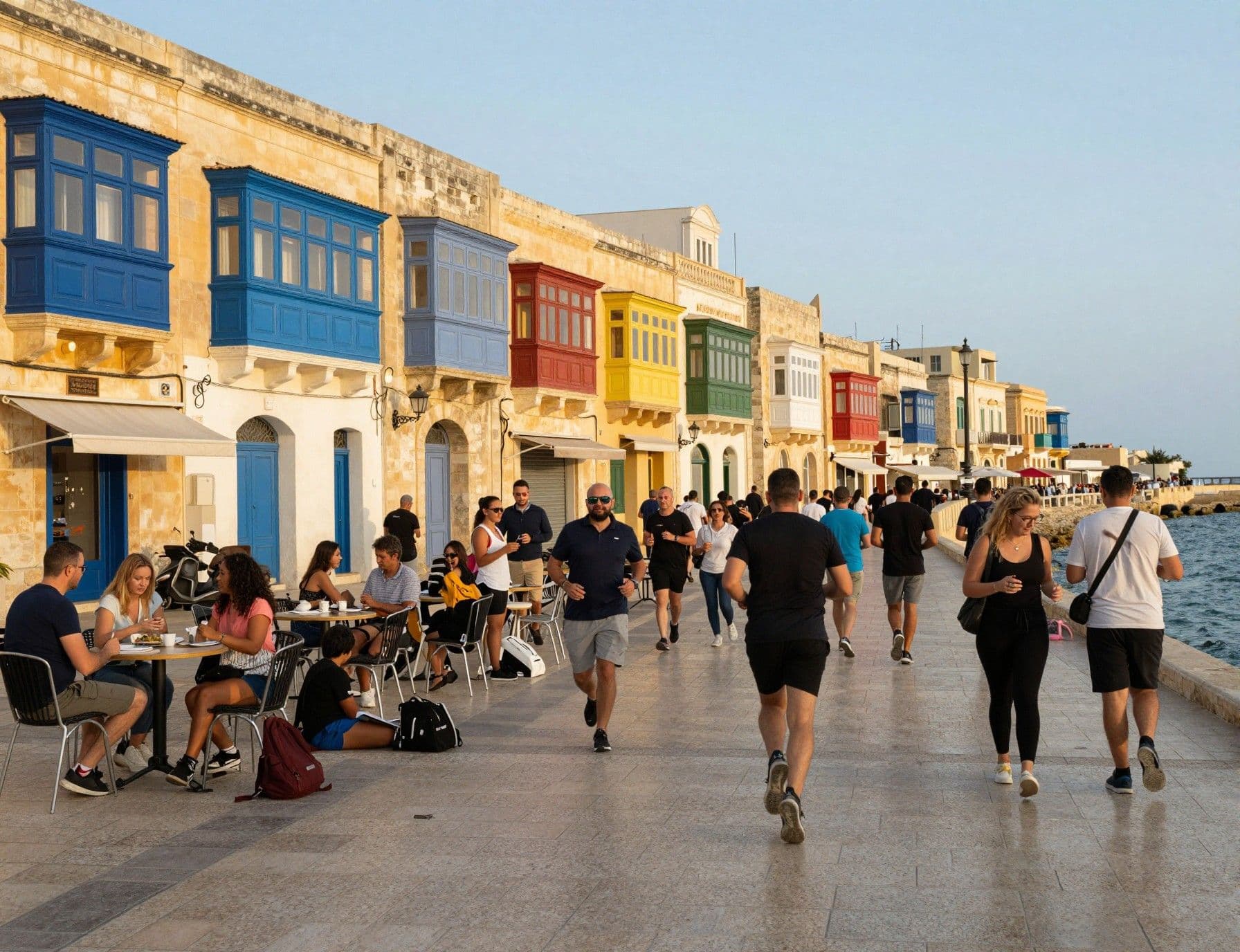
Malta feels small in the best way: everything is close, neighborhoods have distinct personalities, and English is an official language — which lowers the friction for remote work and social life. Expect mornings in bakeries on Triq il-Merkanti, afternoons at Għajn Tuffieħa or St. George's Bay, and evenings in buzzy tal‑bars of St Julian’s. Connectivity is strong: Malta’s fixed broadband take-up and rising median speeds make working from a terrace entirely feasible. ([mca.org.mt](https://www.mca.org.mt/sites/default/files/pageattachments/MCA%20Annual%202024%20digital.pdf?utm_source=openai))
Valletta & The Three Cities: history as your backyard
Living in Valletta means living inside layered history — baroque palazzos, tiny alleys that open to sea views, and a cultural calendar that fills your weekends with concerts and film fests. The Three Cities (Senglea, Vittoriosa, Cospicua) sit opposite and offer quieter waterfront living with strong local community ties and charming harbourside cafés. These areas are walkable, photogenic, and ideal if you want a daily dose of heritage alongside your remote routine.
Sliema, St Julian’s & Paceville: coworking, cafés, and nightlife
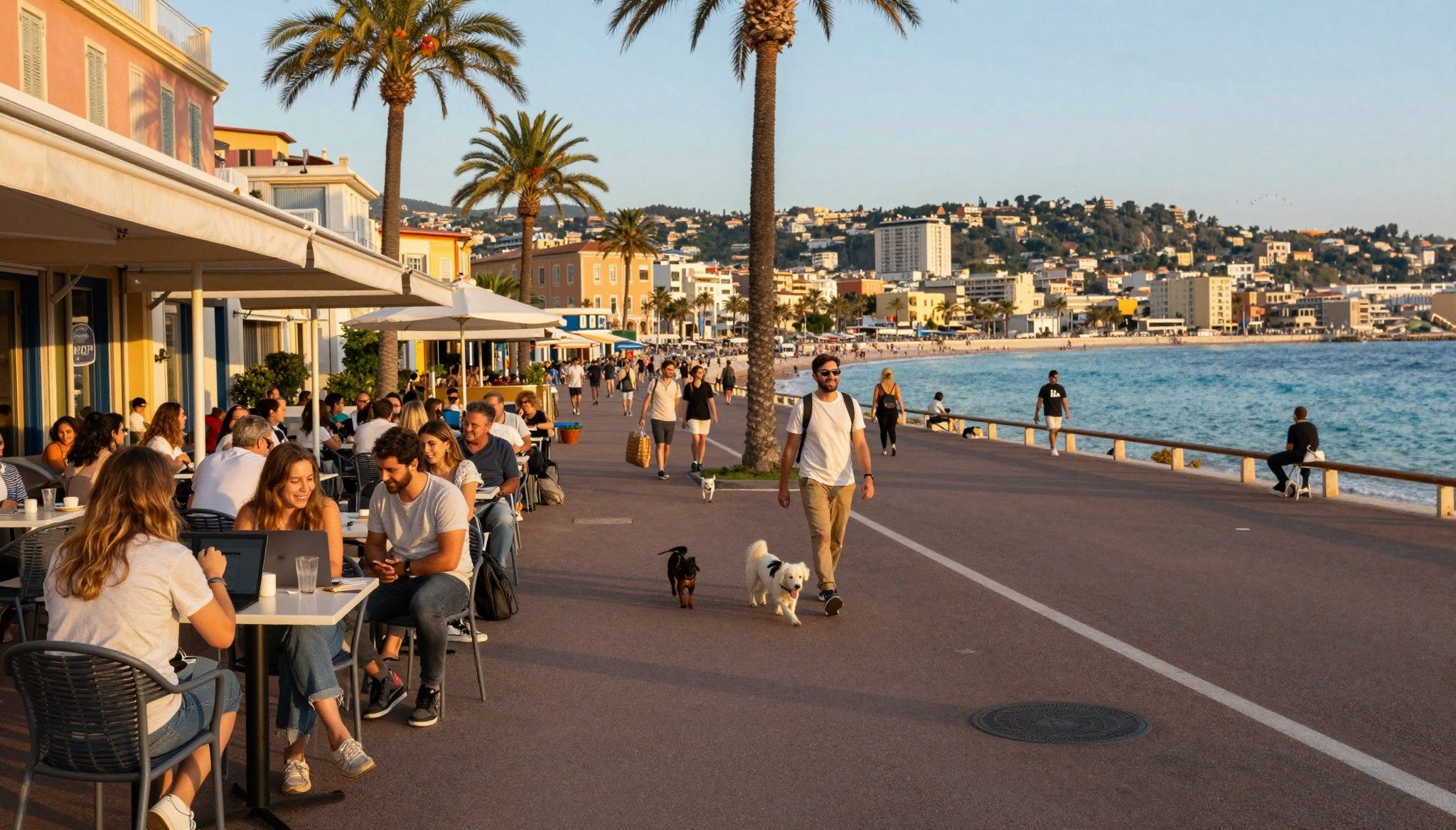
Sliema and St Julian’s are the modern hubs: sleek apartment blocks, seaside promenades, coworking spaces, and cafés that stay open late. If you need fast internet, cafés with power outlets, and an international social scene, these neighborhoods deliver. Paceville brings the liveliest nightlife; pick your street carefully if you want nightlife without noisy windows.
- Lifestyle highlights: Valletta rooftop cafés; Sliema promenade runs; Għajn Tuffieħa sunsets; Marsaxlokk fish market Sundays; independent art spaces in Floriana; evening passeggiata in St Julian’s.
Making the move: lifestyle-first property choices
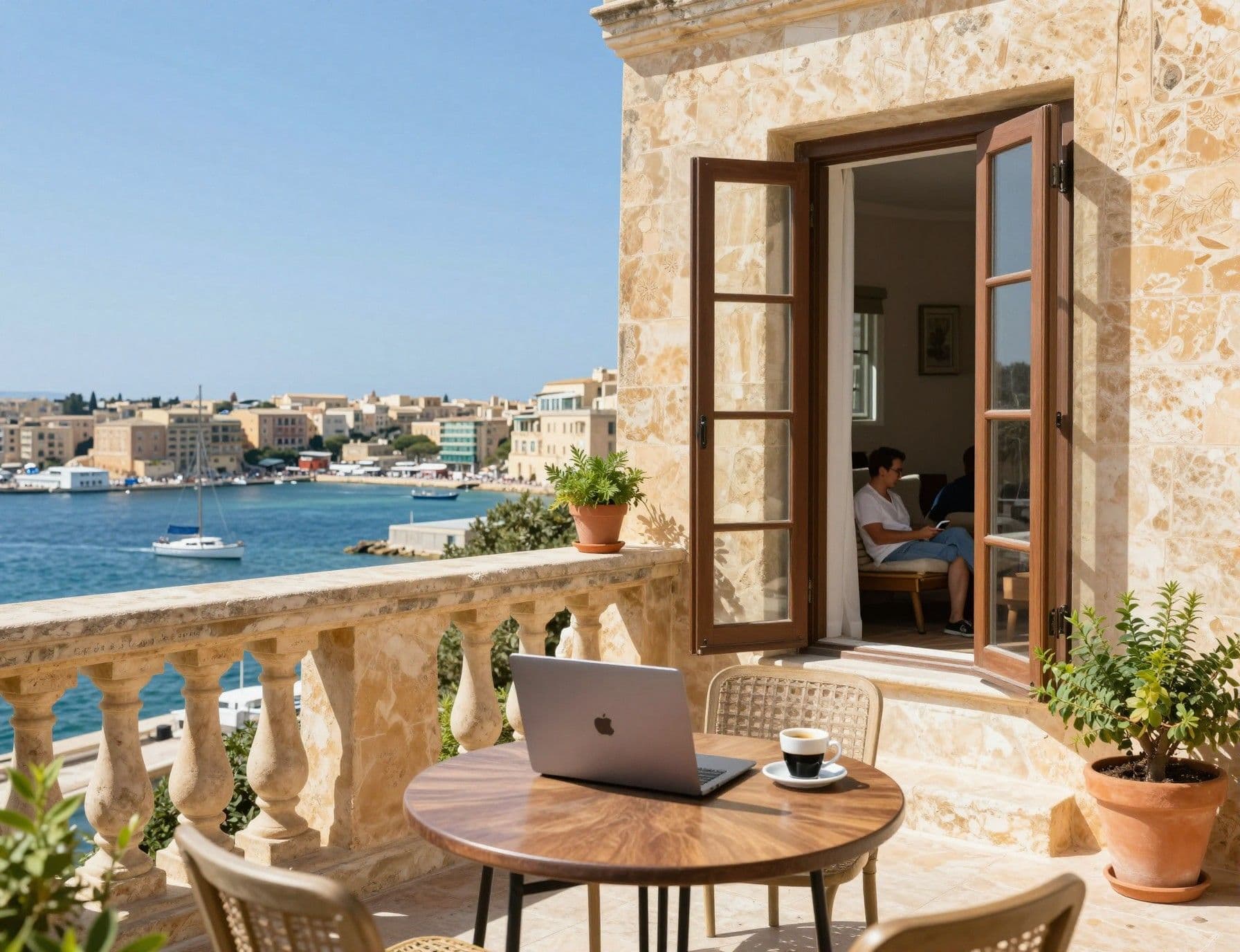
The dream of island living bumps into market reality: Malta’s RPPI and transaction volumes show steady growth over recent years, especially in central and coastal districts. That doesn’t mean you should be priced out — it means strategies matter. Think lifestyle first (neighborhood, commute, sun exposure), then match that to property type and realistic budget. Use market reports and local agents to spot streets where lifestyle beats headline price tags. ([pwc.com](https://www.pwc.com/mt/en/publications/middlemarketbarometer/real-estate-survey-2025.html?utm_source=openai))
Property types: historic maisonettes vs modern apartments
If you crave character, a Valletta maisonette with wooden balconies offers authenticity — but expect renovation and insulation tradeoffs. Modern apartments in Sliema or smart conversions in Pietà give better thermal performance and elevators, which matter for full‑time living. Consider terraces and cross‑ventilation: Malta’s sun and sea breeze are glorious, but summer heat makes shade and shutters essential for comfort.
How local experts map lifestyle to listings
A good local agency doesn’t sell square meters — they sell morning routes, weekend markets, and which streets are quiet after 9pm. They’ll advise on property suitability for remote work (stable fibre access, quiet rooms), on residency routes like the Malta Permanent Residence Programme when relevant, and on building quirks — especially in heritage propriétés where permits for changes matter. Always ask agents about typical connection speeds, neighbour profiles, and past renovation approvals. ([residencymalta.gov.mt](https://residencymalta.gov.mt/wp-content/uploads/2024/09/MPRP-FAQs-V2.6.5.pdf?utm_source=openai))
- Actionable steps when touring Malta for lifestyle fit: 1) Test internet from the apartment at working hours. 2) Walk the morning route to nearby cafés and coworking spaces. 3) Ask locals about summer noise and winter storms. 4) Check terrace orientation for sun and shade. 5) Confirm building consent history for renovations.
Insider knowledge: what expats wish they’d known
Expat buyers often underestimate micro-differences: a street’s slope can add minutes to your commute with groceries; a neighbouring apartment’s shutters determine your morning light; and seasonal tourism rhythms change how busy your neighbourhood feels. Short‑let regulation changes have impacted rental availability and investor behaviour, so if you plan to rent out — check latest local rules and demand patterns. ([globalpropertyguide.com](https://www.globalpropertyguide.com/Europe/Malta/Price-History?utm_source=openai))
Cultural fit: language, community and everyday rituals
Maltese are warm and social; community life centers around churches, markets, and cafés. English fluency makes integration easier — but learning some Maltese opens doors. Weekends are for family gatherings, coastal walks, and fishing‑village lunches in Marsaxlokk. Knowing these rhythms helps you pick a neighbourhood that matches your pace: seek lively streets for social life or tucked lanes for a calmer, local feel.
Longer-term realities: seasons, heat, and property upkeep
Summer is long and bright — perfect for rooftop living but tough on poorly insulated spaces. Salt-laden sea air accelerates wear on metalwork and windows, so budget for maintenance. Over time you’ll trade short‑term novelty for local routines: your favourite late‑night gelateria, the chemist who knows you by name, the handyman who can retile a terrace fast. That local network is gold for sustaining island life.
- Insider tips: test AC and shutters; check terrace waterproofing; ask about neighbour noise after 10pm; prioritise south‑facing terraces for winter sunlight; use local painters for limewash walls.
If Malta’s charm won you over in the first paragraph, remember this: the island gives you a life where history, sea and a modern digital rhythm meet. Start by short stays in the neighbourhood you love, test the commute and connection, and then engage a local agency that frames listings around your life — not only the square meters. When you buy with lifestyle first, the paperwork becomes the easy part.
MoveSettleGoDanish investor and relocation advisor focusing on Portugal and the Algarve; loves coworking culture and expat networks.
Related Articles
More insights that might interest you
 Villa Curated
 The Yieldist
 MoveSettleGo

