Flip the Script: Currency & Banking to Make France Work
How currency moves, French banking and local financing turn a lifestyle dream in France into an attainable property plan—practical steps and sources included.
 MoveSettleGo
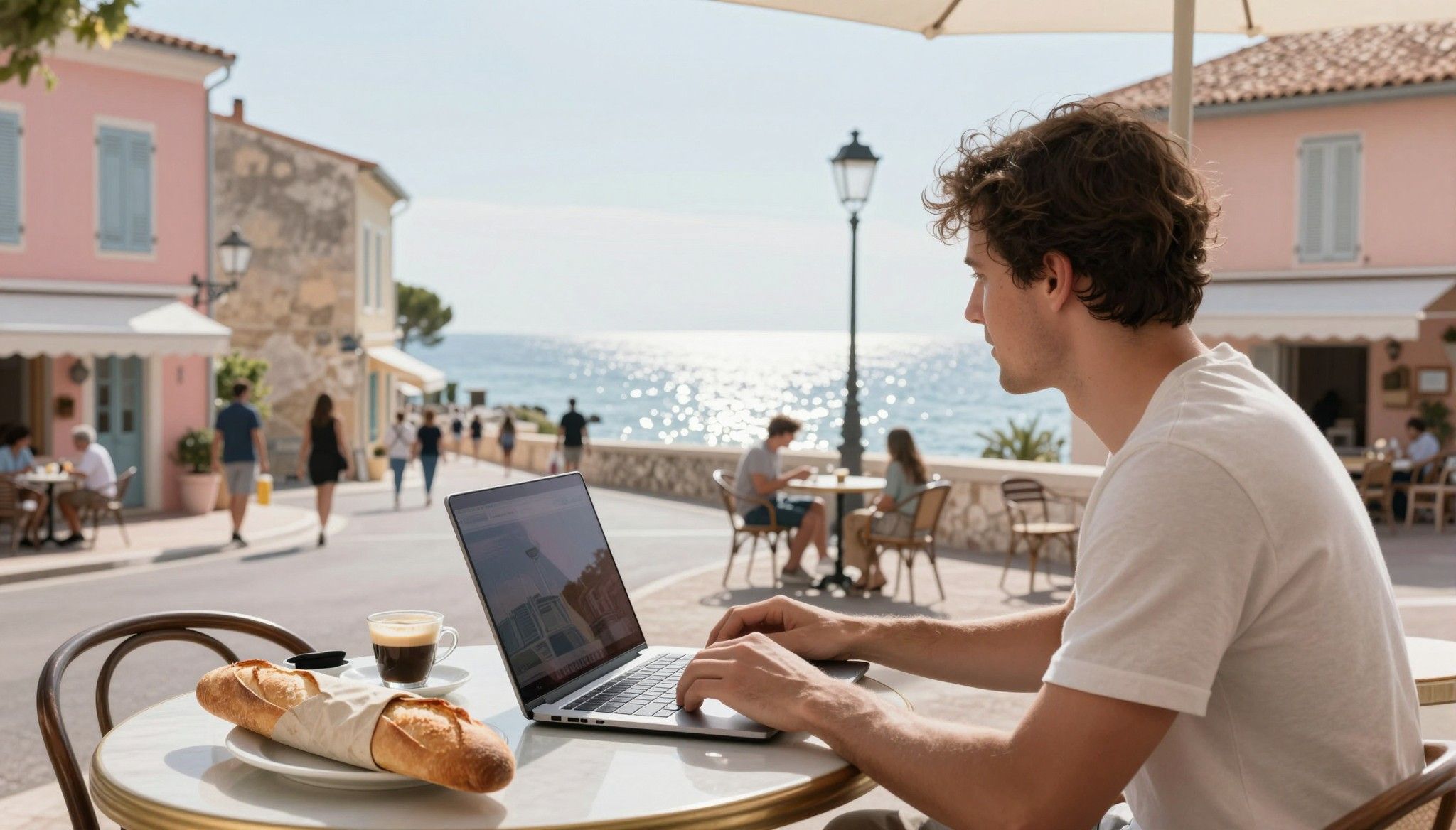
Imagine wandering a Saturday market in Aix‑en‑Provence, buying peaches with euros while your phone shows a perfectly timed currency conversion. That feeling — small, everyday financial wins — is exactly where smart international buyers turn a dreamy French life into a practical advantage. This guide blends the smell of fresh bread, café click‑clack and real banking steps so you can buy with confidence.
Living the France life — sounds, tastes, rhythms
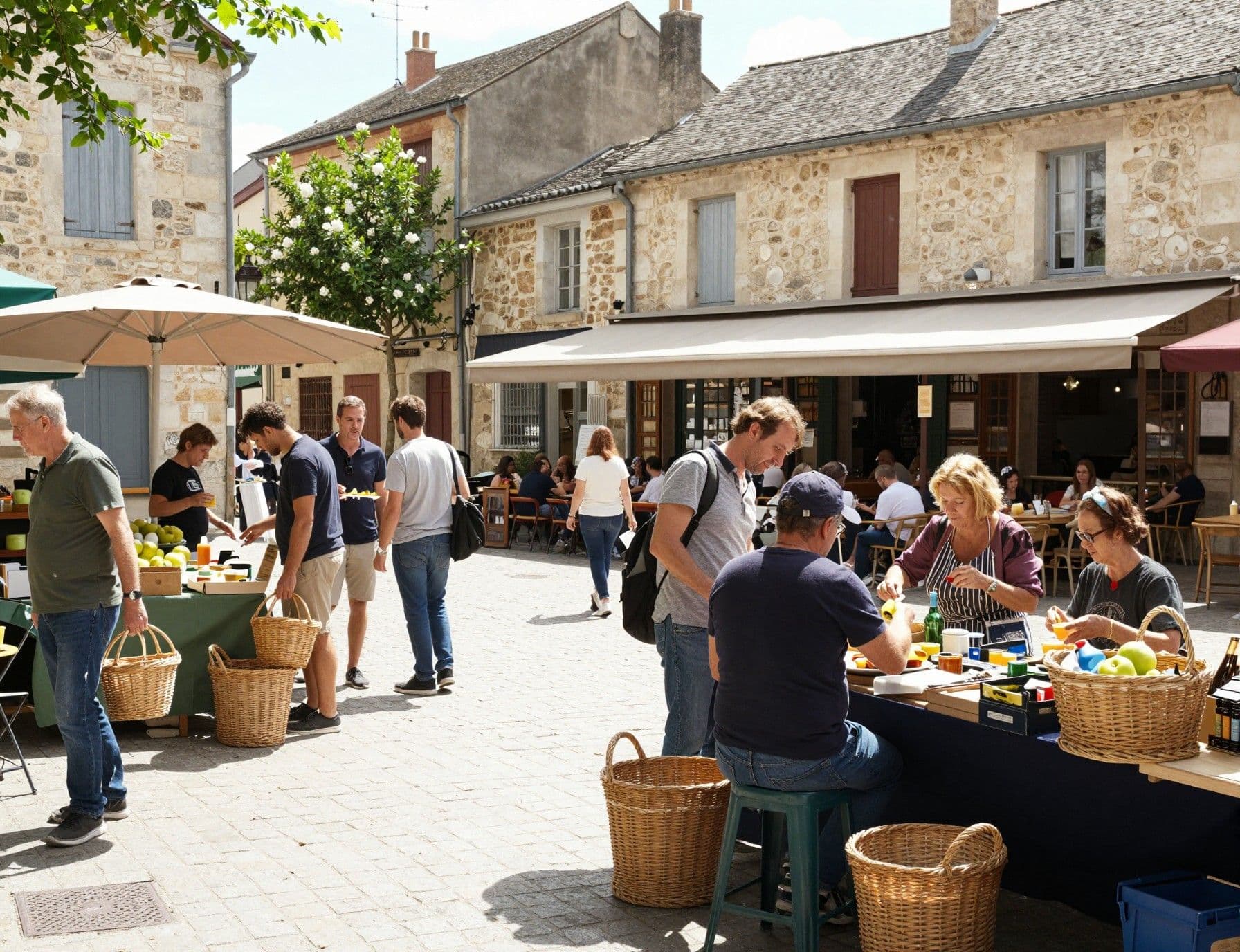
France moves at a pattern: morning coffee at the corner bar, market bargaining by nine, long weekday lunches in small towns, and sunset aperitifs on terraces. Whether you’ll be in a narrow Marais lane in Paris, a sun-baked lane in Collioure, or a Brittany fishing port like Concarneau, daily life is sensory and slow in the best way. For nomads, that rhythm pairs well with a flexible work day and a reliable internet corner café.
Neighborhood spotlight: Paris Marais to Lyon Croix‑Rousse
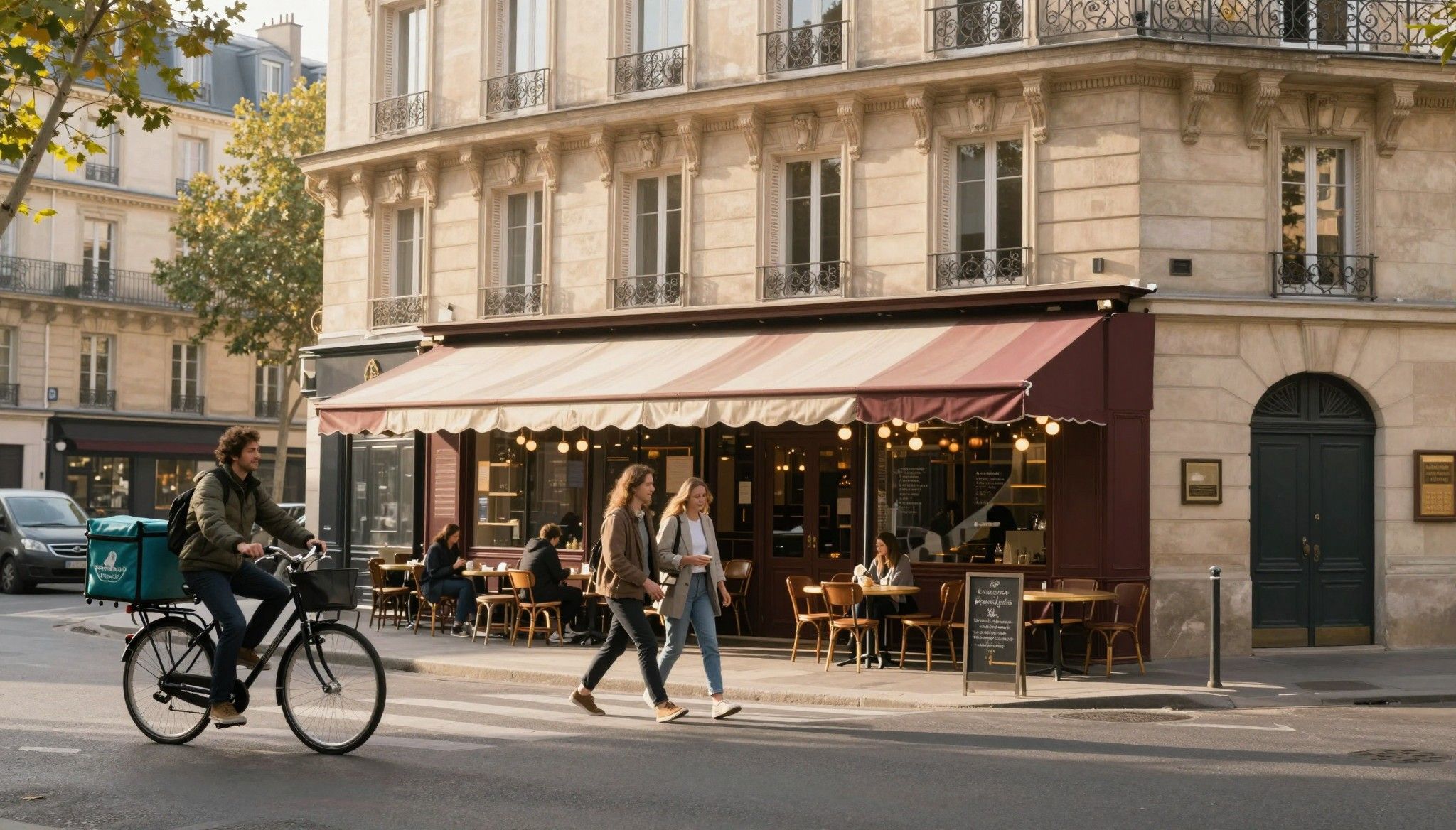
The Marais hums with cafés, boutique bakeries, and thin stone apartments with high ceilings — perfect for weekend walks and slow mornings. In Lyon’s Croix‑Rousse you’ll find markets and laundry lines, a creative community and easy access to coworking spaces. Coastal towns like Biarritz or Cassis trade crowds for surf and seafood; each place has its own daily soundtrack that will shape how you use a home.
Food, markets and the small rituals that make homes in France
Weekends revolve around marchés — produce piled in crates, cheese vendors with handwritten labels, and café terraces where locals read the paper. These rituals are important: proximity to a weekly market or a favorite boulangerie often matters more to quality of life than an extra bedroom. When you tour properties, picture where you’ll buy groceries, sip wine, meet neighbors — lifestyle is the primary filter here.
- Lifestyle highlights: pick-your-poison list
- Morning espresso at Café de Flore (Paris) or a sunlit terrace in Nice
- Saturday marchés: Marché Forville (Cannes), Marché des Capucins (Bordeaux)
- Coastal swims and weekend drives: Cap Ferret, Côte d’Azur coves
- Local coworking: morning catchups, afternoon museum strolls
Making the move: where lifestyle meets money

The dream is easy; the money is procedural. Recent national data shows regional variation in prices and a cooling-and-rebound pattern in many areas. That makes timing, currency strategy and the right banking partner crucial. Below are concrete ways to align your lifestyle goal (sunny terrace, short commute, fast café Wi‑Fi) with financing that supports it.
Property styles and how they shape daily life
A Parisian haussmannien flat gives you walkability and cafés at your doorstep but smaller square metres and higher maintenance. A Provençal village house offers outdoor space and produce markets but may need winter heating upgrades. Match style to routine: if you plan remote work, prioritise natural light, a quiet room for calls, and fast fibre availability rather than period charm alone.
Work with local experts who get nomad money
French banks lend to non‑residents but expect larger deposits and careful documentation. A bilingual mortgage broker and an agent who understands international cash flows will save you weeks. Agencies familiar with expat needs will advise on lender preferences, insurance requirements and whether an SCI (société civile immobilière) makes sense for inheritance planning.
- Practical lifestyle + financing checklist
- Choose a local broker who speaks your language and knows expat documentation
- Lock a currency plan early: consider forward contracts if your funds are in another currency
- Budget for notary fees (approx. 7–8% for older properties), mortgage arrangement fees, and renovation reserves
- Require a DPE (energy performance) check — it affects both cost of living and mortgage terms
Insider knowledge: what expats wish they'd known
Real talk: exchange rates and banking choices quietly decide whether a French life is affordable. A 3–4% swing in EUR⇄USD or EUR⇄GBP can change your deposit or renovation budget. Many experienced buyers use currency specialists, local French accounts, and staggered transfers to avoid buying at the worst moment.
Cultural & practical integration — language, neighbours, services
Learn key phrases early: ‘bonjour’, ‘merci’, and the polite forms open doors. Neighbours expect small courtesies — introduce yourself with a baked good or a short note. For utilities and bank setup, expect paperwork: proof of address, identity, and sometimes proof of income. A local agency can smooth introductions to a notaire and mairie services.
Long-term lifestyle and financial sustainability
Think beyond move‑in: energy renovation affects mortgage terms and monthly bills; proximity to transport and schools affects resale and rental demand; community events keep you connected. Areas with growing local employment and cultural investment often offer steadier long‑term value than short-term tourist hotspots.
- Red flags and quick checks before you bid
- No recent DPE or unclear energy rating (can affect costs and loan conditions)
- Big renovation needs without detailed quotes — ask for phased costs
- Strange ownership structures or missing cadastre documentation — insist on notary checks
- Step-by-step: a currency‑savvy buying timeline
- 1) Start with a local wish‑list and budget in euros. Get a broker/agent to estimate total costs.
- 2) Open a French bank account and talk to mortgage brokers about non‑resident terms (expect 20–30% deposit).
- 3) Lock currency via specialist forwards or staged transfers if your funding is in another currency.
- 4) Use a notaire early to flag title, servitudes and tax implications before signing the compromis de vente.
- 5) Close with local transfers, confirm insurance (assurance emprunteur) and register with the mairie where needed.
Conclusion: fall in love, prepare like a pro
France is a daily‑life romance: markets, cafés and coastline mornings. Finance is the backstage crew that makes the show run. Use local brokers, a currency plan, and a notaire early, and you’ll buy the life you want, not just a pretty façade. When you’re ready, choose an agent who understands both the rhythm of your days and the paperwork of French money.
MoveSettleGoNorwegian who has helped 200+ families relocate from Oslo to Spain; expert in relocation services and community integration.
Related Articles
More insights that might interest you
 Villa Curated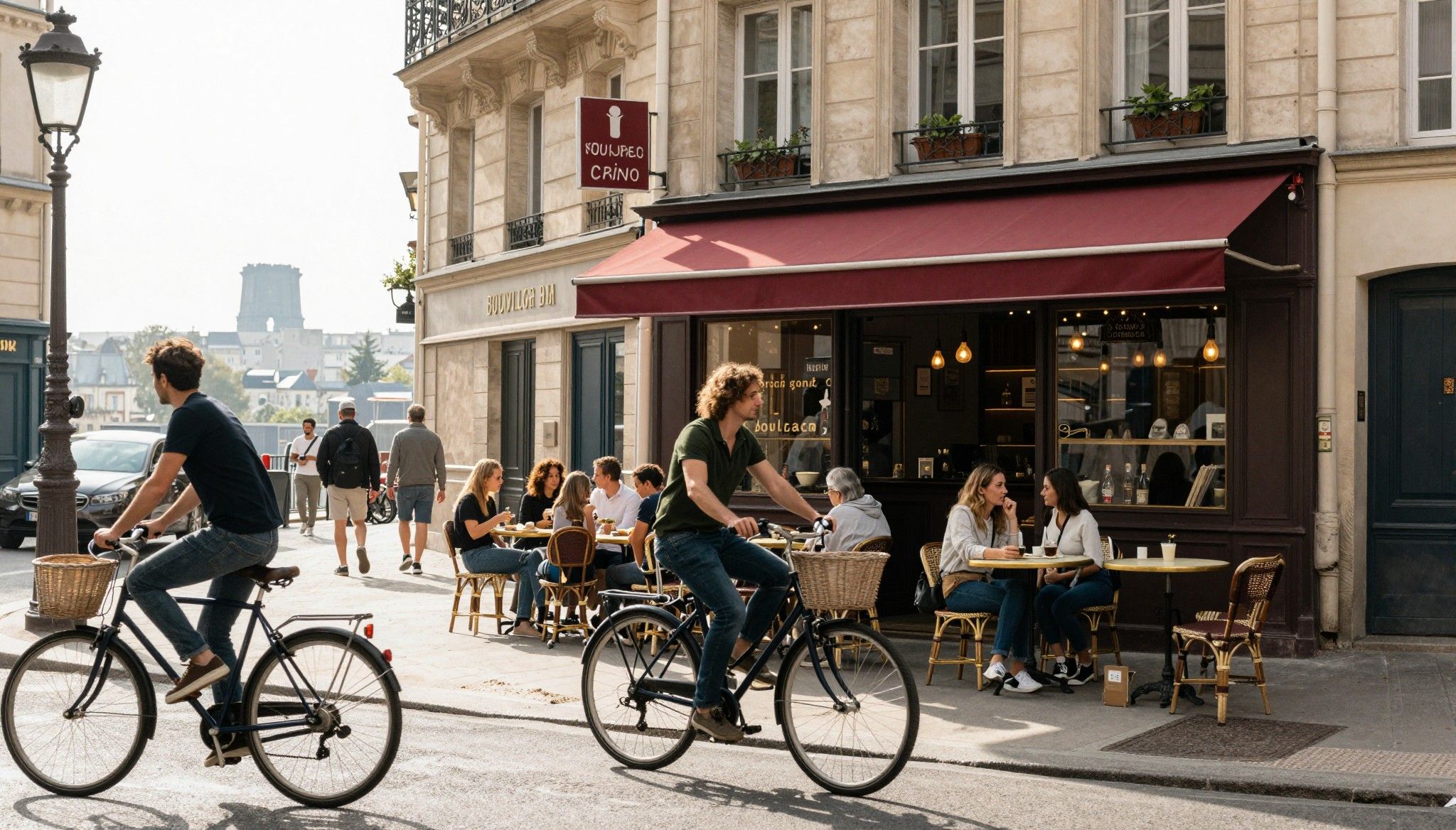
 The Yieldist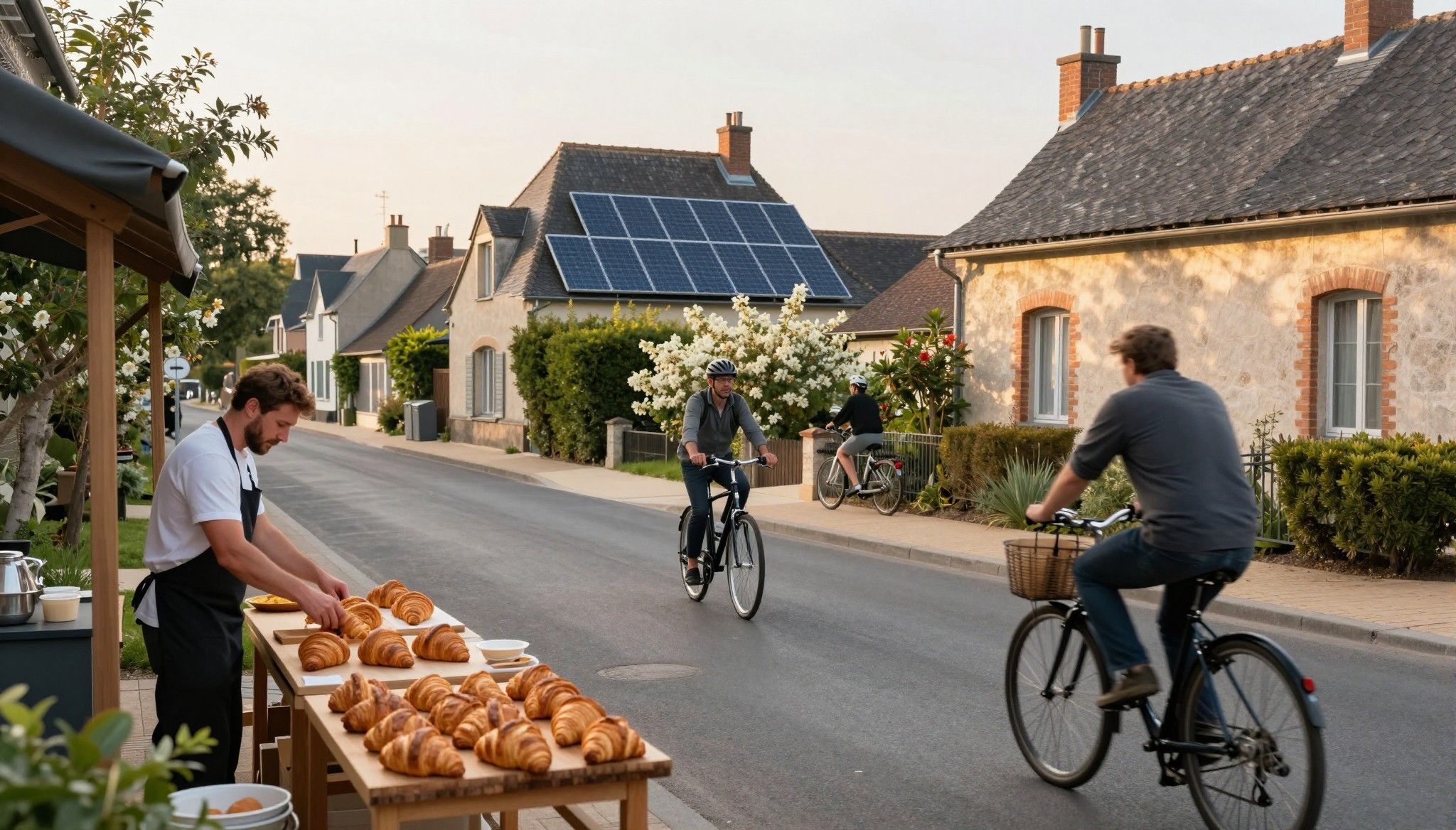
 Moss & Hearth
