Croatia: Seasonal Living, Land Rules & Stewardship
Fall for Croatia’s seasons, markets and culinary life, then buy with stewardship: know land rules, seasonal realities and sustainable upgrades that protect value.
 Moss & Hearth
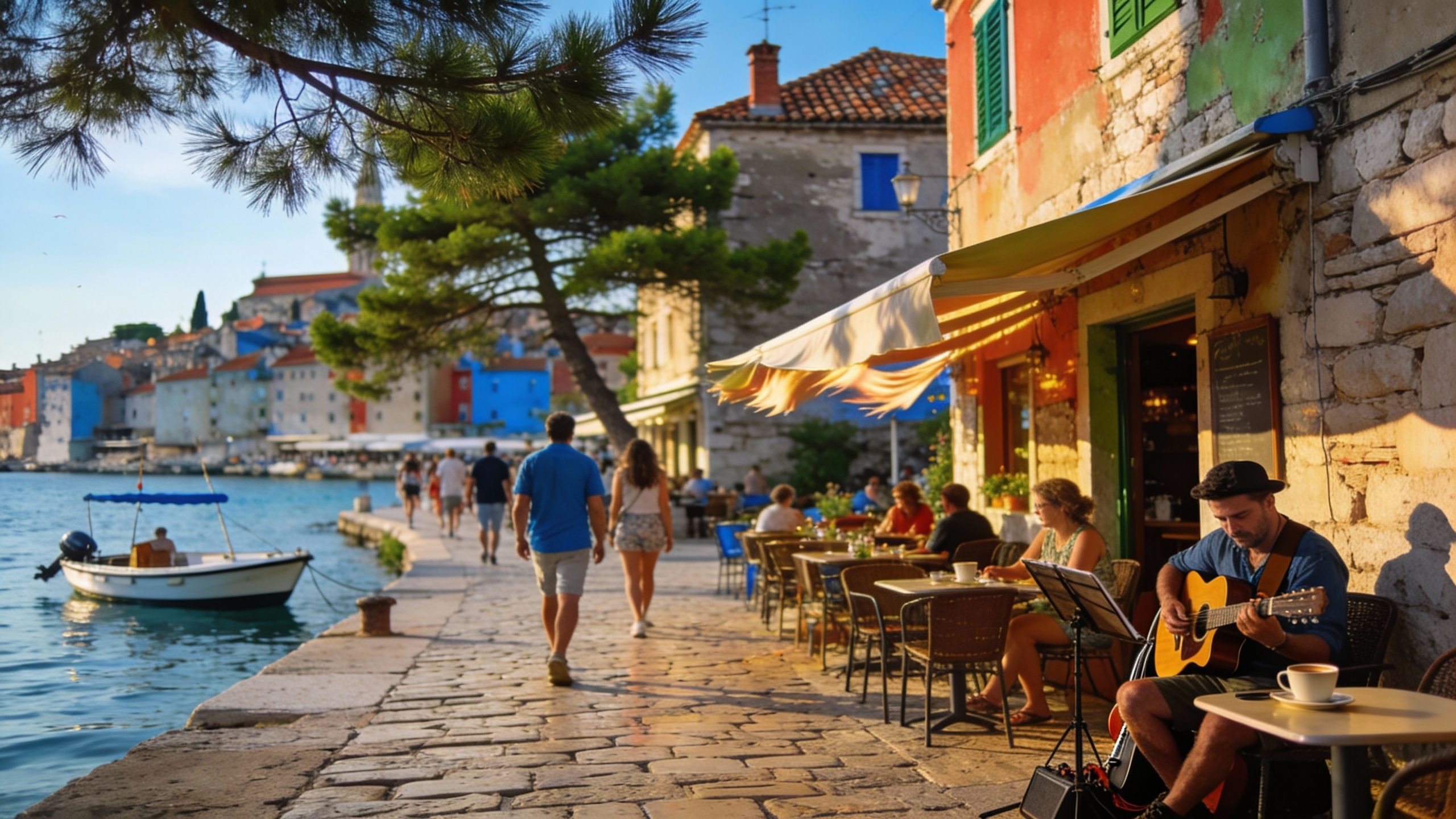
Imagine a slow morning in Split: espresso steam rises beneath shuttered stone facades, fishermen carry a fresh catch past a market stall spilling citrus and wild greens, and the Adriatic glints like fractured glass. In Croatia, days begin and end with the coast, vineyards or chestnut forests — and a palpable respect for seasons. For international buyers who prize sunlight, stone, and a life anchored to nature, Croatia’s mix of island hush, medieval streets and regenerative agrarian culture is intoxicating. But the romance meets rules: price growth, land categories and residency nuances shape whether that dream fits reality, and the right local guidance keeps stewardship at the centre.
Living the Croatia lifestyle
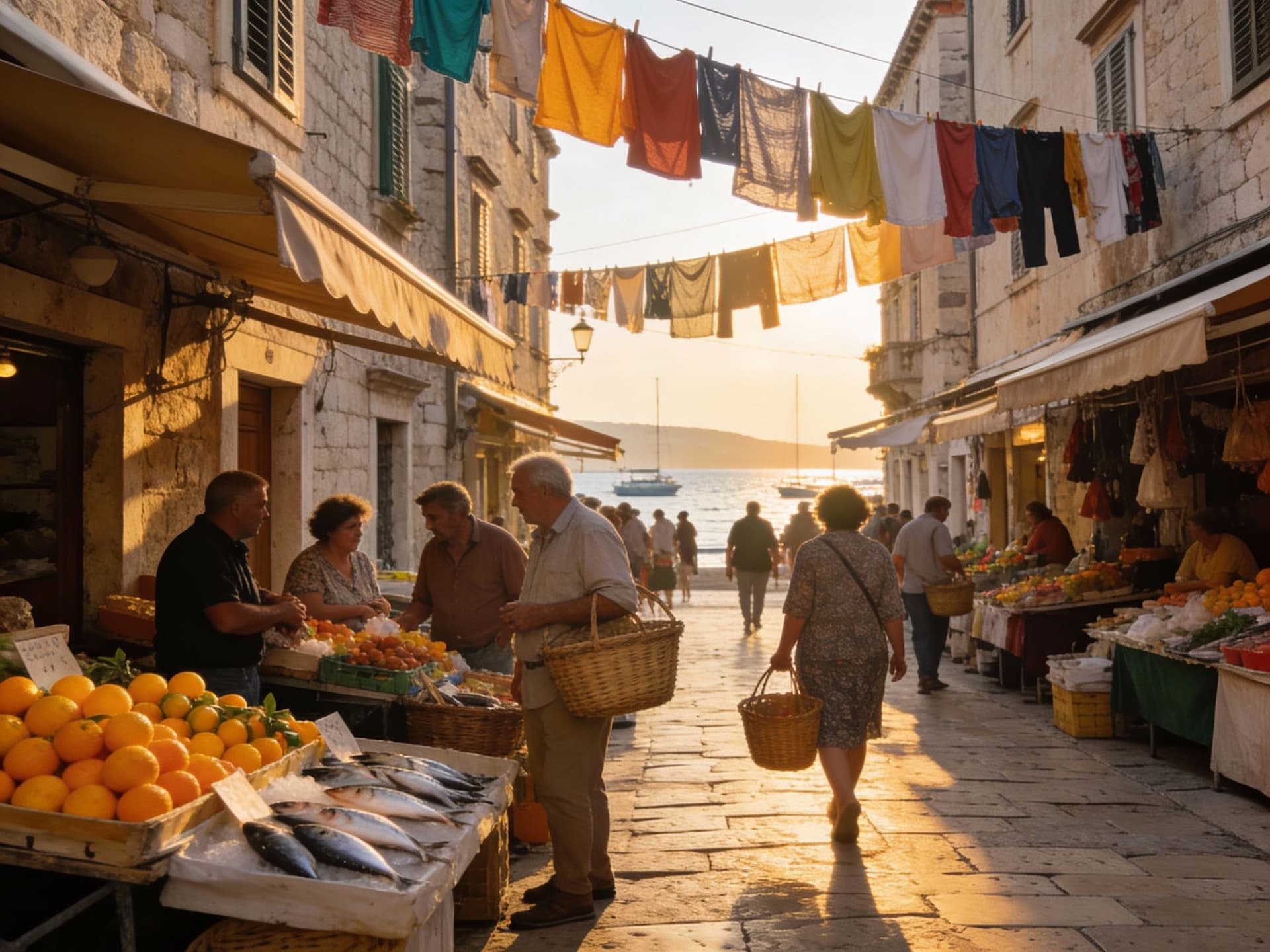
Life here is tactile: pebble beaches warmed by afternoon sun, laundry lines in stone alleys, and markets that set the rhythm of the week. Coastal towns such as Rovinj, Hvar and Opatija pulse in summer with cafés and concerts, while inland Istrian hamlets and Slavonian plains slow down into long lunches and seasonal harvests. Recent market reports show coastal prices and demand remain strong, especially for sea-view homes, which helps explain why lifestyle-minded buyers often prioritise small renovations and passive‑solar tweaks over speculative flips. If you love outdoor cooking, vineyard walks and neighbours who barter instead of text, Croatia rewards a life lived in tune with place.
Coastal neighbourhoods: stone, sea and late-night cafés
Walk Lapad in Dubrovnik at dusk and you’ll understand coastal living: promenades lined with pine scent, locals playing bocce, and apartments with shutters that open to salt-sweet air. In Split, Varoš and Žnjan show two faces — Varoš folds into medieval lanes and neighbourly markets, while Žnjan leans newer, breezy and family-friendly. On Istria’s coast, Rovinj’s old town offers cobbled intimacy and thriving artist studios, whereas Pula’s promenade is quieter and more local. These micro-differences matter for daily life: café choices, school runs, weekend anchoring points and whether your windows frame boats or chestnut trees.
Food, markets and the social calendar
Mornings often unfurl at green-market stalls: truffles in Istria, olive oil tastings in Dalmatia, slow‑roasted fish at seaside kafanas. The cadence of markets and village feasts keeps community alive; festivals in summer — from Šibenik’s music nights to Hvar’s blossom fairs — shape property desirability and the social life new residents crave. Transaction data shows coastal counties account for a large share of foreign interest, which means your neighbourhood choice determines both social access and stewardship responsibilities. For eco-minded buyers, buying near producers and participating in local food cycles is both joyful and practical.
Lifestyle highlights
Morning espresso at Split’s Riva, followed by a walk through Diocletian’s shaded corridors
Saturdays at Dolac market in Zagreb for seasonal produce and artisan cheeses
Sunset swims off a pebble cove on Brač, then grilled fish and local white wine
Making the move: practical considerations
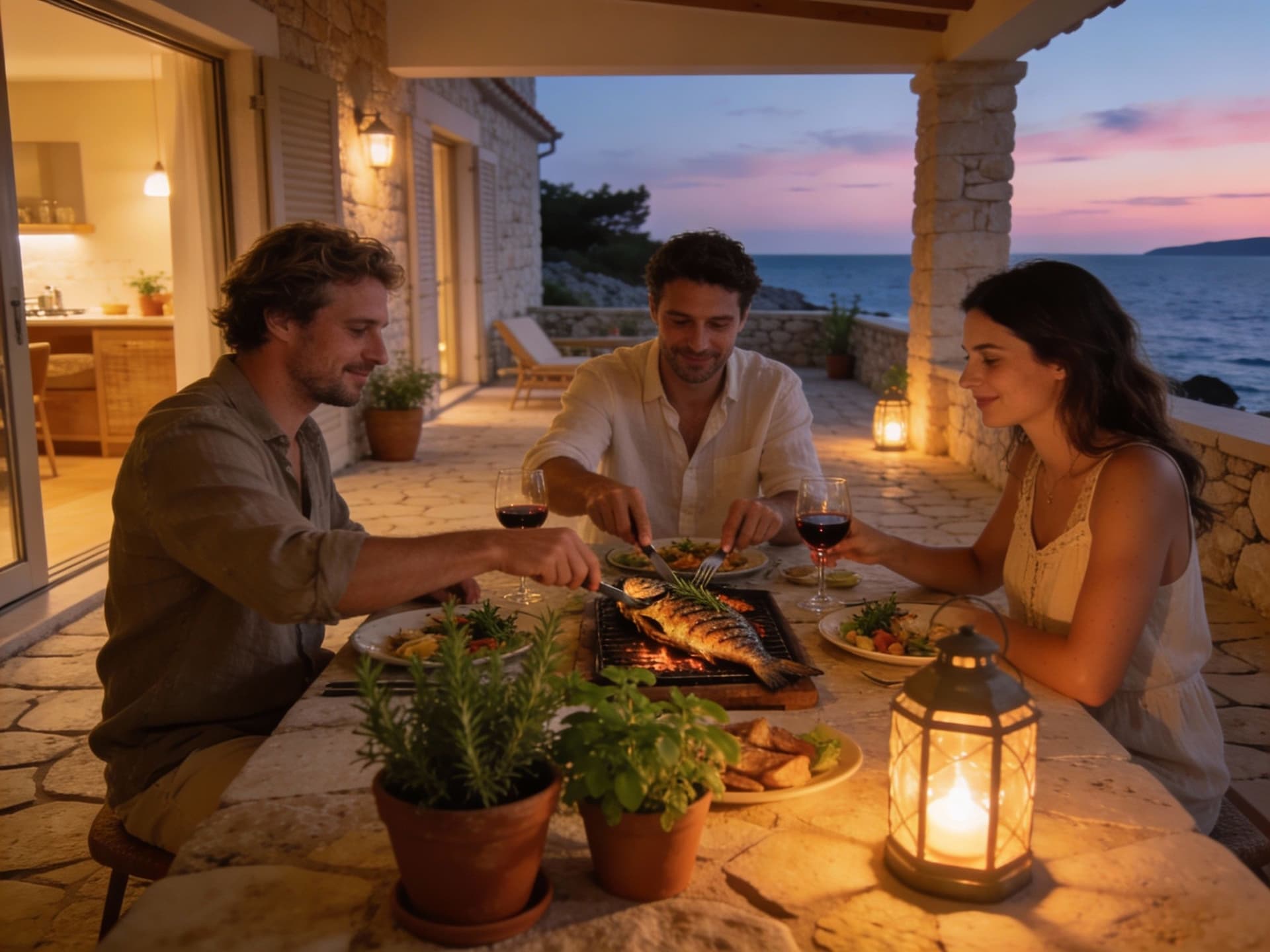
The dream of stone walls and sea air meets legal realities: EU citizens enjoy fewer formal steps, while third‑country nationals face a reciprocity system and sometimes ministry approval. You don’t need residency to buy, and many sellers accept remote closings through power of attorney, yet ownership does not equal the right to permanent residency or to private beaches — the maritime domain remains public. A local lawyer and agent who understand land classification and the Ministry of Justice process will save months and guard against surprises.
Property types & how they shape daily life
A stone Istrian villa with terraced olive groves offers privacy and food‑producing land, whereas a seaside apartment trades land for the daily soundtrack of boats and cliffside sunsets. Coastal sea‑view properties carry a premium: recent analyses show large per‑m² differences between inland and Adriatic locations, and buyers often choose modest indoor square metres in exchange for outdoor terraces and views. Consider solar orientation, rain capture and simple retrofits — thermal shutters, insulation and PV-ready roofs — to align the home with a low‑impact lifestyle and reduce running costs.
Working with local experts who value place
Steps to blend lifestyle wishes with local process:
1. Start with a lifestyle map: list your non-negotiables (market proximity, sea view, garden) and let an agent show you neighbourhoods at different times of day.
2. Commission a local legal check early: land registry, encumbrances and agricultural classifications can be decisive — especially if a plot was once registered as arable land.
3. Prioritise adaptations that enhance seasonality: passive cooling, rainwater harvesting and native-plant gardens support year-round comfort and lower bills.
Insider knowledge: what expats wish they'd known
Many newcomers arrive charmed, then learn the quiet rules: neighbourhoods sleep early in winter, municipal services vary widely between islands and the mainland, and language matters for integration. Expats who engage in local markets, seasonal volunteer harvests and neighbourhood events find friendships faster than those who stay within expat bubbles. Practicalities like winter heating, water storage for dry summers and municipal waste sorting are small habits that shape your daily comfort and environmental footprint.
Cultural integration and community rhythms
Croatians value reciprocity: return invitations, learn simple phrases, support local producers and you’ll be accepted. Town squares host life after work and on weekends — join a klapa concert, a village truffle hunt or a seaside clean-up and you’ll meet people who care about place. For families, small-town schools can be tight-knit and attentive, but international school options cluster in Zagreb and larger coastal towns; factor schooling into neighbourhood choice if you’ll be here year-round.
Long-term stewardship: think beyond the sale
Croatia’s market shows continued growth in quality projects and tourism-driven demand, which means stewardship decisions — energy upgrades, native landscaping, respectful short‑term rental management — protect both the place and your asset. Local agencies with green expertise can advise on solar permits, rainwater systems and traditional materials like Istrian stone or Dalmatian timber that age beautifully and reduce embodied carbon. Think of your purchase as joining a living system: small investments in sustainability often pay back in wellbeing and long‑term value.
Red flags to watch for
Ambiguous land use — especially plots listed as agricultural without clear conversion permissions
Missing registry entries or unresolved ownership disputes
Promises of private beach access or exclusive coastline ownership
Steps to take next
1. Visit neighbourhoods off-season to feel year-round life, not only summer postcards.
2. Line up a Croatian-speaking lawyer early; ask them to check registry entries and possible ministry consents for third‑country buyers.
3. Ask potential agents for examples of sustainable retrofits they’ve sourced — solar arrays, greywater systems or native landscaping — and contact local installers for quotes.
Conclusion: If you can taste the adriatic salt in your imagination, Croatia can be more than a holiday; it can be a life shaped by seasons, markets and neighbours. Start with a clear lifestyle map, bring lawyers and green‑minded agents into the conversation early, and prioritise stewardship upgrades that make the home both gentler on the landscape and more resilient to seasonal shifts. When the practical steps are done well, the rest of the country’s quiet magic — chestnut woods, market mornings and pebble cove swims — becomes simply yours to savour.
Moss & HearthBritish expat who traded Manchester for Mallorca in 2017. Specializes in guiding UK buyers to luxury Spanish estates with clear navigation of visas and tax.
Related Articles
More insights that might interest you
 Villa Curated
 The Yieldist
 The Yieldist

