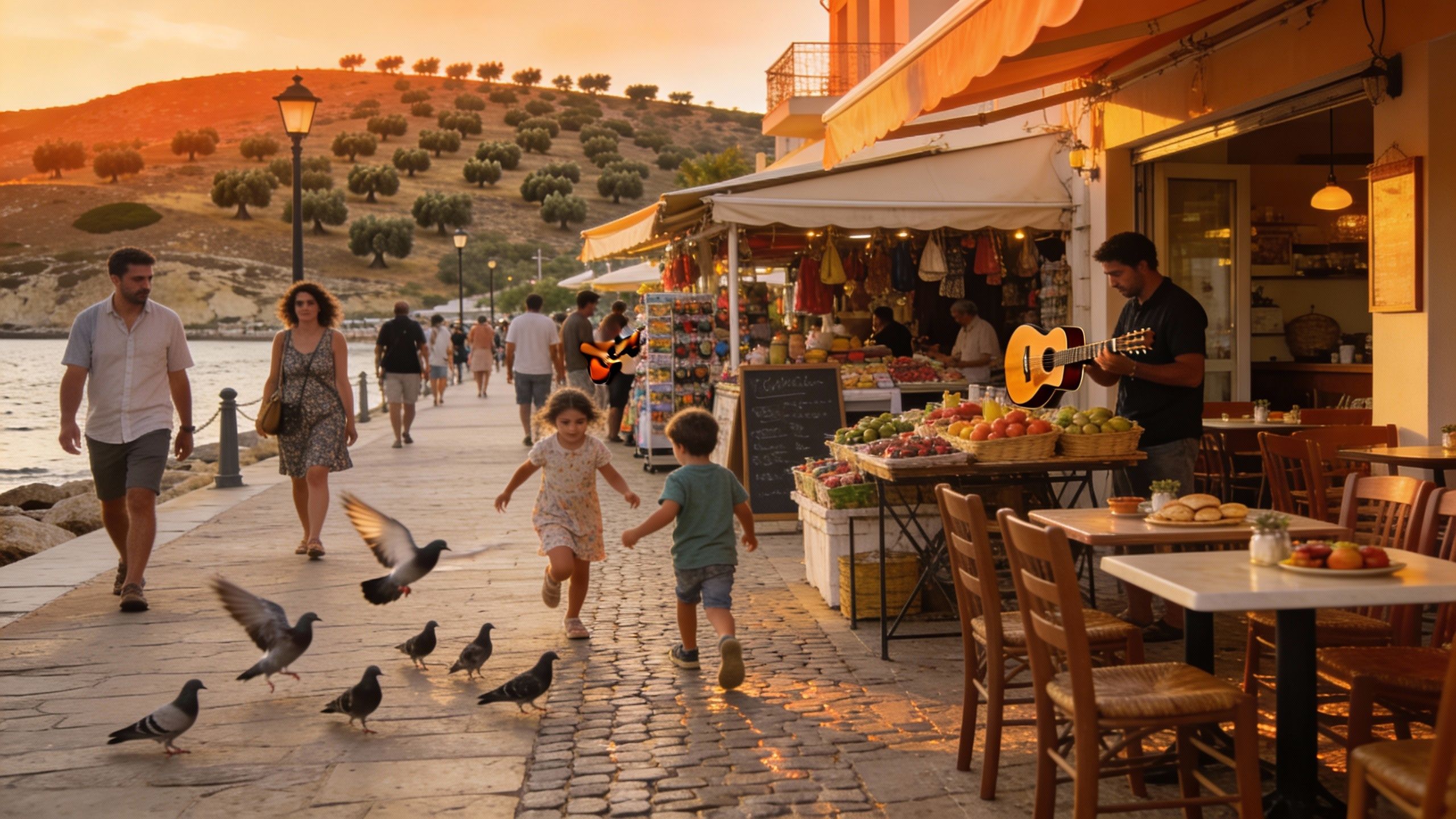
The Cyprus Neighbourhoods Outsiders Overlook
Experience Cyprus’s lived-in neighbourhoods and match lifestyle-first choices with smart, sustainability-minded property checks backed by recent market data.
 Moss & Hearth
Imagine waking to the smell of baking halloumi and an early-morning breeze off the Mediterranean, then walking five minutes to a café on a street where the locals still buy fish by the kilo. That is a weekday in many parts of Cyprus — sunlight, convivial small-scale commerce, and a regionally rooted pace that makes even practical chores feel like living. For international buyers who care about sustainability and tangible community life, Cyprus offers more than sea views: it offers ways of living that nudge you toward lower-impact routines, seasonal food, and neighbourly exchange.
Living the Cyprus rhythm: neighbourhoods that bring you home
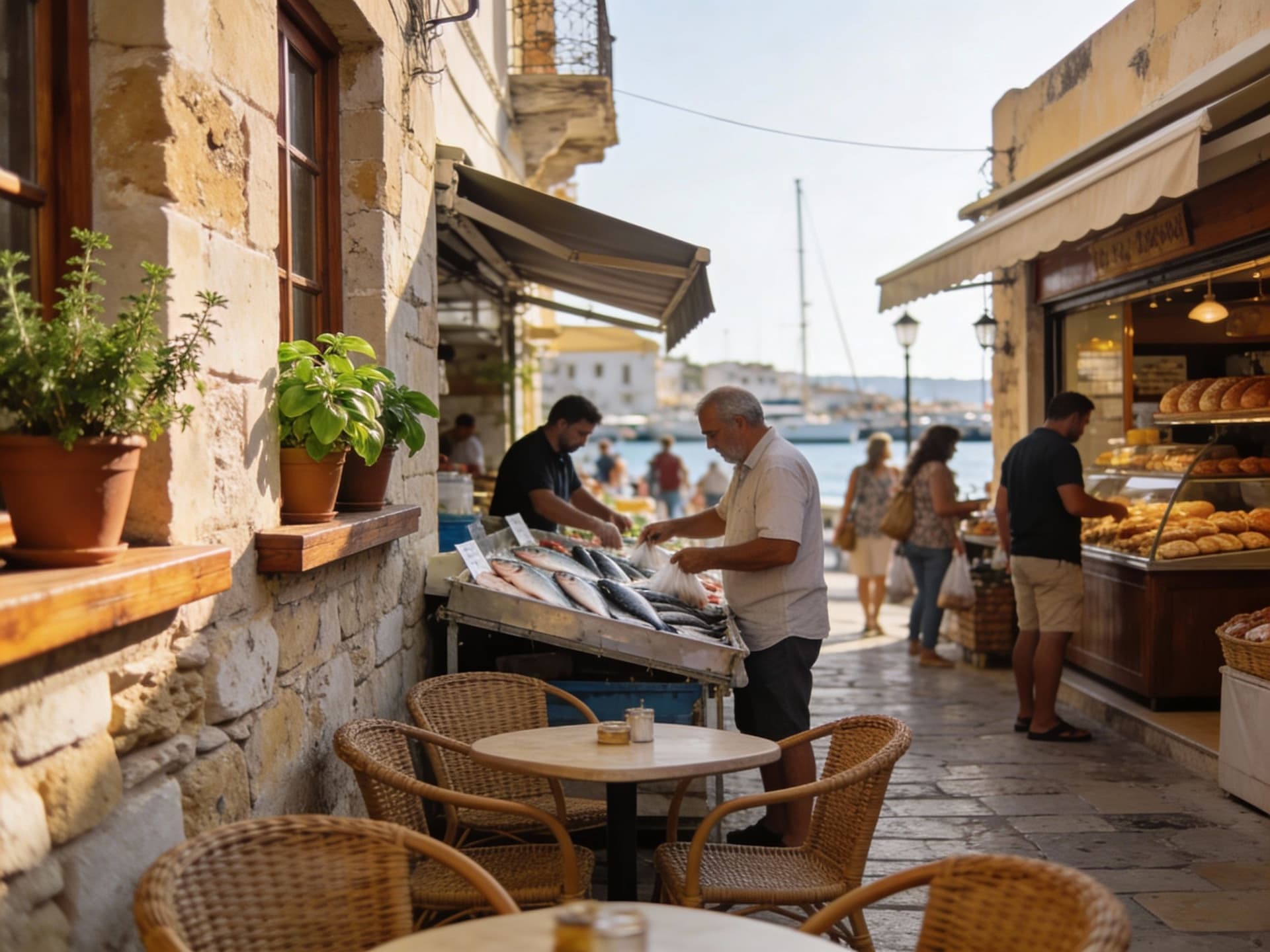
Cyprus is not one uniform postcard. Coastal Limassol hums with yacht moorings and boutique cafés, while Paphos hangs on to slower rhythms in narrow stone streets. Larnaca’s seafront promenade and its old town cafés feel lived‑in and adoptable, and Nicosia’s tree‑lined avenues host a quieter urban life anchored by markets and neighbourhood bakeries. Each place shapes how you eat, move, and steward the land around your home — so choose a neighbourhood as you would choose a way of life.
Limassol: seaside energy with green pockets
Walk along Molos at dawn and you’ll find runners, fishermen mending lines, and cafés serving thick espresso. Limassol’s luxury developments sit beside community gardens and municipal green corridors; here, modern apartments with solar-ready roofs coexist with family-owned tavernas. If you want lively cultural life and proximity to business, Limassol gives you both — but expect higher prices and to pay a premium for genuinely low‑impact finishes.
Paphos & Larnaca: coastal calm, surprising value
Paphos channels village feeling into coastal life: narrow lanes, olive trees, and a strong expat community that favours house renovations over new builds. Nearby Larnaca pairs a compact old town with airport convenience and growing coastal regeneration projects — a mix that attracted some of the strongest price growth in early 2025. These districts often reward buyers who prioritise restoration, passive cooling and courtyard gardens over glossy seafront facades.
- Neighbourhood highlights to taste the life:
- Morning espresso at Molos, Limassol; evening fish at Paphos Harbour; Larnaca’s leisurely paseos along Finikoudes; farmers at the Nicosia Municipal Market; hidden bakery on Archiepiskopou Makariou III street.
Making the move: lifestyle-driven practicalities
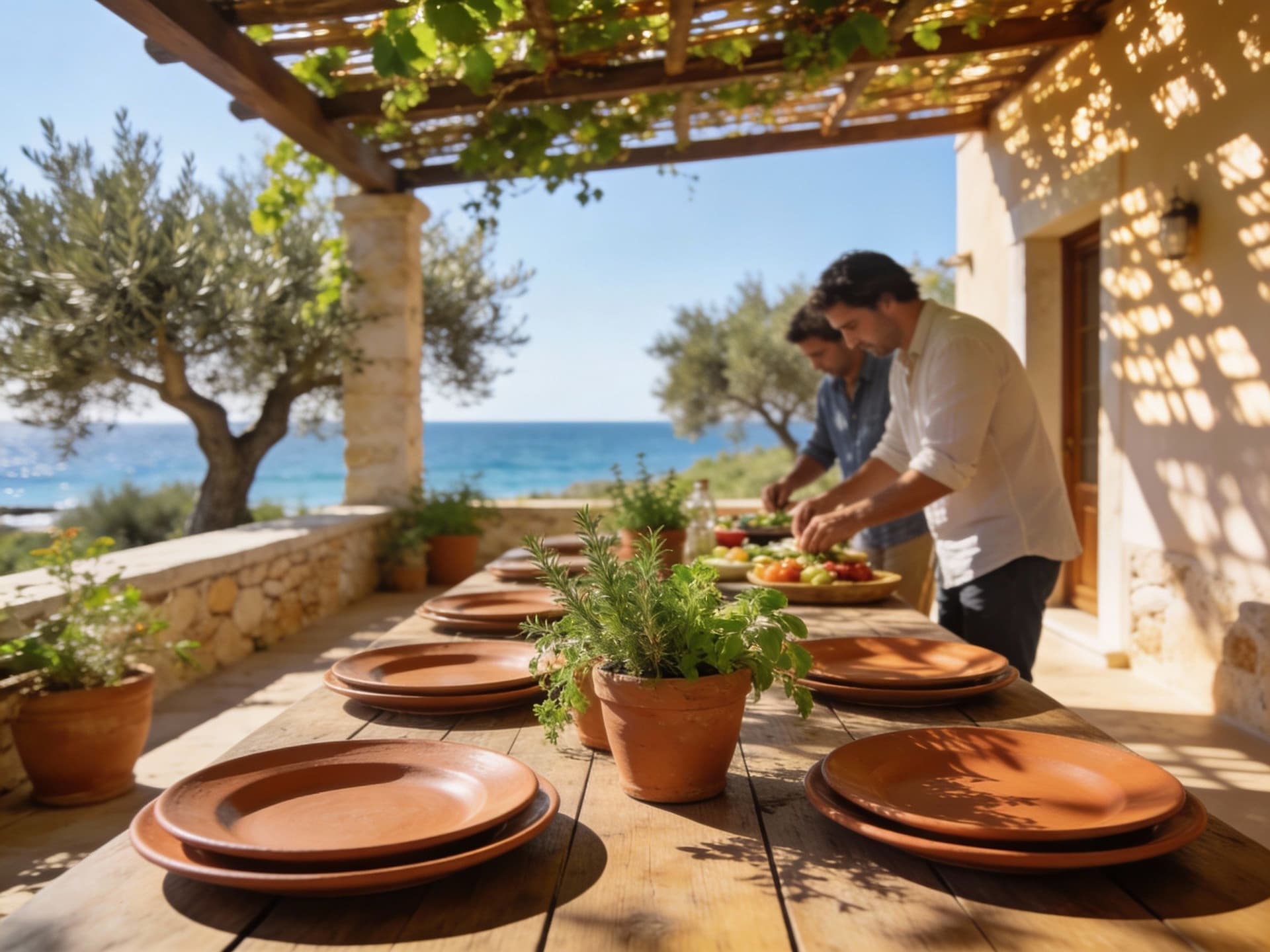
Dreaming of the slow life is one thing; getting the keys is another. Cyprus’s market showed resilience through 2024–25, with robust transaction values and regionally varied activity. Local data show coastal districts remain strong for foreign buyers, while inland and older neighbourhoods offer unexpected value. Work with data — look at recent transaction volumes, the type of properties selling in each district, and whether an area is attracting regeneration funds or infrastructure upgrades before you commit.
Property types and how they shape life
Modern seafront apartments grant easy maintenance and rental flexibility; traditional stone houses with courtyards invite seasonal living, food-growing and passive cooling. If sustainability matters, prioritise thick masonry or shaded terraces, north‑facing courtyards, opportunities for rooftop photovoltaics, and rainwater capture — these features change both monthly bills and the joy of living here.
How local experts translate lifestyle into listings
A neighbourhood-savvy agent will point out which streets get sea breezes at night, where building regulations allow rooftop solar, and which blocks have functioning community gardens. Choose an agency with local repair networks and green‑building experience so your home’s systems (solar, greywater, native planting) are practical, permitted, and low‑maintenance.
- Steps to match lifestyle with a property (practical + sensory):
- 1) Spend three days in a neighbourhood at different times of day — morning market, siesta hour, evening — to see rhythms.
- 2) Ask sellers/agents about energy bills, cooling strategies, and any existing PV systems; compare across similar properties.
- 3) Check building permit histories and recent renovations — traditional materials are great, but confirm structural and insulation upgrades.
Insider knowledge: what expats wish they’d known
Expat buyers often arrive with a sea‑view fantasy and walk away loving a shady street where neighbours trade excess citrus. The real adjustments are small and sensory: learn the rhythm of siesta, expect slower bureaucracy for some permits, and discover that community ties — not expensive finishes — make a house feel like home. Many wish they’d prioritised yard space, native landscaping and good shutters over a glossy kitchen.
Language, customs and daily integration
English is widely spoken, especially in service sectors and coastal towns, but learning basic Greek phrases — greetings, market bargaining, polite refusals — opens doors. Attend a local festival, bring pastries when visiting new neighbours, and use community workshops to learn traditional building repair; these small acts accelerate belonging and deepen stewardship of place.
Longer view: living lightly and stewarding your plot
Think beyond purchase price: plan for native plantings that need less water, design terraces to harvest breeze and shade, and consider phased retrofits for insulation and energy. Over a decade, these choices reduce costs and preserve the very landscape that drew you here.
- Red flags to watch for (local + green):
- Unregistered extensions, lack of drainage plans, no proof of solar-ready roof or shading, properties on steep erosion-prone slopes, and areas without clear waste‑water plans.
Buying in Cyprus is as much about embracing seasons and people as it is about brick and mortar. Picture yourself planting a lemon tree in autumn, harvesting herbs in spring, and exchanging olives with a neighbour — those routines come from the land and the local culture, and good buying choices make them possible.
Next steps: visit with a local guide, prioritise neighbourhood rhythms over Instagram-ready views, and ask agencies for sustainability records (energy bills, PV installations, rainwater systems). With the right local partner, you won’t just buy property in Cyprus — you’ll adopt its seasonal life.
Moss & HearthSwedish advisor who left Stockholm for the Costa Brava in 2019. Specializes in sustainable, sea‑view homes for Scandinavian buyers and green finance insights.
Related Articles
More insights that might interest you
 Villa Curated
 The Yieldist
 The Yieldist

