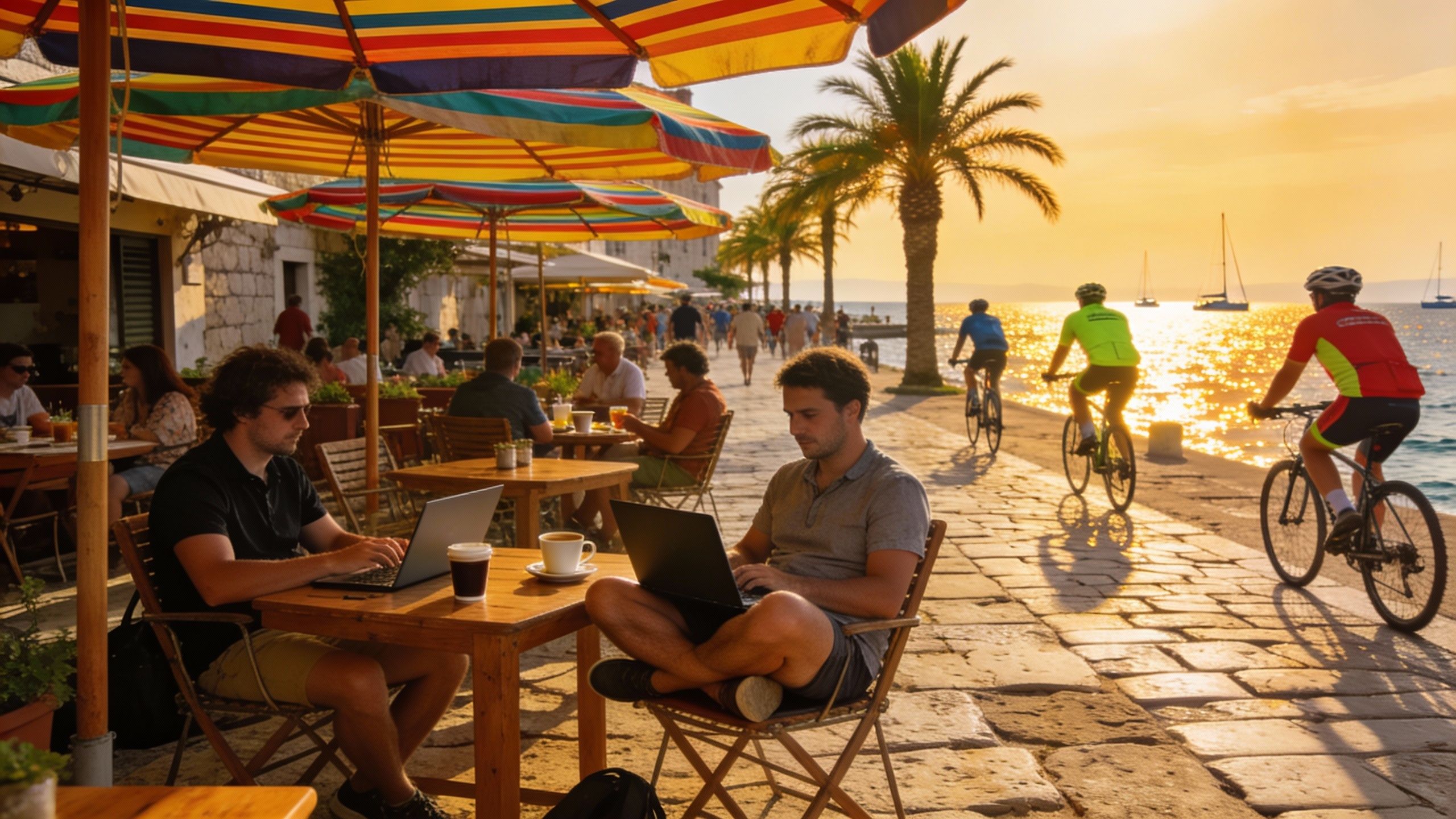
Croatia: Budget for the Life You Want, Not Just the Price
Fall for Croatia’s seaside mornings, then budget like a pro: use official house‑price data, plan for the 3% transfer tax and seasonality, and prioritize internet and logistics.
 MoveSettleGo
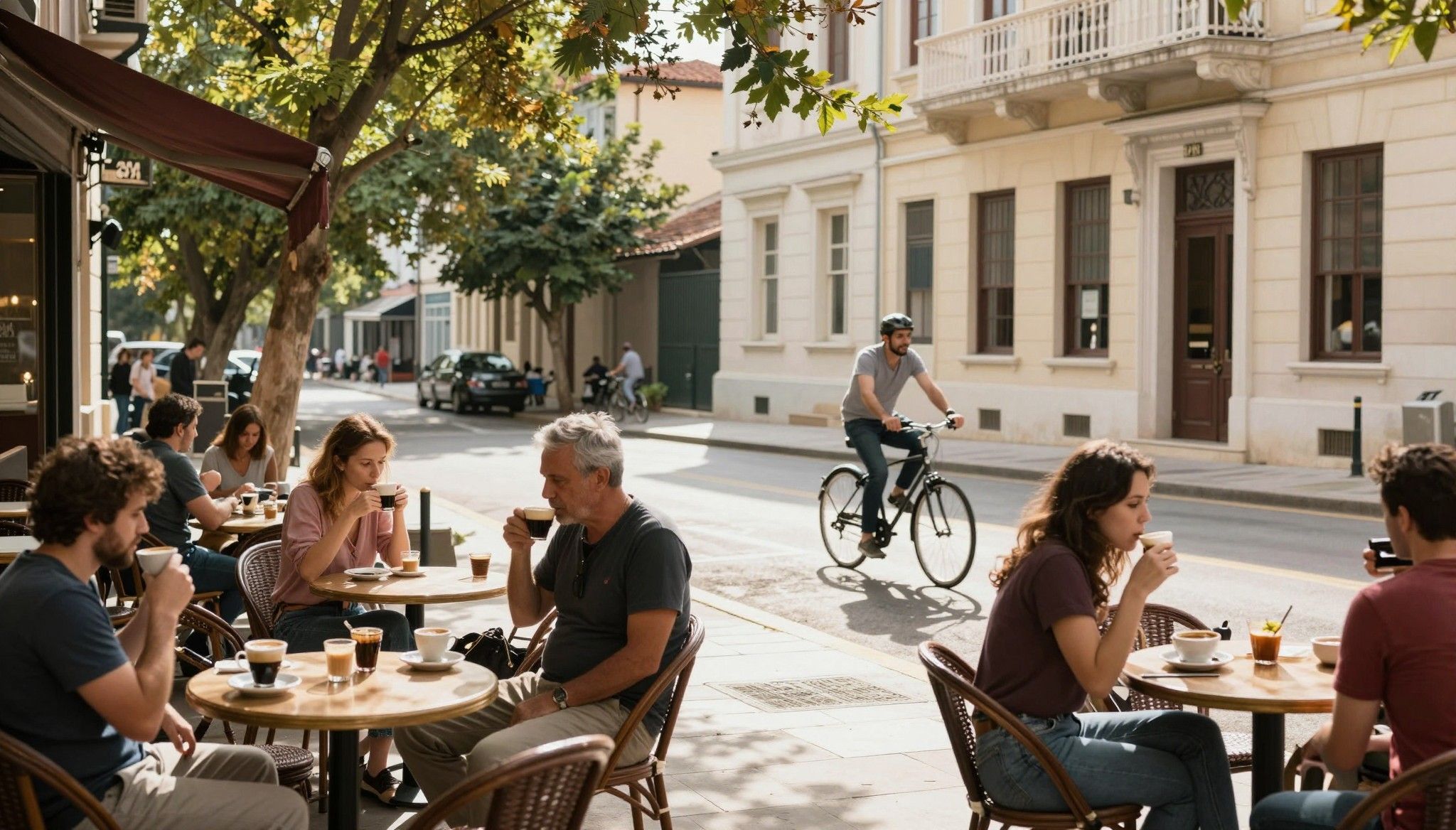
Imagine stepping out of a sun-warmed stone doorway in Split at 8 a.m., espresso in hand, cobbles ringing underfoot and a sea-breeze promising afternoon swims. That easy, tactile rhythm — markets, cafés that double as coworking nooks, island weekends — is what draws many of us to Croatia. But dreamy mornings don’t pay for closing costs. This guide blends that sensory pull with practical budgeting steps so you can plan a realistic purchase and actually live the life you’re picturing.
Living Croatian Days: how the place feels
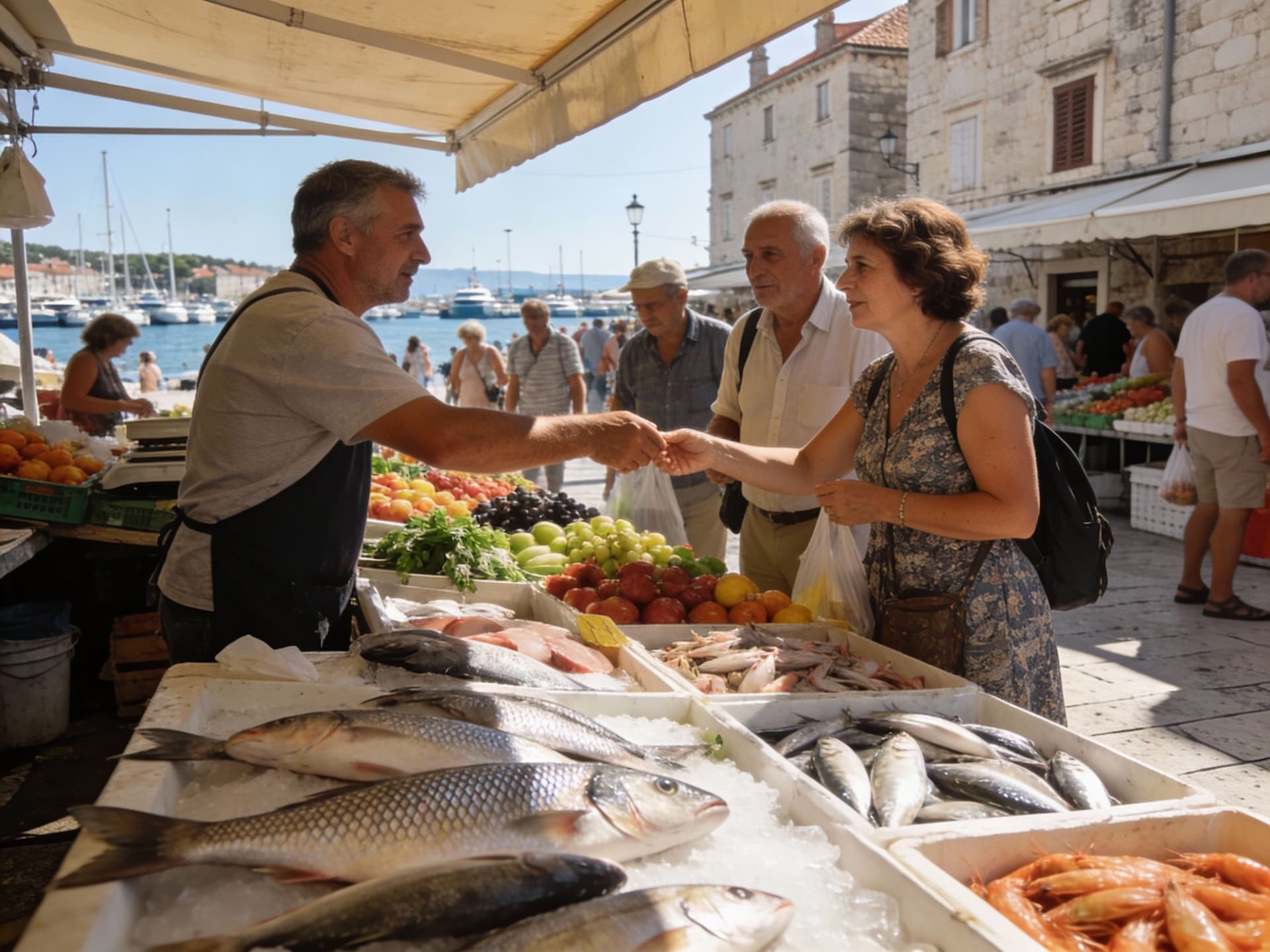
Croatia is a patchwork of seaside rituals and inland calm: lazy morning markets in Hvar, electric café scenes in Zagreb’s Tkalčićeva, and slow, community-driven life in Istrian hill towns. Expect late lunches, neighbourhood acquaintances who become friends, and a strong sense of local pride — but also the practicalities of island ferry schedules and seasonal service slowdowns. For nomads, the balance is sweet: excellent lifestyle perks with European-standard infrastructure in many towns, but you’ll still want to budget for seasonality and logistics.
Neighborhood snapshots that matter
Zagreb’s streets hum year-round with coworking spaces and espresso culture — ideal if you crave reliable services and schools. On the Adriatic, Split’s Riviera combines a compact historic center (Riva, Diocletian’s Palace alleys) with lively beaches and good ferry links. Istria (Rovinj, Pula) gives vineyard weekends and quieter off-season life, while islands like Brač or Vis reward buyers with slower pace and stellar privacy — but also higher logistics costs. Pick the vibe first; the rest of your budget should follow.
Food, festivals and daily life cues
Picture Saturday farmers’ markets: fresh octopus, sun-ripened tomatoes, and bakers who remember your name. Summer festivals (Ultra in Split, various island music weeks) swell populations and short-term rental demand — which affects year-round pricing if you plan to rent. Good news for remote workers: fixed broadband and mobile speeds in Croatia have risen substantially in recent years, improving the live/work balance outside capital cities. That improves the value of properties with dedicated work nooks and strong ISP options.
Turning love into a budget: the practical first steps
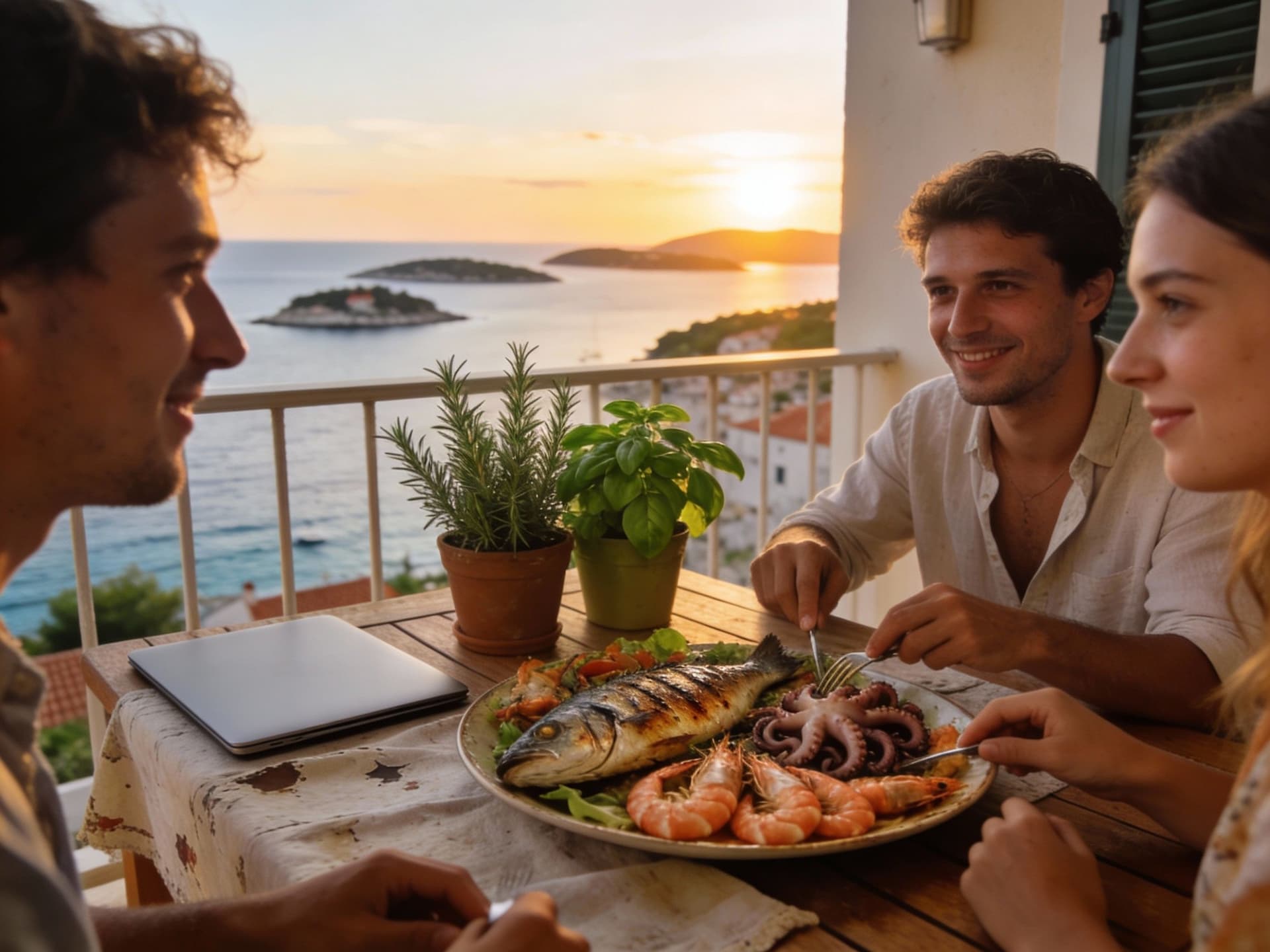
Start with a ‘life-first’ number: how much you need to live the Croatia you fell for. Then add transaction reality: a 3% property transfer tax applies if VAT isn’t charged, notary and cadastral fees, and a buffer for unexpected works. Nationwide house prices rose through 2023–2024, but regionally the Adriatic coast and Zagreb moved differently — so local market data should shape your down payment and expected closing costs. Use official indices to set realistic offers and contingencies.
Property types and lifestyle cost trade-offs
A renovated stone apartment in Dubrovnik’s upper Old Town gives postcard mornings but comes with maintenance and tourist-season wear — and usually higher management fees. A modern apartment on Zagreb’s Jarun lake will cost less per square metre and offers year-round services and coworking nearby. Villas in Istria buy you space and land for a garden, but also higher annual property taxes and utilities. Translate the lifestyle into line items: maintenance, seasonal utility swings, property management, and travel costs between islands and the mainland.
Step-by-step budgeting for Croatia (practical)
1) Pick your priority neighbourhood and get recent local price ranges. 2) Add a 3–6% buffer for transfer tax, notary, and registration if VAT doesn’t apply. 3) Add renovation (if needed), annual property tax (municipal rates vary widely) and property management if you’ll rent out. 4) Reserve travel and shipping costs for moving items, especially to islands. 5) If financing, check Croatian bank mortgage offers and FX exposure — always model worst-case currency moves. These steps turn dreamy budgets into executable plans.
Insider knowledge: what expats wish they’d known
Here’s the real-talk: island fantasy often underestimates logistics and seasonal isolation costs. Many buyers I know compromised: weeknights in a coastal town, weekdays in Zagreb or Split for admin, or a second small city pied‑à‑terre for winter. Coworking growth in Split, Zagreb and island hubs means you don’t need a big dedicated office at home — prioritise a fast connection and a good café a 5–10 minute walk away. Also, local networks matter: a neighbourhood contact will save you more money and headache than a cheaper, distant property.
Cultural and seasonal realities that change budgets
Services swell in summer and slim in winter — expect slower municipal offices and fewer contractors off-season. Language helps: even basic Croatian smooths some processes and secures better local rates for repairs or rentals. If you plan short-term letting, tourism seasonality drives revenue but also maintenance and cleaning costs; if you want calm, off-season-friendly towns like Varaždin or inland Istria pay dividends in quiet living and lower running costs.
Quick red flags and money-savers to watch
• Contracts listing a low sale price with “side payments” — tax authorities use market value, not declared price. • No documented recent renovations — budget a technical survey. • Properties reached only by ferry with limited winter service — add travel contingency. • Unclear ownership history — insist on a cadastral extract and notary checks. • Lack of fibre or reliable broadband — confirm speeds and providers before committing.
Conclusion: buy the life, budget the reality. Croatia rewards buyers who prioritise the everyday — coffee spots, ferry timetables, reliable internet — and then plan conservatively for taxes, seasonal swings and maintenance. Start by pinning a neighbourhood, using official price indices to set an offer range, and adding 5–10% for the full purchase and settling budget. When you’re ready, a local agency experienced with nomads and island logistics becomes your lifestyle enabler — not just a salesperson.
MoveSettleGoBritish expat who moved from Manchester to Mallorca in 2017. Specializes in market analysis and helping fellow Brit navigate local regulations.
Related Articles
More insights that might interest you
 Villa Curated
 Villa Curated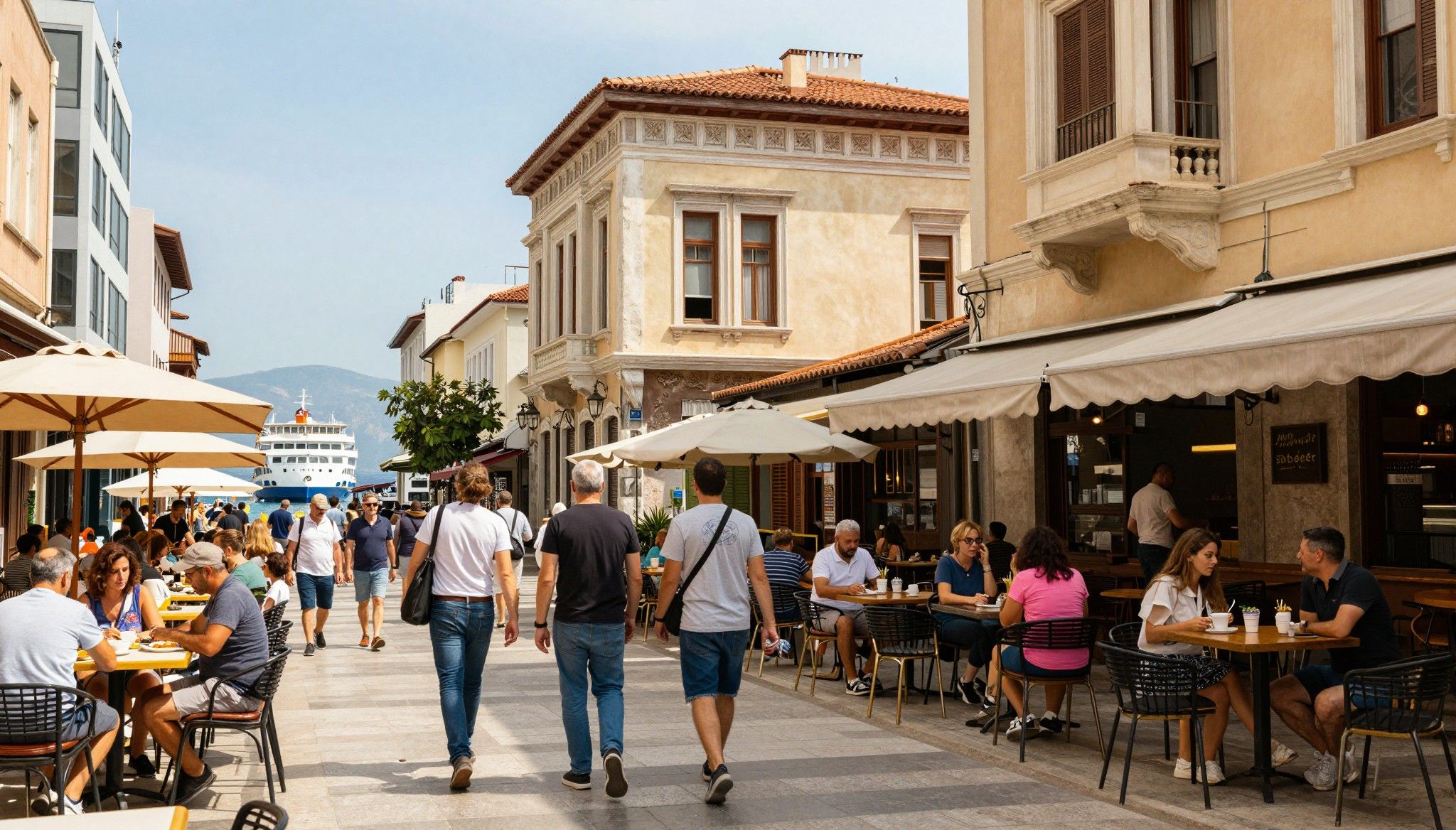
 The Yieldist

