Italy: Seasonal Rhythms That Should Shape Where You Buy
Italy’s lifestyle-led markets demand seasonal testing, local expertise and stewardship; official data show steady price momentum—prepare with on‑the‑ground visits and specialist advisers.
 Villa Curated
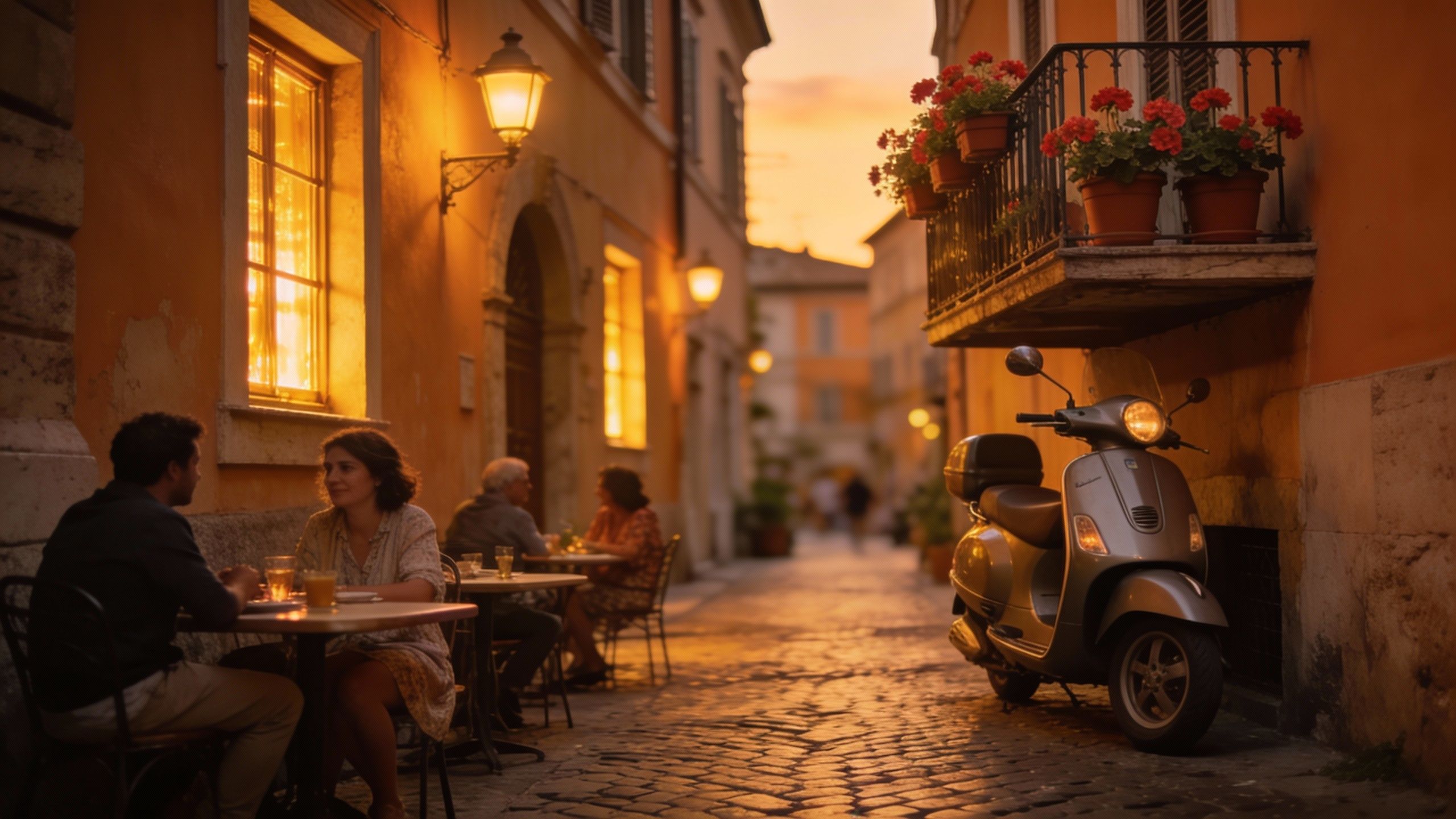
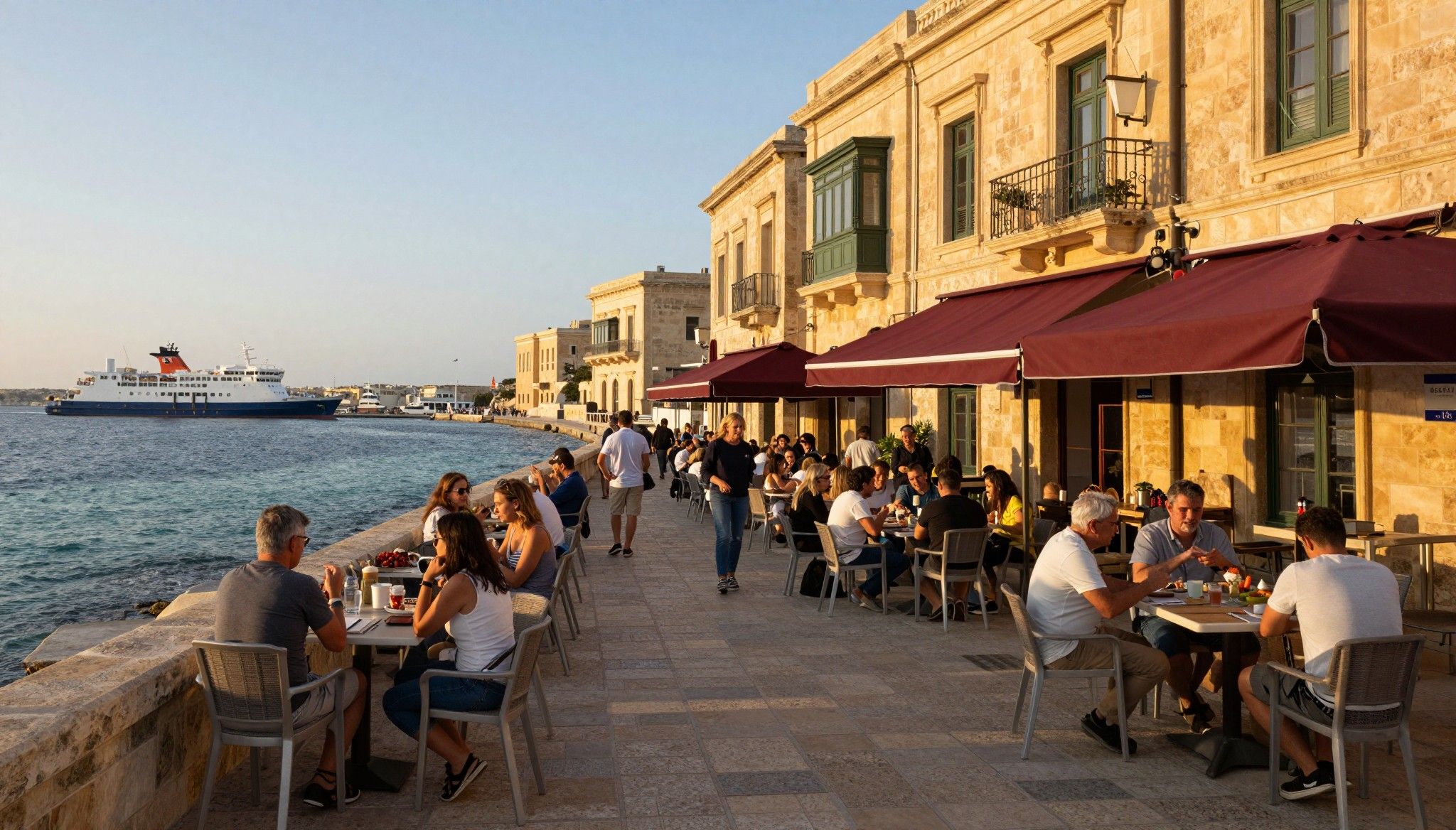
Imagine waking to the smell of espresso and warm brioche in a narrow Roman lane, or watching late‑afternoon light lay a honeyed glow across terracotta roofs in Puglia. Italy is a sequence of lived rooms—piazzas where conversations last, markets where provenance matters, and coastal strips that hold quiet, weathered dignity. For many international buyers the impulse is romantic: a restored palazzo, a farmhouse with an olive grove, an apartment where a church bell marks the hour. Yet those longed‑for scenes meet a complex market; recent official data show steady national price momentum that affects where, when and how you should look.
Living the Italy life: rhythms that shape choices
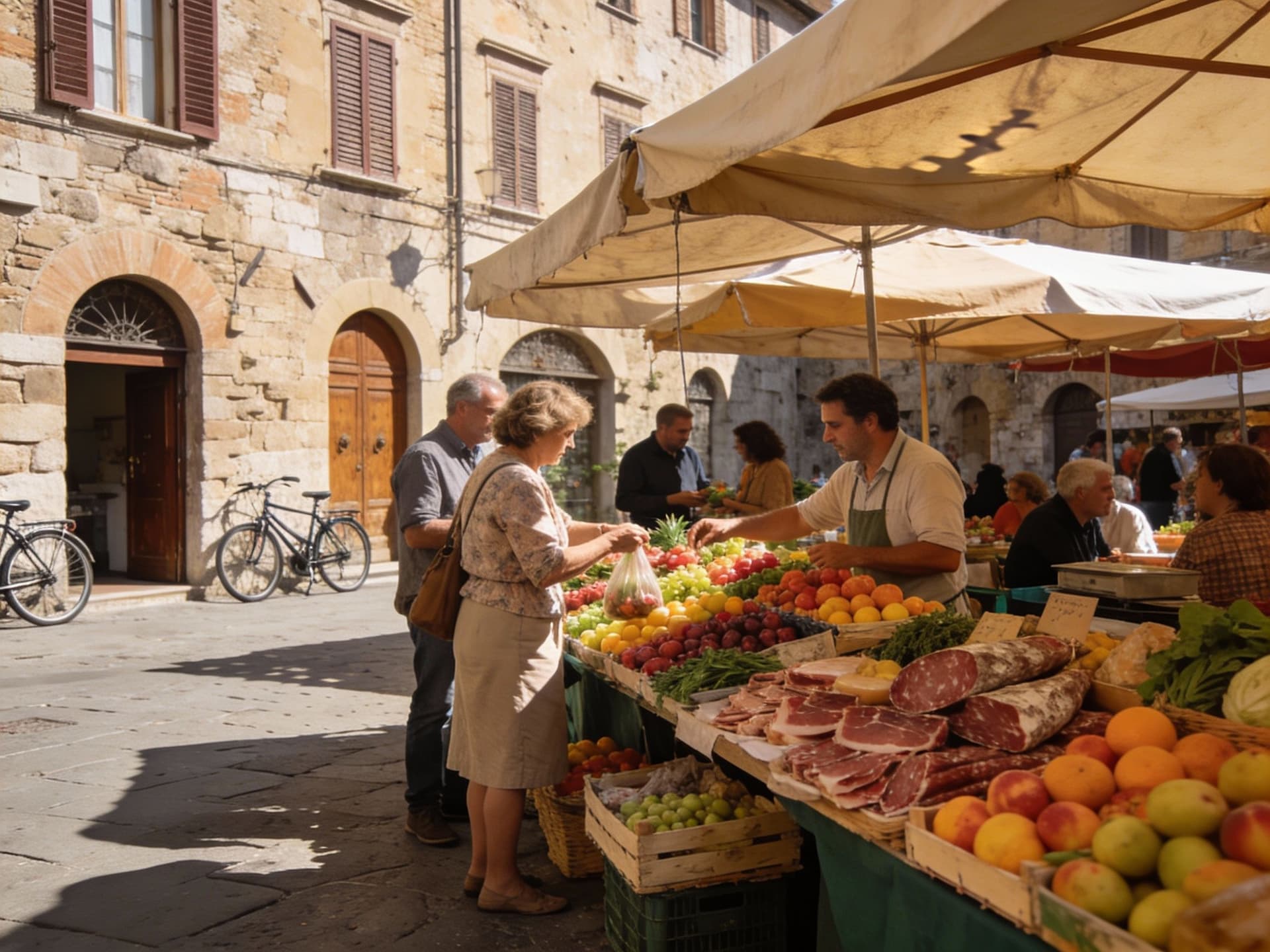
Daily life in Italy is not a single script but a set of regional scores. In urban centres you move between a brisk café ritual, evening passeggiata and neighbourhood markets; in the countryside mornings are for land and afternoons for shade and conversation. These rhythms determine what property suits you: a compact, well‑insulated flat in Milan for city life; a stone farmhouse near Lecce if you prize slow seasons and land stewardship. Knowing the local tempo—market activity peaks, market quiet, festival weeks—matters as much as square metres.
Rome, Florence, Milan: distinct hearts of urban life
Rome retains a measured residential appeal—historic cores, quieter residential rioni like Prati and Coppedè, and newer neighbourhoods in EUR and Monteverde that suit families. Florence concentrates on historic charm and tourist intensity; purchases here require patience with short‑term rental dynamics. Milan moves at a different cadence: design firms, finance and post‑expo regeneration make neighbourhoods such as Brera, Navigli and the quieter Isola attractive to professionals seeking proximity and modern conveniences. Each city rewards a different lifestyle and therefore a different property type.
Coast, hilltowns and the quiet interior
Beyond cities, life opens into olive groves, stone streets and coastal rituals. Places such as Amalfi’s quieter upper terraces, the hilltop streets of Orta San Giulio, or the Salento coast each offer a distinct daily choreography: seafood markets at dawn, siesta rhythms in summer, and harvest work in autumn. Recent transaction data indicate rising activity in regional markets as buyers trade metropolitan claustrophobia for space; yet infrastructure, services and seasonal accessibility remain decisive for long‑term enjoyment.
Lifestyle highlights to taste the country before you buy: • Sip espresso at Caffè Greco, Rome, then wander Via dei Condotti for period architecture. • Explore the Sant’Ambrogio market in Florence and note apartment access, deliveries and noise. • Walk the Navigli canals at dusk in Milan to test neighbourhood vitality and transit links. • Drive the Salento coast early morning to feel seasonal access and parking realities. • Visit a mid‑week mercato in Bologna for food provenance and community rhythms. • Spend an afternoon in a Ligurian borghi lane to assess maintenance needs and drainage.
Making the move: practical considerations that preserve the life you imagine
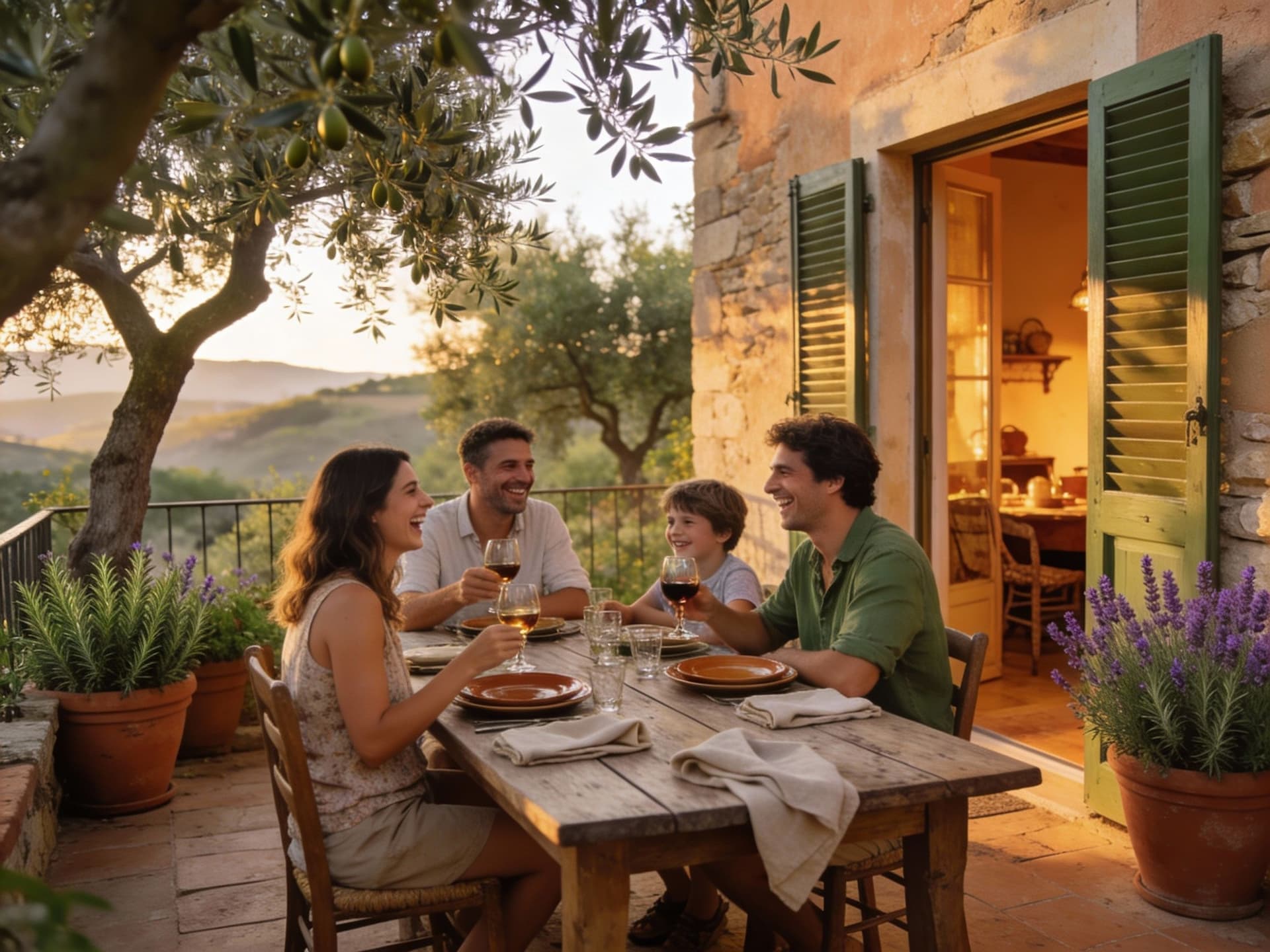
The romance of Italy meets rules and rhythms: market momentum, local regulation and seasonal demand shape price and liquidity. National indices show year‑on‑year growth in many areas, but pockets of correction remain—especially in hyper‑touristic centres where policy and short‑let taxes can affect yield. For an international buyer this means pairing sensory visits with objective market measures, and choosing agents who can translate local patterns into a durable lifestyle investment.
Property types and how they answer daily needs
A restored palazzo flat offers high ceilings, original cornice and a sense of provenance but often higher running costs and complex condominium administrations. A countryside masseria provides land, separate entrance and quiet—but requires an understanding of irrigation, olive‑grove management and local building constraints. Newer builds in suburban Milan or Bologna supply contemporary amenities and better thermal performance, useful for year‑round living and remote work. Select the typology that supports how you intend to live: seasonal retreat, primary residence or hybrid.
Working with local experts who understand both culture and paperwork
How a considered local team protects lifestyle value: 1. An agent who knows the neighbourhood rhythms—market windows, festival weeks and seasonal rentals—helps schedule viewings when each property reveals its true face. 2. A notary and local lawyer who advise on title, servitudes and historic‑building constraints protect provenance and future restoration options. 3. A surveyor who assesses masonry, roofing and humidity risks prevents a romantic purchase from becoming a maintenance burden. 4. A property manager who understands local lettings, tax filings and seasonal occupancy preserves income without eroding quality of life. 5. An architect conversant in heritage rules secures sensible restorations that honour materials and reduce running costs.
Insider knowledge: what expats wish they had known
Experienced buyers tell the same things: test a neighbourhood across seasons, speak with shopkeepers, and treat every charming façade as a maintenance plan in waiting. Policy shifts—recent proposals to raise taxation on short‑term rentals—can alter yield expectations and neighbourhood character. Practicalities such as building access, parking, heating systems and community governance are the details that shape daily life far more than panoramic views.
Cultural fluency: small courtesies, big differences
Language need not be perfect, but respect for local customs eases integration: learn the rhythms of the market, greet shopkeepers in Italian, and understand the condominium code. Italians prize provenance and continuity; stewardship—how you maintain a property and participate in community life—affects how you will be received. Local clubs, volunteer associations and food markets are often the quickest routes to belonging.
Long‑term questions that affect both heart and balance sheet
Points to consider before committing: • Seasonality: will you occupy year‑round or use it as a seasonal retreat? • Infrastructure: healthcare access, schools and transport shape resale and family life. • Restoration vs new build: heritage appeals but carries regulatory limits and maintenance needs. • Local taxes and rental rules: policy changes can shift yield assumptions. • Community stewardship: historic districts often rely on collective decisions about façades and services.
Conclusion — Italy as a life to steward, not merely a view to own. The country offers a layered life: market rhythms, neighbourhood customs and architectural narratives that repay careful attention. For international buyers the wisest purchases begin with time spent in place, a local team versed in both culture and regulation, and an insistence on respecting provenance. If you seek a property to live in and hand on, start with a neighbourhood you can imagine joining, then let rigorous local advice convert that feeling into a sustainable purchase path.
Villa CuratedDutch former researcher who moved to Lisbon, specialising in investment strategy, heritage preservation, and cross-border portfolio stewardship.
Related Articles
More insights that might interest you
 Villa Curated
 Villa Curated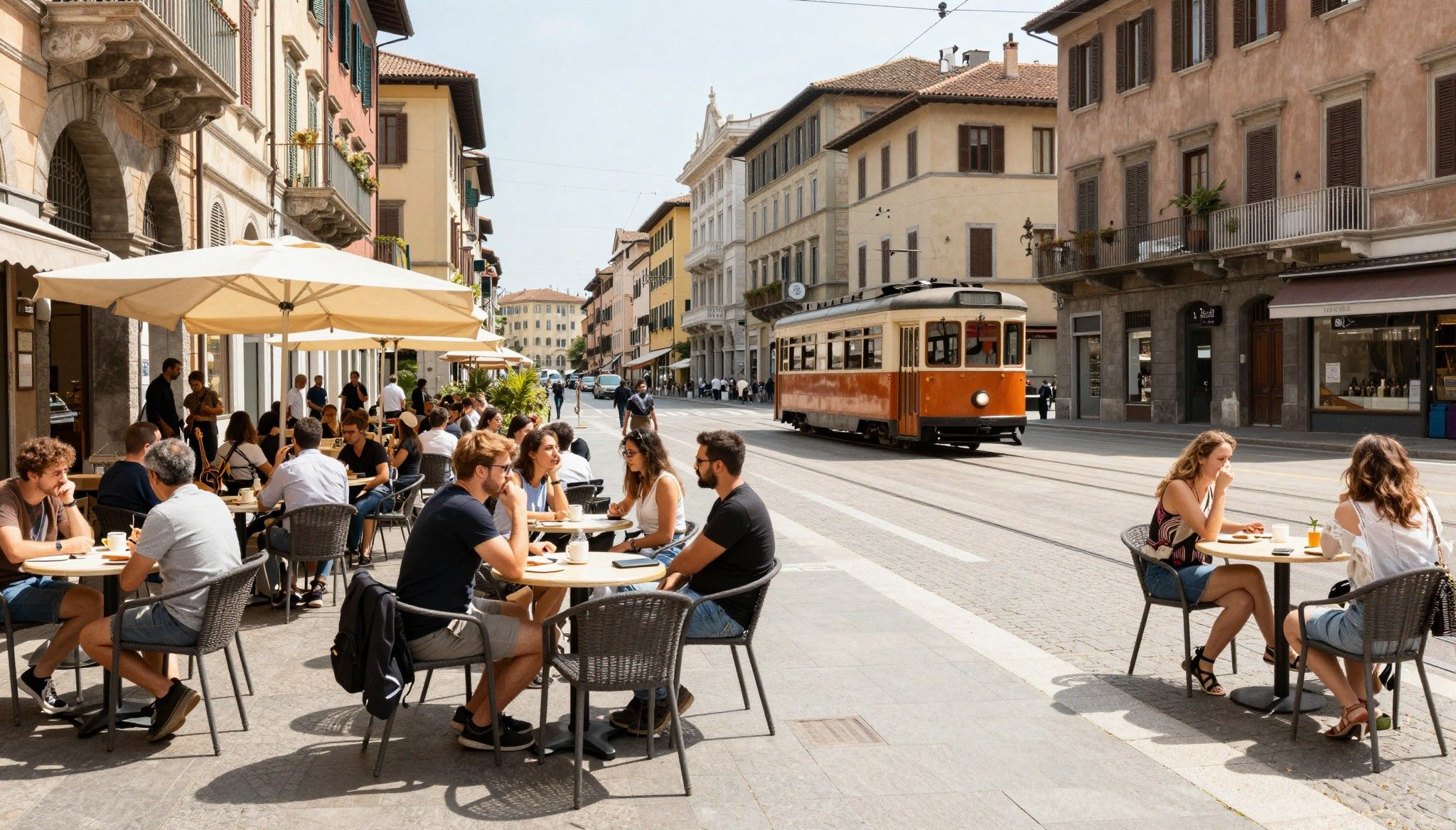
 The Yieldist


