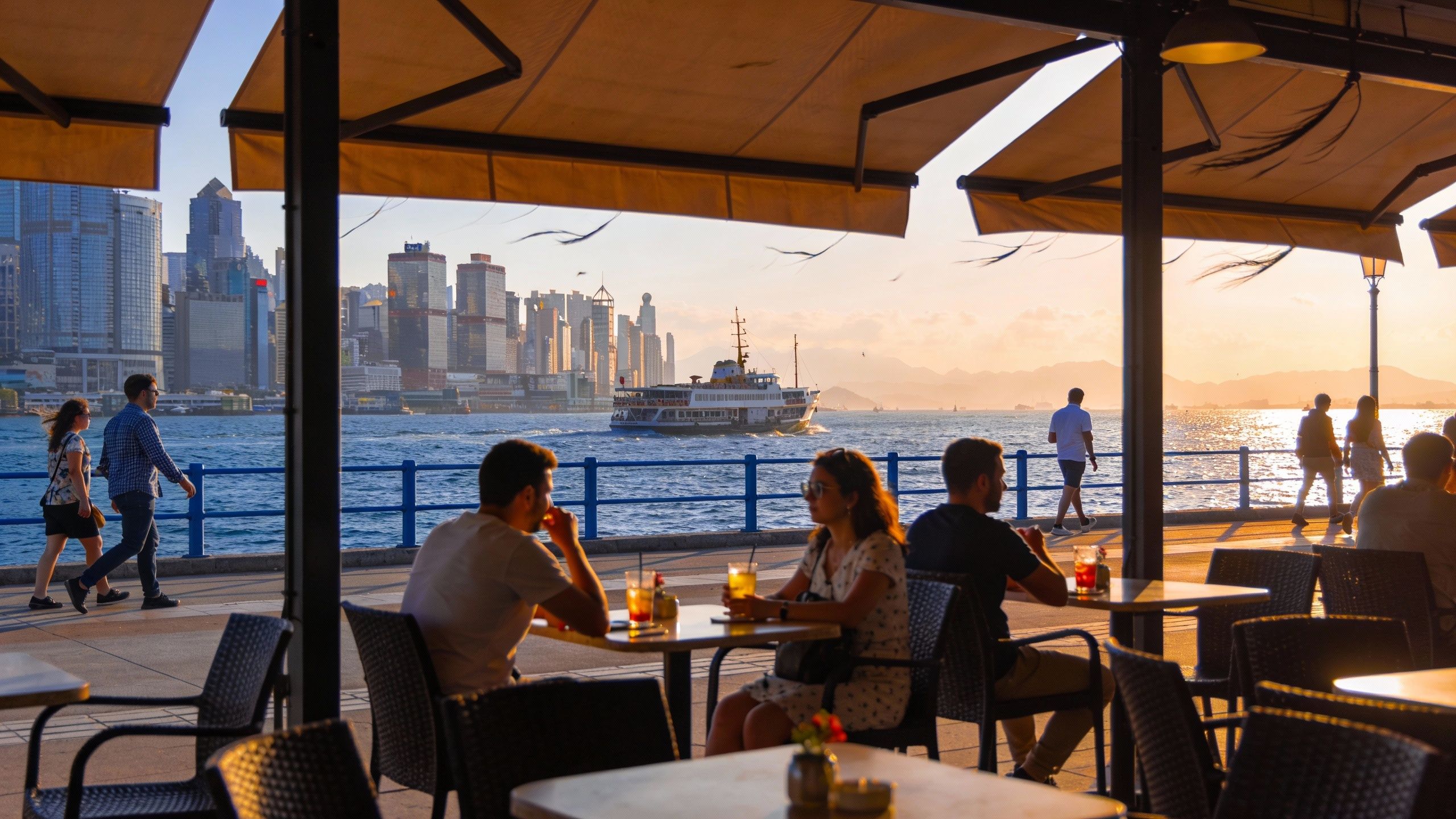
When Greece's Golden‑Visa Premium Misleads Buyers
Why Greece’s Golden‑Visa premium can mislead: lifestyle hotspots drive demand differently — match neighbourhood ritual to market data and regulation.
 Blueprintera
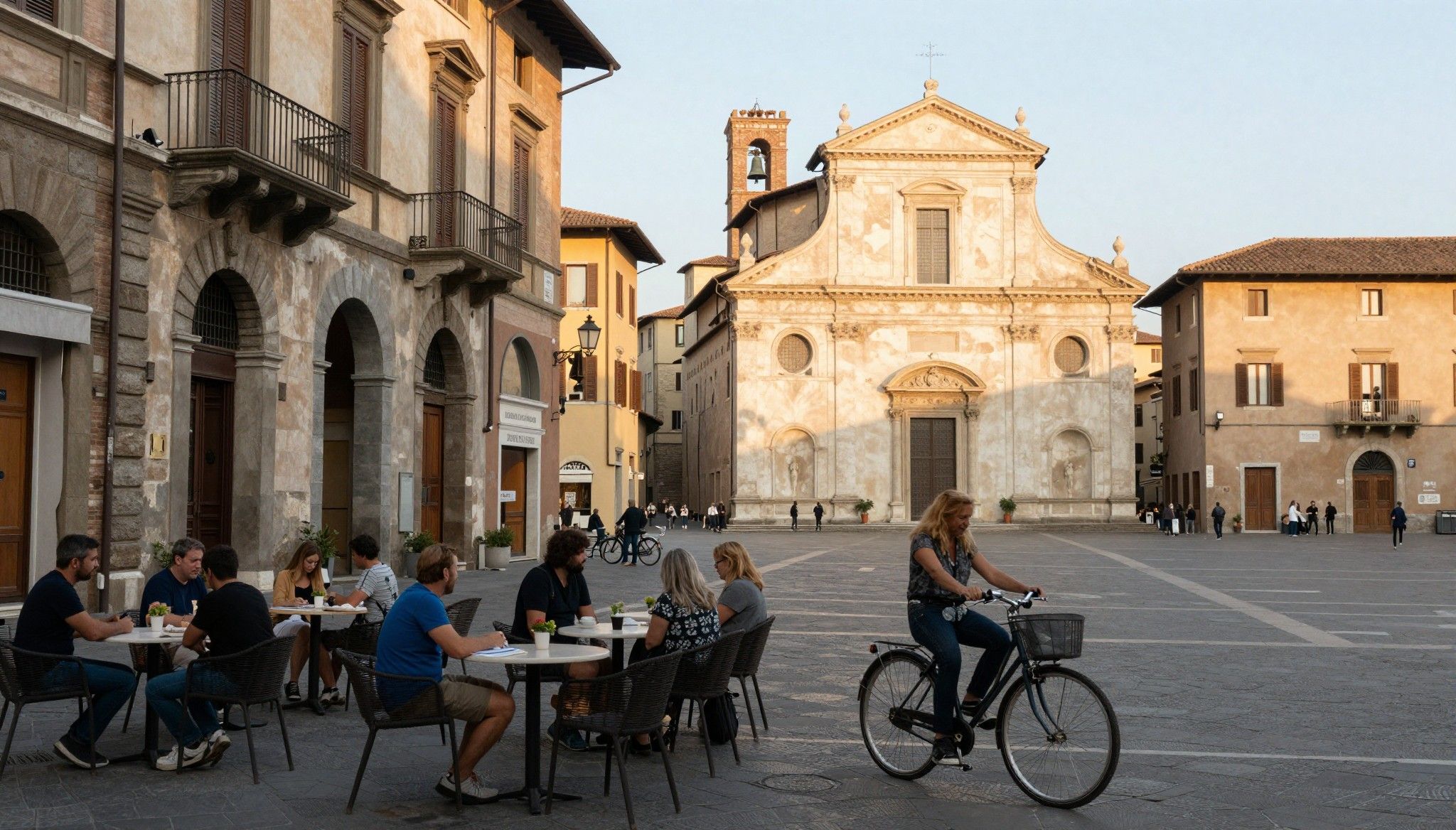
Imagine starting your morning with a strong Greek espresso on a sunlit kafeneio in Koukaki, then walking past neoclassical facades toward an aperitif hour by the Athenian Riviera. Greece folds ancient streets, blue sea and lively neighbourhood ritual into daily life — and that lived-in charm shapes what you should buy here.
Living the Greece lifestyle
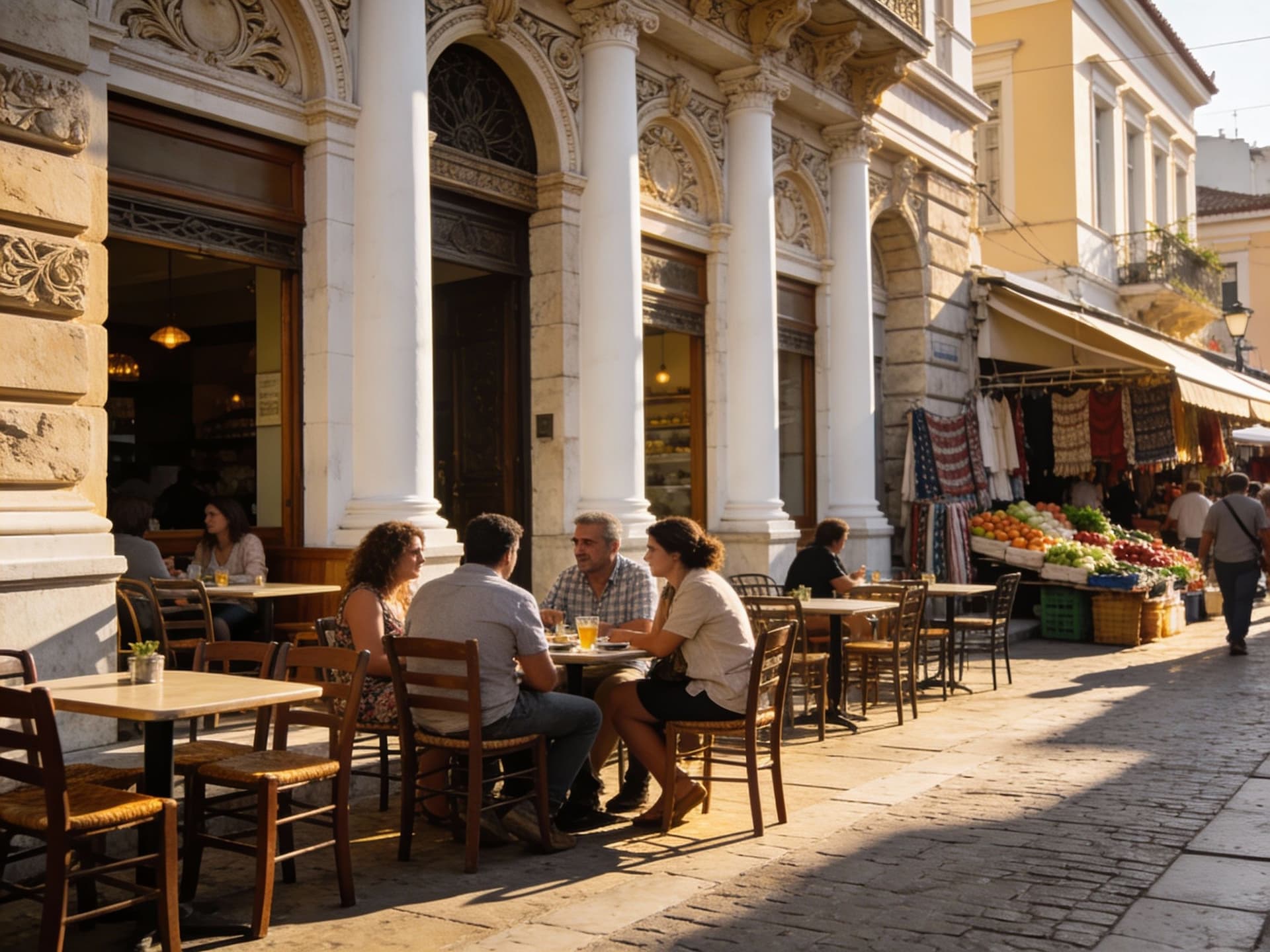
Daily life in Greece is tactile: morning markets at Varvakios in Athens, late-night taverna conversations on Svoronos Street in Chania, ferry crowds at Piraeus and quiet coastal promenades in Glyfada. These rhythms influence where demand concentrates — central neighbourhoods with cafes and markets hold value differently from quieter sea-front villages, and official price indices show the effect of that demand.
Athens: layered neighbourhoods, specific moods
Koukaki, Exarchia and Kerameikos are not interchangeable — Koukaki trades proximity to the Acropolis for lively neighbourhood cafés and small apartments that attract long‑stay visitors and remote workers. Kolonaki feels formal and leafy, with galleries and boutique shops; Glyfada and Voula on the south coast offer a flatter, seaside lifestyle with marinas, international schools and larger modern developments.
Islands and regional cities: different day-to-day
On Crete (Chania, Rethymno) mornings begin at the market and end with beach swims; on Corfu or Zakynthos, Venetian streets and Ionian light make town centres magnets for buyers seeking both holiday rental returns and permanent slow‑paced living. Thessaloniki offers a coffee culture and food scene that suits families who want city life without Athens’ scale. Each microculture alters not only lifestyle but liquidity and rental seasonality.
- Lifestyle highlights buyers mention most
- Morning markets: Varvakios (Athens), Agora (Chania)
- Seafront promenades: Glyfada, Piraeus to Vouliagmeni
- Island evenings: Old Port Corfu, Chora in Naxos
Making the move: practical considerations
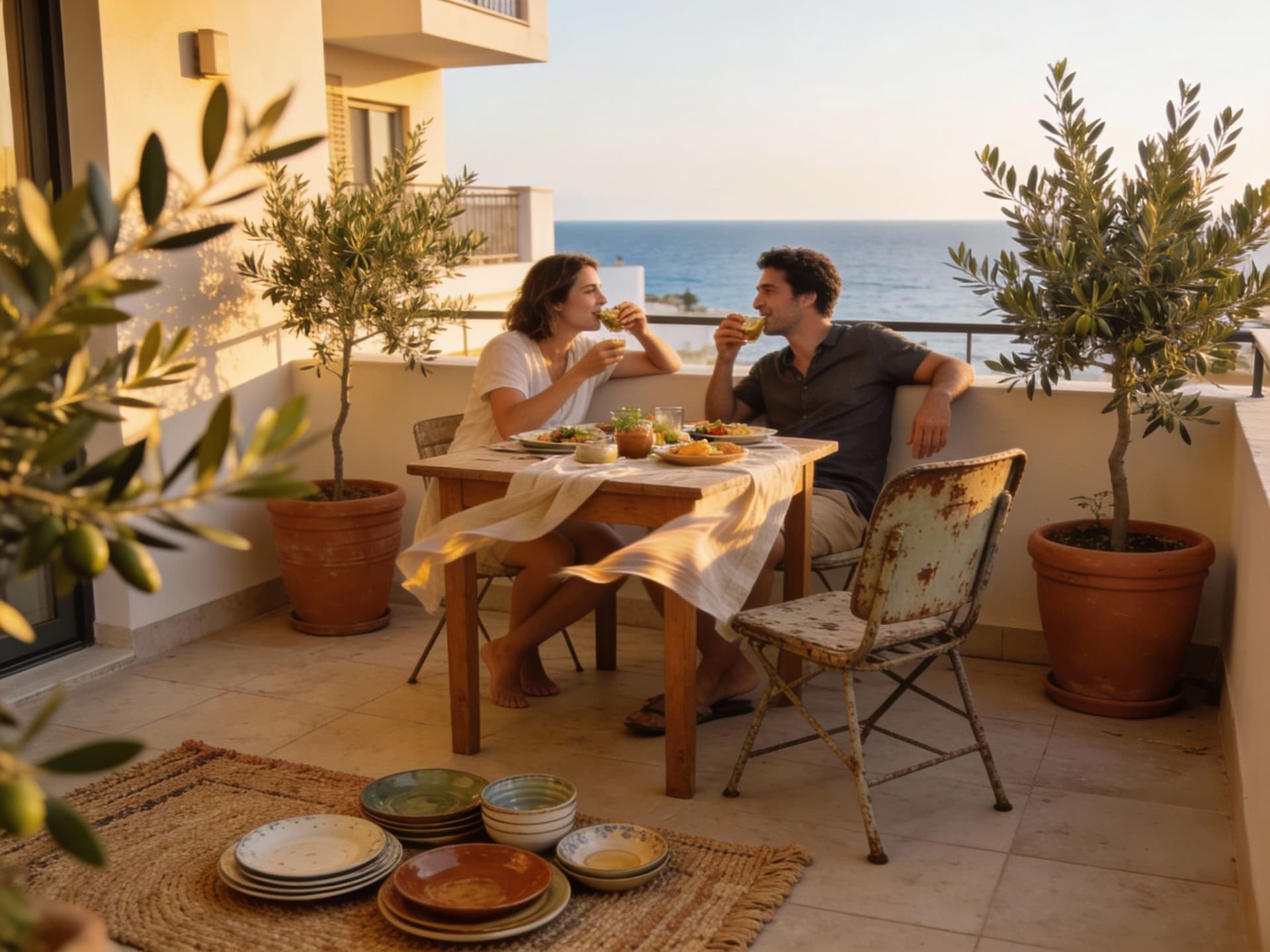
The lifestyle you crave must meet market reality. Price growth has been solid but moderating: official indices and industry reports show strong demand in Athens and island hotspots, driven by both domestic buyers and foreign investment. That affects affordability and rental dynamics — particularly where short-term lets have been common.
Property types and how they'll fit your life
Neoclassical flats in Plaka deliver atmosphere and location but often need retrofit for insulation and modern systems; new-builds in Piraeus or Glyfada provide modern layouts and parking but trade historic charm. On islands, traditional stone homes offer character but can add logistic costs for maintenance and winter heating. Match the property’s fabric to how you plan to live year-round — full-time, seasonal or as a rental asset.
How local experts speed the search
A Greek agent who knows neighbourhood regulation, seasonal demand and recent short‑term rental law changes saves time and money. For example, recent measures targeting windowless basements and freezing new short‑term licences in parts of central Athens change the earnings profile of many central apartments and should shift where you look if rental income matters.
- Steps to combine lifestyle and market sense
- 1. Map daily routines: choose neighbourhoods where your morning, work and evening habits sit within five‑ to 20‑minute walks.
- 2. Layer market data: compare local sqm prices and rental yields for the exact street or block, not just the city average.
- 3. Ask agencies for season‑adjusted cashflow: on islands, summer income can be strong but winters have low occupancy and higher maintenance.
Insider knowledge: what expats wish they'd known
Expats often tell the same stories: they fell for the view, under‑estimated bureaucracy and over‑valued short‑season rental income. The better stories are of people who prioritised neighbourhood life, local services and transport over a single spectacular vista — those choices preserve quality of life and resale demand.
Cultural integration and daily rituals
Learning a few Greek phrases, joining a local coffee group and being present at Saturday markets accelerates acceptance. Greeks value reciprocity; small investments in neighbours and local shops unlock deeper belonging and practical help — from tradespeople recommendations to seasonal rental demand tips.
Long‑term lifestyle realities
Think five‑ to ten‑year horizons: urban policy (rental rules), tourism flows and infrastructure projects will change which streets are vibrant. Buying a home near a reliable ferry, a mainline rail stop or a regenerated waterfront often pays lifestyle dividends and supports liquidity when you sell.
- Practical red flags to watch
- Basements converted into rentals without natural light or ventilation (may be affected by new regulations).
- Properties with unclear building permits or missing energy certificates — budget for retrofits.
- Over-reliance on high-season holiday income without a winter plan.
Conclusion: Greece repays the detail-oriented buyer. If you prioritise neighbourhood life — morning markets, local kafeneia, practical transport links — you’ll own more than a property. Use agents who can show street-level liquidity, verify permits and model season‑sensitive cashflow. Start by shortlisting 3 neighbourhoods that match your daily life, ask local agents for two years of actual rental and sales comparables, and plan a focused visit outside high season to see how a place feels mid‑week.
BlueprinteraDanish relocation specialist who has lived in Barcelona since 2016. Helps families move abroad with onboarding, schooling, and local services.
Related Articles
More insights that might interest you
 Villa Curated
 Villa Curated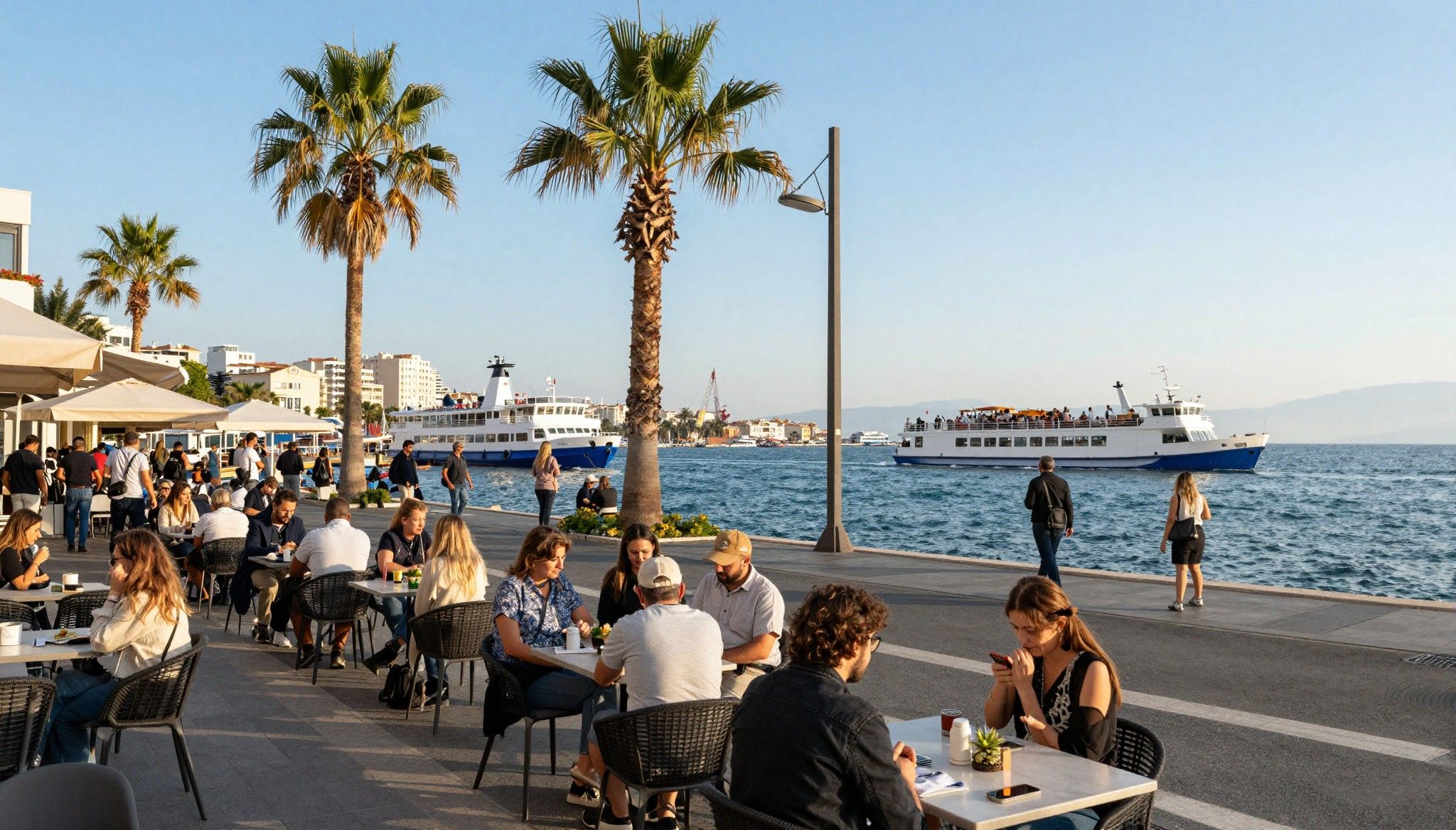
 The Yieldist

