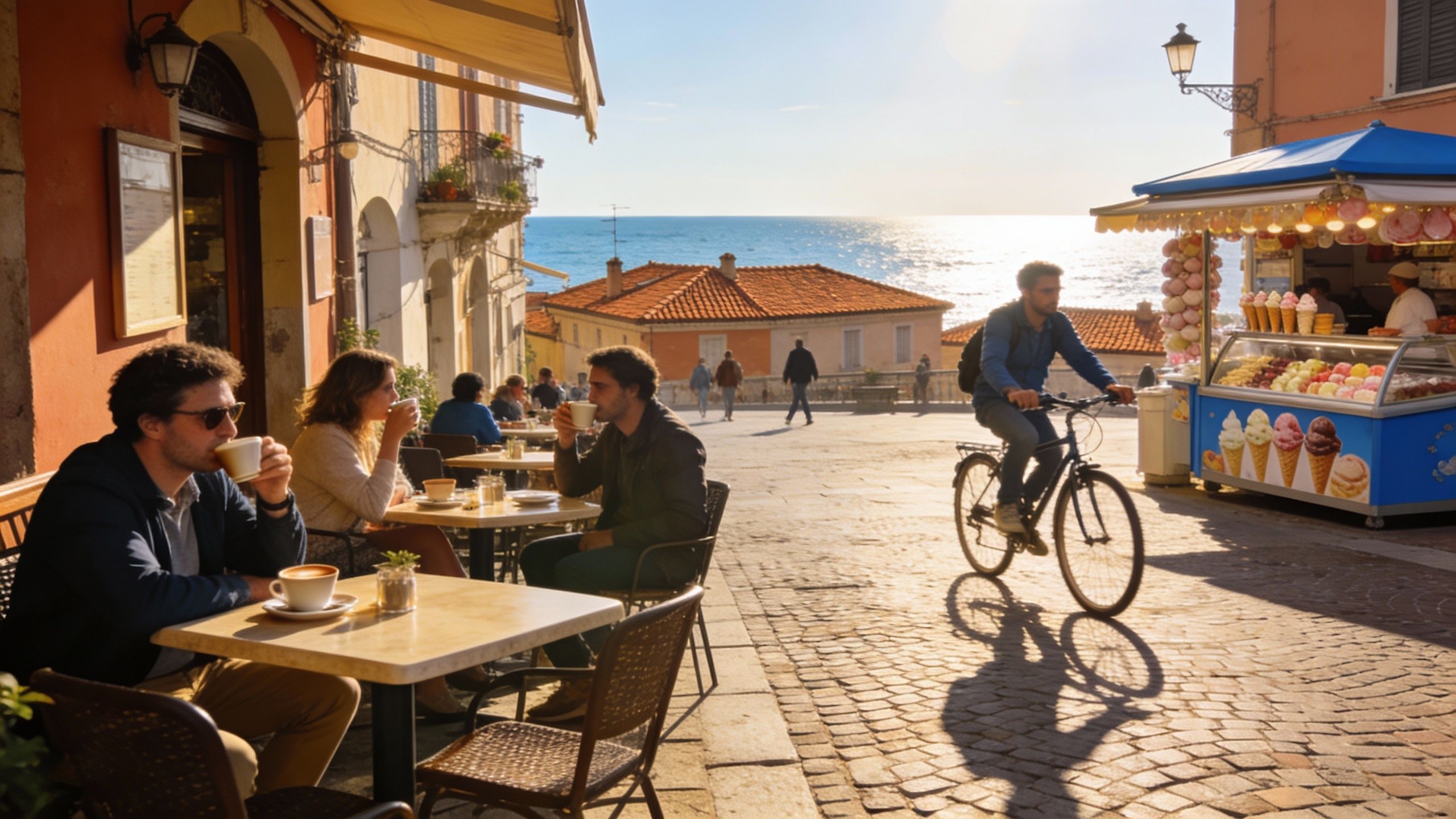
Italy: Buy the Life, Not Just the View
From espresso counters to trulli lanes — how Italy’s lived rhythms align with market signals. Pair neighbourhood mood with ISTAT data and local intel to buy the life you want.
 Blueprintera
Imagine waking at dawn to an espresso at a neighbourhood bar in Milan, then swapping the tram for an afternoon swim on Liguria’s pebbled shore — that daily rhythm, part city pulse and part Mediterranean ease, is why buyers keep looking to Italy. But beneath postcard routines lie real trade-offs: regional price gaps, renovation rules for historic homes, and seasonal market swings that change when and where value appears. This piece pairs lived-in scenes — streets, markets, aperitivi — with practical, research-backed signals so you can decide not just which phone number to call, but which life to buy.
Living the Italy life: texture, seasons and streets
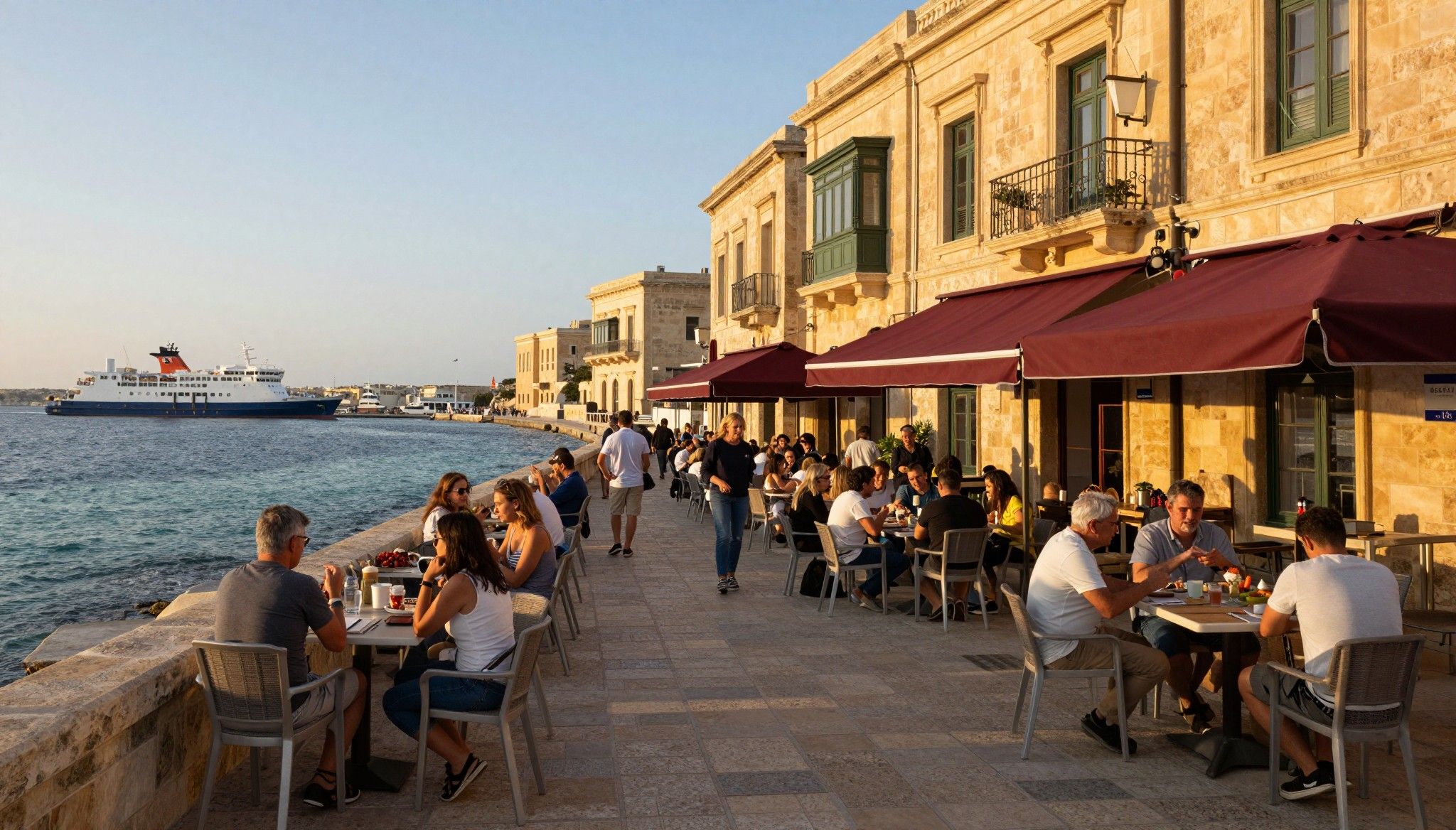
Italy’s lifestyle is a patchwork: espresso counters and municipal markets in city centres, olive groves and trulli in Puglia, pebble beaches and pastel facades along the Ligurian riviera. In cities like Milan and Florence the morning commute hums with professionals, while coastal towns slow into late-afternoon passeggiate and seafood dinners. Prime neighbourhoods have become active cultural hubs — restaurants, galleries and boutique grocers — drawing both second‑home buyers and longer-stay expats, a trend visible in recent prime-market reporting.
Neighbourhoods that feel like home
If you want city life with cafés that know your order, explore Brera and Navigli in Milan or Trastevere in Rome; for coastal days, look at Camogli and Alassio in Liguria or Cefalù in Sicily. Each pocket has its own tempo: in Genoa’s historic Castelletto you get hilltop views and local markets, while Puglia’s Ostuni offers whitewashed lanes and a strong tradition of seasonal produce. These micro-characters shape what you’ll actually do on weekends — market visits, beach swims, evening aperitivos — and therefore which property type suits you.
Food, markets and small rituals
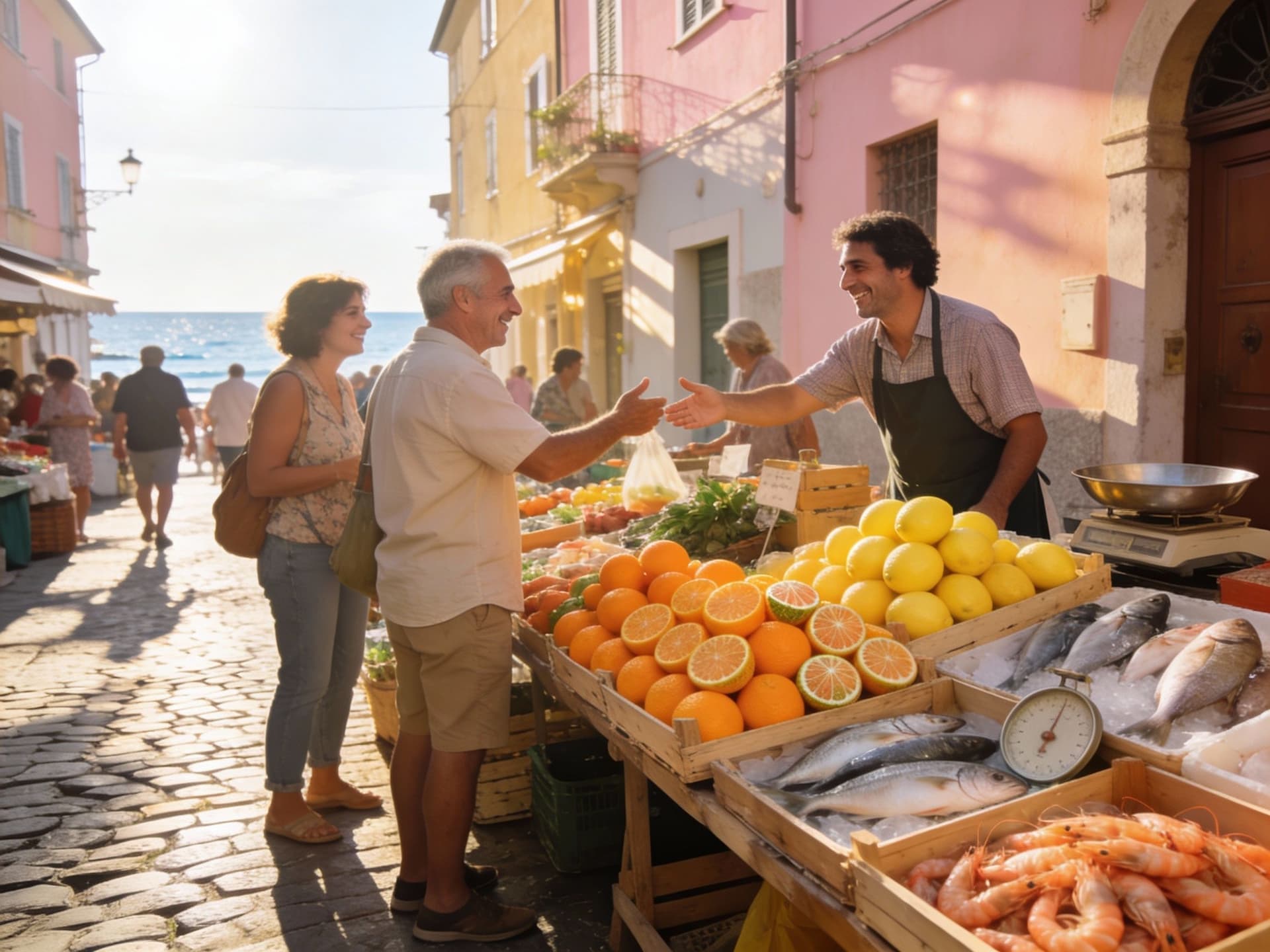
Picture yourself at Mercato di Sant’Ambrogio in Florence or a Sunday fish market in Napoli: local seasons determine what lands on your table and the social life that follows. Italy’s culinary calendar — truffle season in Piedmont, citrus harvests in Sicily, summer seafood festivals on the Amalfi Coast — also creates predictable tourist cycles and short-term rental demand, meaning lifestyle calendars and investment windows are often the same.
Lifestyle highlights you’ll actually use
Daily espresso culture: independent bars in Brera, Trastevere and Salento
Seasonal markets: Mercato Centrale (Florence), Mercato di Ballarò (Palermo)
Coastal days: pebble beaches of Liguria, sandy coves of Puglia and Calabria
Making the move: how lifestyle maps to market signals
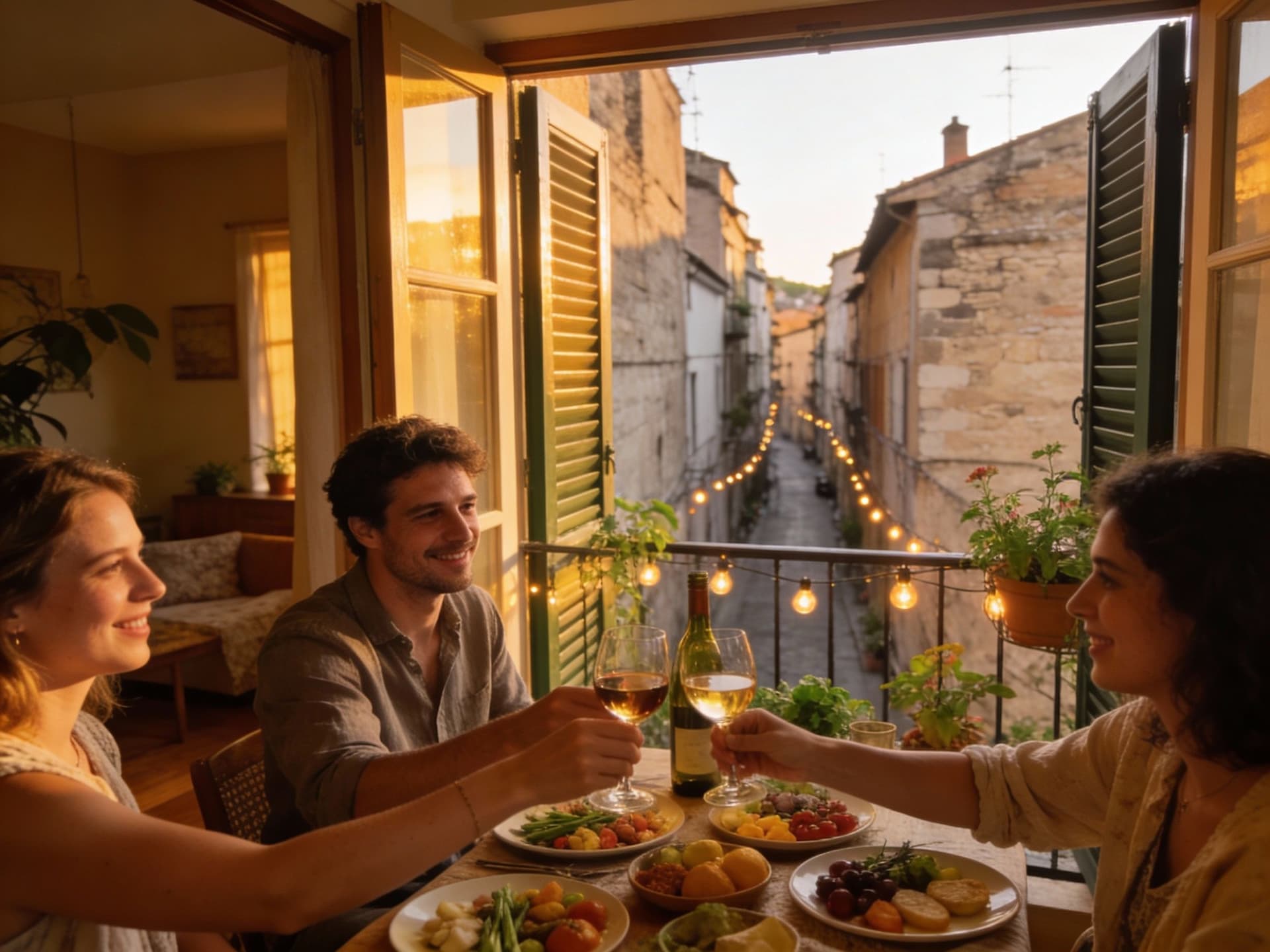
Dreams meet paperwork when you start looking at stock, prices and local rules. Recent ISTAT data shows national house‑price growth was modest through 2024, with new-builds outperforming existing stock — a reminder that renovators find different dynamics than buyers of modern apartments. Where you buy changes financing options, renovation permissions and rental potential, so pair a lifestyle shortlist with market facts before making offers.
Property types and their everyday trade-offs
Historic apartments in centro storico offer immediate atmosphere but often carry restrictions: thick walls, small windows and strict heritage rules that can limit structural changes. New developments provide better insulation and easier rental management but sit further from village squares and original cafés. Consider how you want to live: evening walks to a piazza, or a bright open-plan kitchen with underfloor heating? That answer narrows the right property family.
Working with local experts who know the life you want
How agents and local advisors blend lifestyle with logistics:
1. Match street-level life to stock: agents can show morning routines around an apartment — helpful for families or remote-workers who need cafés and co-working nearby.
2. Clarify renovation permissions: a notary and architect can confirm what you may change in a listed building before you bid.
3. Estimate seasonal rental demand: local managers provide real booking data for high and low seasons so you can set realistic yield expectations.
Insider knowledge: what expats wish they’d known
Expats tell a similar story: falling in love fast, then learning the local rhythms slowly. Language matters less than patience — the person at the market who remembers your order becomes your gateway to community. But practical missteps repeat: underestimating maintenance on old roofs, assuming short-term rental returns stay constant, or buying based on summer visits alone. Those mistakes are avoidable with on-the-ground checks and seasonal visits.
Cultural integration and daily life
Start small: learn the local café rituals, volunteer at a market stall or join a language class. Italians value presence and reciprocity — neighbours who bring lemon cake, shopkeepers who keep keys for you — and these social habits make daily life richer. For many buyers, those human details determine whether they stay beyond a second season.
Long-term lifestyle and value — what to watch
Look beyond headline prices to local drivers: transport links (rail and regional airports), planned regeneration projects, and demographic shifts like remote-worker inflows. Regions such as Puglia and parts of Liguria are showing rising interest because of lifestyle appeal and lower entry price points — but the smartest buyers weigh immediate quality of life against mid-term liquidity.
Conclusion — live first, buy with signals: next steps
If Italy’s lifestyle calls you, start with a lifestyle shortlist (three neighbourhoods), pair it with market checks (local price trends and seasonality from ISTAT or reputable agencies), and hire a local agent plus a notary for pre‑offer due diligence. Visit in both high and low seasons, ask for actual rental calendars if you plan letting, and prioritise walkability and local services over view‑based vanity. That way you buy the life, not just the photograph.
BlueprinteraNorwegian market analyst who relocated to Mallorca in 2020. Focuses on data-driven market insights and smooth relocation for international buyers.
Related Articles
More insights that might interest you
 Villa Curated
 Villa Curated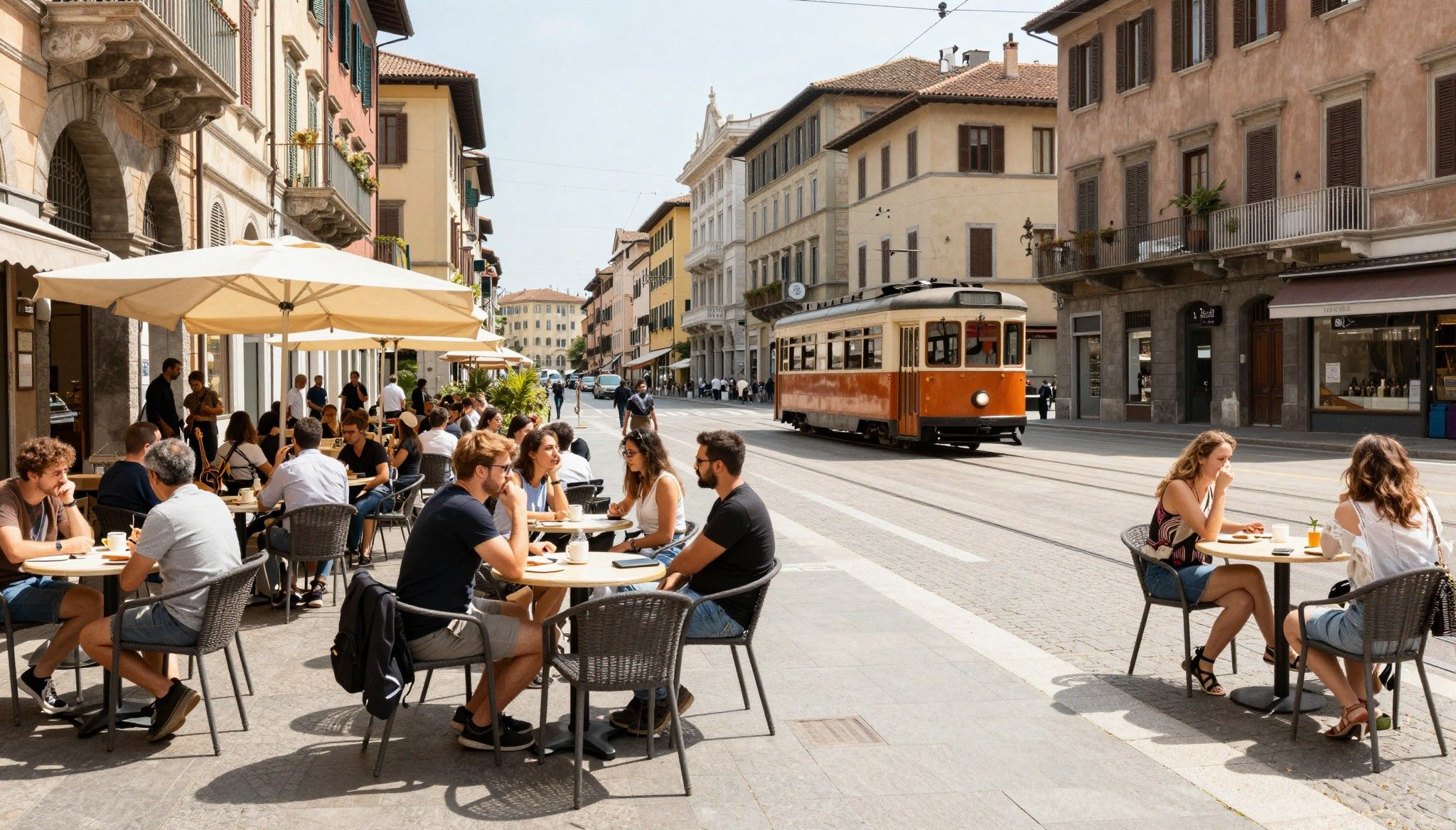
 The Yieldist

