Italy: Street‑Level Lifestyle vs Market Signals
Italy’s everyday charms — markets, piazzas, coast and countryside — meet measured market signals: regional price divergence, renovation realities and seasonal demand backed by ISTAT and industry research.
 Blueprintera
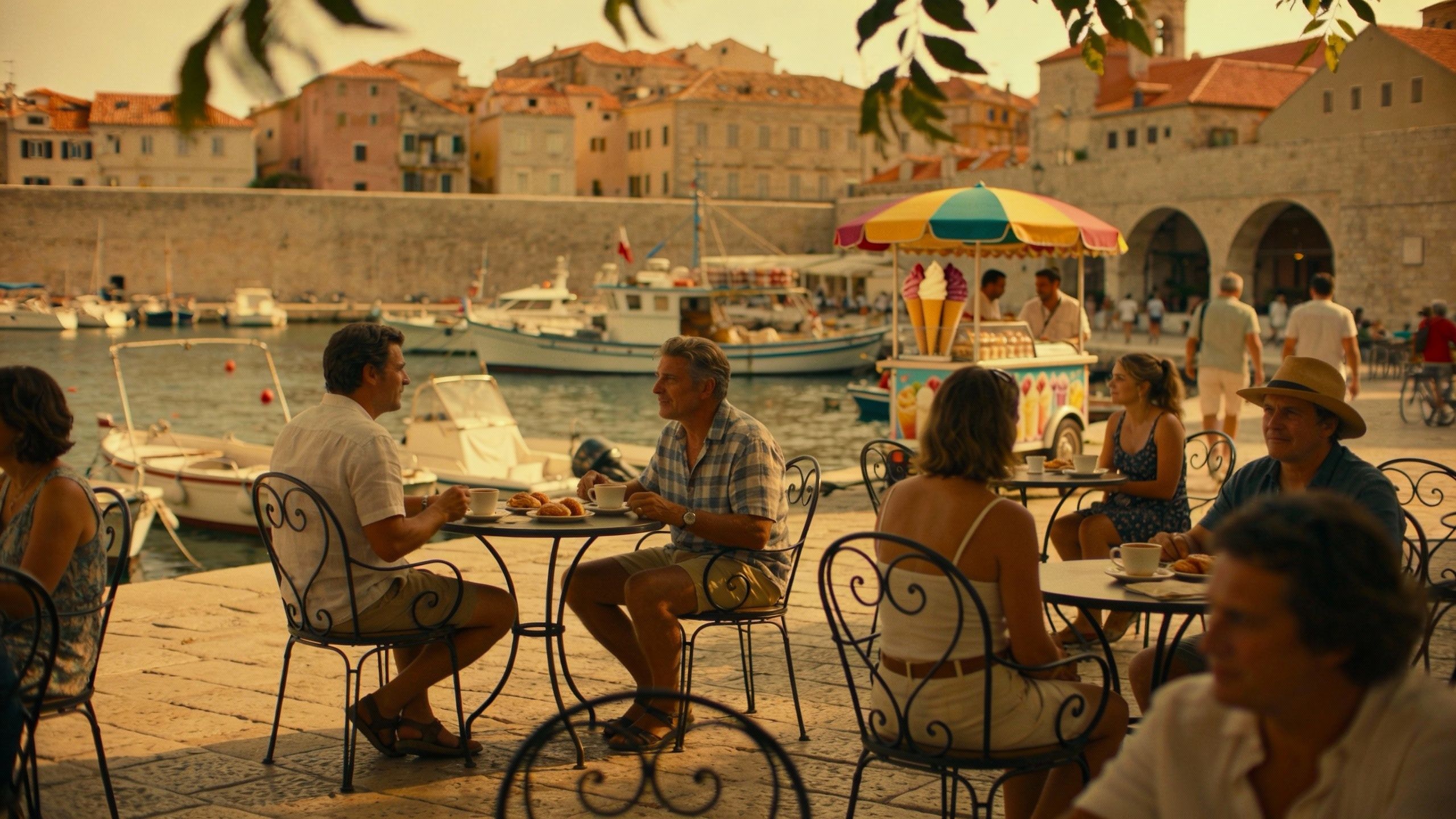
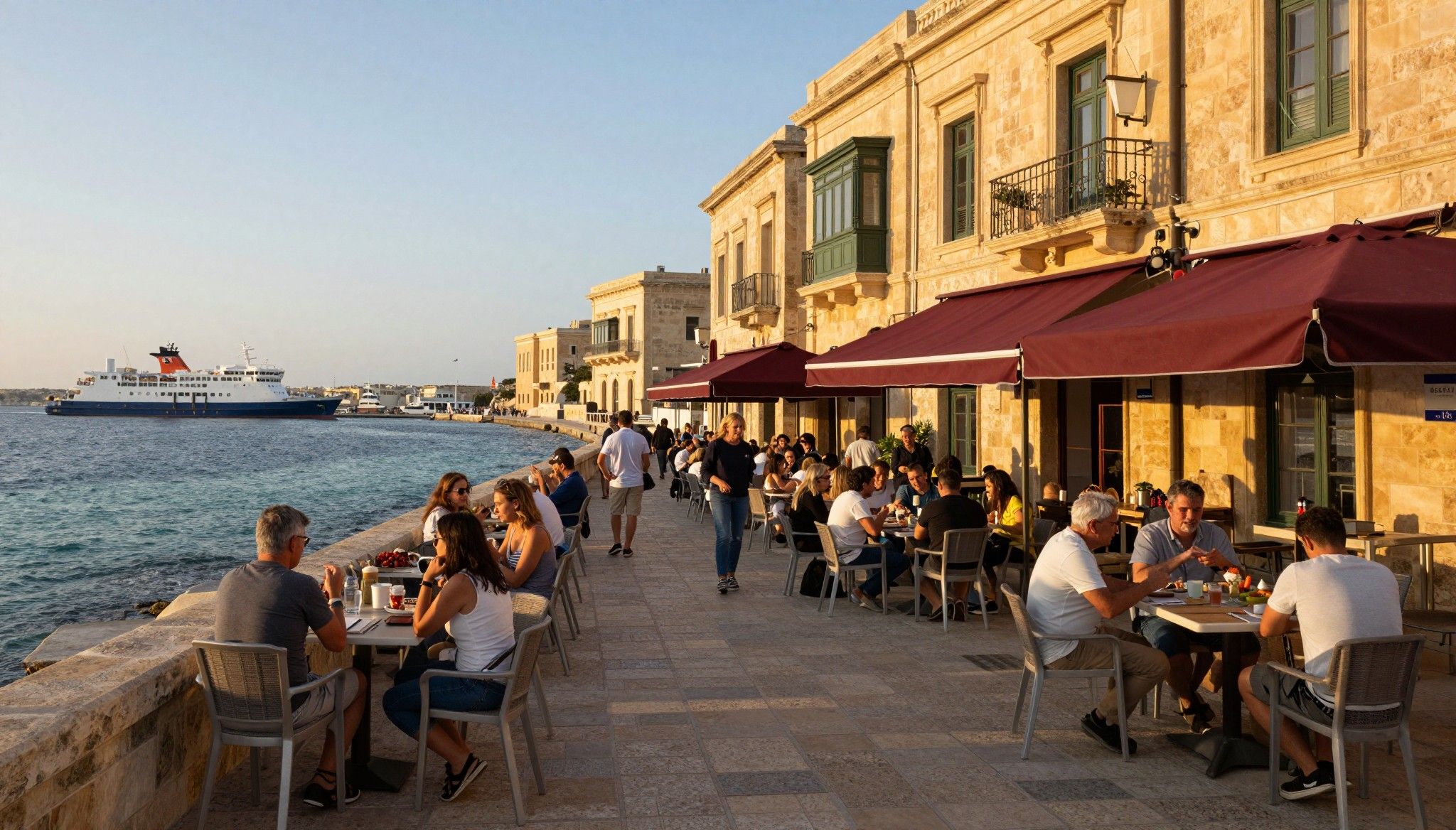
Imagine waking up to espresso steam on a narrow street in Trastevere, then spending the afternoon at a sun-warmed café in Puglia before dinner by a Ligurian harbour. Italy isn't one place — it's a set of daily rituals: markets at dawn, long lunches, and neighbourhoods that keep their rhythms. For international buyers that mix dream and diligence, this article pairs the lived-in pleasures of Italian life with the practical market signals that matter now.
Living the Italy lifestyle
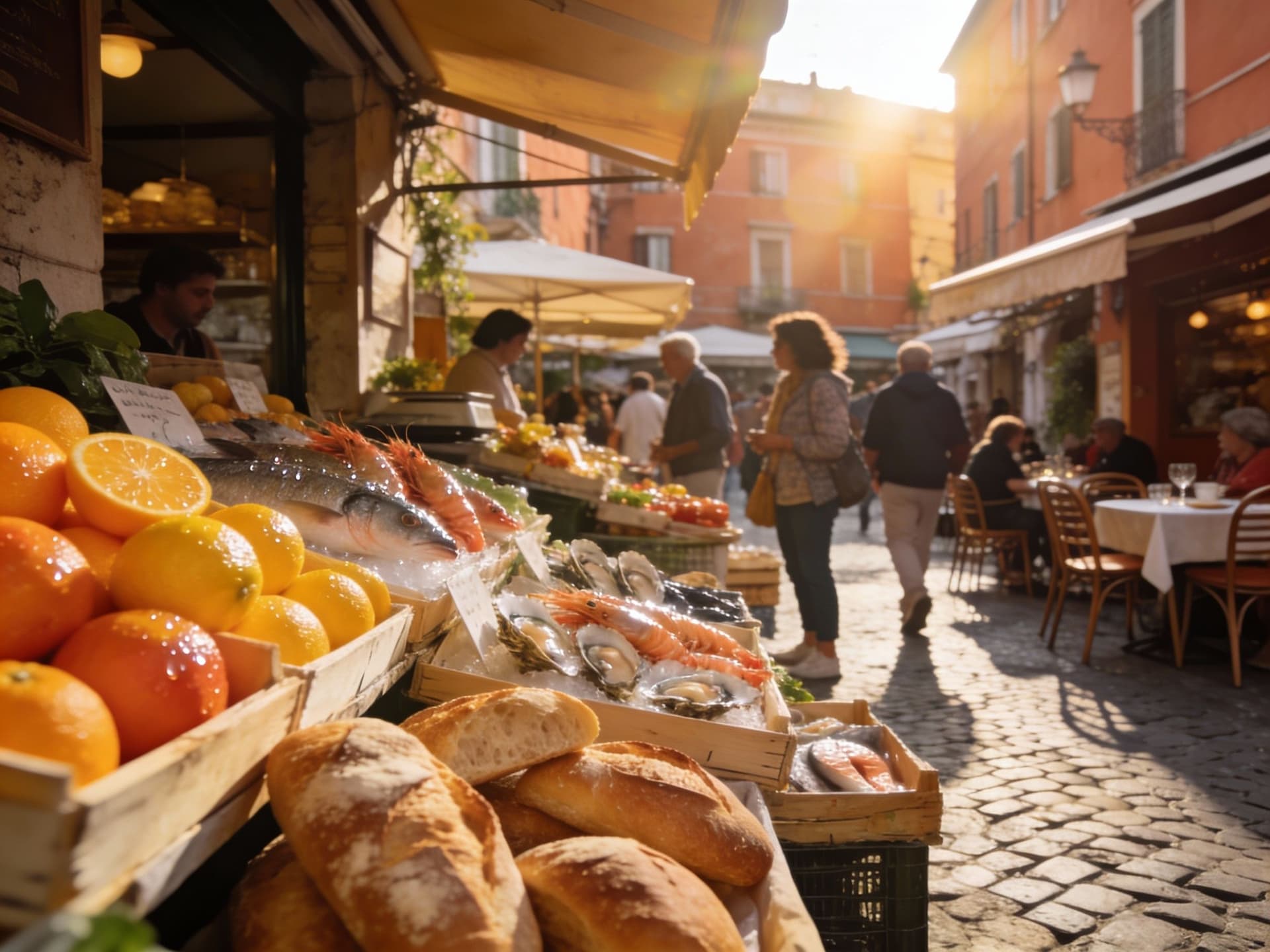
Italy's daily atmosphere is sensory: the clatter of market crates in Mercato di Testaccio, the citrus scent in Amalfi's alleys, and slow evening passeggiatas in Milan's Navigli. Life centers around neighbourhood piazzas and small retail — bakeries, barber shops, and trattorie that remember your order. This pattern affects how you choose property: proximity to a lively piazza or a quiet gardened lane shapes both the quality of life and resale appeal.
Rome: Trastevere, Prati and the quieter streets
Trastevere gives you cobbles, osterie and an evening buzz; Prati offers tree-lined streets, Neoclassical façades and quieter repairable flats. In both, a small apartment near a reliable market will rent consistently to short-stay visitors and longer-term tenants. If you crave daily bustle, a central courtyard flat wins; if you want calm, seek side-streets off the main piazzas.
Coast & countryside: Amalfi, Liguria, Puglia
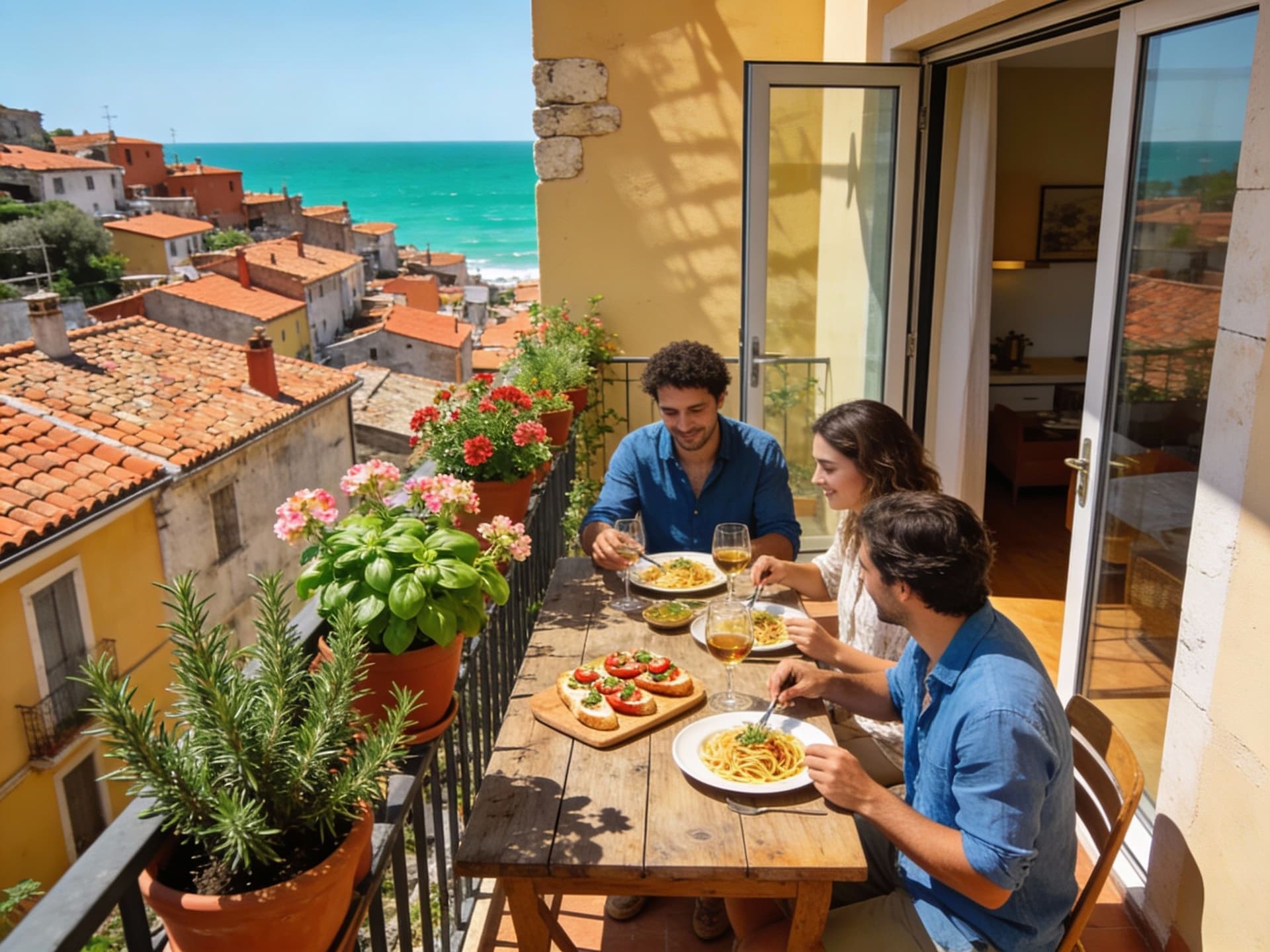
From Amalfi's postcard coves to Puglia's trulli-lined lanes, coastal properties trade lifestyle for seasonality. Puglia has drawn rising international interest for lower prices and renovation potential; Liguria and Amalfi command premiums but deliver year-round tourism and strong short‑let demand. Think: what rhythm do you want — summer-focused seaside life or a coastal town with a year-round community?
- Lifestyle highlights to scout in person: weekly food markets (Testaccio, Mercato di San Lorenzo), neighbourhood cafés (Bar San Calisto, Caffè Florian), coastal promenades (Amalfi, Monterosso), local festivals (Sagra della Puglia), and reachable airports (Rome Fiumicino, Milan Malpensa).
Making the move: practical considerations
Dreams meet data when you start looking seriously. Italy's national House Price Index shows modest but steady growth in recent years, with regional variation between big-city cores and rural provinces. That divergence matters: prime central Milan or Florence behaves differently to a farmhouse in Puglia. Use national data to set expectations, then zoom into municipal records and agency listings for street-level pricing.
Property styles and how they fit daily life
A restored palazzina flat in Centro Storico means high ceilings and limited parking — perfect for someone who walks everywhere. A renovated stone farmhouse in Umbria gives indoor-outdoor space, but expect higher maintenance and heritage rules. Coastal apartments often trade sea views for thermal and damp-management needs; check insulation, drainage and terrace orientation before committing.
Working with local experts who know the life, not only the law
Choose agents who can point you to the café where renters gather, the corner where street parking is realistic, and the builders who understand regional heritage rules. Agencies with local-relocation experience save weeks on logistics — from utility activation to seasonal rentals. Ask for references from expats who bought in your target neighbourhood, not just glossy sales brochures.
- Steps that mix lifestyle and practical: 1) Visit in your target season; 2) Meet a local agent and an architect; 3) Check municipal planning and noise maps; 4) Test commute and market routes; 5) Request recent rental performance if you plan to let the property.
Insider knowledge: what expats wish they'd known
Expats repeatedly tell the same stories: buy the rhythm before you buy the bricks. Ski villages in the Dolomites can spike in value after infrastructure investment; southern towns can surprise with low entry prices but patchy services. Local festivals reshape life for months but may compress rental seasons, which matters if you rely on short‑lets.
Cultural integration and daily community
Learning basic Italian opens doors: shopkeepers remember names, neighbours share tips on building contractors, and invitations to small events multiply. Expat communities exist — from British pockets in Tuscany to international groups around Milan — but the deepest friendships often come from local involvement: language classes, volunteer markets, or a weekly bocce match.
Long-term lifestyle and ownership realities
Think maintenance cycles, energy upgrades, and local governance: Italy's mix of old stock and newer developments means you'll plan for renovation sooner than in northern Europe. But well-chosen renovations — seismic retrofits, efficient glazing, and sympathetic finishes — both improve life and increase market appeal in towns where heritage matters.
- Red flags and local checks: confirm building permissions, inspect for damp and salt corrosion on coasts, verify utilities and broadband speeds, ask about condominium minutes and special assessments, and check seasonal accessibility for mountain properties.
Conclusion: Italy can deliver a life centred on food, neighbourhoods and seasonal rituals — but the best purchases come from pairing that desire with street-level research, local experts and a clear view of costs. Visit in different seasons, prioritise the lifestyle you want, and work with agencies that understand both local culture and up-to-date market data before you sign.
BlueprinteraDutch investment strategist with a Portugal-Spain portfolio. Expert in cross-border financing, rights, and streamlined due diligence for international buyers.
Related Articles
More insights that might interest you
 Villa Curated
 Villa Curated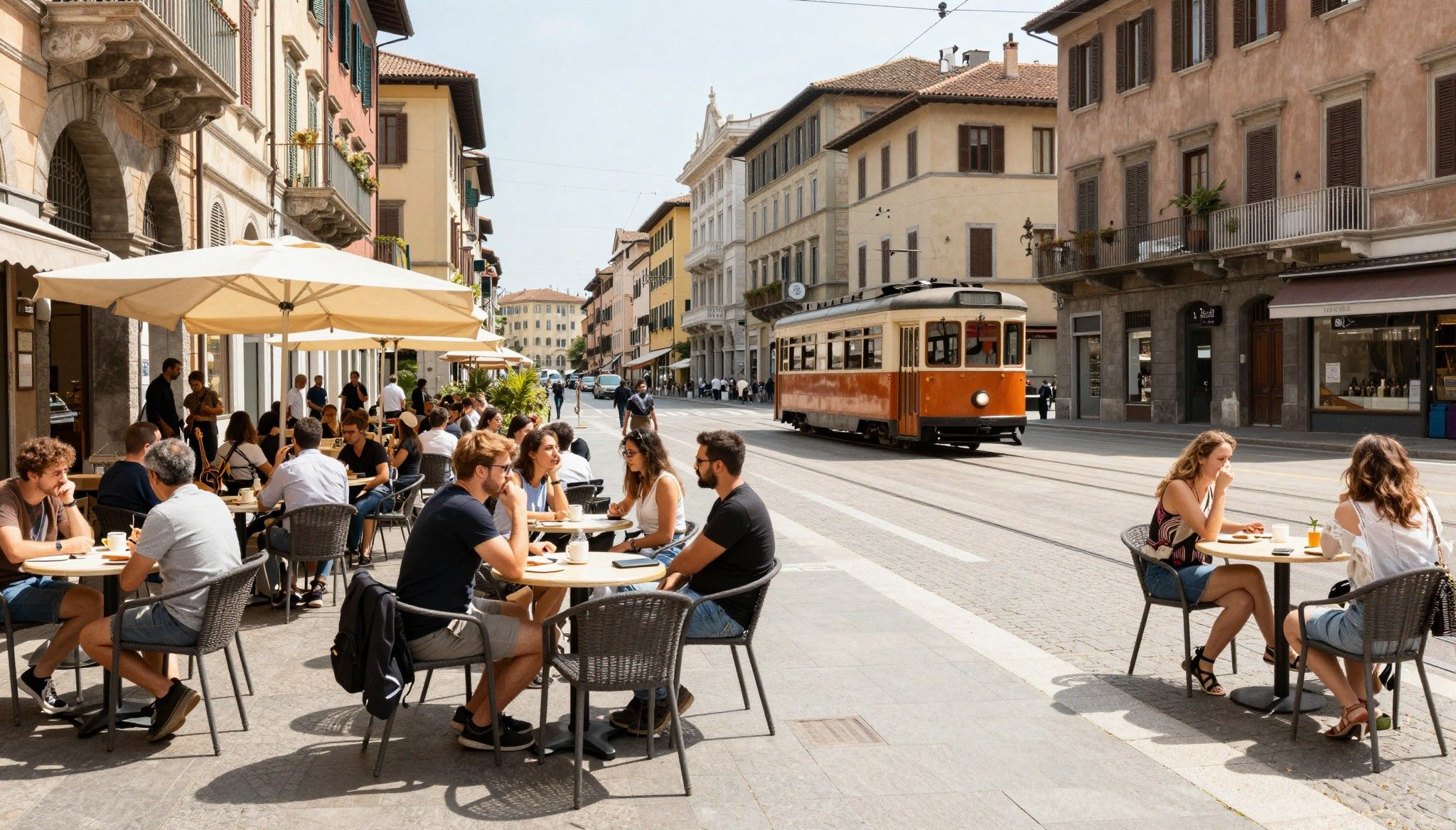
 The Yieldist

