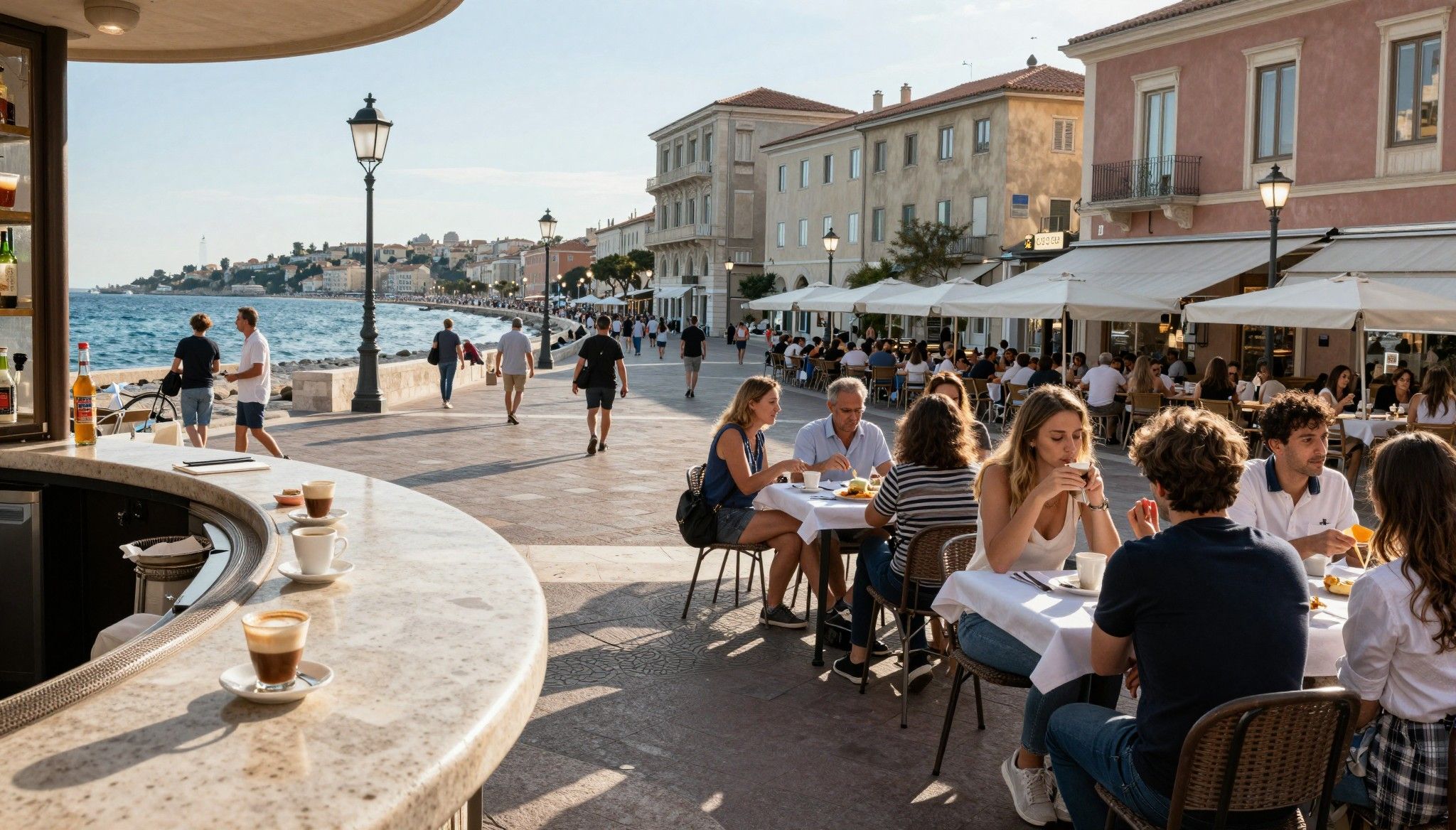
Italy: Where Coastal Value Outshines the Hype
Compare Italy’s city pulse and coastal calm: where daily life, seasonality and regional price data reveal surprising value for international buyers.
 Blueprintera
Imagine stepping out at 09:00 to buy ricotta at Mercato di Testaccio, then catching an evening ferry to a Ligurian cove for dinner. That duality — city mornings steeped in espresso and market chatter, coastal evenings with salt air and small‑town rhythms — is how many international buyers fall for Italy. But the obvious postcard choices (Amalfi, Positano, Centro Storico) hide tradeoffs; the real opportunity often lives where local life and sensible prices intersect. This piece shows where lifestyle beats headline prices and what to ask your agent before making an emotional offer.
Living the Italy lifestyle — more than a postcard
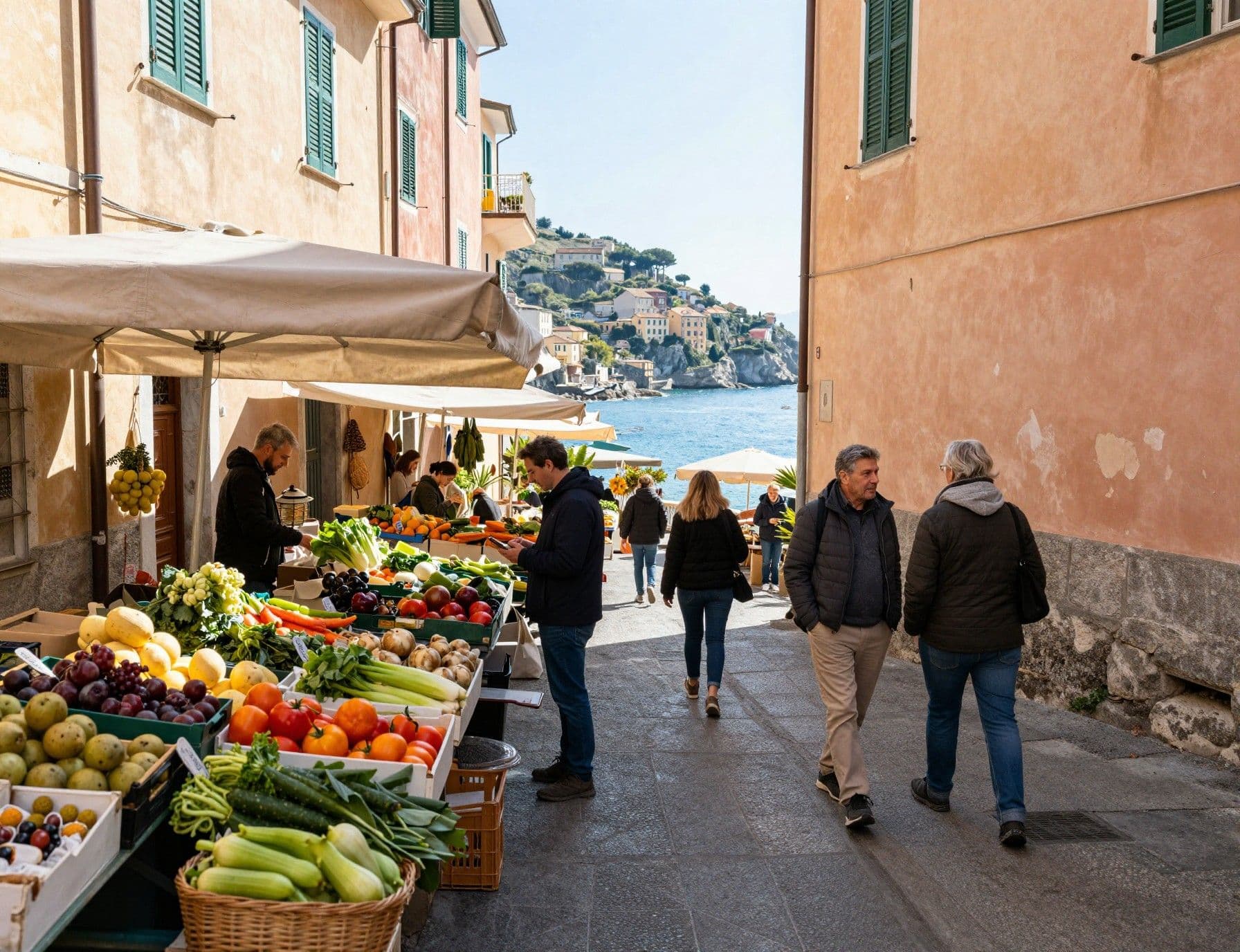
Italy moves at a layered pace: mornings for markets and cappuccino, late afternoons for a passeggiata, and evenings that favour tables over televisions. Neighborhoods are defined by ritual — the bar that knows your name, the piazza where kids play after school, the gelateria that closes only on Mondays. For an international buyer the question isn’t just ‘can I afford a sea view?’ but ‘which daily rhythms do I want to join?’ That choice determines the region, building type and even which season you should visit to house‑hunt.
Rome mornings vs Ligurian evenings: contrasting neighborhoods
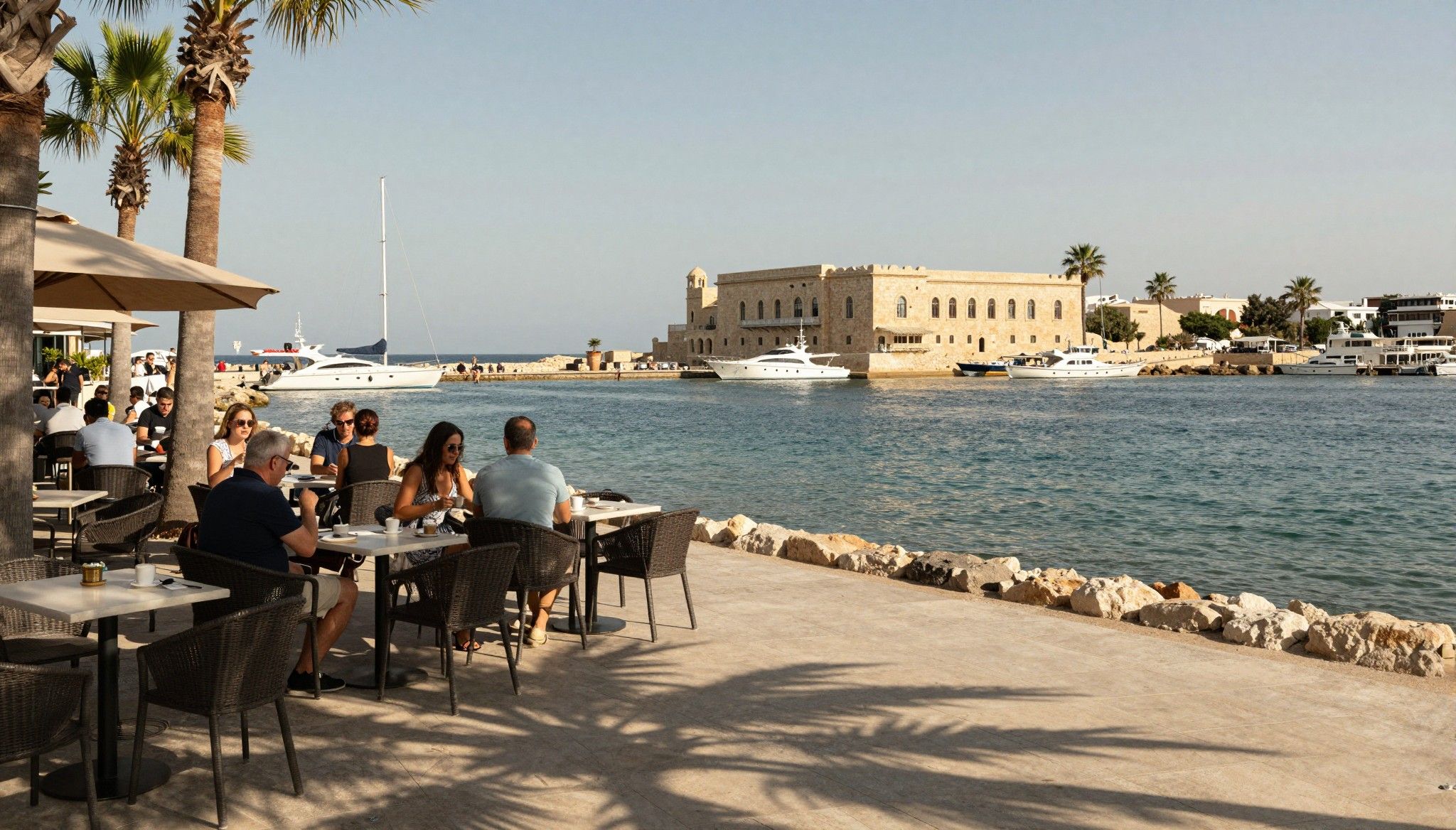
Take Trastevere in Rome: narrow cobbled lanes, late cafes, and a strong neighbourhood identity. Contrast that with Camogli or Sestri Levante on the Ligurian coast where life is paced around the sea, small artisan shops and weekly fish markets. Both deliver Italian authenticity; Trastevere keeps you in cultural density and transport links, while Liguria offers village calm, lower daytime crowds outside peak summer, and properties that often include terraces and sea‑facing loggias.
Food, markets and the social calendar
Food shapes life in Italy: morning markets supply lunches, serate sotto le stelle (evening gatherings) define summers, and festivals anchor off‑season community. Regions differ — Puglia’s orecchiette and open‑air markets, Liguria’s pesto and seaside fish stalls, Tuscany’s weekend agriturismo circuits — but each offers a daily life that translates directly into how you’ll use a kitchen, terrace or local storage. For buyers this means evaluating neighbourhood market access and seasonality as seriously as square metres.
Market, beach and culture highlights: • Morning market: Mercato Centrale, Florence — weekday food ritual • Coastal strolls: Sestri Levante’s Baia del Silenzio — daily swim culture • Street café: Via Benedetta, Genoa — late afternoon coffee scene • Small‑town festa: Alberobello’s seasonal celebrations — authentic community • Local favourite: Trastevere’s bakeries — morning neighbourhood life
Making the move: lifestyle-led, evidence-backed choices
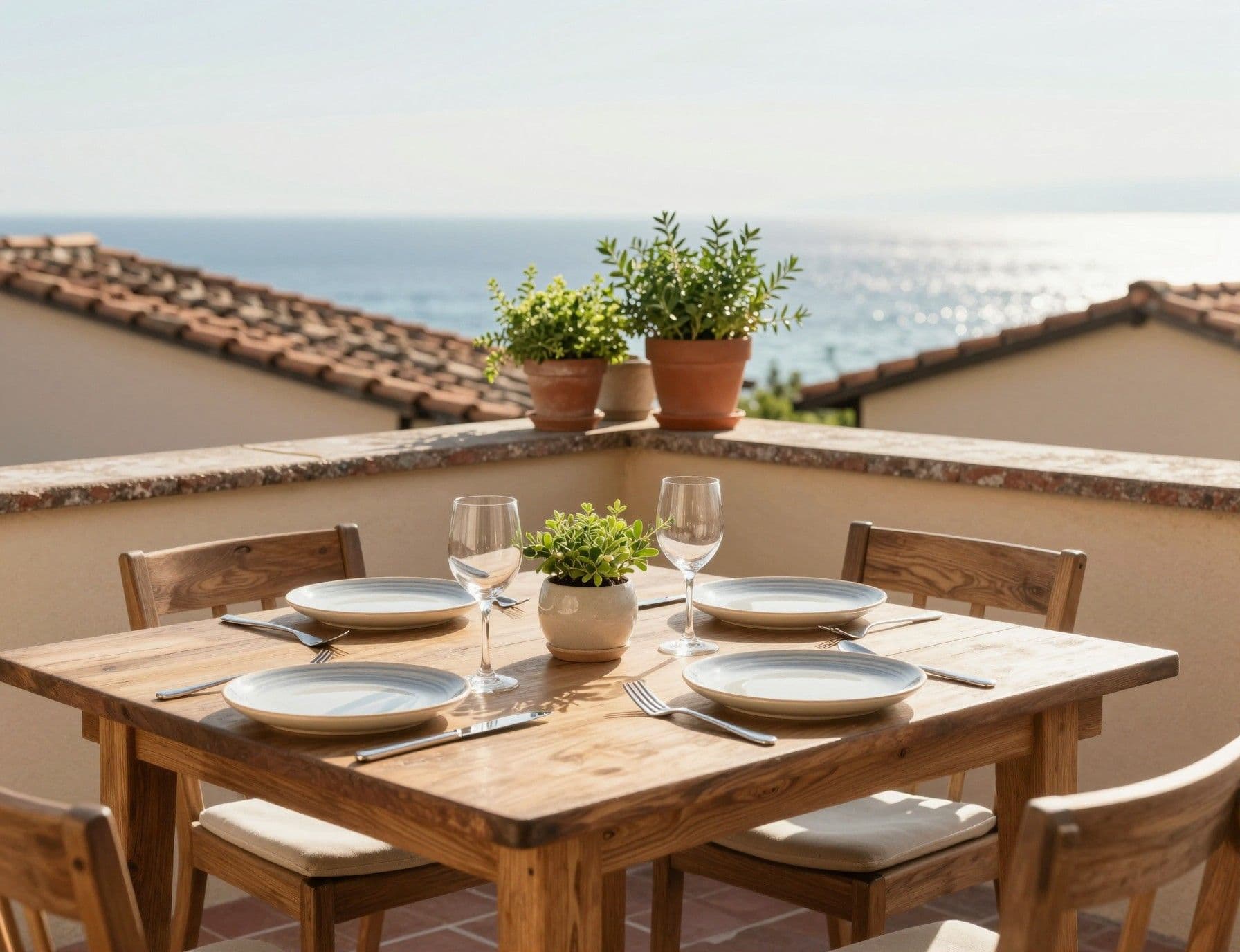
Dreams meet data at the negotiation table. National averages hide regional divergence: as of early 2026, asking prices averaged around €2,100/m² nationally but vary dramatically — Milan and coastal luxury pockets can be many times higher while inland or emerging coastal towns remain considerably more affordable. Use market snapshots from reliable portals alongside local agency intel to match lifestyle desire with realistic budgets before you fall in love with a façade.
Property types that fit how you live
A central apartment offers steps to culture and year‑round rental demand; coastal homes usually trade seasonally but can deliver higher holiday‑rental yields if managed well. Farmhouses and converted masserie give space and privacy but need renovation budgets and community integration. Match property type to routine: if markets, cafés and transport matter, prioritise compact city flats; if sunsets and terraces define your days, focus on seaside towns with year‑round services.
How to blend lifestyle and pragmatism (step‑by‑step): 1. List daily rituals: morning market, evening passeggiata, weekly beach swim. 2. Map those rituals to neighbourhoods — visit in shoulder seasons to test authenticity. 3. Pull recent price data for 3 comparable streets and 3 months of listings. 4. Ask agencies for running costs and local permit timelines for renovations. 5. Reserve inspection weeks in both city and coast to compare noise, deliveries and community.
Insider knowledge: what expats wish they'd known
Expats often underestimate seasonality and community cycles. Coastal towns swell in July–August and quiet by October; shops and services may follow that rhythm, affecting year‑round living and rental income. Census and price indices from ISTAT show notable regional variance, so don’t generalise from a single visit. A smart buy balances the intimacy of a village with the practicalities of off‑season life: groceries, health services and transport.
Language, integration and local rules
Italian bureaucracy rewards patience and local relationships. Learn basic Italian for daily exchanges and use a bilingual notary and a reputable local agent who understands municipal rules — especially in coastal conservation zones where renovation permits and heritage constraints matter. Agencies that live the local life (know the café owners, the carpenter, the solicitor) will save you time and money; treat them as cultural translators as much as transaction facilitators.
Practical expat tips: • Visit in spring and late autumn to see true year‑round life. • Check municipal rules for Sismabonus/Ecobonus if renovating. • Verify accessibility outside high season — public transport, medical services. • Ask neighbours about winter occupancy and delivery reliability. • Factor in insulation and heating costs for older stone houses.
Italy delivers a life you can taste and touch: markets that teach you the week, piazzas that schedule your evenings, and coastlines that slow time. If you pair that sensory life with data — local price trends, seasonality checks and an agency fluent in both contracts and customs — you buy more than a property: you buy an entry point to everyday Italian living. Next steps: shortlist two neighbourhoods that match your rituals, collect three months of listing data via national portals, and book shoulder‑season visits with a local agent who knows the off‑season reality.
BlueprinteraNorwegian market analyst who relocated to Mallorca in 2020. Focuses on data-driven market insights and smooth relocation for international buyers.
Related Articles
More insights that might interest you
 Villa Curated
 Villa Curated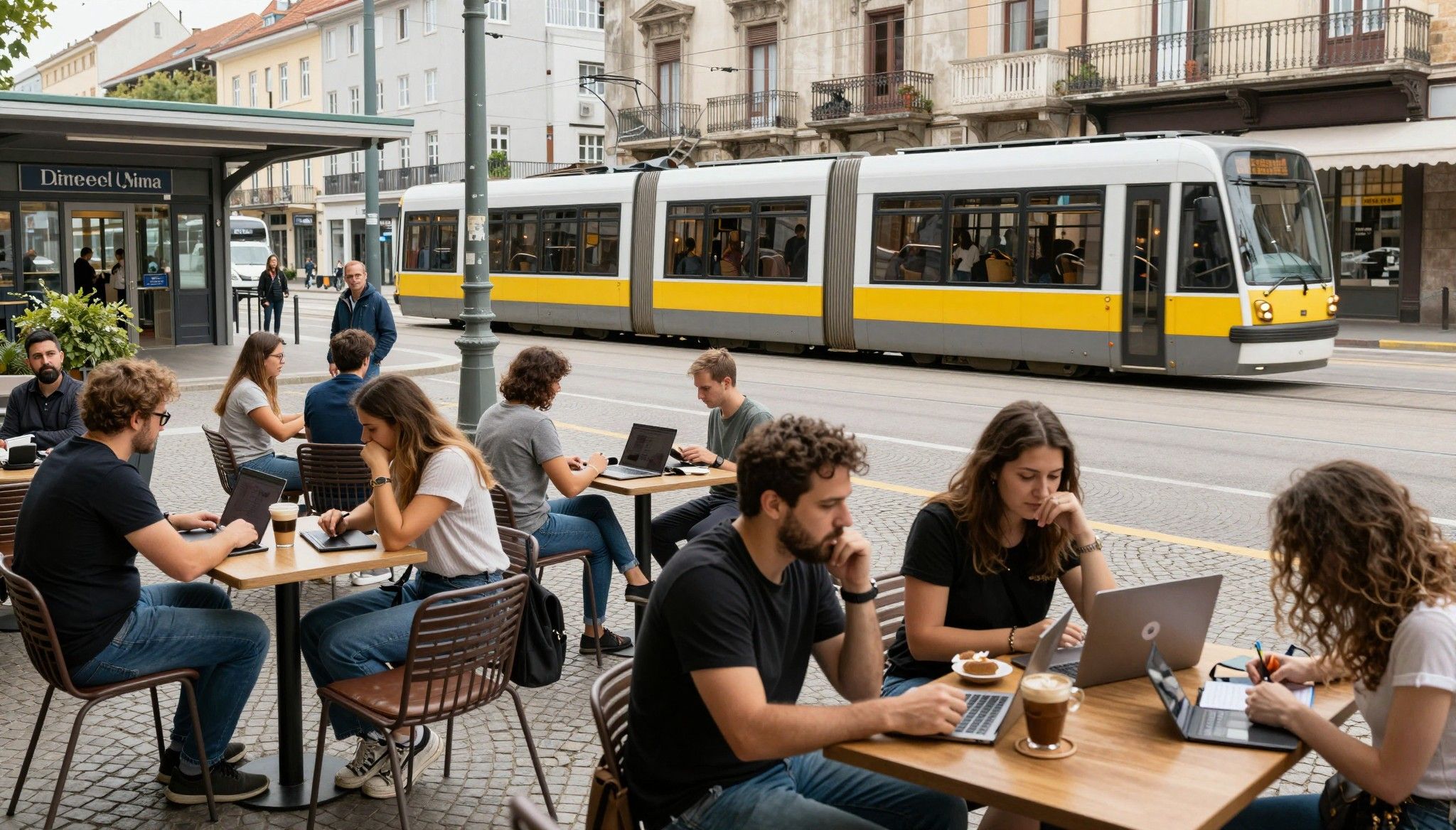
 The Yieldist

