Skip the Sea‑View: What Malta Buyers Often Overpay For
Malta’s lifestyle is magnetic, but micro‑location and small property features (terrace, aspect, levies) drive value—use RPPI data and policy signals to buy smart.
 Blueprintera
Imagine starting your morning with espresso on a limestone balcony in Sliema, watching fishermen mend nets in Marsaxlokk by noon, and finishing the day under string lights in a restored Valletta courtyard. Malta’s compact islands compress culture, coastline and convenience into walkable neighbourhoods — a huge part of the island’s appeal for international buyers who want life lived outside the car. But beneath that Mediterranean ease is a market where small differences—terrace size, a single southern aspect, a few metres from a bus route—can mean tens of thousands of euros.
Living the Malta lifestyle
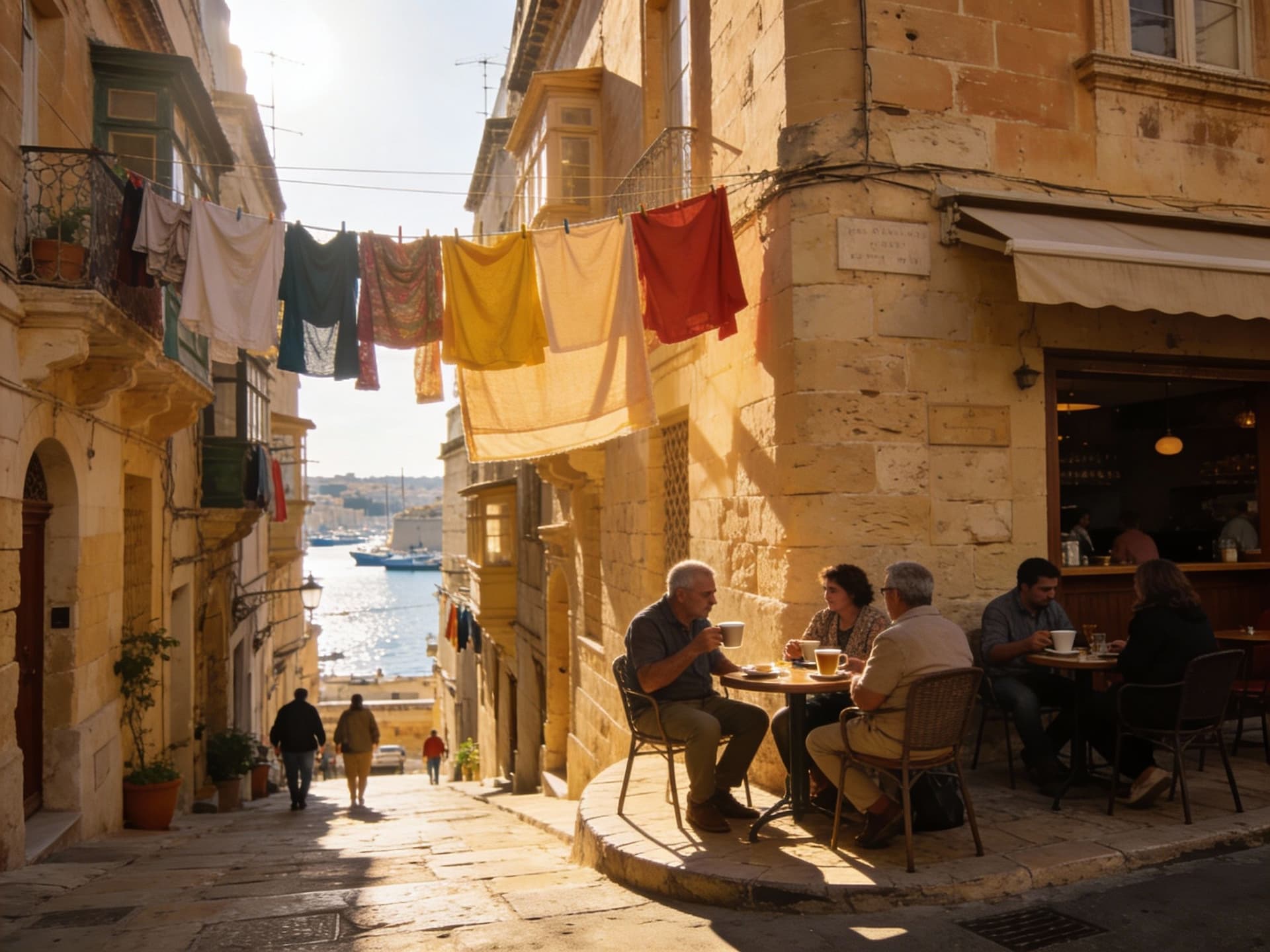
Life in Malta feels dense and domestic: morning cafes on Triq ir-Repubblika in Valletta, late‑afternoon swims at Għajn Tuffieħa, neighbourhood conversations in St Julian’s Paceville (less about nightlife, more about people-watching in the quieter lanes). The islands move between centuries in moments—Baroque churches beside modern marinas—so buyers should imagine not only floor plans but how day‑to‑day routines will fit into narrow streets, seasonal crowds and communal rhythms.
Valletta and the Grand Harbour: live among the monuments
Valletta is compact—think 15 minutes from the Upper Barrakka Gardens to the waterfront—and living here means choosing vertical life: limestone façades, internal staircases, and terraces that feel like private stages. If you value daily cultural life—galleries, opera nights, harbour ferries—Valletta delivers. But expect limited surface parking, heritage constraints on renovations, and smaller internal square metres compared with newer coastal developments.
Sliema, St Julian’s and the coast: beaches, cafes and commuter ease
Sliema and St Julian’s are where mornings stretch into al‑fresco lunches and itinerant cafés define the day. For buyers who want a balance of convenience, modern apartments and rental demand, this corridor is sensible: ferry and bus links to Valletta, compact supermarkets, and a steady visitor stream that supports short‑let income. Still, sea views here are priced steeply—sometimes more for the postcard than for everyday use.
- Lifestyle highlights worth knowing
- Morning espresso on Triq l-Indipendenza, Valletta
- Sunday fish market at Marsaxlokk followed by a swim at Pretty Bay
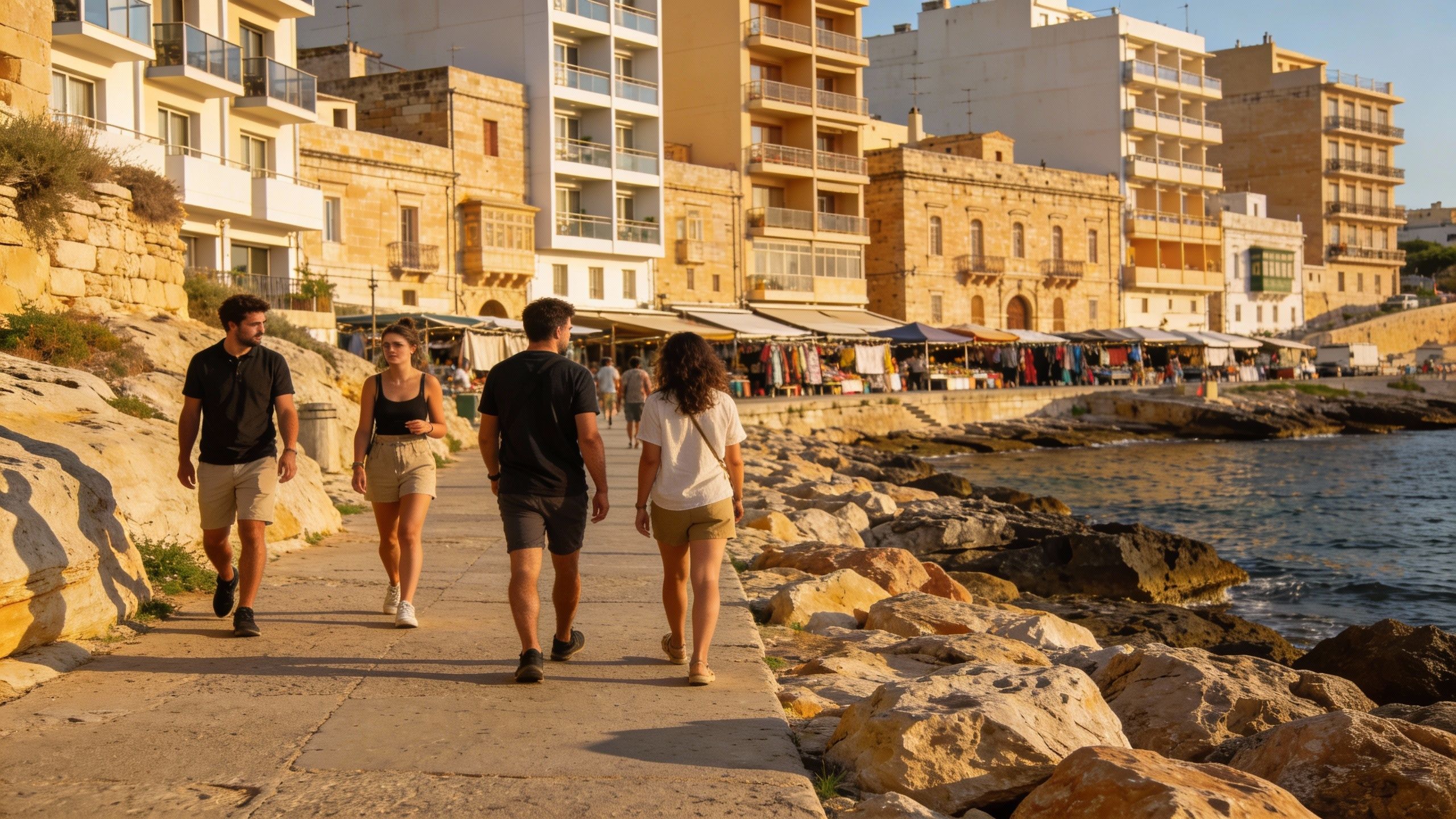
- Sunset walks along Sliema promenade and terrace dining in St Julian’s
Making the move: lifestyle meets the market

Malta’s lifestyle is the emotional pull; the property market is the practical counterweight. Prices have climbed steadily, and small differences in micro‑location or a generous terrace can change both enjoyment and value. Understanding which features actually improve daily life — and which are market myths — is the quickest way to buy with confidence.
Property styles and how they shape your life
From converted townhouses in Rabat to glass‑fronted penthouses in St Julian’s, Maltese properties answer different lifestyle briefs. Maisonettes and traditional houses give outdoor space and character but often need sympathetic renovation. New builds bring insulation and lift access but usually smaller terraces. Decide whether you want immediate move‑in comfort (modern developments) or the slower reward of restoring a character home—both come with trade‑offs in time, cost and lifestyle.
Work with local experts who translate lifestyle into listings
Choose an agent who knows the small, repeated preferences that matter here: which streets have morning sun, where building maintenance levies hide, and which developers deliver as promised. Agencies that sit between lifestyle and listings will show you realistic comps and point out micro‑risks—noise corridors, heritage restrictions, or flood‑prone quayside blocks—that aren’t obvious from photos.
- Steps that blend lifestyle priorities with market reality
- List the life you want (daily walk, market access, terrace use) then demand showings at those times of day.
- Ask your agent for three recent comparable sales on the same street—not just the neighbourhood—to verify value.
- Prioritise robust heating/cooling and insulation in older homes; a small renovation can deliver outsized comfort returns.
- Factor in levies, communal maintenance and permit timelines for any alteration you plan.
Insider knowledge: what expats wish they'd known
Expats often tell the same surprises: language is less of a barrier than expected, but bureaucracy and timing are real. Seasons transform neighbourhood life—summer brings international vibrancy and higher short‑let returns, winter reveals which streets are delightfully quiet. Long‑term happiness usually tracks to community: regular coffee spots, a local greengrocer, and predictable transport links.
Integration, language and social life
English is an official language in Malta, which eases daily life and legal processes for many buyers. But making friends often follows local rhythms: weekday evenings at neighbourhood cafés, festa weekends in village squares, and volunteering at community events. Adopt the pace and you’ll find smaller communities open quickly—residents value longevity and neighbourliness.
Long‑term lifestyle and investment realities
Prices have risen consistently. The National Statistics Office reported a 5% increase in the Residential Property Price Index (RPPI) between 2023 and 2024, and later data show continued annual growth—factors that shape both holding costs and resale expectations. Smart buyers align lifestyle choices with liquidity—central, transport‑linked homes hold demand better than niche coastal spots outside main towns.
Market data from the National Statistics Office and reporting on policy changes show two important realities: demand remains strong, and policy shifts (for example, recent rulings around citizenship‑for‑investment programs) change investor appetite and the regulatory backdrop. Use official RPPI figures and reputable reporting to stress‑test assumptions when pricing or rental income form part of your plan.
Practical red flags to watch for
- Unclear levies or sinking fund provisions
- Incomplete permits for rooftop/terrace use
- Overpaying solely for transient sea views rather than daily usability
- Assuming short‑let returns without local licensing and compliance checks
Conclusion: fall for the life, buy with precision. Malta’s compressed beauty and accessible culture make it easy to imagine a new life; the savvy buyer balances that imagination with close attention to micro‑location, building rules and market data. Start by visiting at different times of day, get street‑level comparables, and work with an agent who treats lifestyle as seriously as spreadsheets. When lifestyle and numbers align, Malta delivers a life that feels both local and remarkably possible.
BlueprinteraNorwegian market analyst who relocated to Mallorca in 2020. Focuses on data-driven market insights and smooth relocation for international buyers.
Related Articles
More insights that might interest you
 Villa Curated
 Villa Curated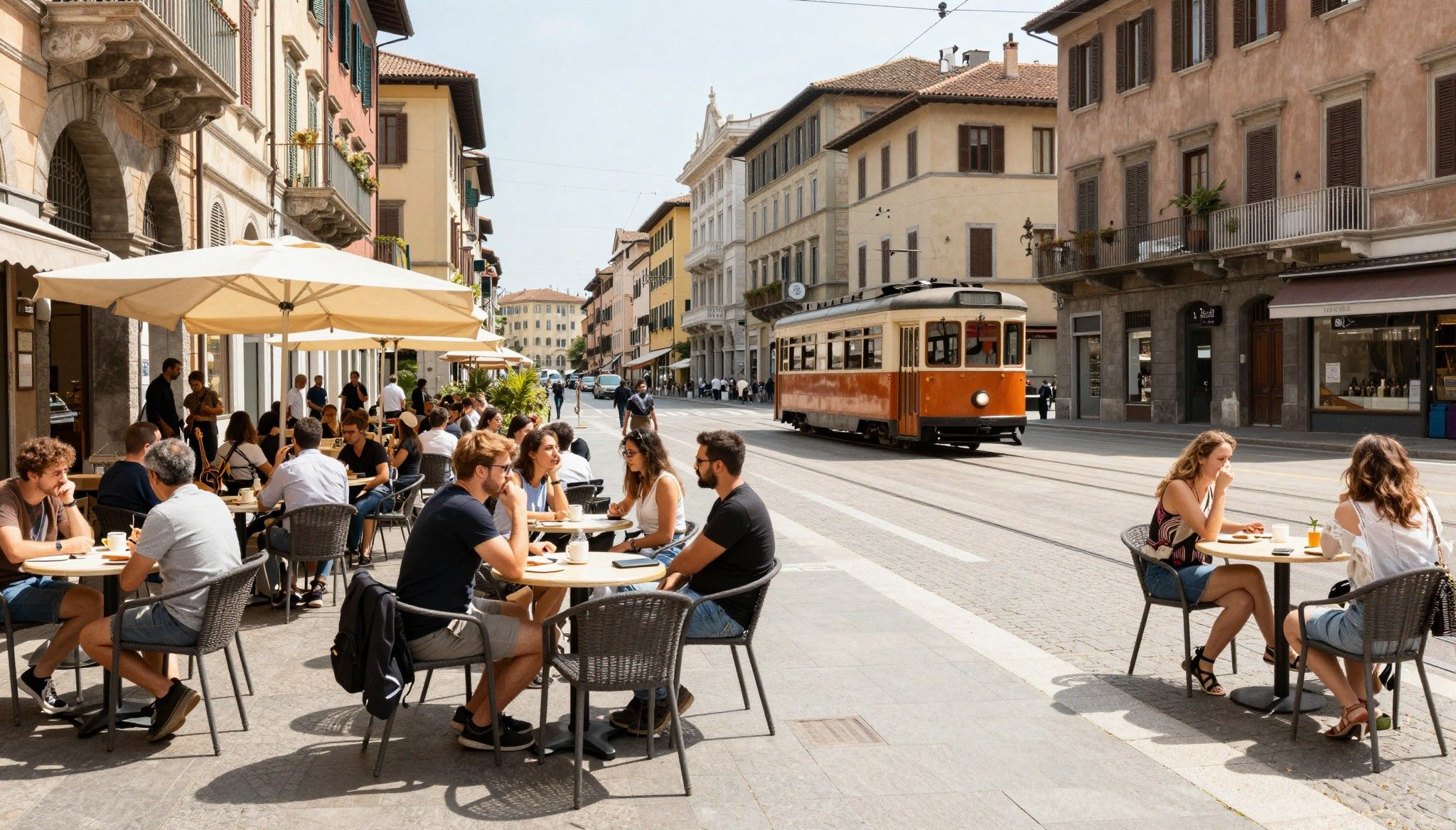
 The Yieldist

