Greece: Seasonal Rhythms, Local Rituals & Market Reality
Greece blends everyday seaside rituals with active property markets; reports show rising prices and shifting foreign demand in 2025 — visit off-season, verify titles, and prioritise local expertise.
 Blueprintera
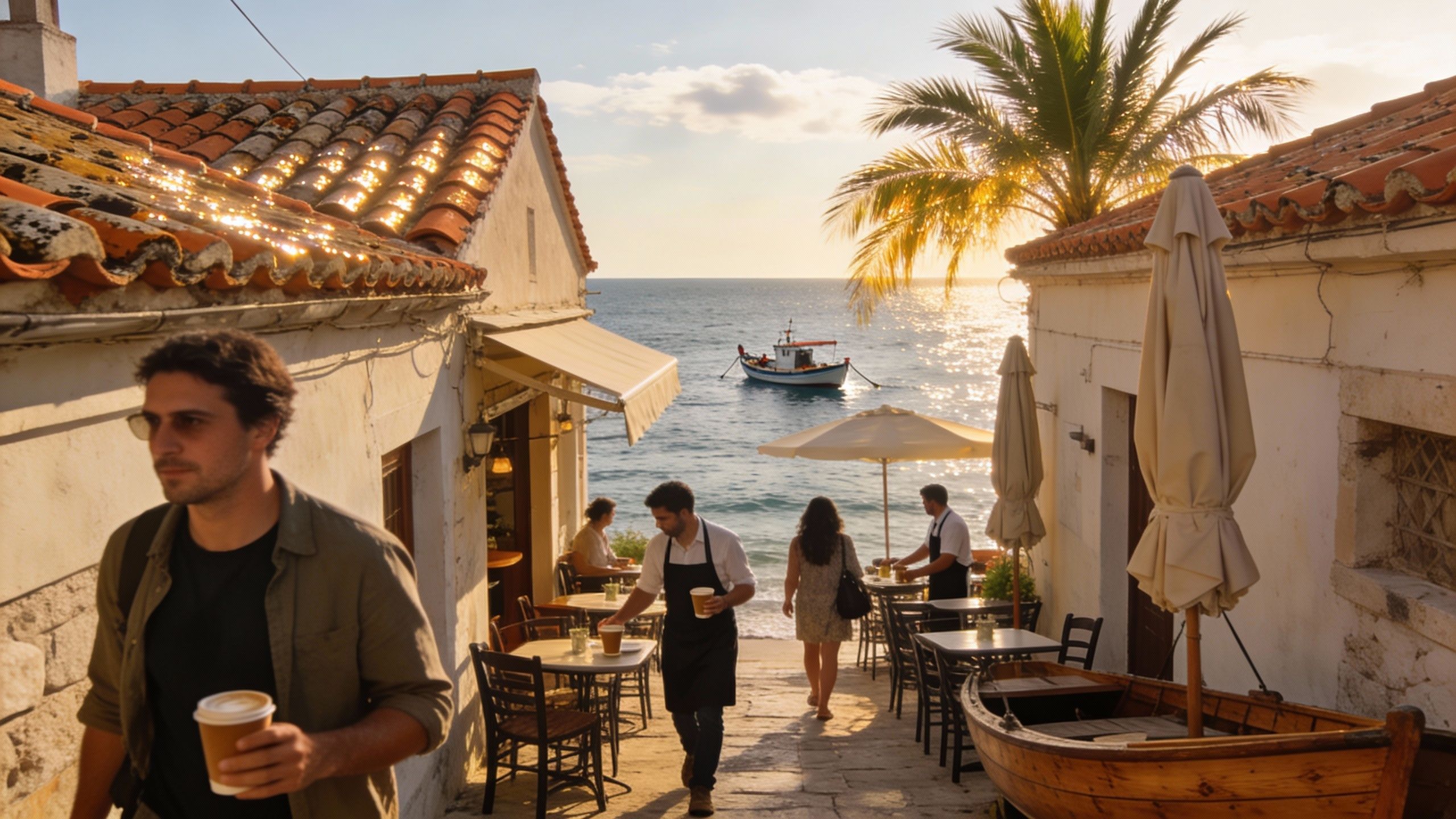
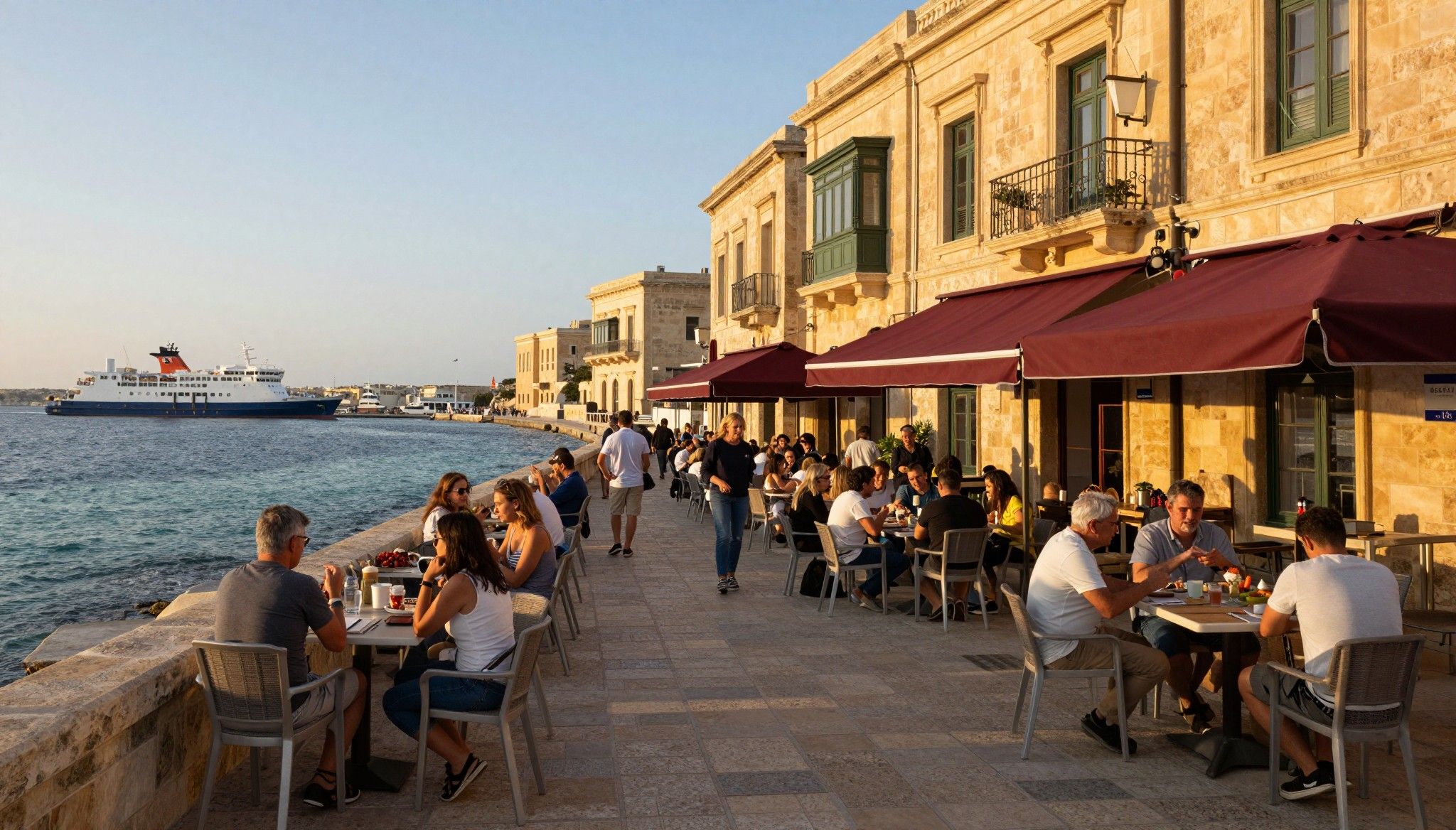
Imagine stepping out at dawn onto a small Athenian street, the smell of fresh koulouri and espresso, taverna tables being set, and the sea visible beyond the low-rise rooftops. In Greece that morning ritual is everywhere — in a Plaka lane, a Kato Patisia market, a Chania harbour café, or a terrace on Crete. For buyers, those everyday moments define value as much as square metres.
Living the Greece lifestyle
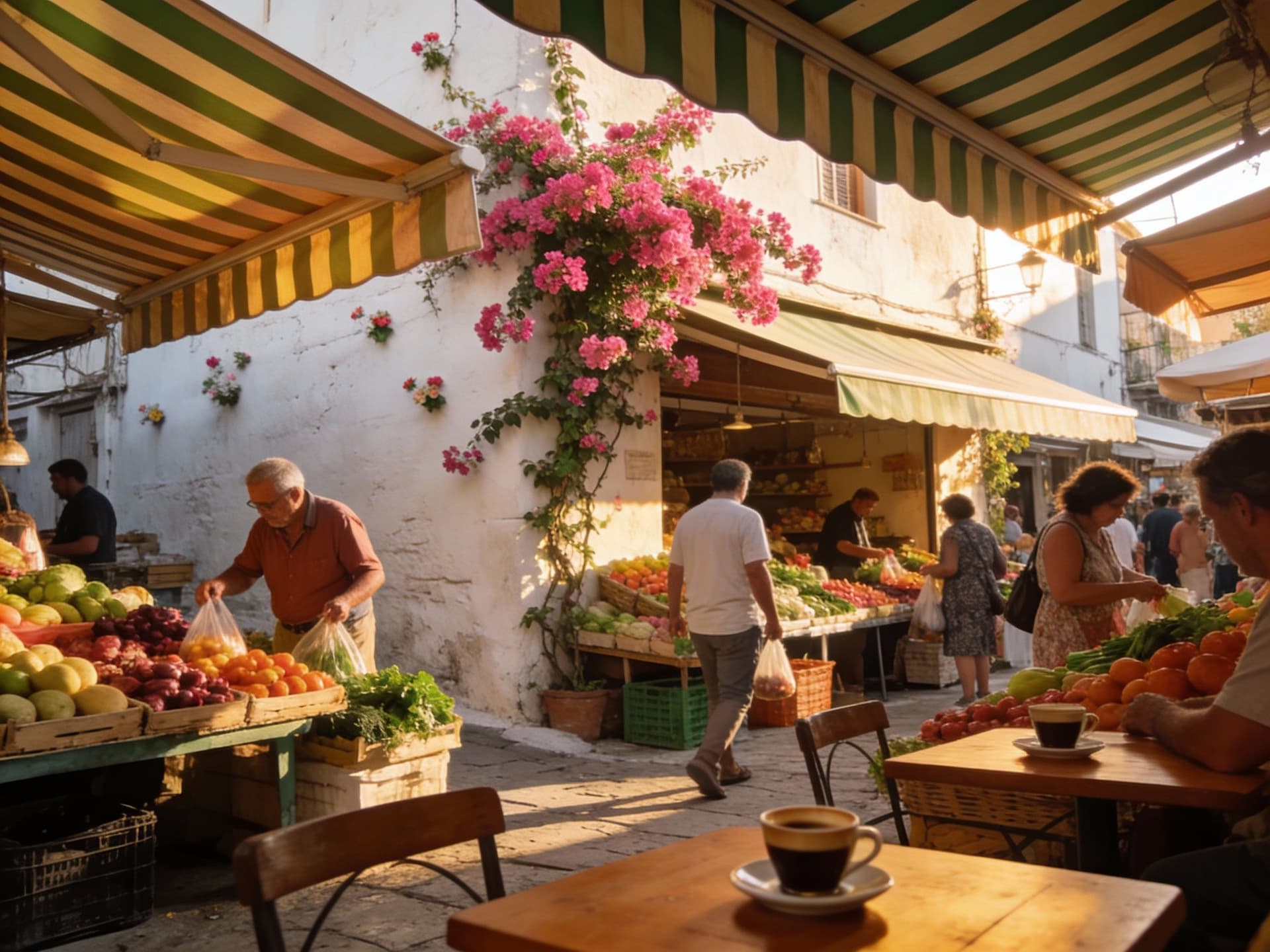
Life in Greece moves with the seasons but feels intimate year-round. Winters are low-tempo in islands like Naxos and quiet Athens neighbourhoods; springs fill markets with greens and jasmine; summers are active and social, centred on beaches, seaside tavernas and late-night festivals. The texture changes by neighbourhood: Athens’ Koukaki hums with cafés and culture, Glyfada is breezy and marina-focused, while Chania’s old town smells of sea and orange blossom.
Neighbourhood spotlight — Athens Riviera & Kifisia
Picture mornings in Glyfada walking the palm-lined promenade, afternoons sampling fish in Vouliagmeni, and evenings in Kifisia among pine-scented squares. Demand for Athens Riviera addresses jumped in recent years as buyers prize proximity to private marinas and quick routes into the city; local market reports show strong interest in northern suburbs and coastal pockets. These are neighbourhoods for buyers who want both city life and immediate sea access.
Food, markets and small rituals
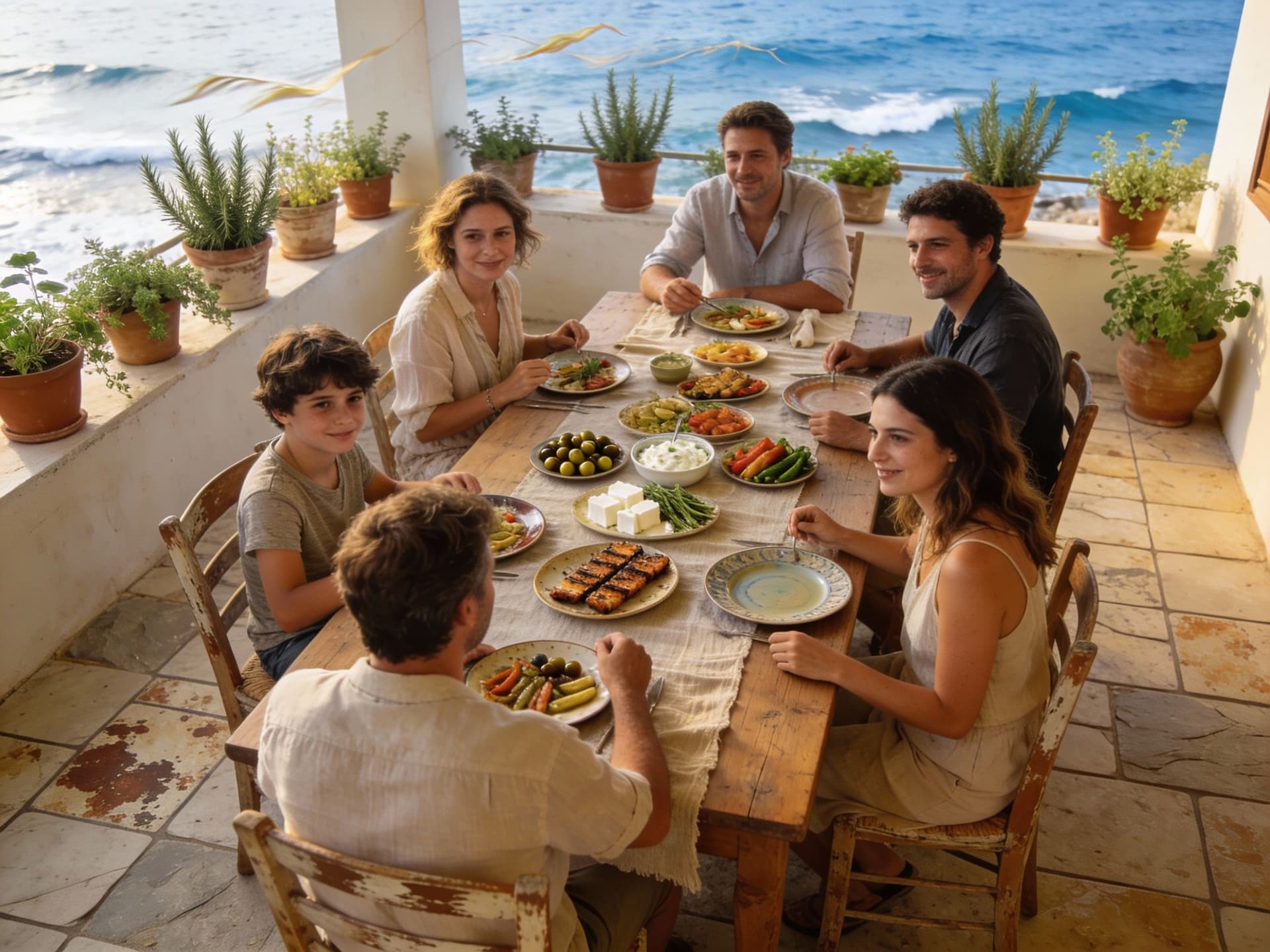
From morning markets in Monastiraki to seaside fish stalls in Chania, food shapes daily life. Buyers tell us they choose streets because of a baker, a favourite taverna, or a weekly farmer’s market. Recent reports note foreign buyers are spending more on higher-quality holiday homes, often prioritising modern kitchens and outdoor dining terraces that support that Greek ritual of long, shared meals.
- Lifestyle highlights: Koukaki cafés; Glyfada promenade and marinas; Chania old harbour; Crete’s rural olive-oil markets; Paros beach days and Naoussa evenings; Thessaloniki’s waterfront and bougainvillea-lined lanes.
Making the move: practical considerations
The dream — light-filled terraces, morning markets, easy sea access — meets concrete decisions: where to buy relative to services, how seasonality affects rental potential, and what property types suit your life. Greece’s market has been fast-moving; recent data show price growth and shifting foreign demand, so timing and local knowledge matter more than ever.
Property styles and how you’ll live in them
New builds around Athens often offer modern insulation, elevators and private parking — practical for year-round living. Traditional island stone houses deliver character and cool summers but typically need upgrades for insulation and plumbing. Buyers chasing rental income prefer turnkey developments in Crete and Corfu; those seeking slower life look for restored houses in smaller Cycladic towns.
Working with local experts who know the rhythm
- 1) Ask agents for comparable seasonal occupancy rates and real rental contracts to understand realistic income. 2) Request recent energy performance certificates and any planning permissions on file — islands often have strict restoration rules. 3) Meet property managers who can show guest logistics (cleaning, check‑in, maintenance) if you plan to rent. 4) Confirm distance to year‑round services: hospitals, supermarkets and ferry/airport schedules.
Insider knowledge — what expats wish they’d known
Expats commonly say the best surprises were small: a local café owner learning your name, the convenience of a mid‑week market, or a short winter of quiet beaches. The frustrations are practical: intermittent bureaucracy, seasonal business closures in smaller islands, and volatility in foreign buyer interest after policy shifts. Bank of Greece and industry sources reflect a cooling of foreign FDI in 2025, which changes negotiating dynamics for buyers.
Cultural integration and everyday life
Learning basic Greek phrases opens doors — market vendors, local officials and neighbours respond to effort. Weekends are often family-centred and food-focused; joining a local cooking class or volunteering at a community feast is a tried-and-true accelerant for belonging. Expect a slower pace for many services outside Athens and Thessaloniki.
Long-term lifestyle planning matters: recent industry reports show foreign purchases dipped in early 2025 and that policy changes around residency and short-term rentals have reshaped demand. For buyers, that means opportunities for negotiation in some markets, and a need to prioritise dependable, year‑round services and insulation upgrades if you plan permanent residence.
- Red flags to watch: unclear title deeds or pending disputes; properties lacking building permits for extensions; unreliable ferry/flight links for islands you value; energy inefficiency that adds long-term costs; and agents who won’t provide recent tax and occupancy records.
- 1) Visit out of season to test real life (services, transport, neighbours). 2) Get a local lawyer to check titles and recent municipal plans. 3) Request 12 months of utility bills to judge running costs. 4) Insist on clear handover dates and a professional inventory if buying furnished.
A contrarian timing tip
Conventional wisdom says to buy in low season for bargains. In Greece in 2025 a different dynamic emerged: cooling foreign demand and regulation changes mean sellers in desirable coastal areas are holding out for quality offers, particularly for turnkey properties. Visiting in shoulder season will still reveal everyday life — but expect negotiation power to depend on product quality, not just timing.
Conclusion: Greece sells a way of life — market rhythms, local rituals and island summers — but the practicalities are what let that life happen. Spend mornings in cafés, afternoons scouting neighbourhoods, and afternoons with a lawyer and a savvy local agent. Do both and you end up with a home that feels like it has always belonged to the street.
BlueprinteraNorwegian market analyst who relocated to Mallorca in 2020. Focuses on data-driven market insights and smooth relocation for international buyers.
Related Articles
More insights that might interest you
 Villa Curated
 Villa Curated
 The Yieldist

