Italy’s Cost Myth: Where Value Hides Beyond Rome
Italy’s cost story is regional: choose neighbourhood rhythm over tourist headline prices to live richly for less, backed by ISTAT and market indices.
 Villa Curated
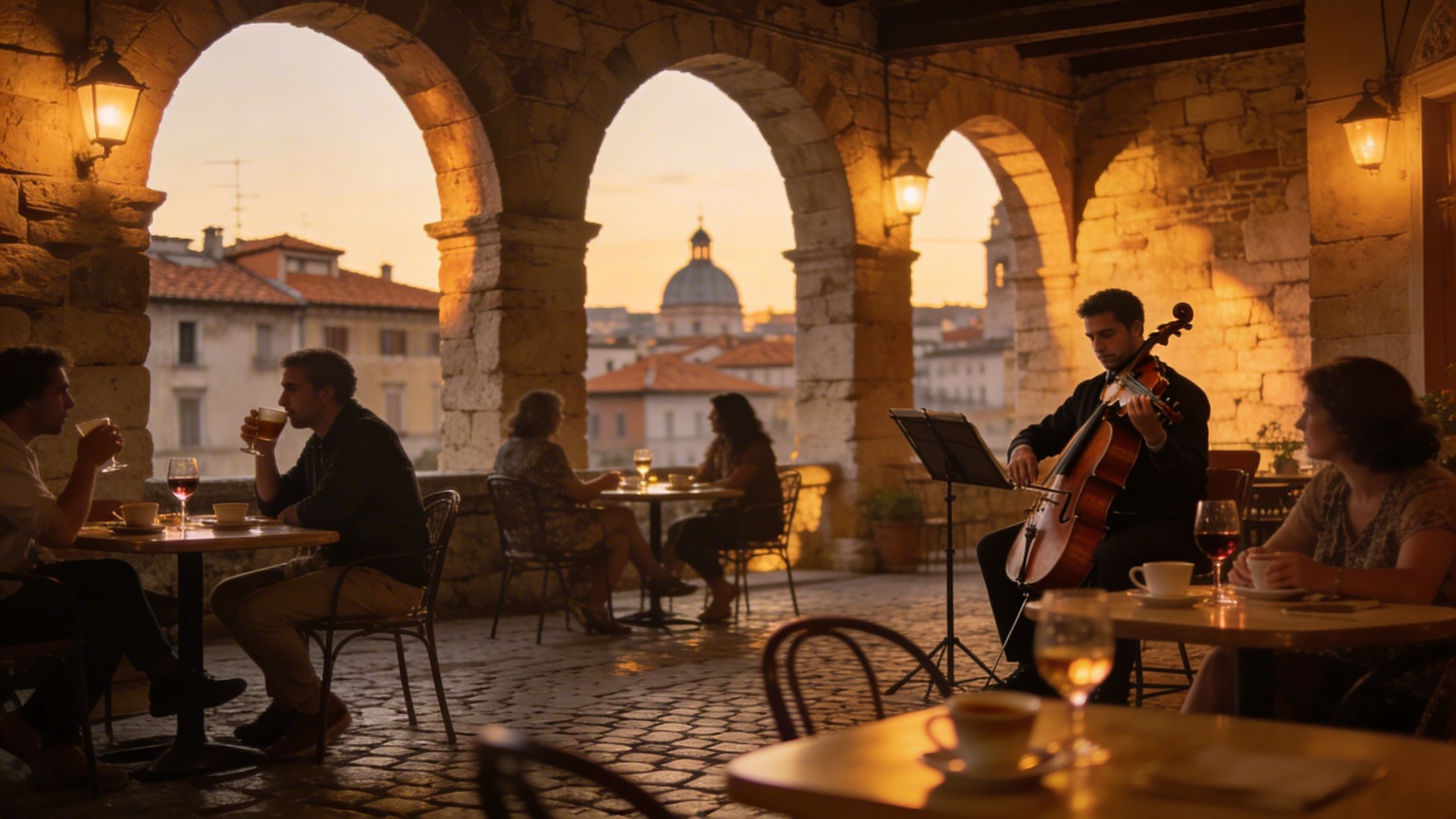
Imagine stepping out at dawn into a Roman corner bar where north African light strikes the marble of a basilica while a vendor arranges porcini on a wooden crate. Living in Italy feels like inhabiting layers of time: mercados and weekly mercato rhythms; afternoon shutters drawn against the heat; evening passeggiata down streets that remember centuries. Yet when international buyers first arrive, many bring a single preconception — Italy is uniformly expensive. The truth is more textured: cost varies by piazza, by coast, and by way of life. Here we show where value hides, why some neighbourhoods carry a premium that makes sense, and where you can live a richer daily life for less than you expect.
Living the Italy lifestyle — sensory first, practical second
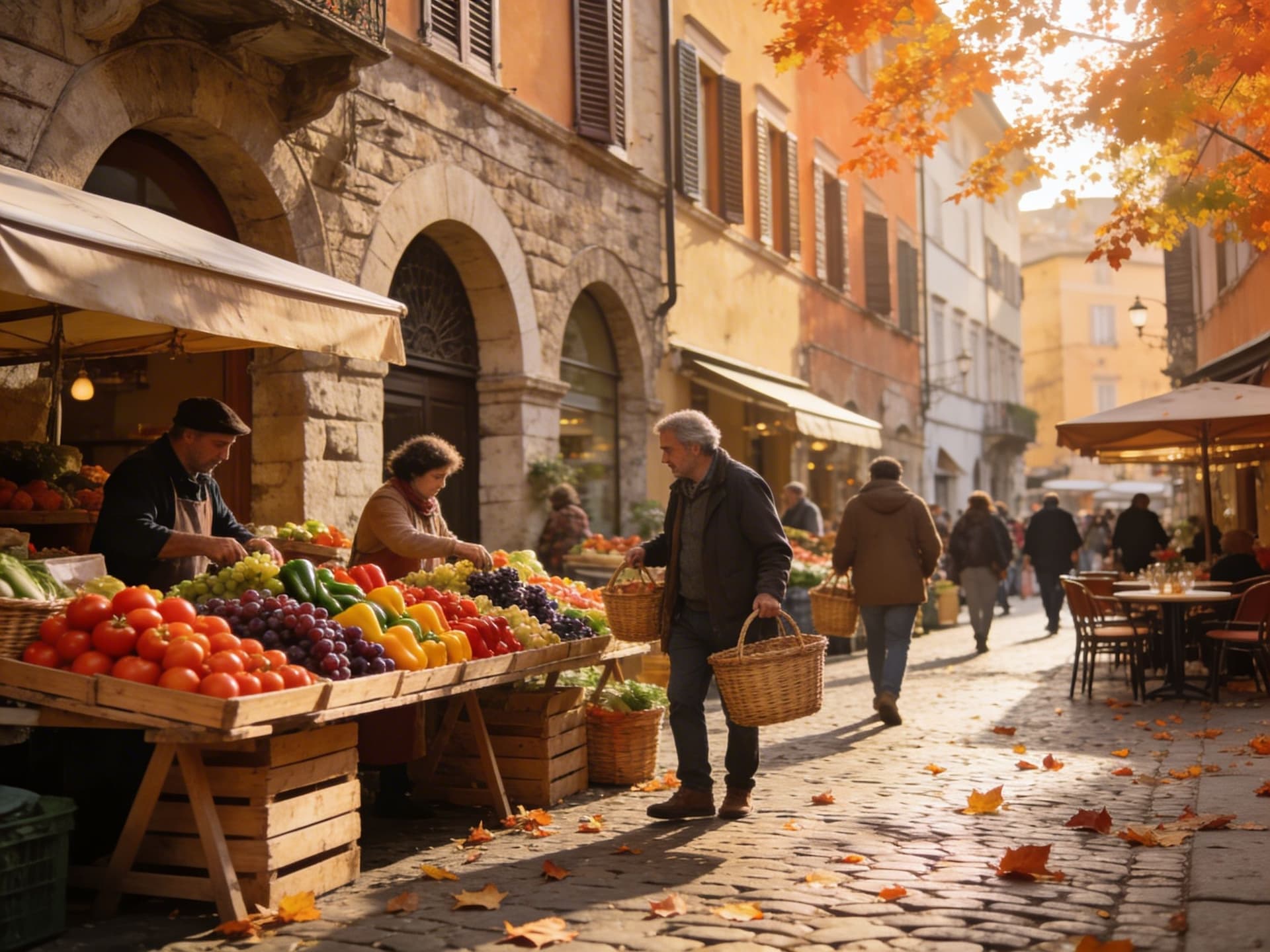
Italy is not a single scene. In Milan the day begins with espresso and tailored suits; in Puglia mornings smell of frying olive oil and freshly baked focaccia; on the Amalfi coast a fisherman’s market sets the pace before tourists arrive. For a buyer this diversity means choices: choose a city centre apartment and accept higher running costs for proximity, or choose a feuilleton of villages and trade convenience for space, light and a garden.
Neighbourhood spotlight: Trastevere, Navigli, Oltrarno — and the quieter alternatives
Take Rome’s Trastevere, Milan’s Navigli or Florence’s Oltrarno: each brims with cafés, artisan workshops and a social scene that commands higher prices. Yet Numbeo’s city indices show mid‑sized Italian cities such as Bologna, Pisa or Bari offer markedly lower daily‑running costs while keeping good quality of life and services. That disparity is where smart buyers find immediate value — the lifestyle is authentic, but the price tag need not be central‑Rome expensive.
Food, markets and weekend life
A Saturday morning in Bologna’s Quadrilatero, a September truffle fair in Alba or a winter fish market in Catania tells you more about living costs than average price lists. Local markets supply seasonal produce at sensible prices; eating out in neighbourhood trattorie remains affordable outside tourist cores. For buyers, proximity to markets and bakeries reduces grocery bills and elevates daily life in equal measure.
- Lifestyle highlights to weigh when choosing an area
- Morning cafés: look for neighbourhoods with an honest morning crowd rather than tourist breakfast menus (examples: San Frediano in Florence, Isola in Milan).
- Weekly markets: towns with strong market culture (Bologna, Naples) cut food costs and enrich social life.
- Seasonal life: coastal towns like Tropea swell in summer; inland towns offer steadier year‑round living and often lower maintenance costs.
Making the move: practical considerations that preserve the dream
Romance meets mathematics. Italy’s national statistics show house prices have experienced modest growth in recent quarters rather than the dramatic rises you see in selected neighbourhoods. That means buying outside headline districts can deliver value and capital appreciation while giving you a lifestyle that feels more local. But regional differences, tax regimes and service costs will shape running costs long after the purchase date.
Property types and how they map to daily life
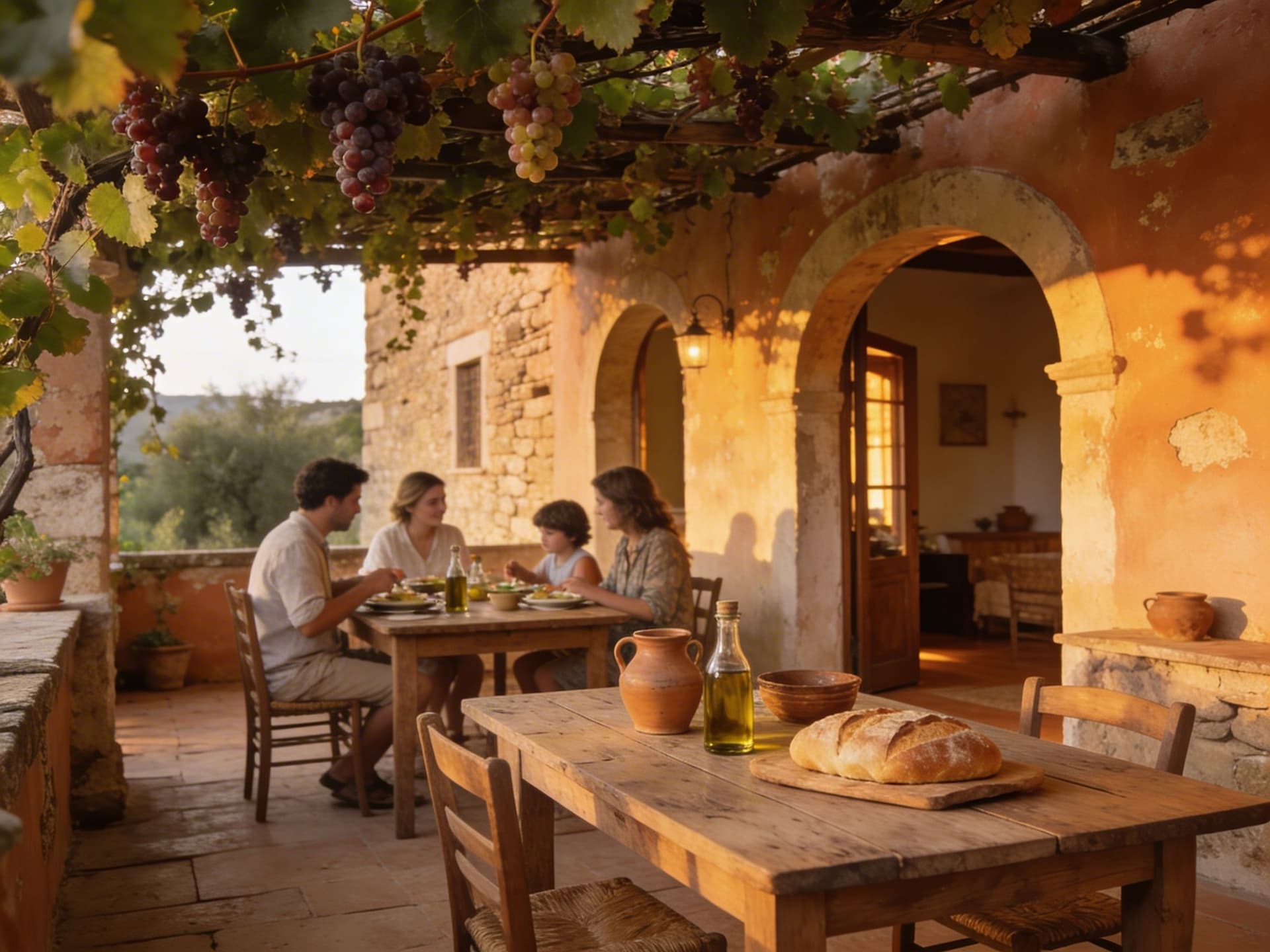
An urban historic apartment gives immediate access to cafés, museums and concierge services but often brings higher condominium fees, stricter preservation rules and higher utility consumption in winter. A restored farmhouse in Tuscany offers space and a garden, yet greater energy‑upgrade costs and longer journeys to services. Match property typology to the way you intend to live: entertain in‑house, commute, or spend months each year abroad.
Working with the right local experts
An agent who understands neighbourhood rituals — market days, municipal permit peculiarities, restoration oversight — preserves your lifestyle and reduces hidden costs. Look for advisors who pair architectural sensitivity with practical awareness: they can recommend where to save (non‑structural fixtures, peripheral maintenance) and where to invest (thermal upgrades, historic‑grade restorations) to protect value and daily comfort.
- Six steps that blend lifestyle sense with cost discipline
- Define the life you want (daily routines, entertaining, seasonal use).
- Compare total running costs — utilities, condominio, local taxes — not just the purchase price.
- Prioritise properties with clear restoration histories to avoid surprise structural bills.
- Choose an agent versed in regional nuance and who can source off‑market opportunities.
- Plan energy upgrades early — a moderate investment often yields strong comfort and resale benefits.
- Test living in the neighbourhood across seasons before committing.
Insider knowledge — what expats wish they’d known earlier
Expats often report surprise at how much daily life cost is governed by choices: which supermarket you use, whether you eat local seasonal food or rely on imported goods, and whether you own or rent parking. People who adopt local rhythms — market shopping, smaller weekly purchases, and a modest heating schedule in winter — find Italian life both richer and cheaper than expected.
Cultural integration: language and social capital that save money
Learning neighbourhood Italian and attending local events pays in social and monetary terms. A homeowner with neighbours who know local craftsmen secures quicker quotes and fairer prices. Community ties also unlock better long‑term rentals, more reliable caretaking, and the kind of informal advice that keeps stewardship costs down.
Long‑term lifestyle and practical watchpoints
- Watch for municipal levies and service charges in coastal versus inland communes; they can shift yearly and matter for annual budgets.
- Assess seismic and heritage restrictions — they influence insurance and renovation costs.
- Consider long‑term energy work (insulation, windows) for comfort and lower operating costs; incentives sometimes exist but vary by region.
Conclusion: Italy rewards the buyer who values rhythm over short‑term headlines. By looking beyond tourist cores, choosing neighbourhoods with authentic daily life, and pairing lifestyle wishes with measured due diligence, you can secure both a richly lived Italian life and a prudent investment. When you are ready, work with an agency that understands municipal nuance, restoration pedigree and local markets — someone who will show you where the value lives, not merely where the postcards are taken.
Villa CuratedHaving moved from Stockholm to Marbella in 2018, I help Scandinavian buyers navigate Spanish property law, restoration quality, and value through authentic provenance.
Related Articles
More insights that might interest you
 Villa Curated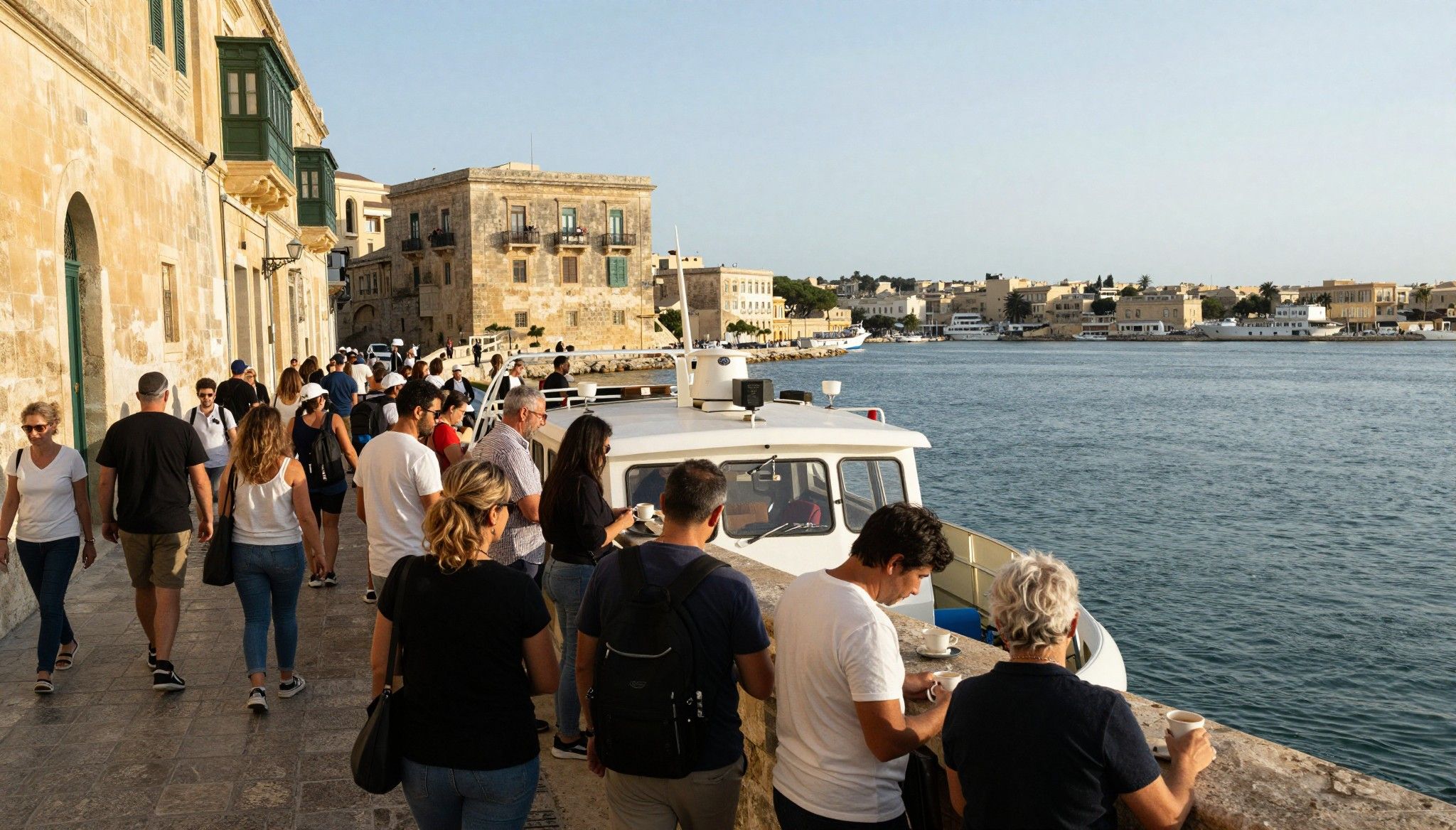
 The Yieldist
 MoveSettleGo

