Where Italy’s Everyday Life Hides Value
Fall in love with Italy’s neighbourhood rhythms — then use ISTAT trends and local expertise to match lifestyle to market, avoid tourist traps and buy with confidence.
 Blueprintera
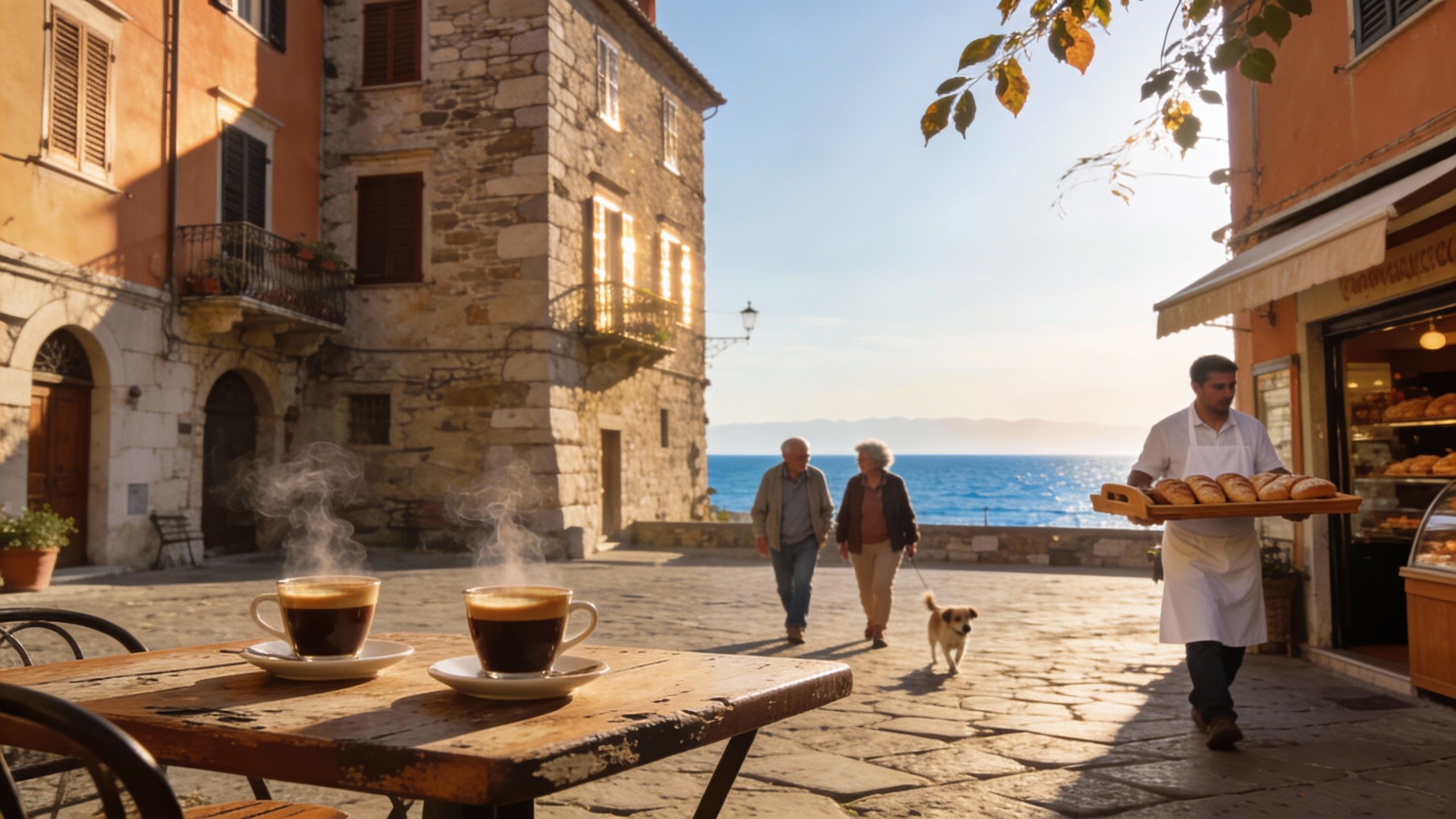
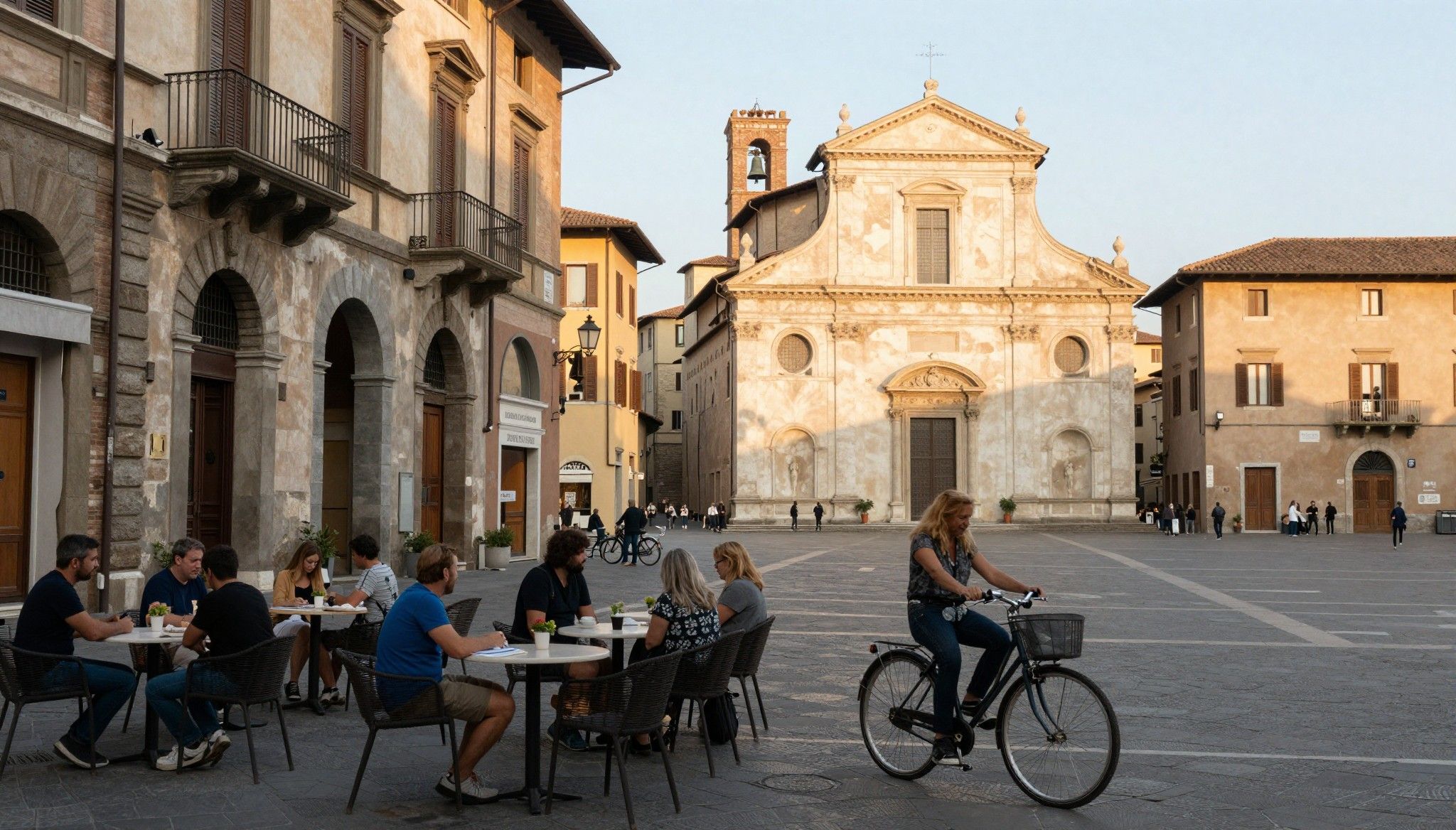
Imagine stepping out at 08:30 to buy warm cornetti in a sunlit piazza, then walking home along cobbled lanes past laundry on balconies — that everyday, tactile life is why people fall for Italy. From the Ligurian harbours to Milan’s tram-lined streets and Puglia’s slow-food markets, Italy offers a daily rhythm that blends public life and private comfort. This article pairs that lived-in, sensory picture with concrete market signals so you can fall in love without losing your head.
Living the Italy lifestyle
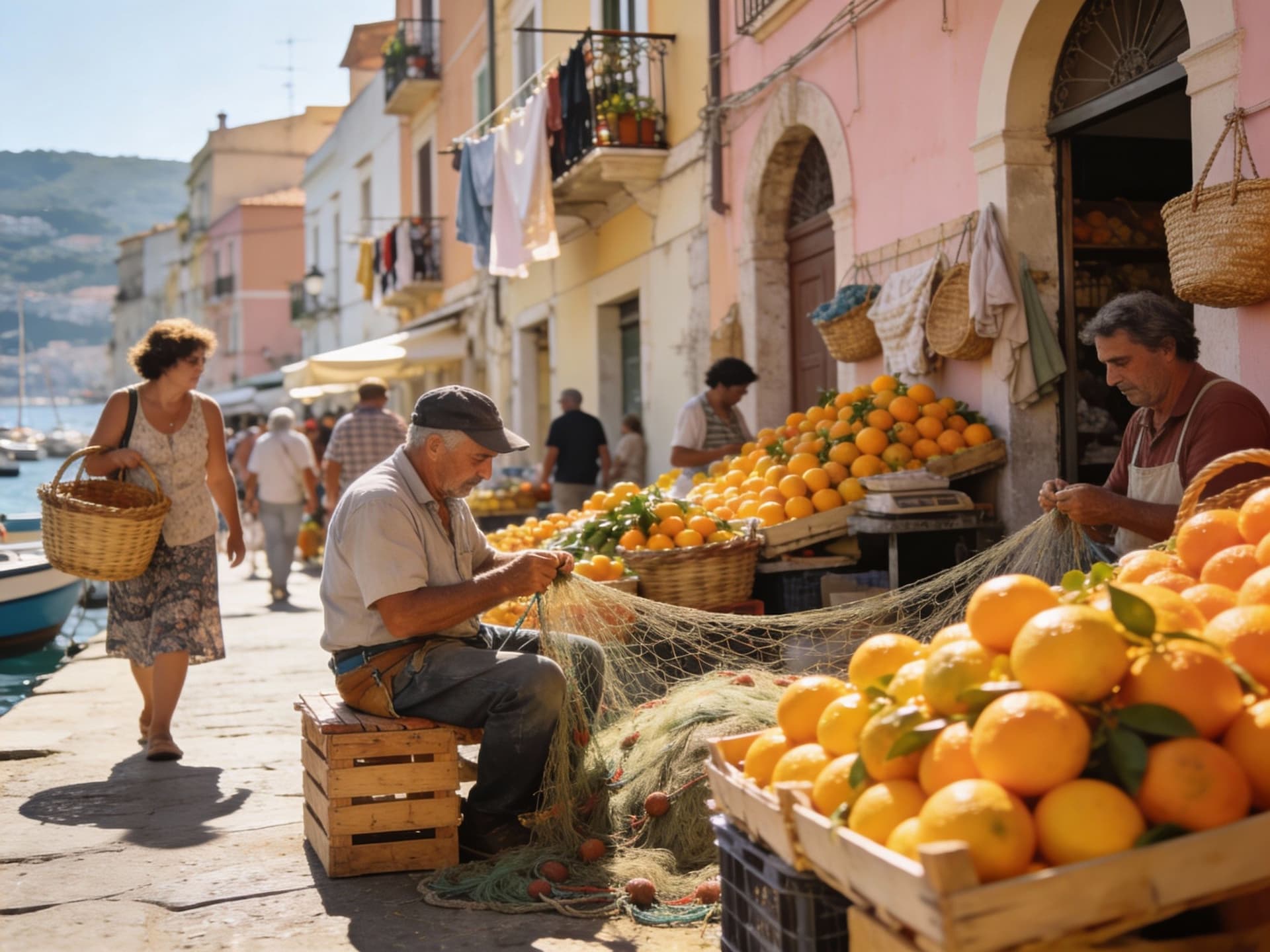
Picture Thursday evening aperitivo on Via Chiaia in Naples, a Saturday fish market in San Benedetto del Tronto, and Sunday hikes above the Cinque Terre. Italy’s appeal is its neighbourhood textures: baristas who remember your order, markets that set the week’s menu, and piazze that host both children’s football and political debates. Those small rituals shape where you’ll want to live—seafront promenades feel different from the alleys behind a cathedral, and that difference matters for both daily life and resale.
City pockets and seaside villages that feel like neighbourhoods
If you love trams and trattorie, Milan’s Brera and Navigli offer mornings at specialty coffee shops and evenings at neighbourhood osterie. For sea air and a slower tempo, Liguria’s Santa Margherita and small towns around Portofino combine stone harbours with local bakeries; Portofino itself signals exclusivity and price uplift. Cities like Genoa are quietly remaking themselves — new parks, renovated palazzi and improved rail links are turning once-overlooked districts into authentic neighbourhood bets rather than tourist veneers.
Food, markets and the seasonal heartbeat
Morning markets anchor life in most towns: produce stalls, fresh seafood counters, and cooks who swap recipes. Seasons matter — citrus and olives in winter, fresh tomatoes in summer — and they shape both the rhythm of living and the rental calendar if you plan short lets. For buyers, the lesson is simple: watch where locals eat and shop; neighbourhoods with year-round markets tend to retain value because they’re used by residents, not just tourists.
Lifestyle highlights to scout when you visit (locations named for fieldwork and authenticity): - Brera (Milan): morning espresso, antique markets, walkable streets. - Trastevere (Rome): evening passeggiata, narrow lanes, local trattorie. - Santa Margherita Ligure / Portofino coast: small harbours, boat access. - Oltrarno (Florence): artisan workshops and slower pace. - Polignano a Mare (Puglia): cliffside beaches, year-round fishing culture.
Making the move: practical considerations
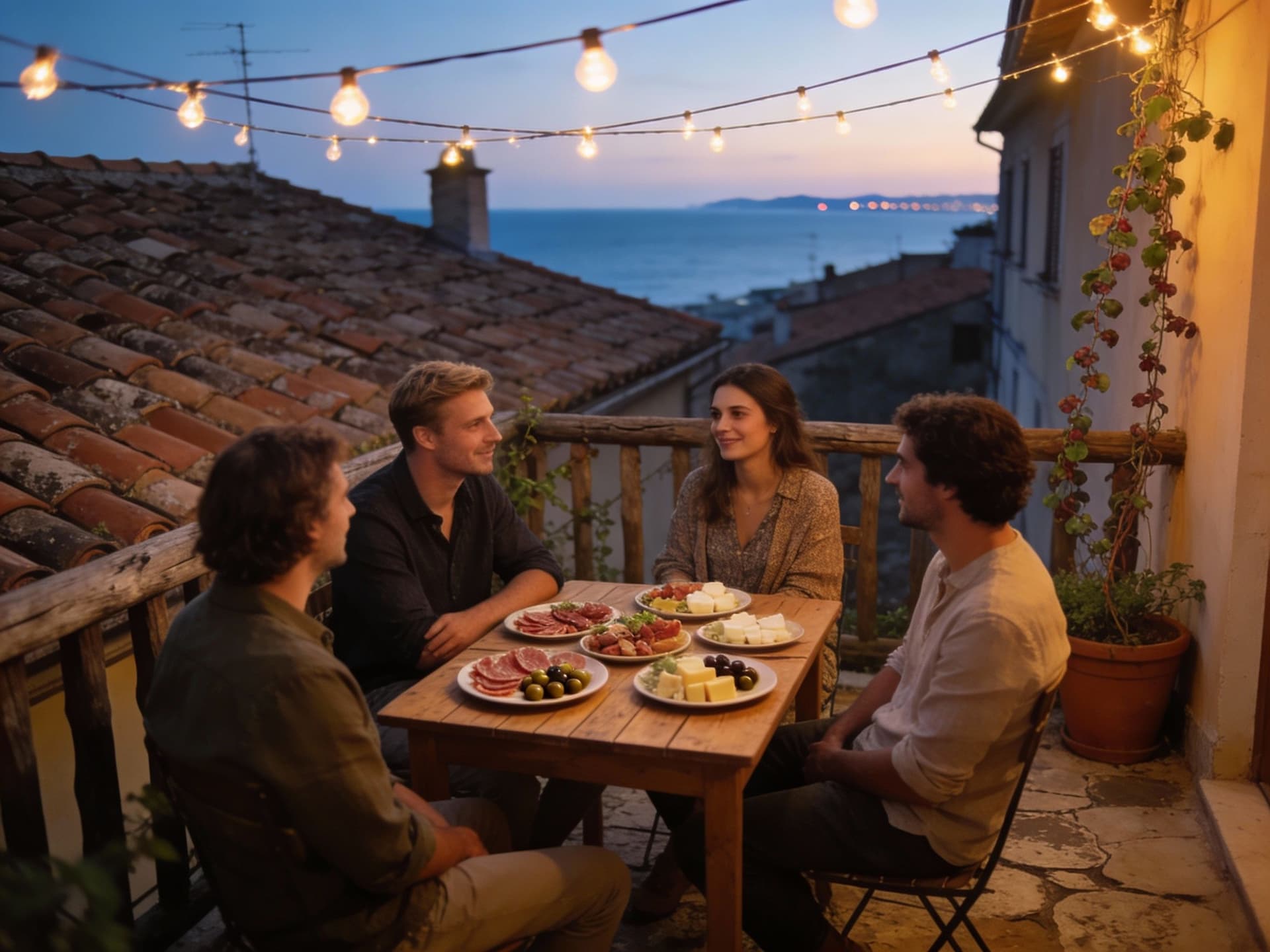
Italy’s market has been mixed: national house-price indices show modest but consistent annual gains in recent periods, driven largely by existing-dwelling demand in cities and luxury coastal scarcity. That means buyers can still find value if they look beyond headline coastal hotspots and into authentic neighbourhood pockets where lifestyle and price align. Use recent index data to set expectations for appreciation and to prioritise what you want from life versus what the market rewards.
Property types and how they shape daily life
A historic palazzo apartment gives you central life and small balconies; a renovated farmhouse offers land and privacy but more maintenance. New builds bring energy efficiency and lower immediate upkeep, which suits buyers side-stepping renovation bureaucracy. Before you bid, match the property type to the lifestyle you want — terraces for morning coffee, a short walk to the market for weekly shopping, or proximity to a regional airport for frequent travel.
Working with local experts who know the lifestyle
Choose advisers who live the neighbourhood — not just agents who post glossy photos. A local agent or notaio who understands residency rules, IMU and condominium realities will save time and protect your lifestyle expectations. They translate cultural cues (what a seller means by “recently renovated”) into actionable checks so you don’t overpay for attributes you don’t need.
A 5-step lifestyle-first buying checklist: 1. Visit on a weekday and weekend to feel daily life and noise patterns. 2. Check walk times: bakery, market, transport — measure, don’t guess. 3. Ask which months neighbours are present; seasonality affects rental and life. 4. Confirm energy class and maintenance history — older buildings have quirks. 5. Meet a local notaio or lawyer to clarify registration, taxes and condominium rules.
Insider knowledge: expat realities and seasonal truths
Expats tell a common story: the romance draws them in, but day-to-day life reveals small frictions — bureaucracy speed, seasonal closures, and the difference between tourist-facing streets and resident streets. Learning a handful of Italian phrases, adopting local hours (late lunches, slower midday rhythm) and finding one neighborhood café where baristas know you are the easiest integrations. Those local habits determine whether a place feels like a holiday or a home.
Cultural cues that change where you should buy
In many towns, the street market is the social spine; if a neighbourhood has a weekday market, it usually supports year-round living. Conversely, some seaside streets fill with tourists in July and empty in November — charming, but that affects both rental demand and the friendliness of local services. If you want a full-time Italian life, prioritise streets used by residents (look for schools, medical clinics, and permanent shops).
How life changes over five years
Expect gradual lifestyle shifts: restaurants evolve, new cafés appear, and small urban projects can lift desirability. Prime coastal pockets (Portofino, Capri) remain scarce and expensive — great for long-term capital but less flexible for renters. Mid-market towns and reviving cities can offer stronger lifestyle upside for buyers who value authenticity over headline glamour.
Red flags experienced buyers warn about: - Properties marketed as “recently renovated” without documents. - Streets that are only vibrant for three summer months (check off-season life). - No energy certificate (Classe energetica) or unclear condominium minutes. - Sellers who resist using a notaio — every Italian sale must pass a notaio at completion.
Conclusion: Italy is a lifestyle that repays attention. Start with how you want to live — morning markets, evening passeggiata, or seaside calm — and use market data and local experts to match that life with properties that make it work. Book weekday and weekend viewings, bring a local agent who knows the street, and ask for recent condominium minutes and energy certificates before you fall in love. When you pair sensory discovery with careful checks, Italy stops being a postcard and becomes home.
BlueprinteraDanish relocation specialist who has lived in Barcelona since 2016. Helps families move abroad with onboarding, schooling, and local services.
Related Articles
More insights that might interest you
 Villa Curated
 Villa Curated
 The Yieldist

