Malta: A Street‑Level Playbook for Contrarian Buyers
Malta’s compact neighbourhoods offer a vivid Mediterranean life — but RPPI data shows prices rising ~5% YoY; choose streets and experts, not just postcodes.
 Blueprintera
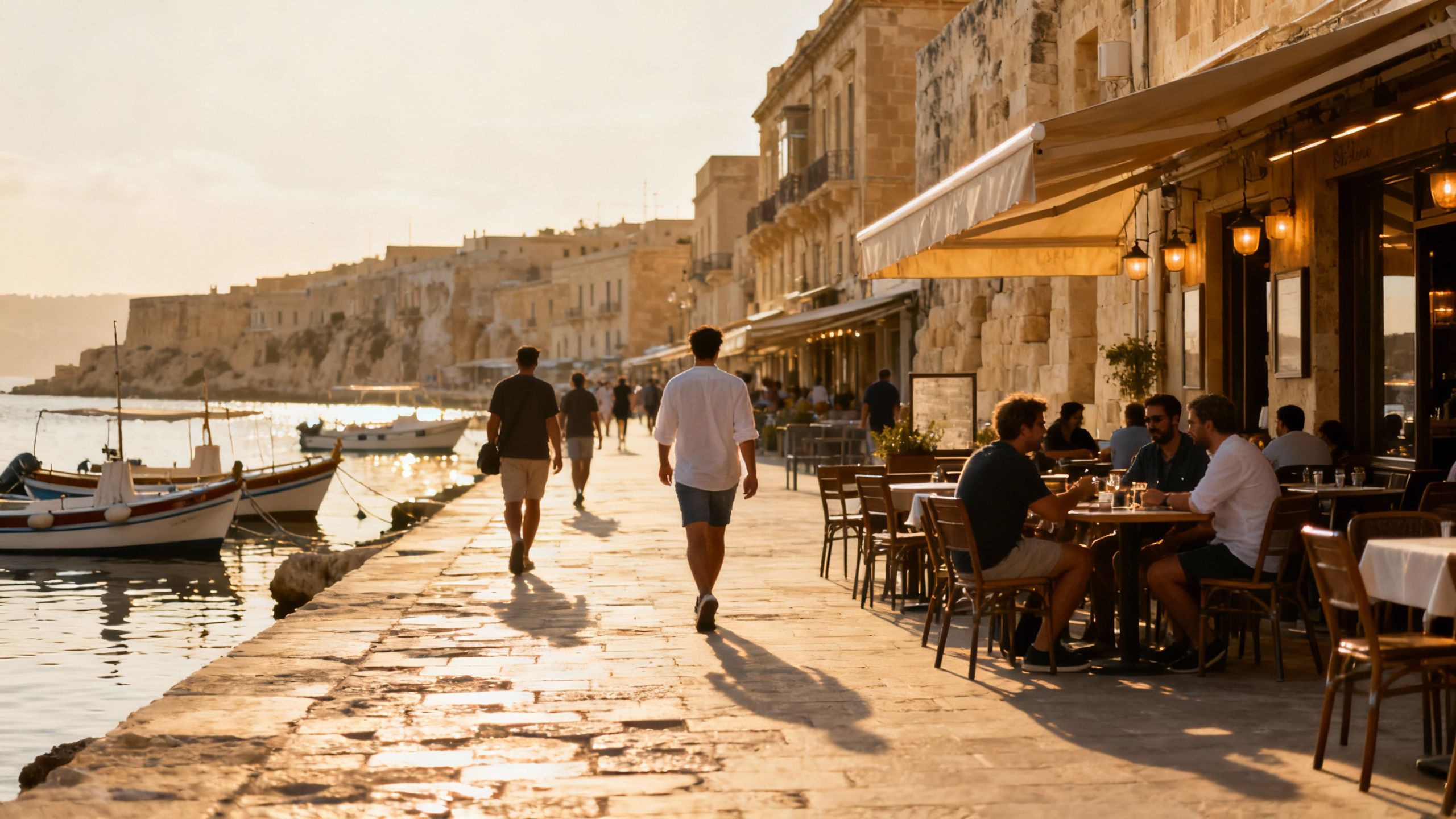
Imagine starting your morning with a short walk from a quiet townhouse on Triq il-Maghluq in Gzira to a café on the Sliema promenade — espresso in hand, the sea smoothing the city noise. That compact, pedestrian-friendly rhythm is Malta: an island where Mediterranean light, narrow lanes and neighbourhood rituals make daily life feel intentionally small-scale and sociable. This piece pairs that lived-in charm with market temperature checks so you can fall for Malta's lifestyle without being surprised by its market moves.
Living Maltese Life: daily rhythms and real streets
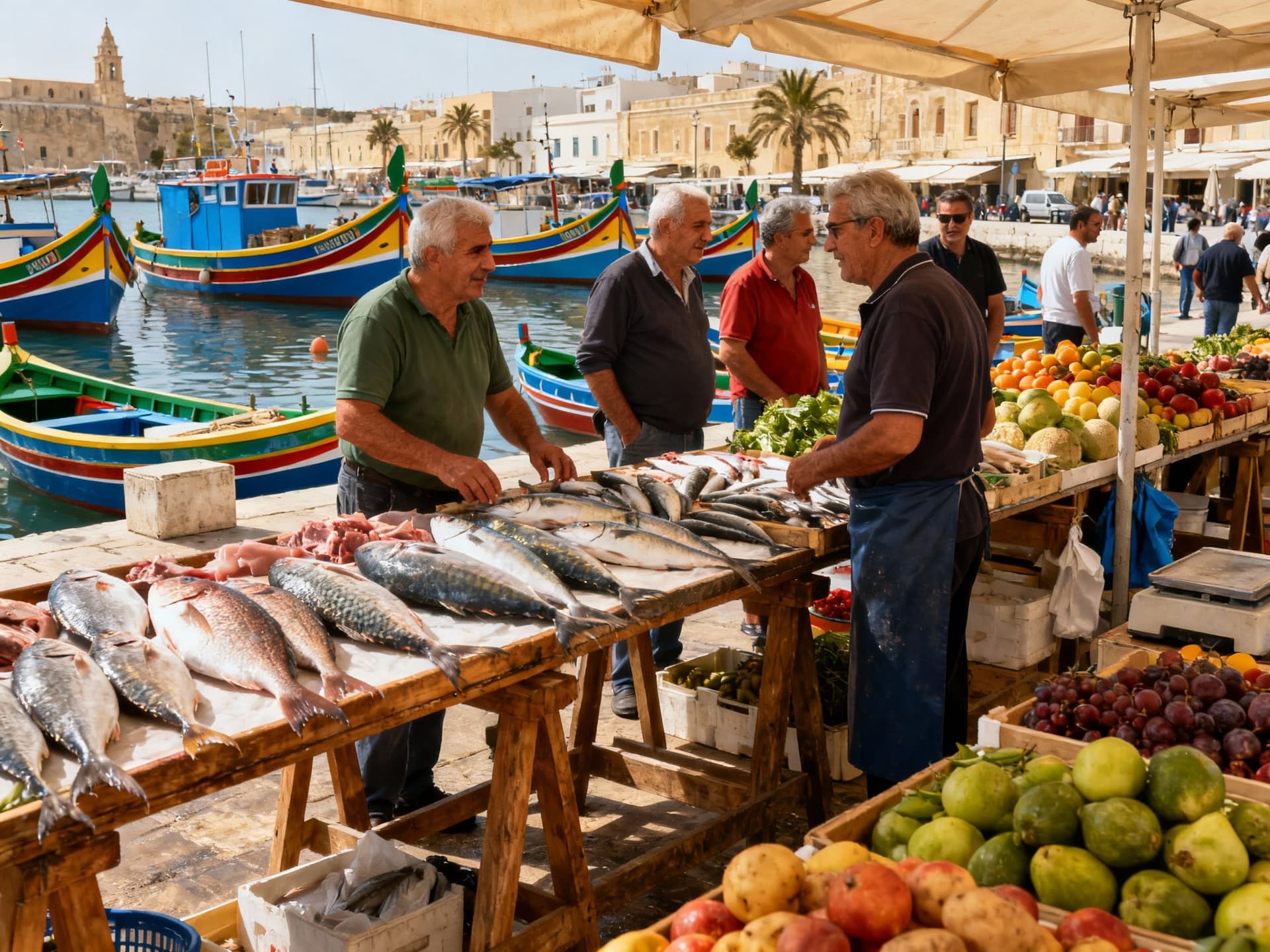
Malta’s signature is concentrated living. Valletta's limestone streets are a morning orchestra of deliveries, baristas and ferry horns; Sliema and St. Julian’s trade historic grit for cosmopolitan cafés and waterfront promenades; Mellieħa and Gozo offer slower Sundays with sand and countryside. Expect short commutes, a strong café culture, and neighbours who know your routines — all everyday textures that shape which property will actually suit you, beyond glossy listings.
Gzira–Sliema–St Julian’s: Urban coastal living up close
These contiguous neighbourhoods are Malta’s social spine. Gzira's quieter lanes feed into Sliema's shopping streets and St. Julian’s nightlife; buy in the right block and you get sea access, international schools, and English-language services within a 10–20 minute walk. For buyers wanting daily life that blends convenience with coastal atmosphere, these areas deliver — but they also command a premium per square metre compared with southern towns.
Gozo & Mellieħa: A different pace and a different price
Gozo and the north coast like Mellieħa trade immediacy for space: larger terraces, slower traffic, and a community-first feel. You sacrifice a 25–45 minute ferry or drive for calmer neighbourhoods, lower per-metre asking prices, and properties with gardens — appealing when lifestyle means space for family, a dog, or a home office with sea views.
Lifestyle highlights to try on for size
- Morning espresso at Caffe Berry (Sliema) and a walk along Bisazza Street.
- Saturday at Marsaxlokk fish market followed by a swim at St Peter’s Pool.
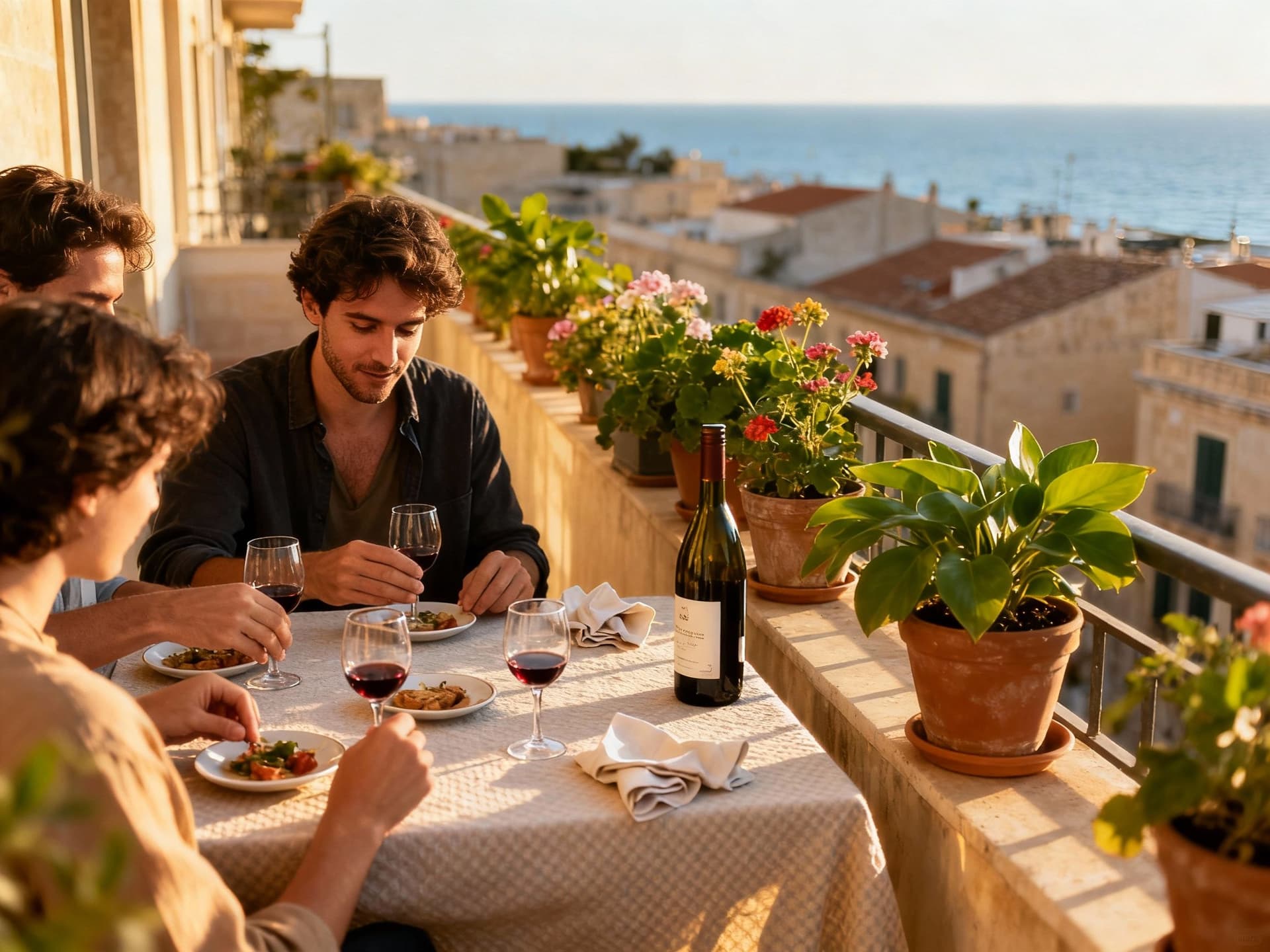
- Sunset aperitivo on Spinola Bay, watching local families and visiting yachts.
Making the move: practical considerations that preserve lifestyle
Dreams meet reality in Malta’s compact market: prices have risen steadily (the NSO RPPI rose about 5% year-on-year in Q2 2025), so neighbourhood choice matters more than ever. Meanwhile, recent policy shifts around investor citizenship have reduced some speculative demand; that’s a signal for buyers to prioritise long-term lifestyle fit over short-term pricing plays. Work with experts who understand micro-neighbourhood trends and seasonal occupancy rhythms so your purchase supports the life you want to live.
Property styles: maisonette, apartment, townhouse — how they shape daily life
Maisonettes offer private street-level entrances and often terraces — ideal if you entertain or want an outdoor extension to a small footprint. Apartments in Sliema and St. Julian’s mean concierge services and proximity, with smaller interiors but excellent rental potential. Townhouses in older villages reward patience: higher renovation needs but generous indoor-outdoor living when done right.
Working with local experts who know how Maltese life maps to market data
- Use agents who demonstrate: 1) recent comparable sales by street (not just area), 2) understanding of seasonal occupancy and rental demand, 3) relationships with reputable local notaries and architects, 4) post-purchase property management options tailored to expatriates.
Insider knowledge: what expats wish they'd known before buying
Expats quickly learn that Malta’s scale means small decisions matter — the orientation of a balcony, proximity to ferry timetables, and whether your street clears for evening passeggiata. Expect a bilingual public life (English and Maltese) and neighbours who value routine; integration is accelerated by attending local festa nights or the Sunday market rather than relying solely on expat meetups.
Cultural cues and community: how to settle in
Learn basic Maltese phrases, show up for neighbourhood events, and respect late-evening island rhythms — shops may close earlier than in larger European cities. Schools and healthcare are accessible in urban hubs; for family buyers, shortlists should include proximity to international schools in Msida and St. Julian’s and travel times to main hospitals.
Long-term lifestyle checks: beyond the purchase
- 1) Visit a neighbourhood at different times and days; 2) Ask agents for utility and maintenance histories of the building; 3) Consider climate impacts — summer humidity and winter rain — on terraces and historic stonework; 4) Plan for property management if you intend short-term rentals.
Conclusion: Malta rewards buyers who treat lifestyle and data as equal partners. The island’s compact, lived-in neighbourhoods make it possible to “try on” a life — morning markets, evening passeggiata, and weekend swims — but rising prices and recent policy shifts mean careful, street-level due diligence is essential. Start with short visits across seasons, ask for street-specific comparables, and work with a local agency that translates the island’s daily rhythms into durable property choices.
BlueprinteraNorwegian market analyst who relocated to Mallorca in 2020. Focuses on data-driven market insights and smooth relocation for international buyers.
Related Articles
More insights that might interest you
 Villa Curated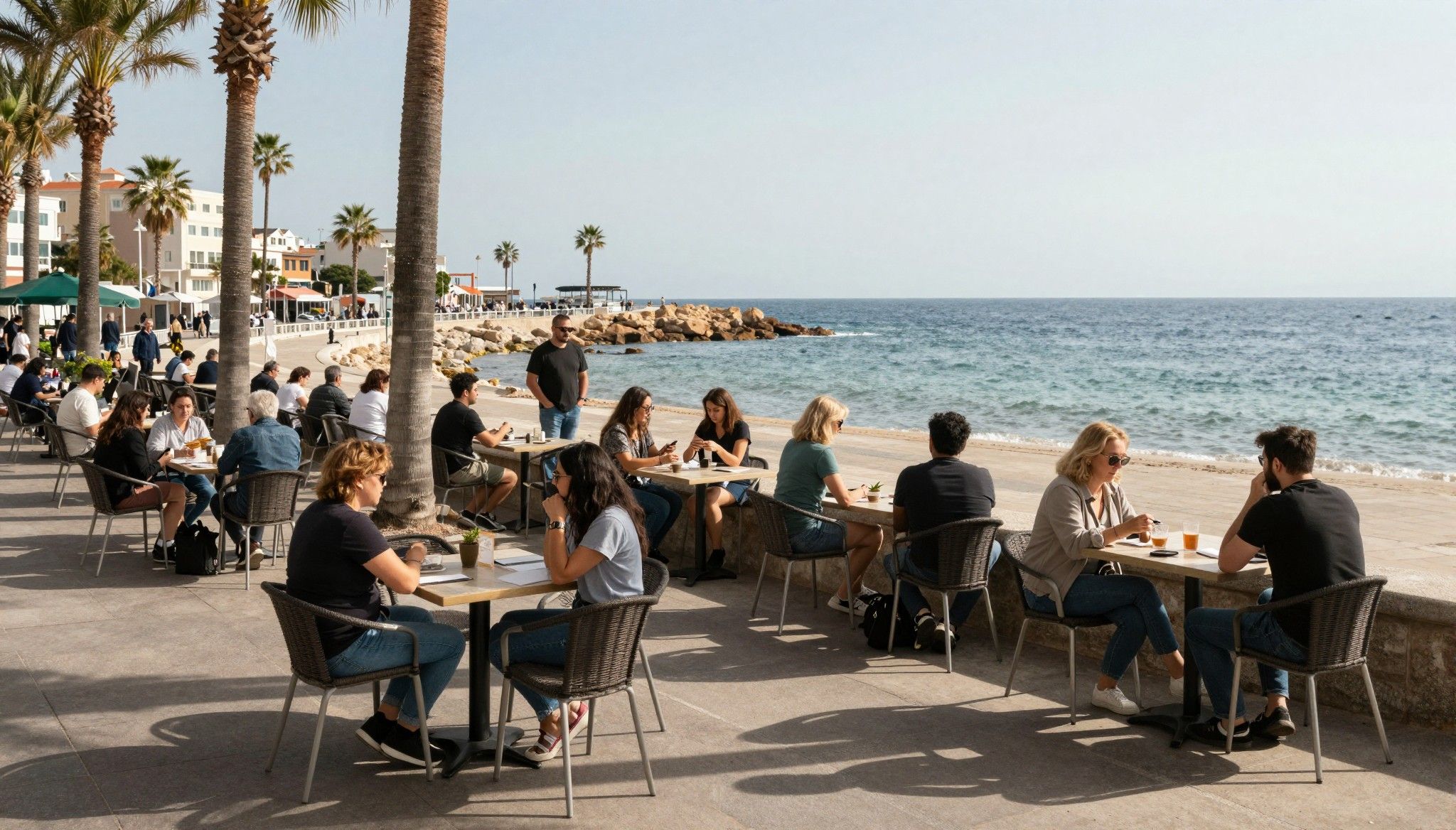
 The Yieldist
 The Yieldist

