Buying in Greece: Why Solar‑Rich Islands Change the Game
Greece’s renewable surge reshapes where and how international buyers live—ask about grid performance, solar potential and seasonal realities before you buy.
 Moss & Hearth
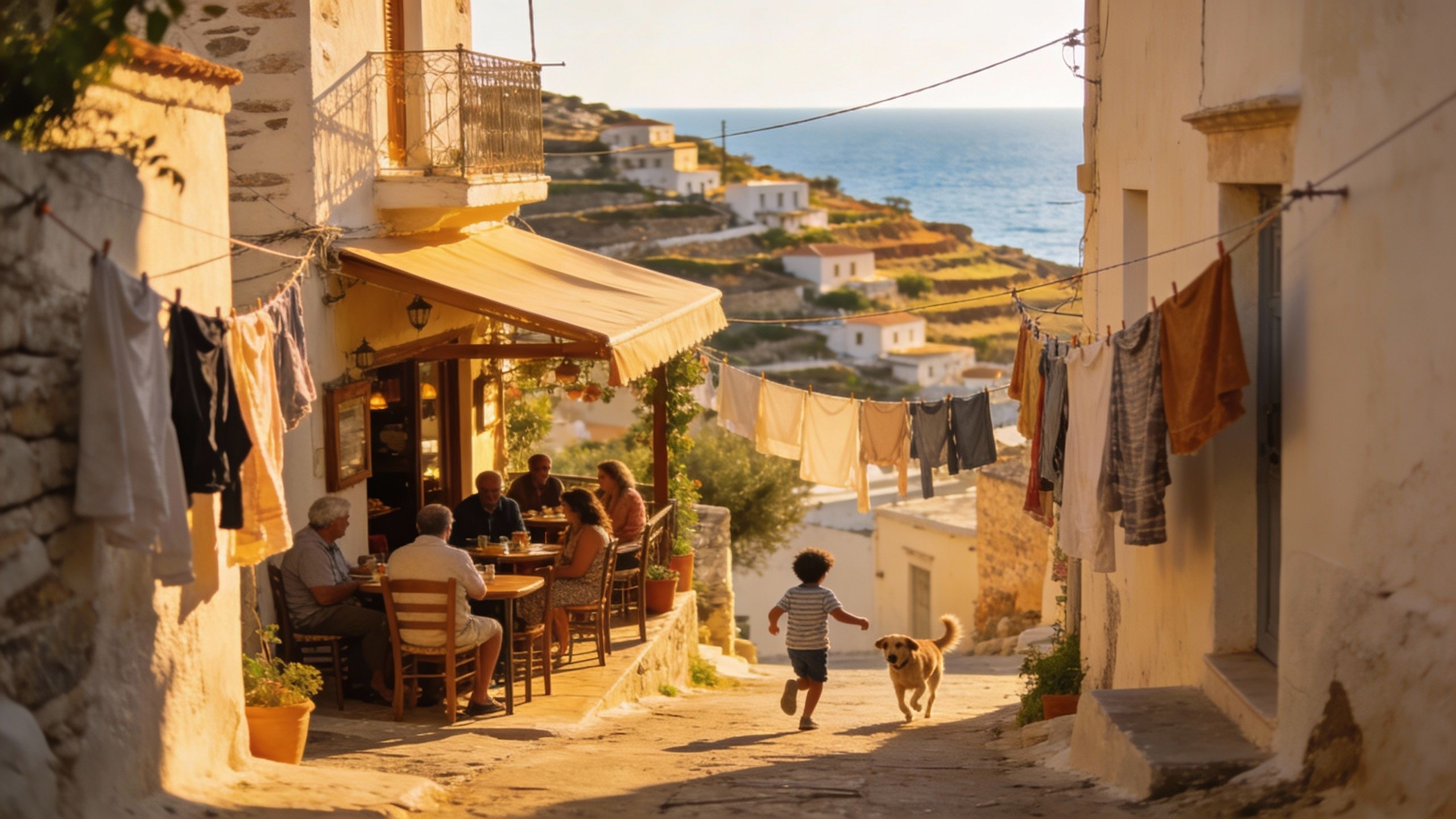
Imagine waking to waves and a tiled terrace warmed by morning sun, while your home quietly draws power from rooftop panels and island wind farms. In Greece that scene is not a postcard—it's an emerging way of life where renewable infrastructure changes how people live, work, and choose property. For international buyers dreaming of a low‑impact Mediterranean life, the interplay between lifestyle and green grid performance matters as much as sea views.
Living the Greece lifestyle — coast, stone, and slow mornings
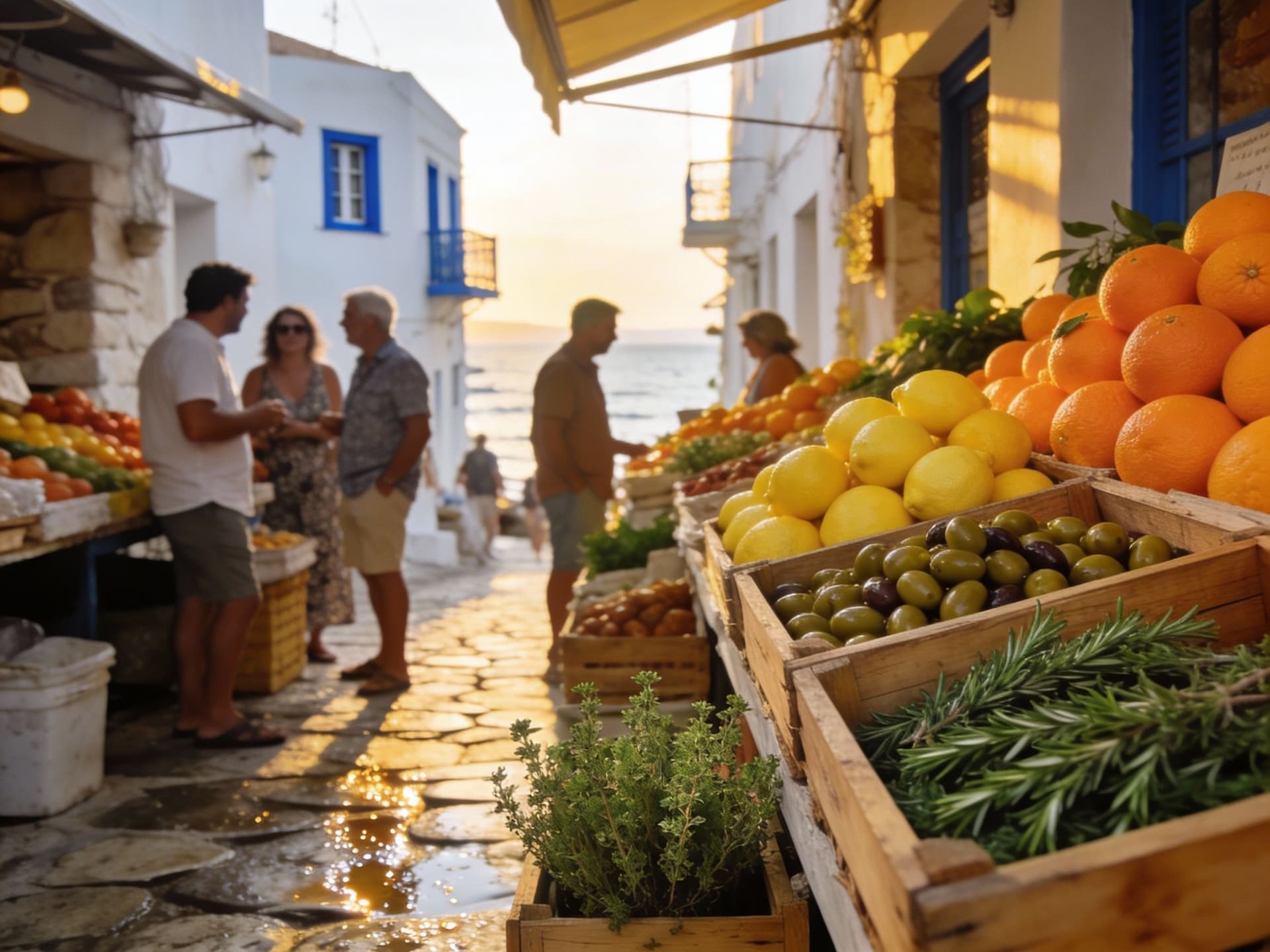
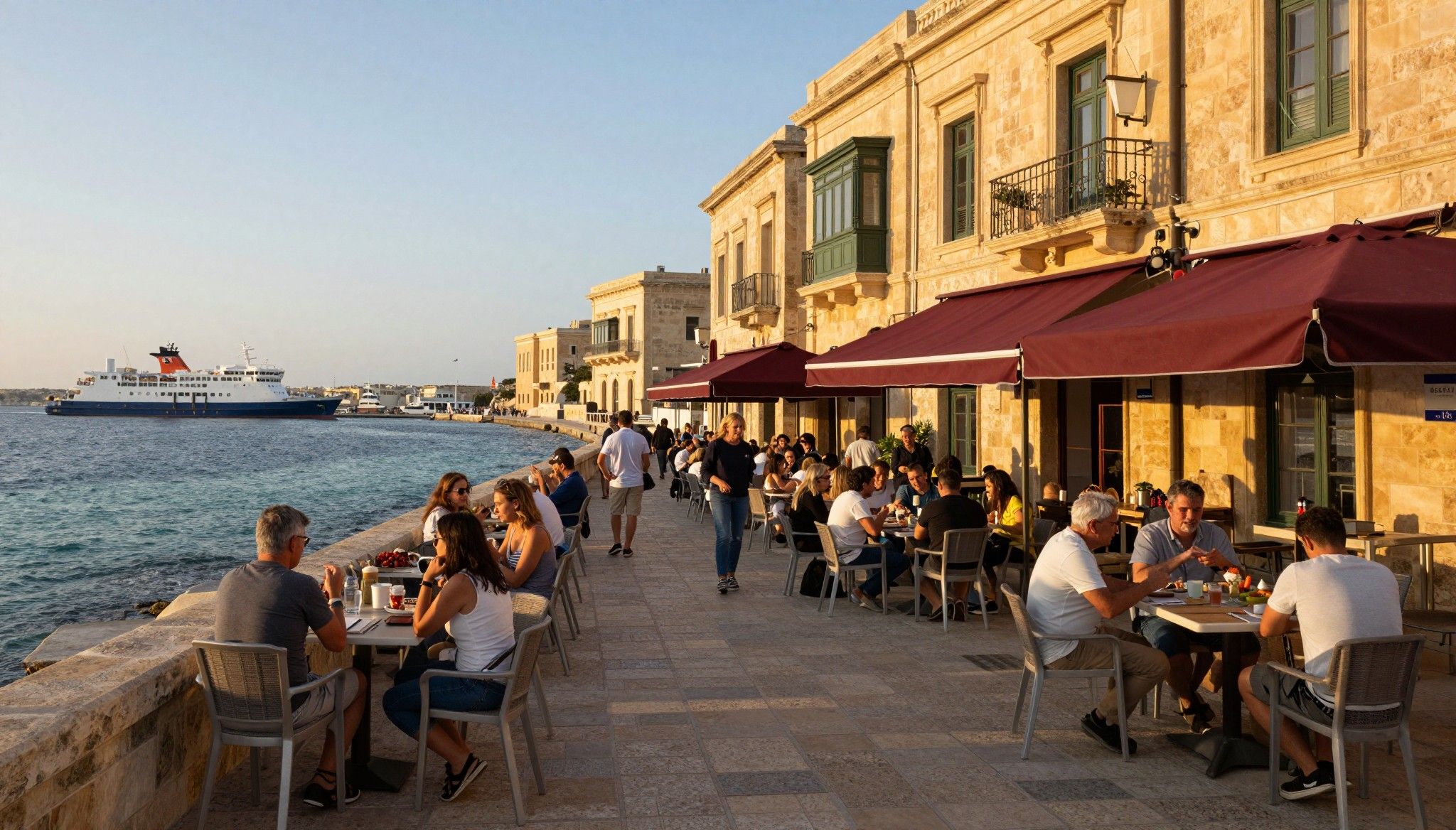
Greece moves at a rhythm set by light and season: espresso at 9, a siesta‑like pause in the hottest months, and long evenings eaten outdoors. Whether you choose a narrow lane in Plaka, a limestone house in Chania’s Splantzia, or a whitewashed terrace in Serifos, daily life is tactile—markets brimming with citrus and herbs, taverna smoke, and the hum of small fishing boats. That sensory texture shapes what buyers want: gardens for produce, shaded pergolas, and homes that breathe with cross‑ventilation more than central heating.
Neighborhood pulse: Athens, Chania, Naxos and the Ionian calm
Athens has a dual life—morning coffee in Koukaki, rooftop gardens in Kifisia, creative energy in Metaxourgeio—while Crete’s Chania offers narrow Venetian streets, weekly fish markets and a close‑knit community of artisans. Naxos and the Ionian islands trade frenetic nightlife for fertile land and calmer seasons; olive groves and family farms are central. These differences matter: island properties often prioritise solar autonomy; in Athens you’ll want efficient insulation and city grid reliability.
Food, markets and the slow ritual of place
Sunday markets in Kalamata, early‑morning bakers in Thessaloniki, seaside tavernas dishing locally caught octopus—food is the social architecture in Greece. For buyers, proximity to weekly markets and neighbourhood kafeneia is a lifestyle metric equivalent to number of bedrooms. If you crave farm‑to‑table rhythms, look for properties with courtyards (for potted herbs), storage for preserves, and a layout that supports alfresco dining most of the year.
- Neighborhood lifestyle highlights
- Koukaki (Athens) — morning coffee culture, museum walks, rooftops with vegetable tubs
- Splantzia (Chania) — Venetian alleys, fish markets, traditional craftsmen nearby
- Naxos villages — olive groves, fertile plots, slow local markets and family‑run tavernas
Making the move: practical choices shaped by green infrastructure
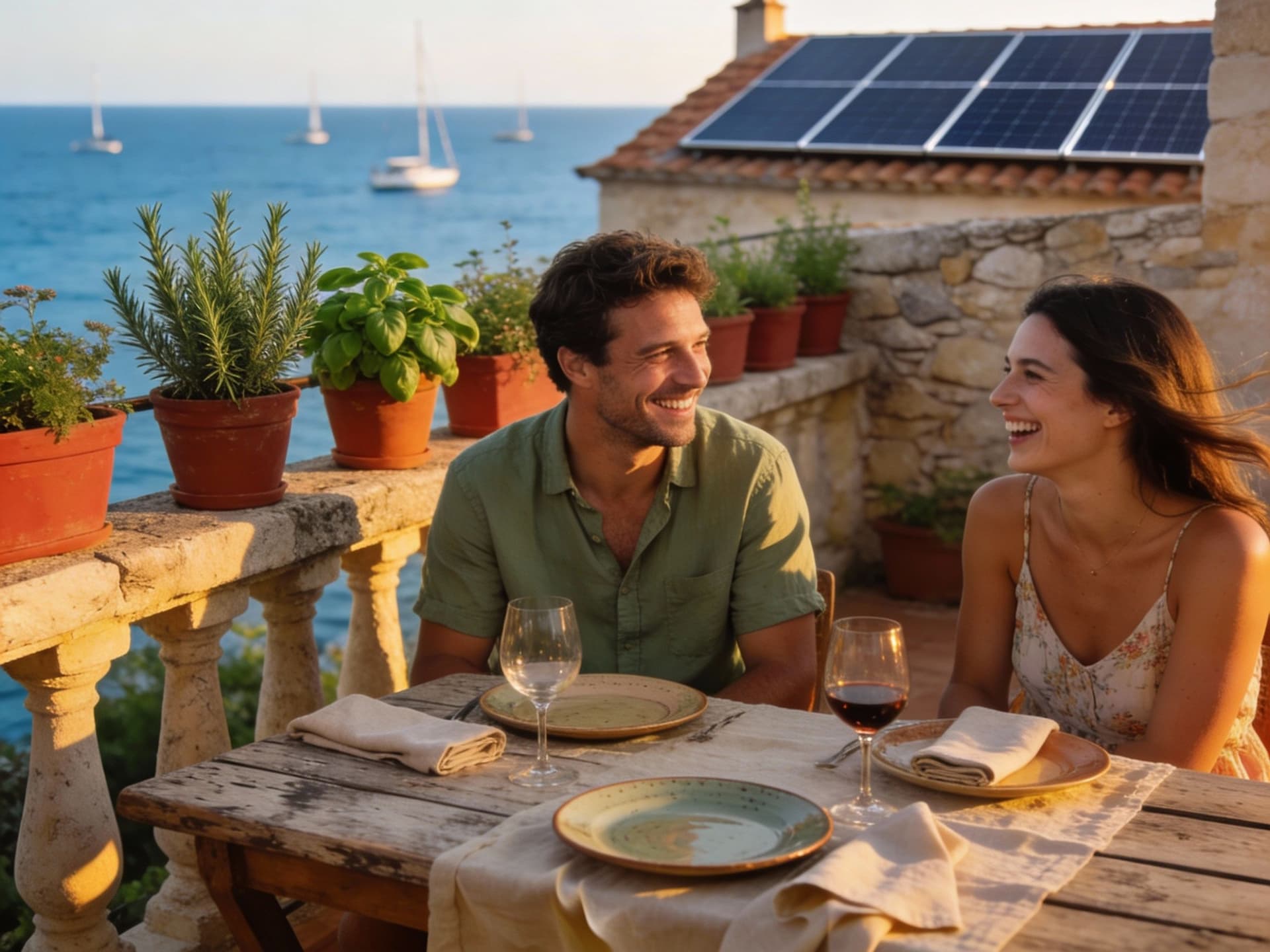
Greece’s energy system has shifted quickly: wind and solar now supply a large slice of electricity on many days, especially in summer. That shift affects property life—reduced running costs for buyers with solar, changing reliability patterns on islands, and new local incentives. Knowing where the grid is strong and where energy independence matters will shape the kind of home you choose and how you use it.
Property types that suit a green life
Stone village homes with thick walls offer natural thermal mass, keeping interiors cool in August and warm in winter—perfect for low‑energy living. Modern island villas often pair photovoltaic roofs with battery storage; urban flats near Athens benefit most from shared building retrofits (insulation, heat pumps). Pick a property where the fabric—orientation, shading, and materials—already works with nature rather than against it.
Working with local experts who know the green tradeoffs
Agents who understand island grid constraints, local permitting for solar, and seasonal rental rules are invaluable. Recent Bank of Greece data show foreign buyer activity concentrated in tourism regions, so ask your agent about local energy realities and rental regulation changes that affect occupancy and income. Also check municipal rules—some islands limit new short‑term rental permits and require minimum habitability standards.
- Steps to blend lifestyle wishes with green practicality
- Survey peak summer grid performance in your chosen area and ask for recent outage histories from the local utility.
- Prioritise properties with roof orientation for PV, space for batteries, and shaded outdoor living to reduce cooling needs.
- Request energy bills for 12 months and compare usage patterns to estimate solar self‑consumption and payback.
- Confirm planning and connection costs for renewables and any island‑specific taxes or moratoria on new tourist lets.
Insider knowledge: myths, seasonal surprises and expat truths
Myth: islands are always off‑grid and unreliable. Reality: many islands have seen dramatic increases in renewables and grid upgrades—yet some still need storage to avoid midday curtailment and evening dips. The European Environment Agency notes Greece’s rapid renewable growth; buyers should ask whether a property benefits from recent local projects or still relies on diesel generation.
Cultural integration and daily rhythms that matter for buyers
Learning a few phrases, joining the weekly market, and showing up to local festivals accelerates belonging. Many expats tell us the year after moving is when life turns from romantic to rooted—you know the baker’s schedule, which neighbour will water plants, and where the best spontaneous music happens. Those connections also protect your investment: local networks help with maintenance, municipal approvals, and informal support during seasonal absences.
Long‑term lifestyle and stewardship choices
As renewables expand across Europe, buyers who prioritise stewardship think in decades. Choose durable materials (local stone, oak), allow space for PV expansion, and favour rainwater catchment and native planting to reduce irrigation. These decisions preserve the character of place and lower lifetime costs—an investment in lifestyle that also aligns with Greece’s broader energy transition.
- Red flags and quick checks before you sign
- No recent energy bills or vague answers about outages.
- Roof without proper orientation or legal permission for PV installation.
- Short‑term rental restrictions or moratoria in the municipality.
- Properties listed with glowing 'eco' claims but no specifics on insulation, materials, or certifications.
- How to decide in three simple steps
- Visit in two seasons—summer for energy load and winter for heating needs—and experience daily life at different tempos.
- Bring a local expert (engineer or architect) to assess orientation, shading and retrofit potential during viewings.
- Negotiate a clause for energy equipment checks or transfer of warranties (solar, battery, heat pumps) into the sale contract.
Greece offers a rare blending of human scale and renewable momentum: sunlit terraces, markets that anchor weeks, and a grid that—when understood—lets you live lighter. If your dream is an island sunrise and a home that treads softly, start with season‑aware visits, an agent who knows local grid realities, and simple stewardship choices that make your life here sustainable and joyful.
Next steps: book a two‑season visit, request 12 months of energy bills, and ask a local architect about PV and insulation upgrades. When you pair the slow, tactile pleasures of Greek life with clear checks on green infrastructure, you protect both the dream and the investment.
Moss & HearthBritish expat who traded Manchester for Mallorca in 2017. Specializes in guiding UK buyers to luxury Spanish estates with clear navigation of visas and tax.
Related Articles
More insights that might interest you
 Villa Curated
 Villa Curated
 The Yieldist

