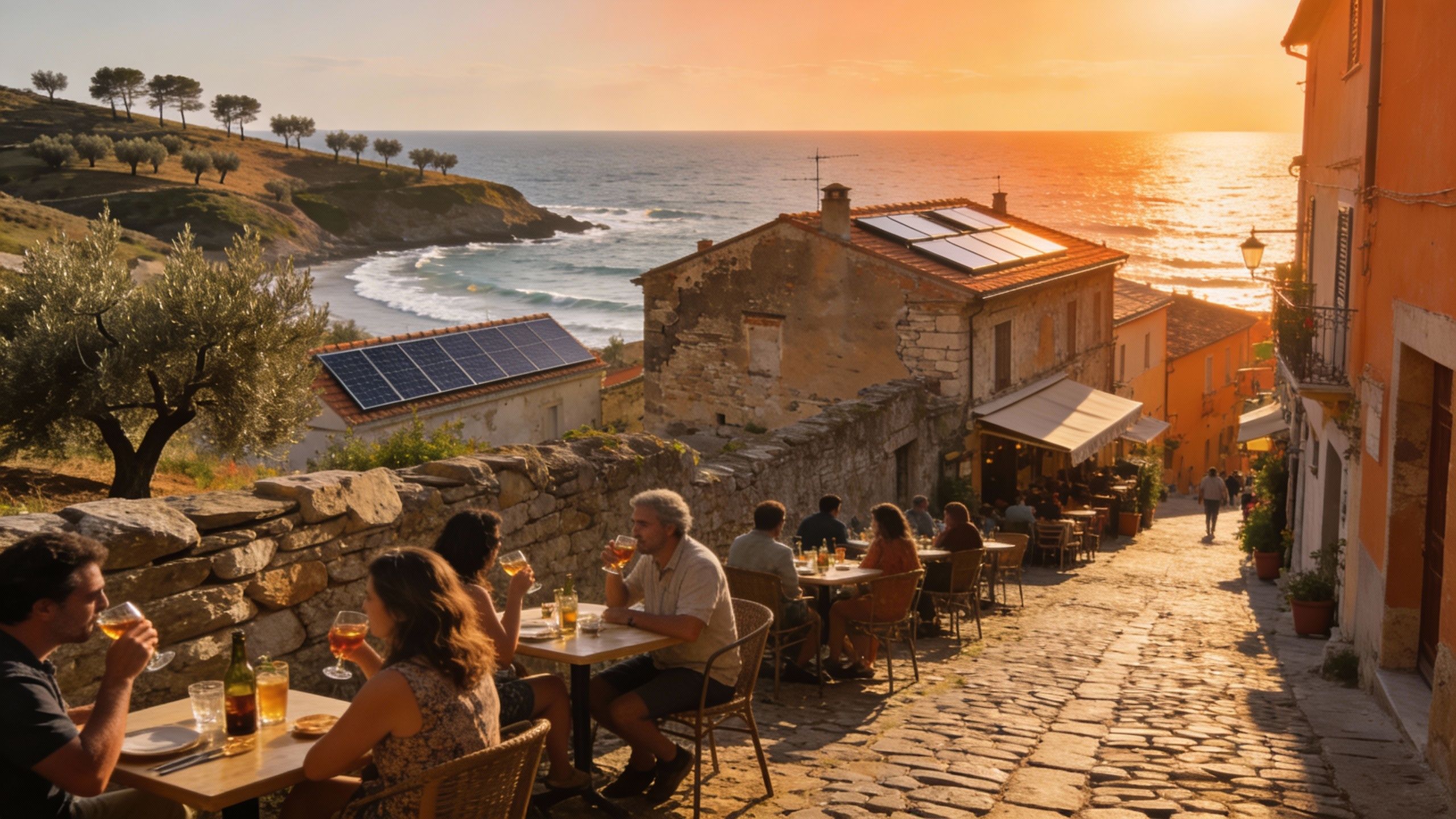
When Italy’s Green Grid Becomes Your Home Advantage
Italy’s renewable surge is reshaping value: rooftop solar and regional green projects lower running costs and change where international buyers invest.
 Moss & Hearth
Imagine waking to the smell of espresso and lemon trees, then stepping outside to a street where terracotta rooftops share the skyline with new rooftop solar arrays. In Italy, the romance of stone, sea and seasonal food now sits beside a quieter revolution: rapid growth in renewables and green infrastructure. That shift is changing where people buy, how homes are lived in, and what value looks like.
Living the Italy lifestyle — nature, seasons, and quiet modernity
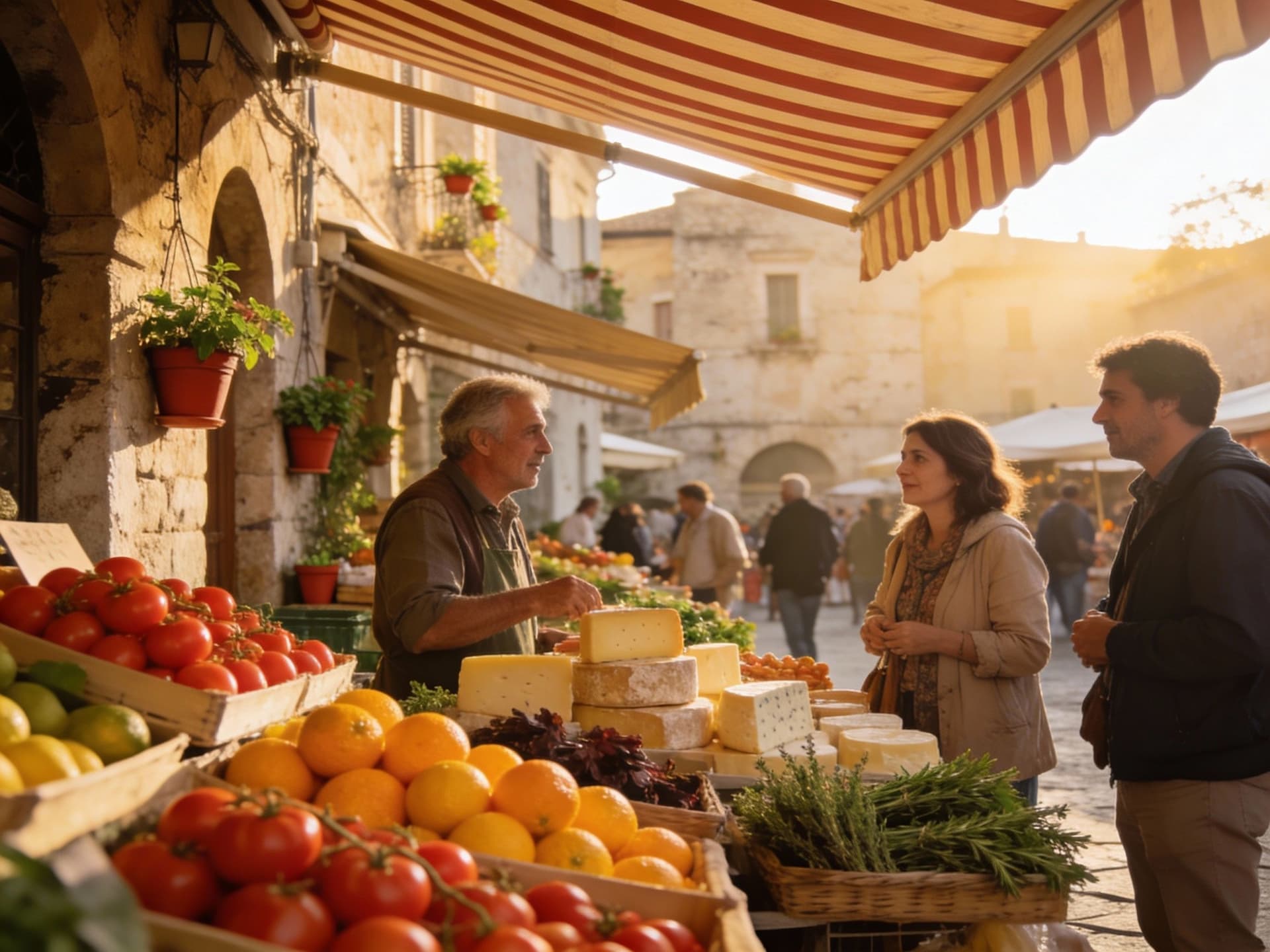
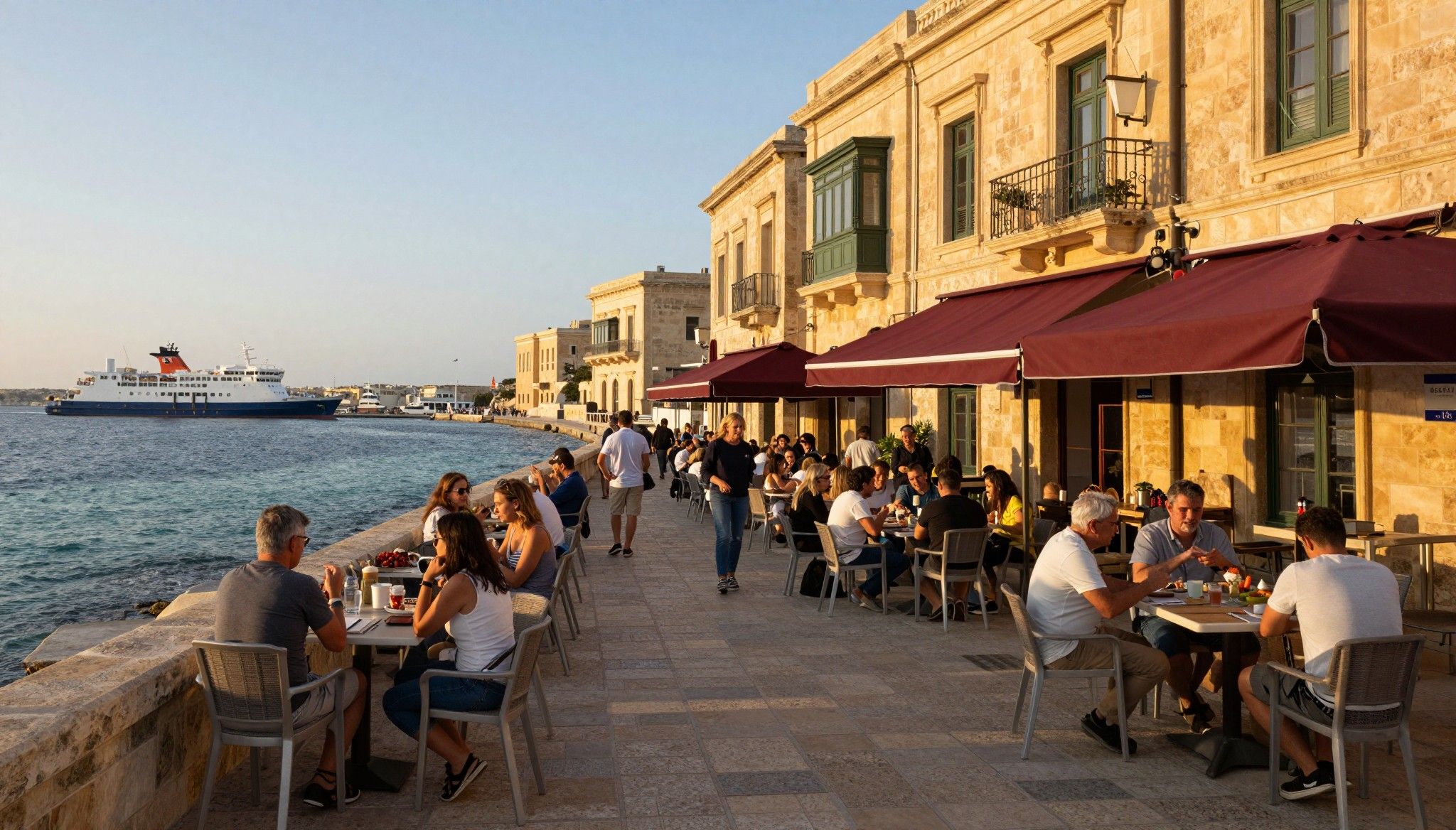
Life in Italy moves at a rhythm of markets, piazzas and the seasons. Mornings often begin at a corner bar—think Via dei Coronari in Rome or Oltrarno’s workshop-lined lanes in Florence—where locals trade news over a macchiato. Afternoons can be siesta-adjacent, with light that slants golden over stone; evenings are for slow dinners, local wine and conversations that run late. Across the peninsula, this lived-in tempo is now threaded with low-key sustainability: farmers’ markets, community gardens, restored stone houses with rainwater collection, and small solar fields on the fringes of towns.
Neighborhood spotlight: Tuscan hill towns vs. Ligurian sea villages
Tuscany’s hill towns—Pienza, San Gimignano, and the lanes around Lucca—offer stone farmhouses, olive groves and a measured pace that favors restoration and low‑impact living. Along the Ligurian coast, towns like Camogli and Levanto pair sea-scented air with pastel houses and community-supported fisheries. Both areas share artisanship: small grocer cooperatives, local cheese producers, and bars where owners know your order. For an eco‑buyer, that means immediate access to local food systems and neighbourhood projects that support biodiversity.
Food, markets and seasonal living
Markets are the heart of daily life: the Mercato Centrale in Florence, the fish stalls of Catania’s La Pescheria, and morning produce markets in Palermo feel alive with seasonality. Buying locally reduces food miles and embeds you in rhythms that reward patience—preserving figs in August, mushroom foraging in autumn, tasting new olive oil in November. These small habits alter what you want from a property: a courtyard for drying herbs, a cantina for preserves, solar orientation for year‑round comfort.
Making the move: how Italy’s green infrastructure reshapes property value
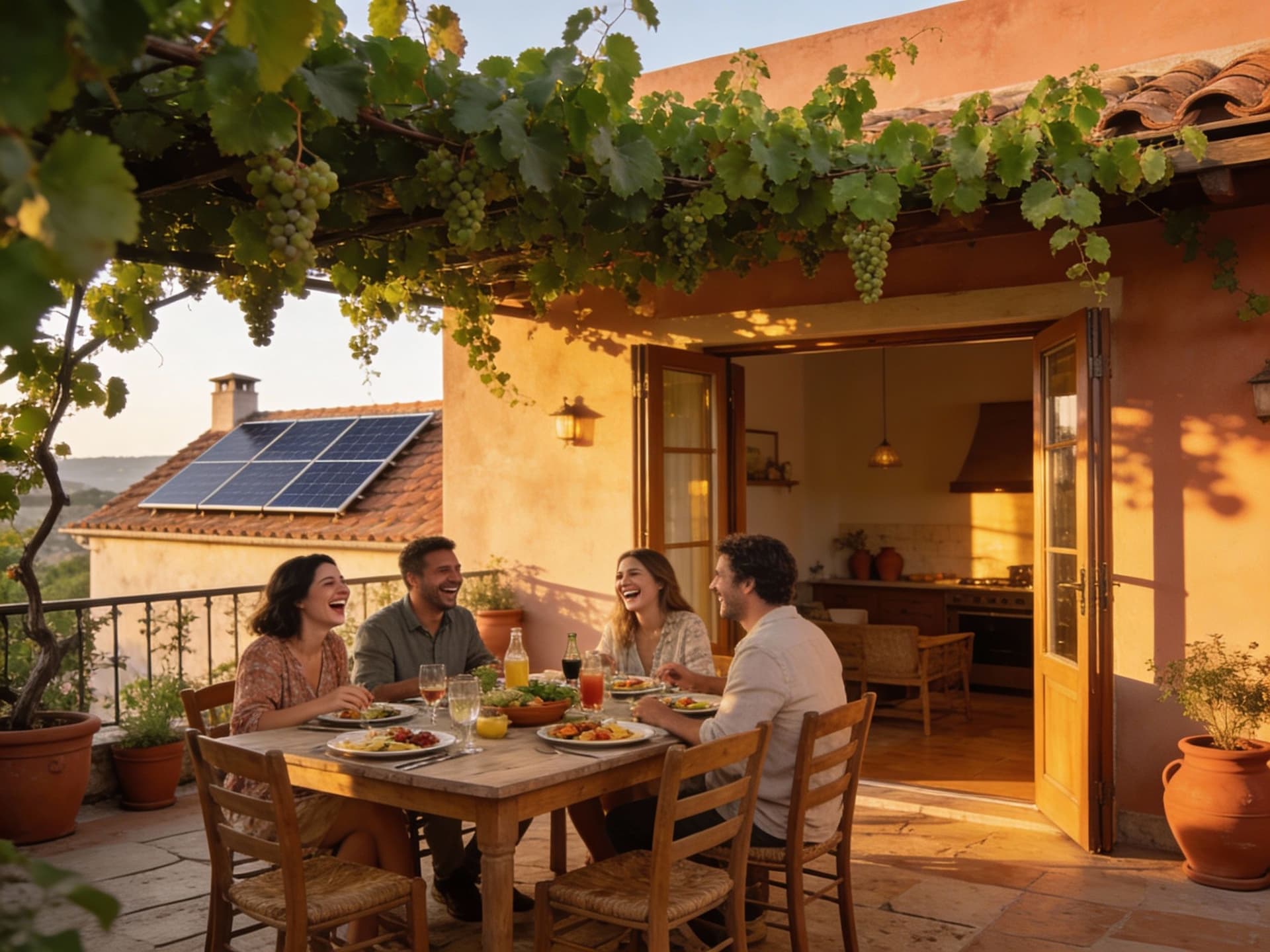
The practical reality behind the feeling: Italy added multiple gigawatts of new solar capacity recently, and the national share of renewables has been steadily rising. That investment in energy infrastructure affects running costs, grid reliability and the desirability of homes with energy upgrades. For buyers who care about stewardship and lower bills, a property with good passive solar design or an existing PV system is not just aesthetic—it can materially change total cost of ownership.
Property styles and what they actually offer
Historic stone homes give you thermal mass and charm but often need insulation and modern heating systems; rural trulli and masserie require sensitive renovation that respects rules for heritage buildings. Newer renovations and contemporary eco‑builds tend to include double glazing, heat pumps and solar arrays. When you picture life here—dinners on a tiled terrace, olive trees in the yard—think about how design choices (orientation, shutters, thermal masonry) will influence comfort and energy use year‑round.
Working with local experts who know green living
Good local agents, green architects (architetti), and engineers who understand Italian incentives are invaluable. Many buyers find that specialists who can translate heritage rules, Superbonus-related changes, and regional permitting save months of frustration. Agencies that also cultivate relationships with local craftsmen—solar installers, lime plaster experts, pergola carpenters—turn a hopeful renovation into a home that lives gently on the land.
Insider knowledge: myths, quirks and expat truths
Smart expats learn quickly that Italy’s romance comes with rules and delightful quirks. Not every seaside town is tourist chaos year-round; many coastal villages empty out in winter and reveal a calmer community. Conversely, some inland hamlets bloom in spring with community life and festivals. The culture values slow, long meals and neighbourliness—expect to be invited to a sagra or to bargain about the olive harvest. Language helps, but kindness and participation matter more.
What foreigners often misunderstand
Two common surprises: first, foreign interest is rising beyond dreamy Tuscany—regions like Puglia and Sicily are seeing real growth, often with lower entry prices and exciting renovation potential. Second, a ‘green premium’ (higher prices for energy‑efficient homes) is increasingly a market reality—but it often pays back in comfort and lower operating costs. Local market data show foreign buyer shares and regional shifts that reshape where demand (and therefore renovation expertise and green services) concentrates.
Long‑term lifestyle considerations
Think five to ten years ahead: will you want more access to health services, schools, or better broadband? Will you move seasonally or settle permanently? Communities that invest in renewables and local food systems often show greater resilience—less exposure to price shocks, more local jobs, and sustained community activity. For stewardship‑minded buyers, these are signals that a place will remain livable and lively.
- Lifestyle highlights: market mornings at Mercato Centrale (Florence); olive harvest weekends in Chianti; aperitivo on Via Toledo (Naples); early‑morning swims at Spiaggia della Pelosa (Sardinia); village sagre in autumn (Umbria); coastal bike rides along the Ligurian Riviera.
- Step-by-step for buyers blending lifestyle and green value: 1. Spend a month living neighborhood to neighborhood (taste markets, test commutes). 2. Prioritize properties with passive solar features, orientation and water management. 3. Ask for EPCs and recent utility bills; compare running costs. 4. Meet a local architect to scope sympathetic energy upgrades and permitting. 5. Check regional incentives and feed‑in rules for PV or heat pumps. 6. Choose an agent with local green‑upgrade experience.
Conclusion — imagine arrival, then act with stewardship. Picture yourself at a small table under vines on a warm evening, the house behind fitted with shutters and a modest solar array humming into the grid. That image is possible in many Italian towns today—but achieving it needs local know‑how: agents who understand green infrastructure, architects who respect heritage, and planners who can convert romantic intention into resilient living. If you’re drawn to Italy for both beauty and a low‑impact life, start with a visit timed to the season you plan to live in and talk to specialists who treat the land as part of the house, not merely its backdrop.
Moss & HearthDutch property strategist who helped 200+ families find sustainable homes in southern Europe; expert in legal pathways and long-term stewardship.
Related Articles
More insights that might interest you
 Villa Curated
 Villa Curated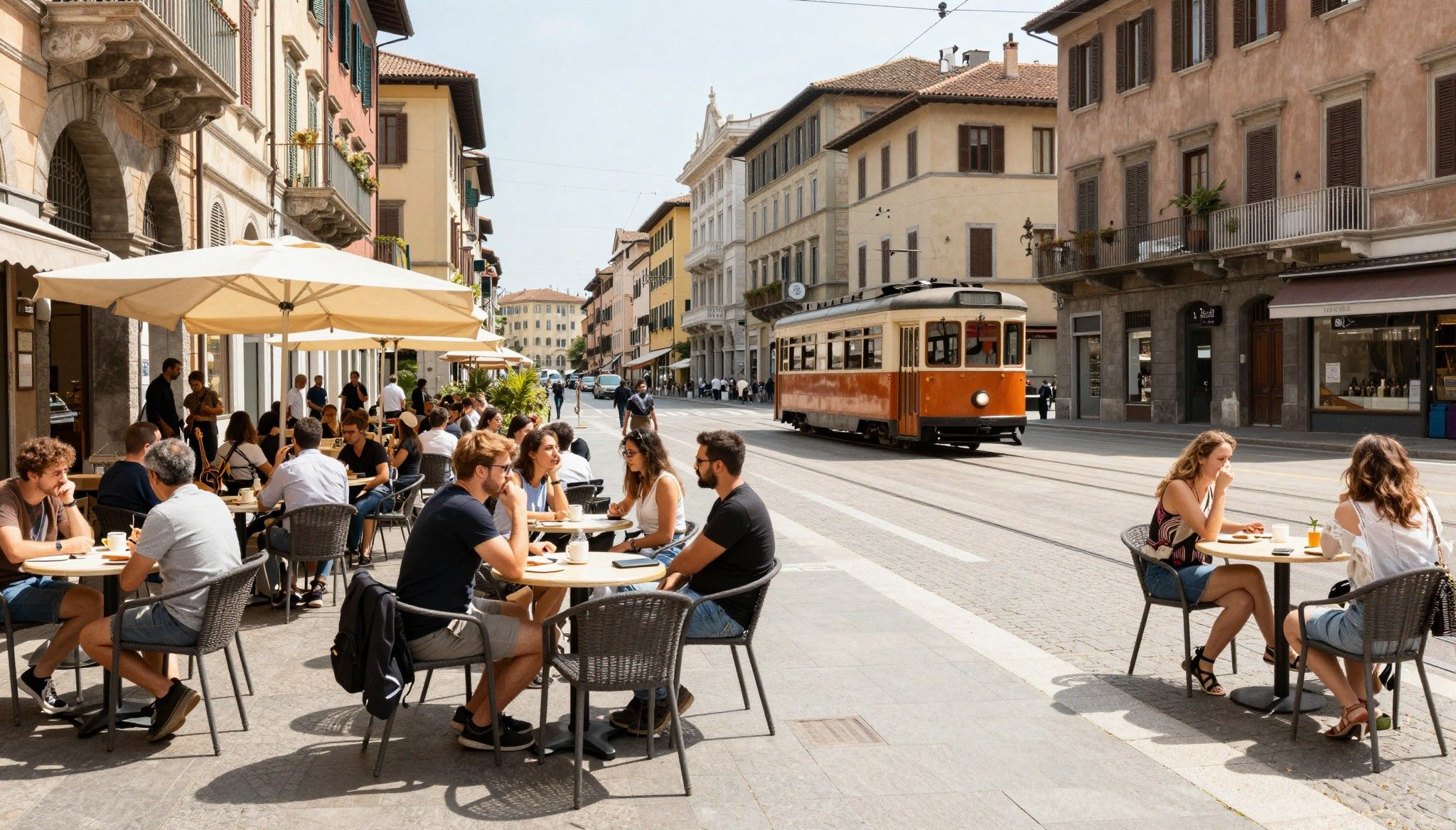
 The Yieldist

